Seasonal Home Preparedness: Essential Fall HVAC and Home Maintenance Checklist
As autumn gracefully unfolds, bringing with it a capricious mix of warm and cool days, many homeowners, particularly those in regions like North Texas, find themselves at the cusp of a seasonal transition. This time of year often means toggling between air conditioning and heating, a scenario modern “Heat/Cool” thermostat settings expertly manage. But beyond these smart adjustments, fall presents a crucial window for essential home maintenance that can significantly impact comfort, energy efficiency, and safety throughout the colder months ahead.
While the term “winterize” is commonly understood for preparing a home for severe cold, the concept of “fall-izing” your home, especially your HVAC system, is equally vital. It’s about proactive steps to ensure your heating and cooling systems are ready for whatever the unpredictable weather throws your way. As your air conditioner gears up for a period of rest and your furnace prepares for its busiest season, now is the opportune moment to address their specific needs.
Professional HVAC System Service: A Must for Fall
One of the most critical steps in your fall home preparation checklist is scheduling a comprehensive service for your entire HVAC system. This is not merely a suggestion but a crucial annual ritual that ensures peak performance, extends the lifespan of your equipment, and helps prevent costly breakdowns when you need your heating most. When booking your appointment, explicitly request that technicians inspect both your air conditioning unit and your furnace, as each has distinct requirements after months of either heavy use or dormancy.
A professional HVAC tune-up typically involves a thorough inspection of all components, including electrical connections, refrigerant levels, thermostat calibration, and a meticulous cleaning of coils and filters. Technicians will also assess ductwork for leaks or blockages and identify any potential repair or safety issues, such as carbon monoxide leaks in furnaces. Addressing these concerns proactively can lead to substantial energy savings, improved indoor air quality, and peace of mind knowing your system is running safely and efficiently.
You’ll also want to make sure your system isn’t suffering from any unusual obstructions. Imagine the surprise of an HVAC technician encountering an entire AC unit engulfed in spray foam insulation, as depicted in a memorable online video. Such bizarre obstructions can severely impair system function and highlight the importance of regular, professional inspections to ensure your equipment is accessible and serviceable. Hopefully, your service appointment reveals nothing more challenging than a dusty filter, allowing for straightforward maintenance and ensuring your system is ready for the change in seasons.
@greenscenehome This #homeinspectionfind shows an AC unit completely covered in spray foam. A unique challenge for any HVAC technician!
♬ original sound – Green Scene Home Inspections
Optimize Your Indoor Climate: Turn Your Ceiling Fan to Winter Mode
Many homeowners associate ceiling fans exclusively with cooling during warmer months, but these versatile appliances can also play a significant role in improving heating efficiency during the fall and winter. By simply reversing the direction of your ceiling fan, you can effectively redistribute warm air and potentially lower your heating costs. This often overlooked adjustment is a simple yet powerful energy-saving tip.
For winter operation, ceiling fans should rotate clockwise at a low speed. This creates an updraft, gently pulling cooler air from the lower parts of the room upwards. The fan then pushes the warm air that naturally rises and collects near the ceiling back down and circulates it throughout the living space. The key is to use a low speed; a higher speed would create a noticeable draft, which defeats the purpose of warming the room. This subtle air movement helps equalize room temperature, making your heating system work less to achieve your desired comfort level. This intelligent use of your ceiling fan can contribute to a more consistently comfortable home and noticeable savings on your utility bills.
And speaking of ceiling fans, you might also come across some rather unconventional interactions with them. Consider the viral video of a home inspector humorously demonstrating the dangers of head-to-ceiling-fan encounters. While amusing, it underscores the importance of being aware of your surroundings, even within your own home, and perhaps ensuring ceiling fans are installed at appropriate heights for safety and optimal air circulation.
@greenscenehome A humorous take on #homeinspectionfinds – mind your head around those ceiling fans!
♬ original sound – Green Scene Home Inspections
Critical Furnace Maintenance: Don’t Forget Your Filters
While many homeowners are diligent about changing their air conditioner filters, the furnace filter often falls by the wayside, perhaps because it’s out of sight, out of mind, or located in an inconvenient spot. However, a clean furnace filter is just as crucial, if not more so, for the efficient and safe operation of your heating system. Ignoring this simple task can lead to a host of problems, including reduced airflow, increased energy consumption, diminished heating capacity, and even damage to your furnace’s internal components.
Over time, filters accumulate dust, dirt, pet dander, and other airborne particles, restricting airflow and forcing your furnace to work harder. This increased strain not only drives up your energy bills but also shortens the lifespan of your unit. A clogged filter can also compromise indoor air quality, circulating allergens and pollutants throughout your home. Experts recommend changing your furnace filter at least every three months, or even more frequently if you have pets, allergies, or live in a dusty environment. Different filters offer varying levels of filtration, indicated by their MERV (Minimum Efficiency Reporting Value) rating. Choosing the right MERV rating for your home can balance optimal air quality with efficient system performance.
Sometimes, the biggest obstacle to filter maintenance isn’t forgetting, but the sheer difficulty of accessing the filter. Some homes present filters located in remarkably tight or awkward spaces, making regular changes a challenging ordeal, as humorously highlighted in videos showcasing tiny, almost “elf-sized” access holes. Regardless of the logistical challenges, the benefits of consistent filter changes far outweigh the inconvenience. Make it a routine part of your seasonal maintenance to ensure your furnace operates efficiently and your home’s air quality remains high.
Protecting Your AC Compressor: The “Fall-ize” Debate
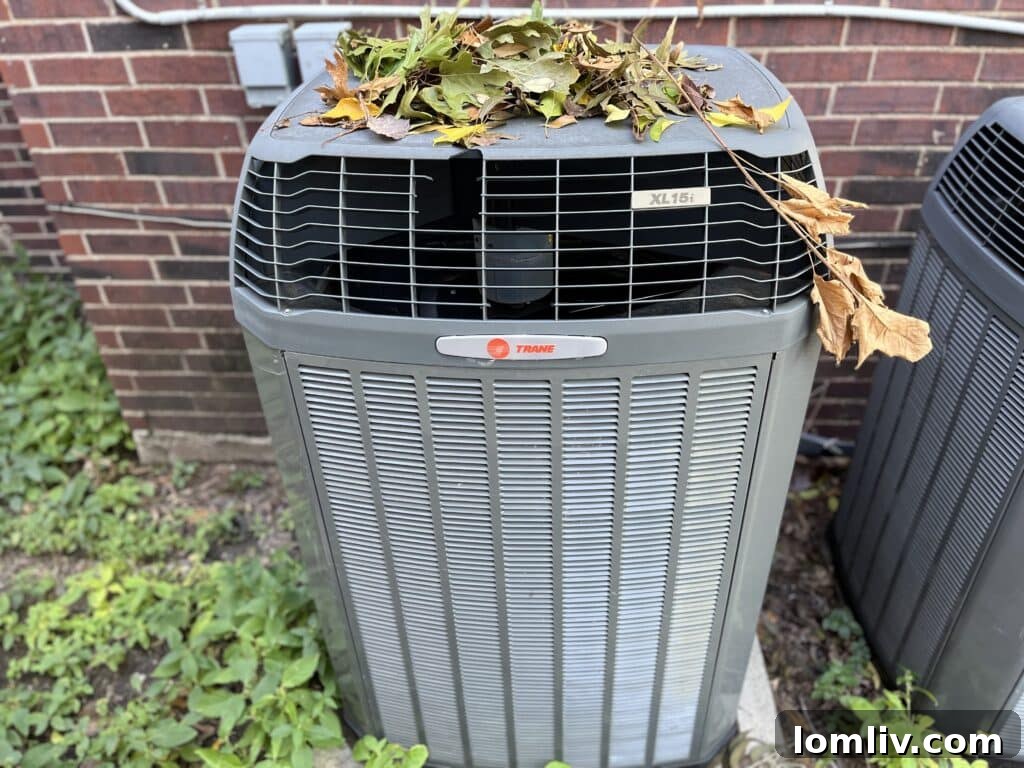
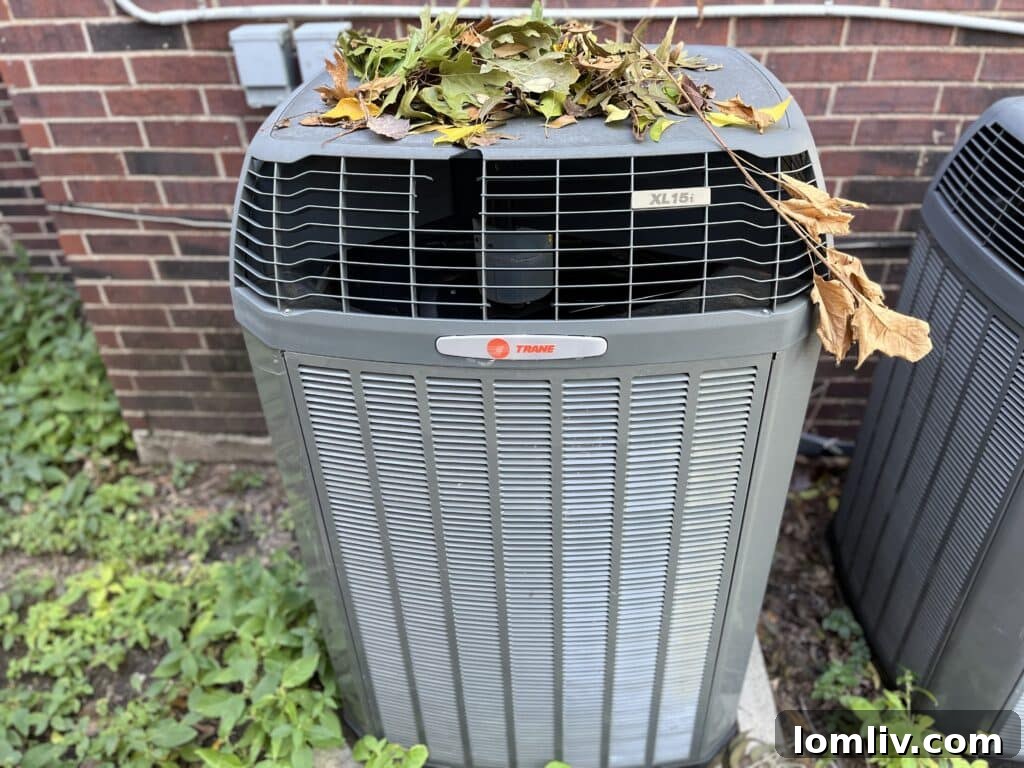
As your air conditioning unit prepares for its winter dormancy, the question of whether to cover the outdoor AC compressor often arises. This topic generates differing opinions among HVAC professionals. Some advocate for covering the unit to shield it from harsh winter elements, believing it prevents freezing and accumulation of debris. Others argue against covering, asserting that AC units are designed to withstand cold temperatures and that covering can trap moisture, leading to corrosion and mold growth within the unit, potentially causing more harm than good.
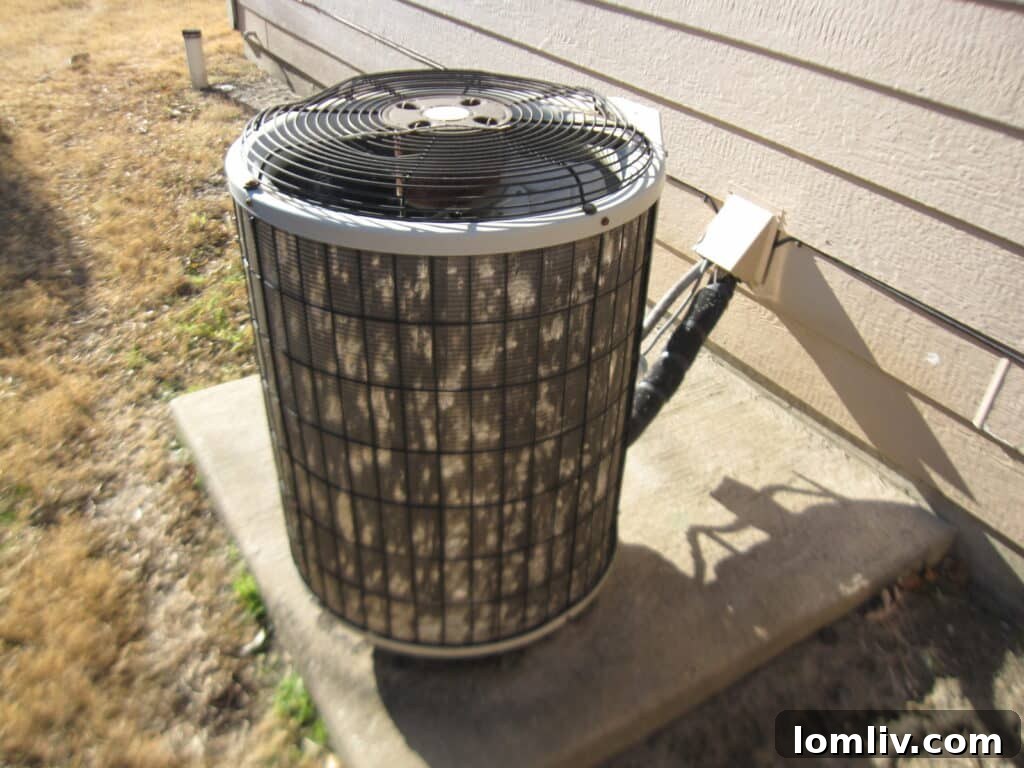
In regions like North Texas, where winters can be relatively mild but still prone to freezing rain, high winds, and occasional heavy snowfall, a balanced approach often prevails. Most local experts recommend a simple “fall-izing” routine for your AC compressor: thoroughly clean the unit, removing any leaves, twigs, grass clippings, and other debris from around and inside the coils. This ensures maximum efficiency when the unit is reactivated in spring and prevents decay of organic matter over the winter. Following this, many homeowners opt for a breathable, waterproof cover specifically designed for AC units, or a simple piece of plywood weighted down, to prevent the ingress of leaves and twigs, and to offer some protection against storm damage. For instance, hail damage, as seen in the image below, can significantly impact the coils, necessitating costly repairs.
The best advice is always to consult with your HVAC service expert during your annual tune-up. They can assess your specific unit, local climate conditions, and offer tailored recommendations on whether to cover your AC compressor for the winter months. This personalized guidance ensures your unit receives the best possible care, protecting your investment and ensuring reliable operation for years to come.
Crucial Safety Check: Don’t Forget Your Batteries
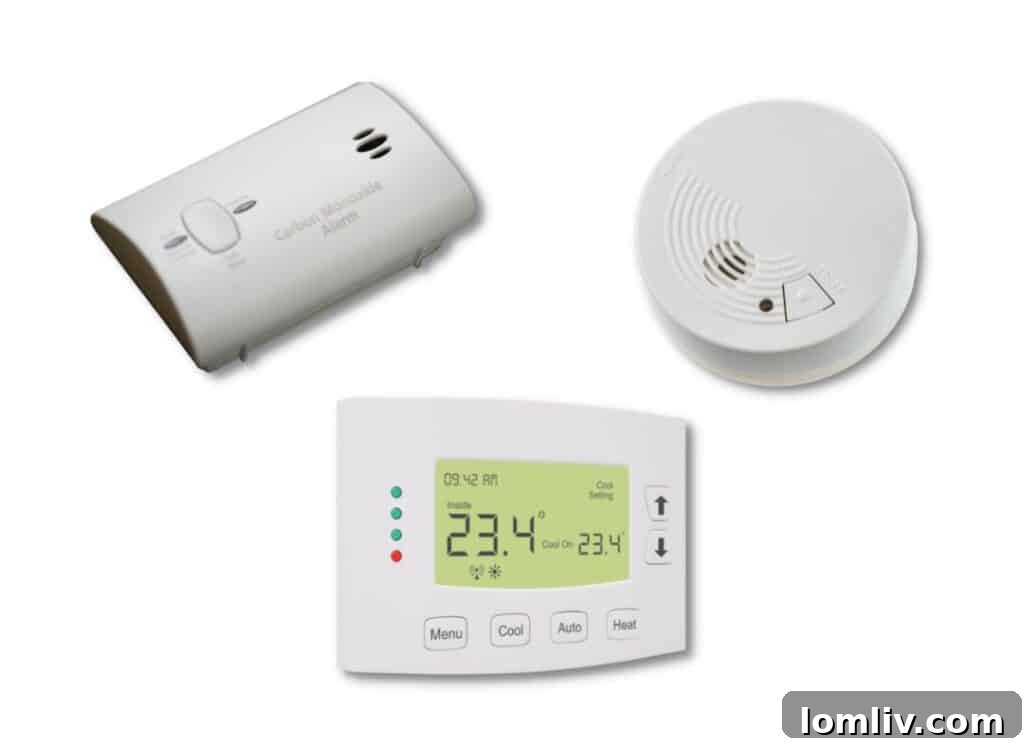
While preparing your home for the colder months, it’s paramount not to overlook a simple yet life-saving task: checking the batteries in your essential home safety devices. This includes your programmable or smart thermostats, carbon monoxide detectors, and smoke detectors. These devices are your first line of defense against common household hazards, and ensuring they are fully operational is non-negotiable.
Start by checking the batteries in your thermostats. While many smart thermostats are hardwired, some models or older programmable thermostats still rely on battery power, especially for backup in power outages. Next, move on to your carbon monoxide (CO) detectors. Carbon monoxide is an odorless, colorless, and highly toxic gas produced by fuel-burning appliances. A functional CO detector is critical, especially as furnaces and fireplaces see increased use during winter. Finally, ensure your smoke detectors are in perfect working order. Test them regularly, and replace batteries at least once a year, or immediately if you hear any chirping sounds indicating low power.
It’s a good practice to use a battery tester to check the remaining life of existing batteries and to note down the required sizes, keeping spares readily available. Imagine being plunged into a winter storm, possibly facing power outages, only to be plagued by the incessant chirping of a dying smoke or CO detector. Beyond the sheer annoyance, a non-functional detector could put your family at grave risk. Prioritize this simple maintenance task to ensure continuous safety and comfort throughout the season.
Beyond HVAC and battery checks, fall is an excellent time to consider other seasonal home maintenance items such as inspecting your roof and gutters for debris, checking weatherstripping around windows and doors, and ensuring proper insulation. If you have any concerns about these or other aspects of your home’s readiness for the upcoming season, consider scheduling a seasonal home check-up with a qualified home inspector. A professional can provide a comprehensive overview of your home’s systems, identify potential issues, and offer recommendations for repairs or preventive maintenance. Investing in proactive home care not only enhances comfort and safety but also protects your property value and saves money in the long run. Embrace the “fall-izing” spirit and enjoy a worry-free season ahead!