Midnight Alert at The Athena: A Deep Dive into High-Rise Fire Safety and Community Preparedness in Dallas
The sudden, piercing wail of a fire alarm is enough to jolt anyone awake, but when it erupts in the dead of night within a high-rise residential building, it carries an entirely different weight of anxiety and urgency. Such was the scene recently at The Athena, a prominent condominium complex situated “Behind the Pink Wall” in Dallas, where residents were abruptly roused from their sleep by a blaring alarm just before 2:00 AM. This incident, though ultimately resolved peacefully, served as a potent reminder of the critical importance of robust fire safety protocols and community vigilance in urban high-rise living.
The Echoes of a Midnight Scare
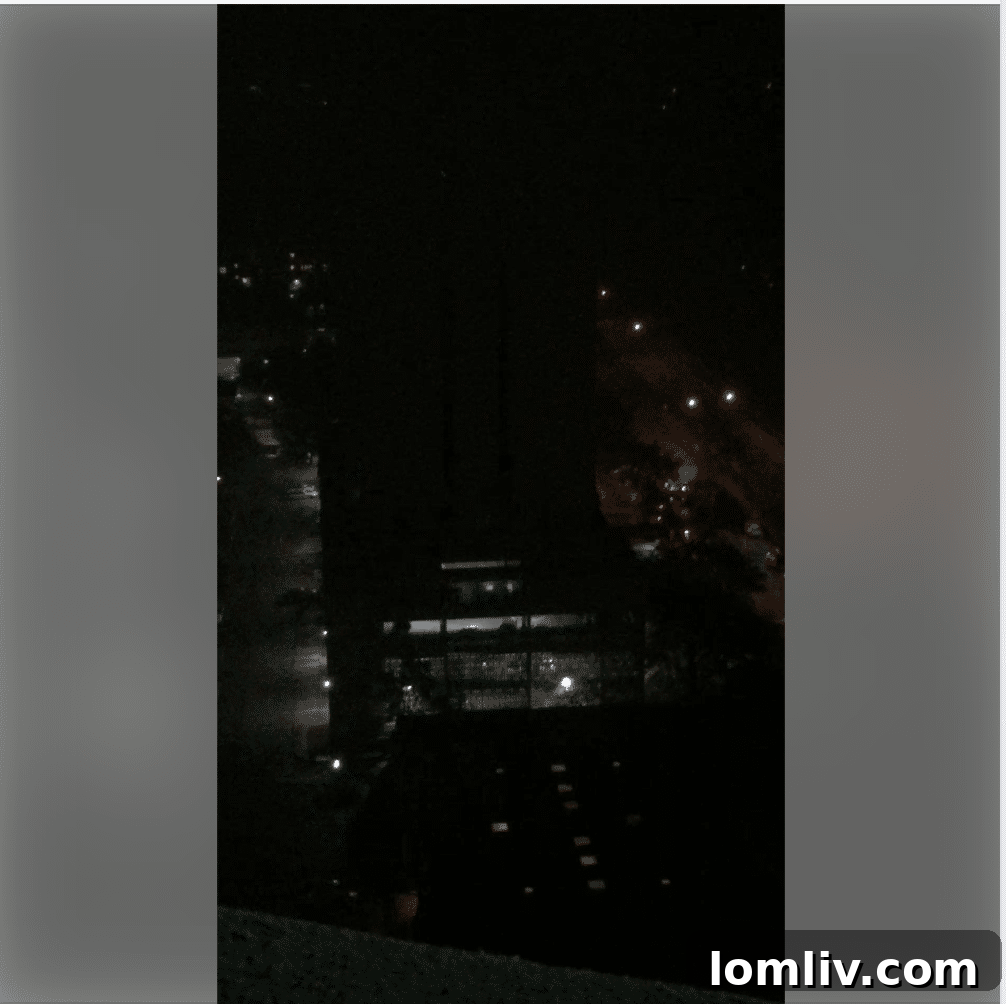
The disruption began around 1:40 AM, casting a palpable sense of unease over The Athena. For nearly two hours, the relentless sound of the alarm filled the quiet night, prompting residents to ponder the cause and potential danger. Eyewitness accounts quickly emerged, painting a vivid picture of the unfolding situation. A resident from the neighboring Preston Towers, observing the scene, reported seeing two Dallas Fire-Rescue trucks positioned outside The Athena throughout the ordeal. Despite a thick blanket of fog adding to the eerie atmosphere, no visible flames or smoke were detected, offering a glimmer of hope amidst the uncertainty.
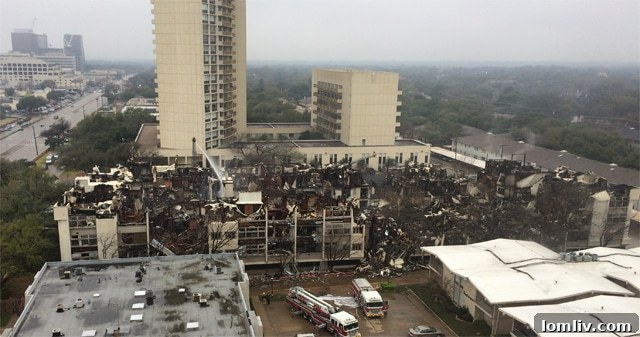
The lack of immediate visual confirmation of a fire, however, did little to quell the underlying tension. In such situations, the mind naturally races, recalling past incidents and contemplating worst-case scenarios. For many in the community, this particular alarm carried an unsettling resonance, drawing parallels to a devastating event that occurred almost exactly two years prior. It was then that Preston Place, a condominium complex adjacent to The Athena, was engulfed in a significant fire in the middle of the night, leaving a lasting impact on the entire “Pink Wall” neighborhood. The memory of that blaze, and the profound disruption it caused, underscored the collective concern during The Athena’s latest midnight alert.
Recalling the Preston Place Tragedy
The reference to Preston Place is crucial for understanding the community’s heightened sensitivity to fire alarms. On March 8, 2017, residents of Preston Place experienced a genuine nightmare when a massive fire tore through the building, causing extensive damage and forcing countless individuals from their homes. This wasn’t merely a minor incident; it was a catastrophic event that led to long-term displacement, significant property loss, and an enduring sense of vulnerability within the community. The fire was a stark lesson in the realities and risks associated with high-rise living, highlighting the importance of every component of a building’s fire safety infrastructure, from detection systems to sprinkler efficacy and emergency response times.
The Preston Place fire became a benchmark for emergency preparedness in the area. It spurred discussions about building codes, the effectiveness of evacuation plans, and the psychological toll such disasters inflict on residents. Therefore, when The Athena’s alarm pierced the night two years later, it wasn’t just a sound; it was an echo of a painful memory, a collective shudder that rippled through a community acutely aware of what could happen. The irony of the timing and the similarity of the alarm sound were not lost on the residents, amplifying their apprehension until the situation was confirmed safe.
The Imperative of High-Rise Fire Safety Systems
Incidents like the one at The Athena, whether false alarms or genuine threats, serve as critical stress tests for a building’s fire safety systems. Modern high-rise structures are equipped with a complex array of technologies designed to detect, contain, and suppress fires, as well as facilitate safe evacuation. These systems typically include:
- Advanced Smoke and Heat Detectors: Strategically placed throughout the building, these sensors are designed to provide early warnings.
- Automated Sprinkler Systems: Crucial for localized fire suppression, these systems can significantly reduce the spread of flames and minimize damage.
- Centralized Fire Alarm Control Panels: These systems monitor all detection devices and trigger alarms, often directly notifying the fire department.
- Emergency Communication Systems: Public address systems and two-way communication devices are vital for guiding residents during an emergency.
- Pressurized Stairwells: Designed to prevent smoke infiltration, ensuring clear escape routes.
- Fire-Rated Materials: Construction materials used to compartmentalize fires and slow their spread.
The effective functioning of each component is paramount. Regular maintenance, testing, and upgrades are not merely regulatory requirements but essential practices for ensuring the safety and peace of mind of residents. A loud alarm, even if ultimately deemed a false alarm, signifies that the detection system, at least, is active and capable of alerting occupants.
Community Preparedness and Emergency Response
Beyond the technological infrastructure, human elements play an equally vital role in high-rise safety. The responsiveness of the Dallas Fire-Rescue Department is consistently demonstrated through their rapid deployment to such incidents. Their presence outside The Athena, even in the absence of visible flames, provides immediate reassurance to residents and ensures that any potential threat can be quickly assessed and neutralized. This professionalism is a cornerstone of urban safety and a testament to the rigorous training and dedication of emergency services personnel.
However, community preparedness extends beyond professional responders. Residents themselves have a crucial part to play in ensuring their safety and the safety of their neighbors. This includes:
- Knowing Evacuation Routes: Familiarizing oneself with primary and secondary exit paths.
- Having an Emergency Plan: Discussing meeting points and communication strategies with family members.
- Understanding Alarm Signals: Knowing the difference between an evacuation signal and an alert signal.
- Reporting Concerns: Promptly notifying building management of any potential safety issues or malfunctioning equipment.
- Participating in Drills: Engaging in fire drills to practice emergency procedures.
Building management also bears significant responsibility. Regular fire safety audits, clear communication protocols with residents, and transparent post-incident reporting are essential for maintaining trust and ensuring continuous improvement in safety standards. The swift resolution at The Athena, with fire trucks eventually departing and the alarm silenced, reflects a system that, in this instance, worked as intended, even if it caused temporary alarm.
The Relief and Lessons Learned
As the minutes ticked by at The Athena, the initial panic gradually gave way to anxious anticipation. The ultimate message, delivered with welcome relief, was that “fire trucks gone, alarm off, all is well again Behind the Pink Wall!” This simple update brought peace of mind to countless residents who had been kept awake by the blaring siren. It confirmed that the alarm was either a false positive, a minor malfunction, or a quickly resolved non-emergency incident.
While false alarms can be disruptive and even frustrating, they paradoxically underscore the functionality of a building’s safety systems. They demonstrate that the detection mechanisms are active and responsive. However, frequent false alarms can also lead to complacency, a dangerous outcome that building management must actively work to prevent through thorough investigations and timely repairs of any system quirks. Each incident, regardless of its outcome, provides valuable data for refining safety protocols, improving maintenance schedules, and enhancing resident communication strategies.
The experience at The Athena, echoing the deeper trauma of Preston Place, serves as a poignant reminder that while urban high-rise living offers many conveniences, it also demands a continuous commitment to safety. From the advanced engineering of fire suppression systems to the vigilance of residents and the readiness of emergency services, every layer contributes to creating a secure environment. The brief scare at The Athena ultimately reinforced the community’s resilience and its unwavering focus on ensuring the well-being of those who call these iconic Dallas high-rises home.