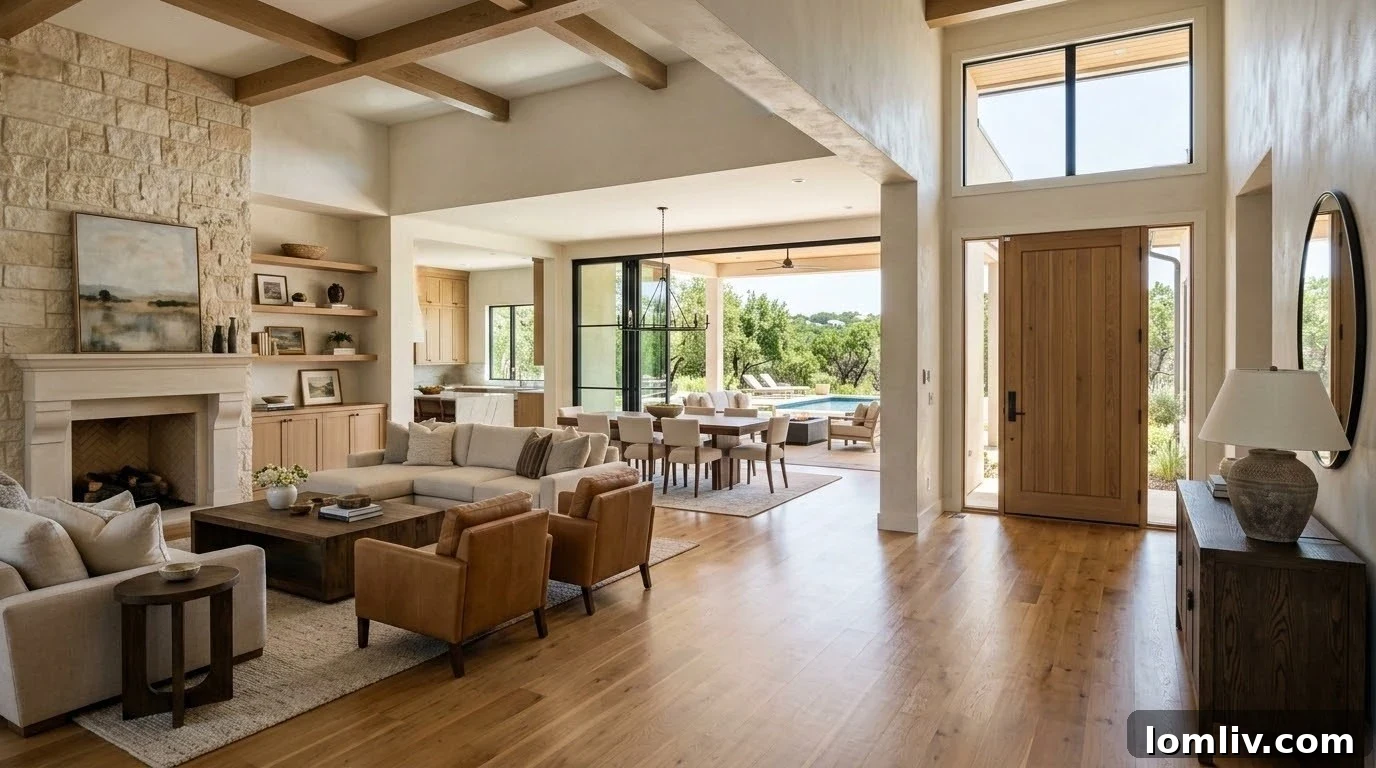
The essence of true luxury interior design is often misunderstood. Many believe it begins with the final layers—the exquisite fabrics, the rare finishes, and the statement furniture. In reality, this is the final chapter of a much longer story. The true foundation of a luxurious home is built long before, rooted in its architecture, meticulously aligned with the client’s lifestyle, and guided by an unwavering commitment to detail across every square foot of the property. For discerning homeowners in Austin, from the sleek modern estates of Westlake to the timelessly renovated manors in Tarrytown, achieving a truly exceptional result demands a holistic, whole-home approach, not a piecemeal, room-by-room refresh.
Authentic luxury is not defined by the price tags of its components. It is an art of spatial storytelling, a process of shaping a property so that every room, every hallway, and every transition feels both connected and intentional. A masterfully executed design elevates a structure from a beautiful house into a home that functions flawlessly—a sanctuary tailored for daily living, a stage for elegant entertaining, and a timeless environment built to be cherished for generations.
Beyond a Single Room: The Power of a Holistic Design Philosophy
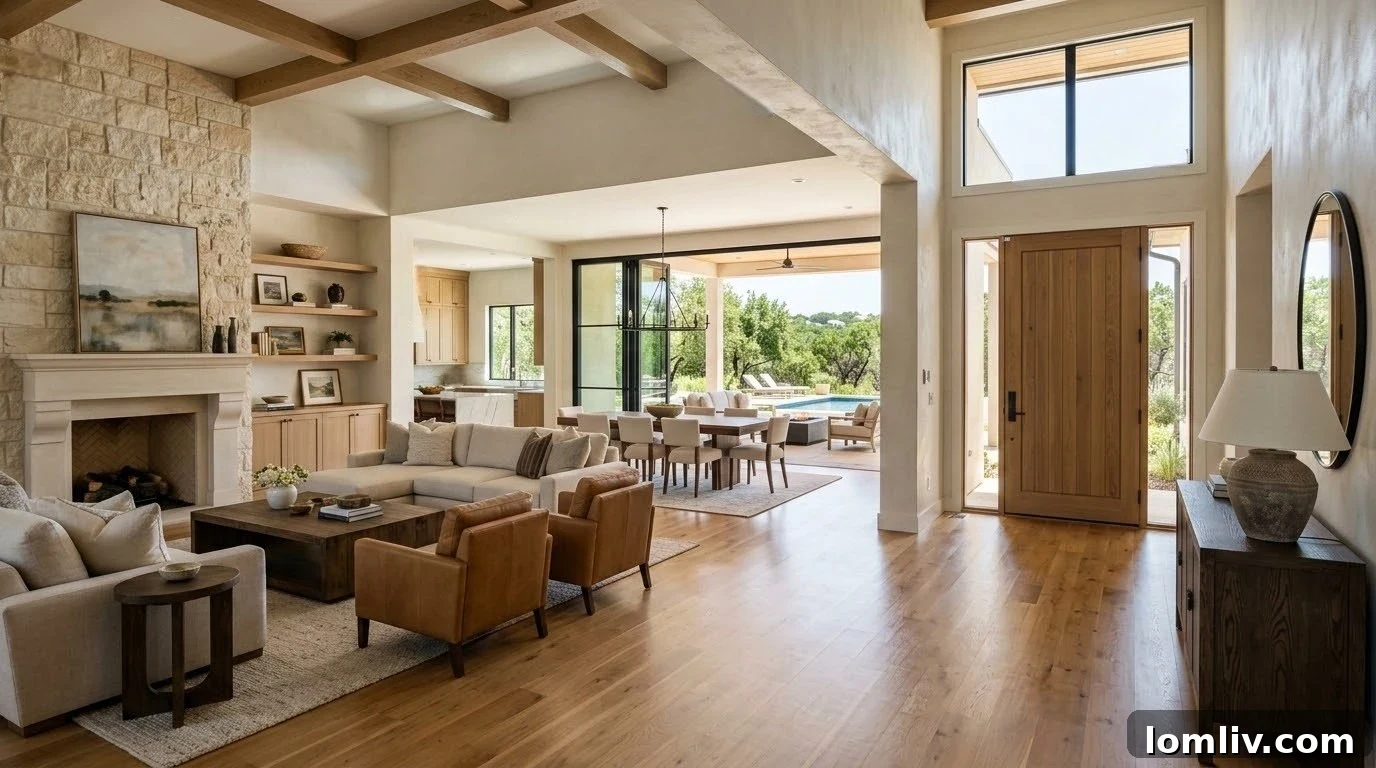
While a single-room project can certainly create an isolated moment of beauty, it often fails to deliver the sense of balance, harmony, and effortless flow that sophisticated homeowners seek. In the expansive residences common throughout Austin, every space is interconnected. Sightlines are paramount; a view from the foyer might extend through the great room and out to the landscape beyond. The design of one room inherently influences the experience of the next. A formal living area doesn’t exist in a vacuum—it connects to the entryway, flows into the dining room, adjoins the bar, and often opens onto an outdoor terrace. A piecemeal approach disrupts this natural rhythm, creating a disjointed experience.
When luxury interior design is embraced as a comprehensive, whole-home process, every single element serves a greater purpose, contributing to a unified narrative.
- Intentional Materiality: Materials like natural stone, warm woods, and metals are not chosen randomly for each room. Instead, a carefully curated palette is woven throughout the property to build a tangible sense of cohesion and understated elegance.
- Seamless Lighting Plans: Lighting is designed as a single, integrated system. The transition from the bright, welcoming light of an entryway to the intimate, layered lighting of a dining room feels natural and intuitive, enhancing the mood and function of each space.
- Architectural Integrity: Custom millwork, from cabinetry to wall paneling, is designed to honor and enhance the home’s existing architecture, not compete with it. It feels like an original, essential part of the structure.
- Perfect Proportions: Furnishings are selected and often custom-made to fit the exact scale and volume of the property, ensuring that every piece feels perfectly placed and contributes to a balanced, uncluttered environment.
For buyers making significant investments in Central Texas real estate, this meticulous, top-down planning is what distinguishes a house that simply looks finished from a bespoke estate that feels completely unified and deeply personal.
The Critical Difference: Full-Service Design vs. Interior Decoration
The terms “interior designer” and “interior decorator” are frequently used interchangeably, but they represent fundamentally different disciplines and scopes of work. Understanding this distinction is crucial for any homeowner embarking on a significant project. A decorator typically focuses on the aesthetic, surface-level elements of a room—the “skin” of the space. Their expertise lies in selecting paint colors, furniture, textiles, window treatments, and accessories to make a room visually appealing.
Full-service interior design, or interior architecture, goes profoundly deeper. It addresses the very “bones” of the home. A designer in this capacity tackles complex space planning, analyzes and improves traffic flow, and makes critical decisions about architectural details. Their work involves designing custom cabinetry, selecting all hard finishes (flooring, tile, countertops), creating comprehensive lighting and electrical plans, and ensuring long-term functionality. This level of design requires close collaboration with architects, builders, and specialized artisans from the earliest stages of a project. It is a structural and technical discipline focused on creating the entire living experience, not just decorating the final product.
Meeting the Standard of Austin’s Discerning High-End Market
Austin has firmly established itself as a major hub for luxury real estate, a transformation that has significantly elevated homeowner expectations. Prospective buyers in prestigious neighborhoods like Barton Creek, Clarksville, and West Lake Hills are no longer satisfied with quick, cosmetic makeovers. They are seeking legacy properties that are a direct reflection of their lifestyle, their daily routines, and the way they entertain guests.
Market analysis consistently shows that high-net-worth individuals in Central Texas place a premium on turnkey homes that feature flawlessly integrated indoor-outdoor living spaces. Given Austin’s favorable climate, which allows for outdoor entertaining almost year-round, a design that abruptly stops at the back door feels incomplete and shortsighted. A truly luxurious Austin home dissolves the boundary between inside and out, featuring expansive glass walls, fully equipped outdoor kitchens, and resort-style living areas that are furnished with the same level of quality and comfort as the interior.
The needs of these clients are highly specific. Some require a floor plan optimized for hosting large-scale charity events, while others desire a private, restorative retreat complete with dedicated wellness rooms, a climate-controlled wine cellar, or a professional-grade home theater. The ultimate objective of a high-end designer is to masterfully fuse architecture and interiors, creating a property that feels polished, personal, and purposeful in its entirety.
Your Lifestyle as the Blueprint: Crafting a Truly Personal Home
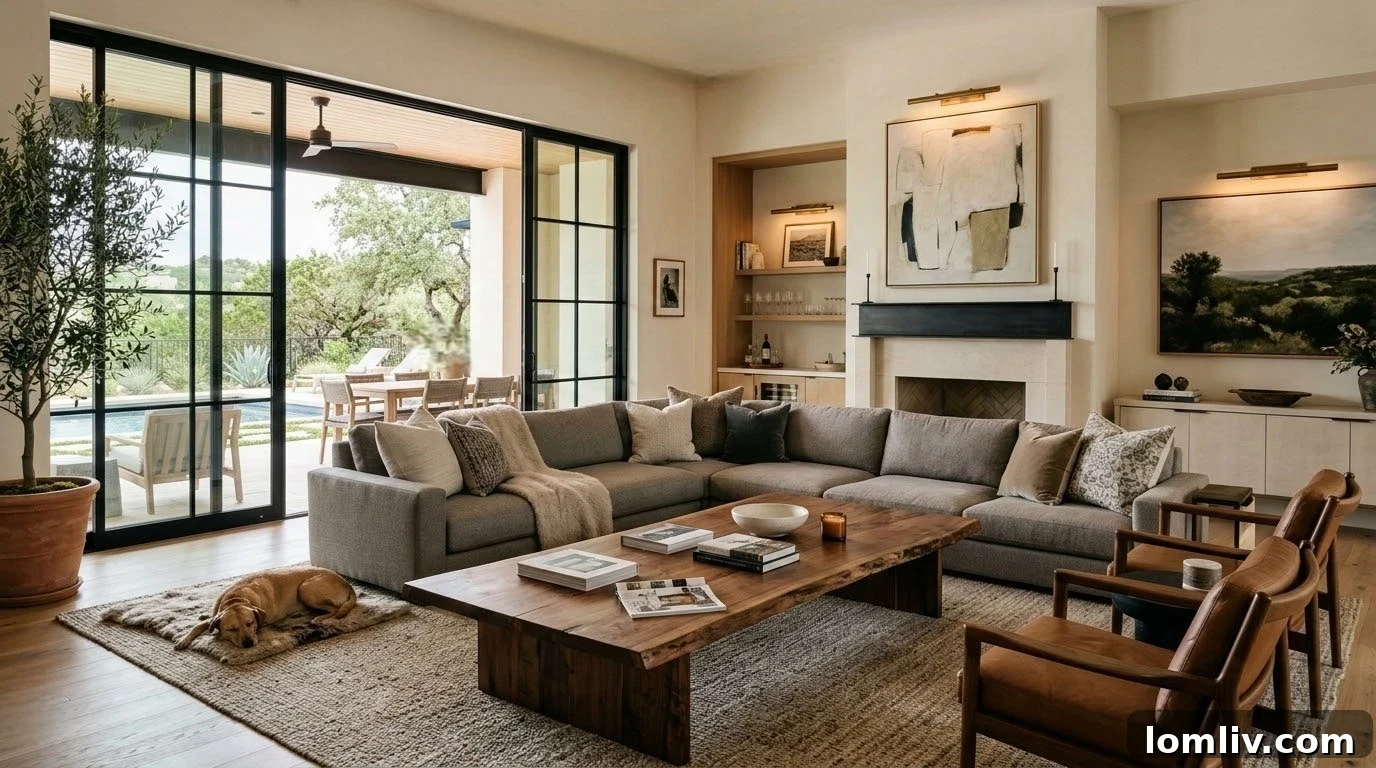
The most exceptional and enduring homes are not designed around fleeting trends; they are meticulously built around the lives of the people who inhabit them. The functional and aesthetic needs of a young family are vastly different from those of a retired couple who frequently host weekend guests from out of town. A passionate art collector requires carefully planned wall space and specialized gallery lighting to showcase their collection, while an outdoor enthusiast needs seamless transitions to the patio and ultra-durable performance fabrics that can withstand the elements.
This is where a true luxury interior designer provides their greatest value. Rather than simply acquiring beautiful objects one by one, they choreograph the entire living experience. They are masters of spatial organization, managing traffic flow to ensure intuitive movement through the home. They define the purpose of each room, ensure an appropriate balance of public and private zones, and create a visual harmony that makes every square foot feel both useful and beautiful. This bespoke approach ensures the final home is not just a showcase of good taste, but a perfect functional match for its owners.
The Investment of a Lifetime: A Transparent Approach to Budgeting
Embarking on a full-service, whole-home design project is a major financial commitment, and complete transparency from the very first conversation is non-negotiable. High-end residential projects in Austin frequently involve custom fabrication by local artisans, sourcing of premium materials from around the world, coordination with specialized trades, and intensive, hands-on project management. These are not simple cosmetic updates; they are complex, multi-layered undertakings for clients who expect an impeccable level of execution and are prepared to invest in achieving it.
Establishing clear budget parameters at the outset is a critical step that saves immense time and prevents future misunderstandings. It provides the design team with the necessary framework to source appropriate finishes, specify custom pieces, and align the creative vision with the client’s financial expectations. It also ensures the project’s scope is a good fit for the design firm’s established processes, team capacity, and project calendar. Leading design firms often work exclusively on large-scale residential transformations, as this allows them to dedicate the resources required to deliver a consistent depth of quality and a strong, cohesive point of view across an entire property.
Choosing Your Partner: How to Select the Right Luxury Design Firm
Not every design professional is equipped to handle large-scale, comprehensive projects. Some firms excel at styling and soft furnishings, while others possess the technical expertise required for structural, full-service design for substantial estates. When seeking luxury design in Austin, it is essential to vet potential firms based on their proven track record with complete-home renovations, their experience with custom architectural specifications, and their demonstrated ability to manage the complex logistics of high-end construction.
A beautiful portfolio is merely the starting point. The firm’s process and communication style are equally important. The right partner will ask direct, insightful questions during the initial consultation about your lifestyle, project deadlines, design priorities, and total investment level. In turn, they will be transparent about their own process, fee structure, and the types of projects they are best suited to undertake. This upfront clarity is the foundation of a successful partnership. When the client’s vision and the designer’s expertise are perfectly aligned, the result is more than just a house—it is a cohesive, elevated, and deeply personal home built to enhance the lives of its owners for years to come.