North Texas weather changes rapidly and often. Homes here can face triple-digit heat in summer, severe hailstorms in spring, prolonged dry spells in early fall, and sudden freezes in winter. For homeowners, buyers, and investors in the Dallas–Fort Worth market, these swings influence repair costs, shorten the life of major systems, affect insurance premiums, and impact resale value.
Extreme Heat and Its Impact on Structural Stability
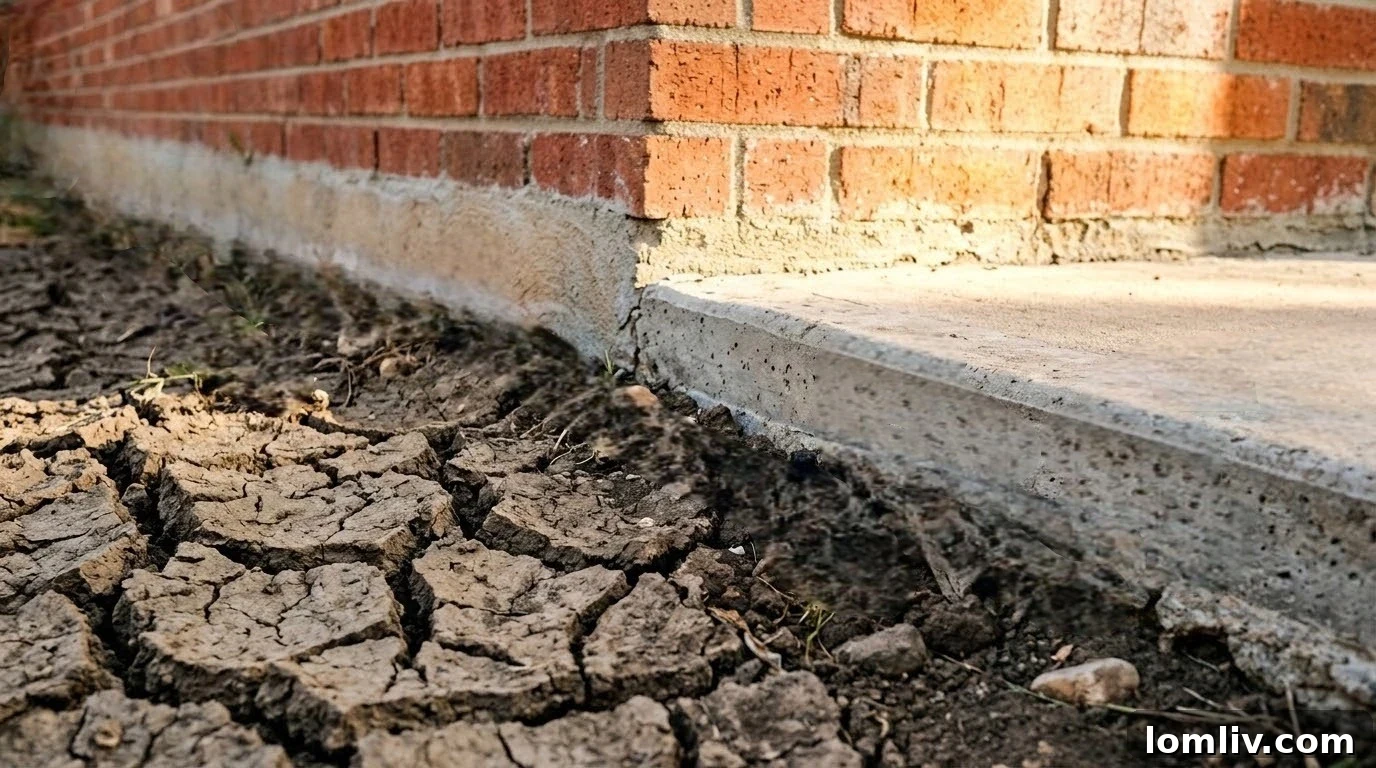
Extended periods of high heat do more than raise cooling bills; they can change the moisture content of soils beneath foundations. Much of North Texas sits on expansive clay that swells when wet and shrinks when dry. During hot, dry stretches the soil can pull away from foundation walls, reducing support under parts of a house.
That movement is often gradual but can produce serious consequences: cracks in walls, doors that stick, uneven floors, and gaps around windows and trim. Homeowners sometimes treat these signs as cosmetic, when they may indicate foundation distress tied to soil moisture changes. Effective mitigation is climate-specific and includes consistent foundation watering where appropriate, targeted moisture management around the foundation, and choosing roofing and exterior materials that reflect heat and reduce thermal stress.
Storm Systems Create Long-Term Exterior Damage
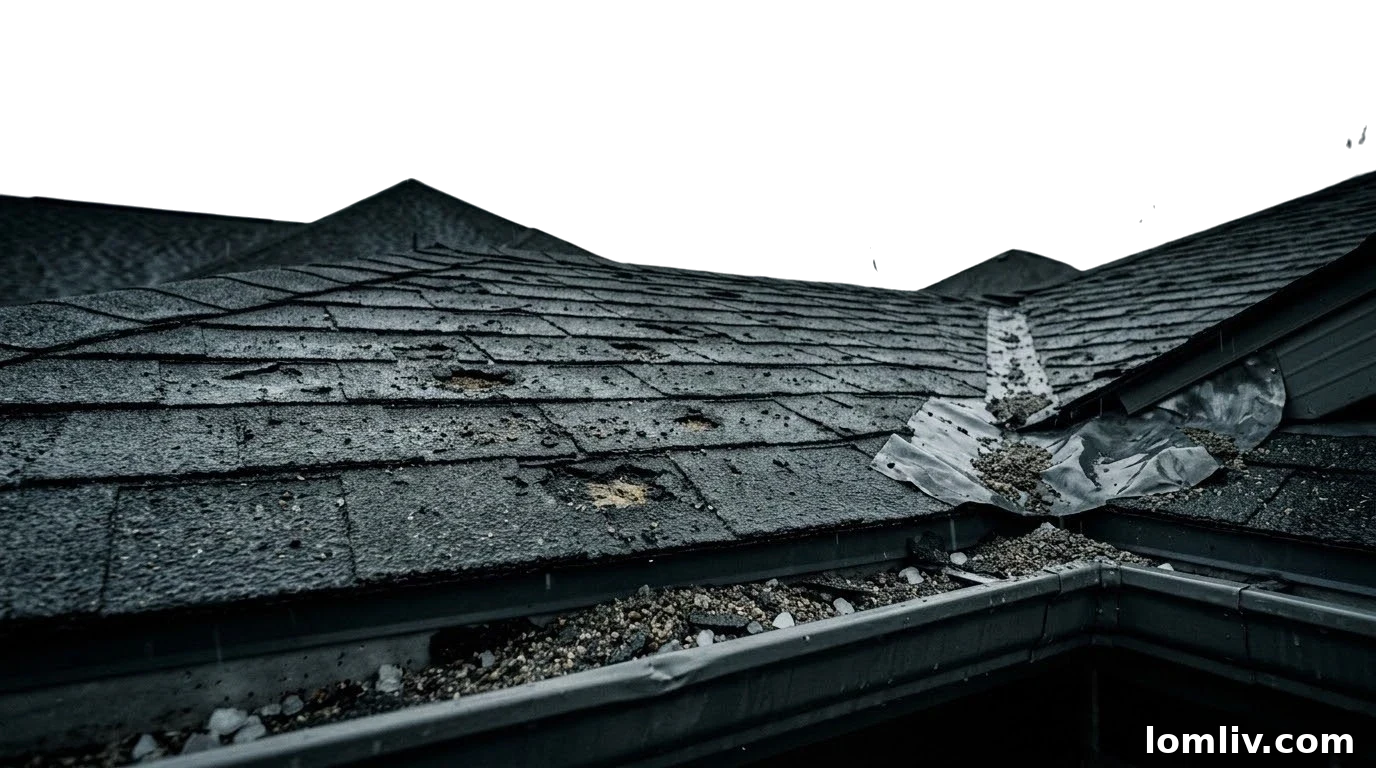
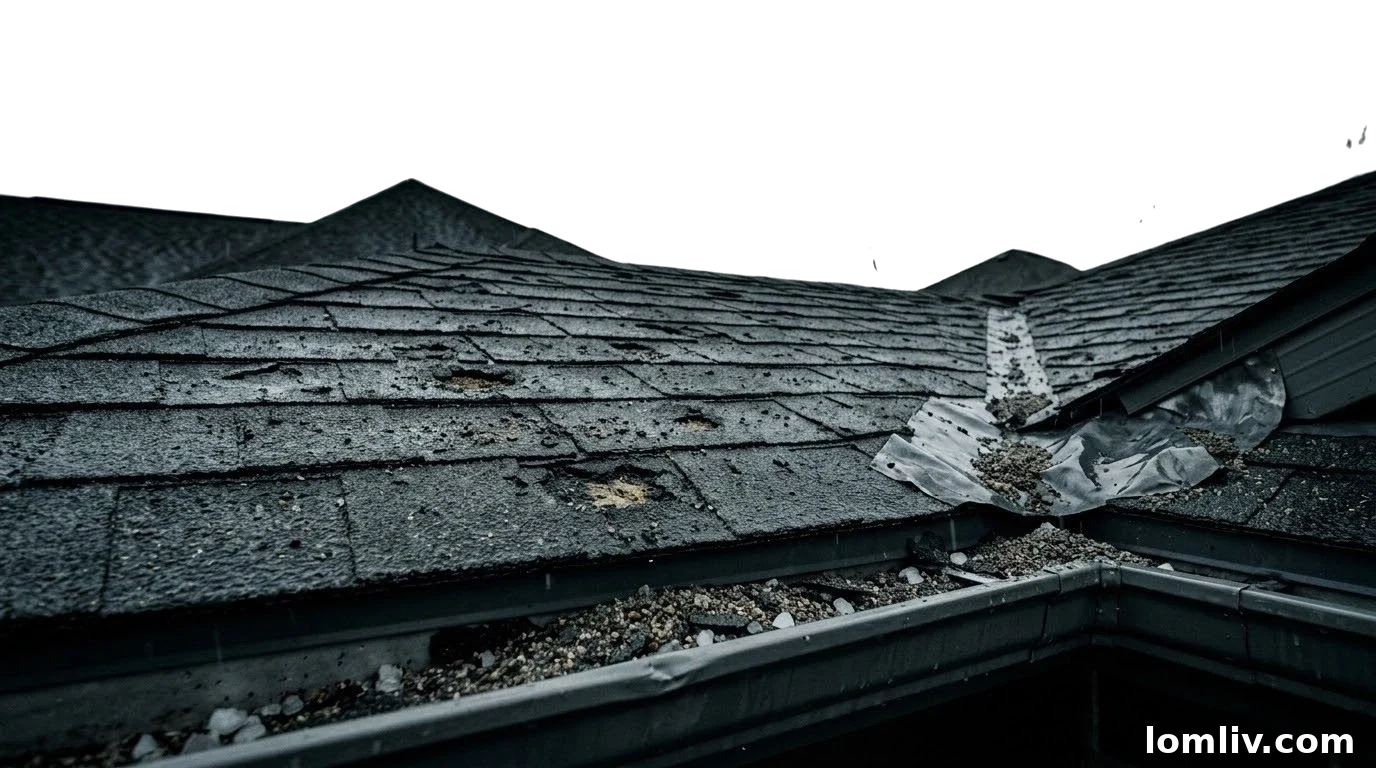
Spring and early summer storms in North Texas commonly bring hail, heavy rain, strong winds, and sudden temperature shifts. These events frequently harm a home’s exterior in ways that may not be obvious right away.
Roofs are especially vulnerable. Hail can remove protective granules from shingles and reduce their lifespan, while wind can loosen shingles, flashing, gutters, and trim. Small, unrepaired storm damages often worsen over time: a compromised roof covering can allow water infiltration that shows up months later as stains, wet insulation, or mold.
Regular post-storm inspections and timely repairs protect against escalating damage and preserve a property’s value. Documenting storm-related issues also helps when filing insurance claims or assessing long-term maintenance needs.
Humidity and Moisture Create Problems Beyond Mold
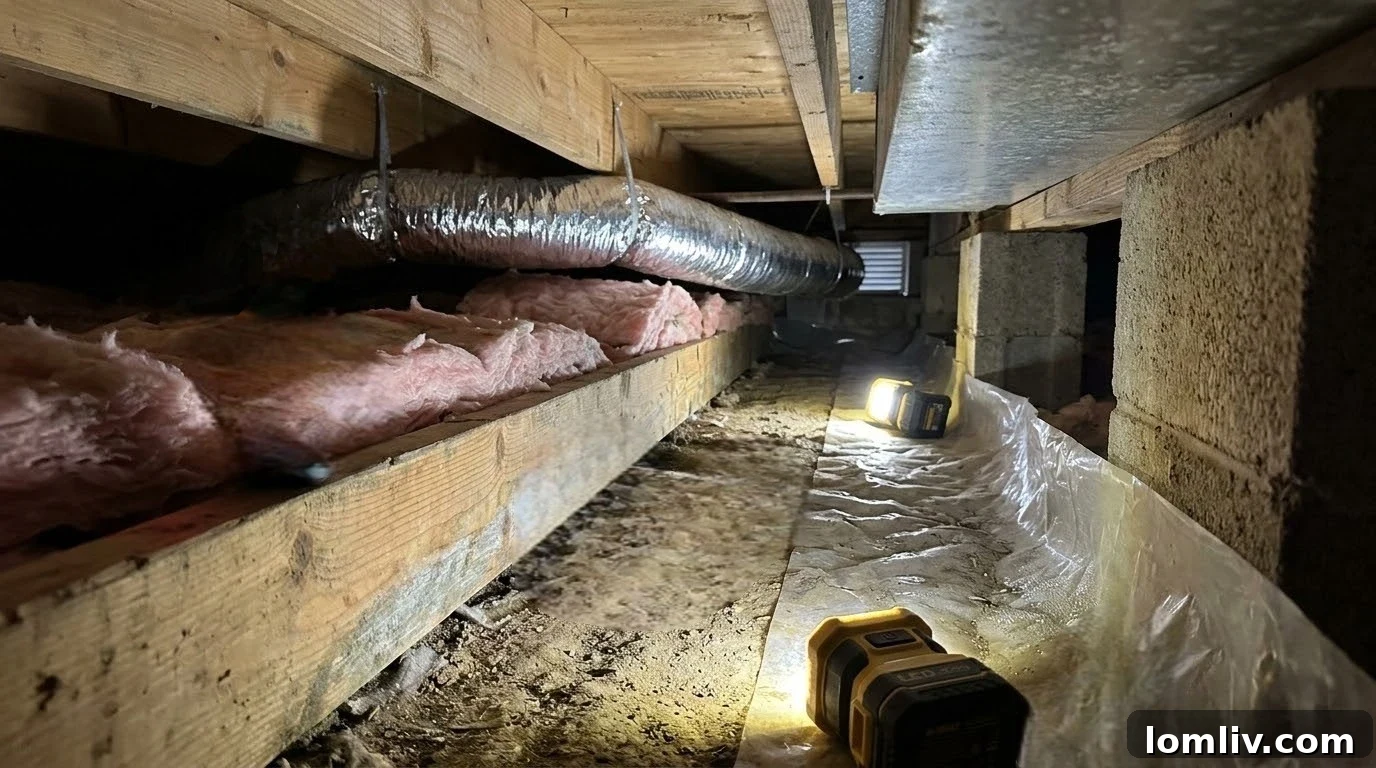
Although North Texas isn’t humid year-round, moisture issues still arise, especially after storms or during seasonal transitions. Poorly ventilated spaces—bathrooms, attics, crawl spaces, and garages—are prone to trapped humidity, which leads to mildew, decayed wood, damaged insulation, musty odors, and degraded indoor air quality.
Exterior landscaping plays a role too. Shrubs, vines, or dense plantings placed too close to siding or foundation walls can hold moisture against the house, creating favorable conditions for pests, mold growth, and wood rot. Proper clearance, adequate ventilation, and moisture control measures help prevent these problems before they become expensive repairs.
Drainage Design Has Become a Property Value Issue
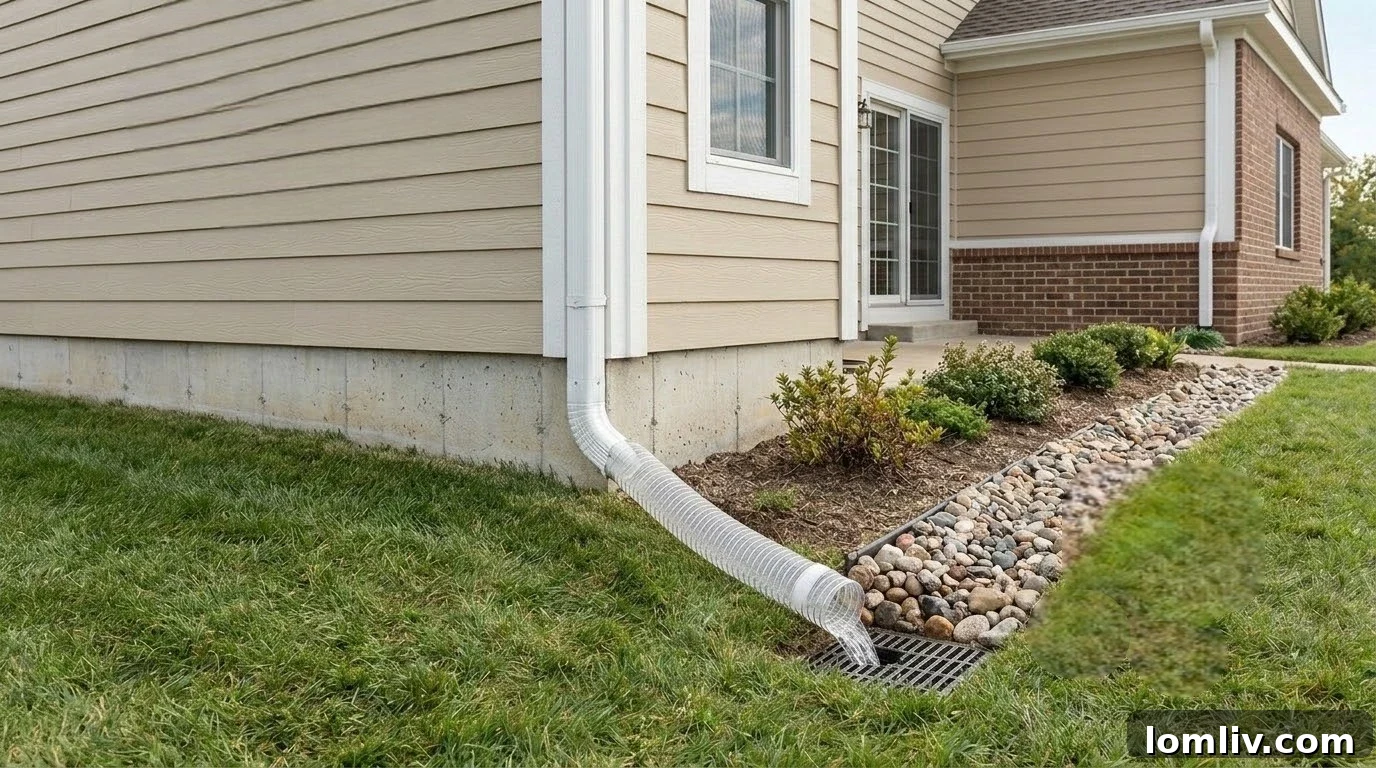
Intense rain events have highlighted shortcomings in grading, runoff management, and neighborhood drainage systems. Poor drainage is rarely limited to landscaping concerns: water pooling near foundations increases hydrostatic pressure against structural walls and accelerates soil movement and instability.
Standing water can damage patios, driveways, fences, and underground utilities over time. As awareness grows, buyers and appraisers pay closer attention to drainage patterns and historic flooding in a neighborhood. Investing in proper grading, gutters and downspouts, French drains, or other runoff solutions is increasingly seen as essential to maintaining property condition and marketability.
Outdoor maintenance extends beyond water control. Pest activity often spikes after heavy rain and heat, so seasonal plans should include steps to reduce breeding sites and protect outdoor living areas while preserving landscape health.
Endnote
Climate-driven maintenance is a practical necessity in North Texas. Heat affects soil stability, storms damage exterior materials, humidity accelerates deterioration, and inadequate drainage can lead to long-term structural issues. Homeowners who adopt preventive, climate-aware maintenance strategies are better positioned to protect both the condition and value of their properties.