

Florida Couple’s Dream Home Becomes a Cat Urine Nightmare: Undisclosed Contamination Leads to Lawsuit
The journey to homeownership is often envisioned as a thrilling pursuit, culminating in the joy of moving into a fresh, inviting space. Yet, for one unsuspecting couple in Valrico, Florida, this dream quickly dissolved into a malodorous nightmare. Daniel McKay and Katherine Pulker, newlyweds eager to settle into their new abode, allege that their recently purchased home reeked not of fresh paint or new beginnings, but of an overwhelming, pervasive cat urine odor – a devastating secret they claim was intentionally concealed by the listing agent.
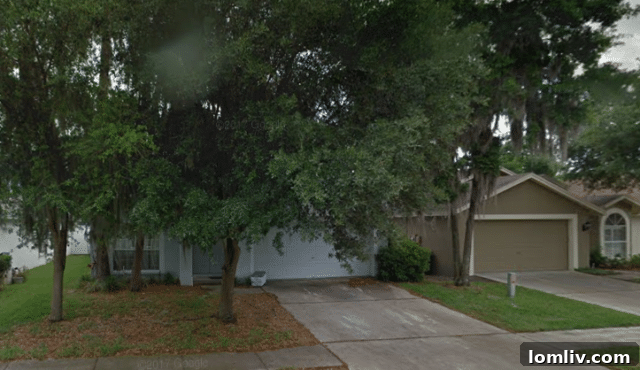
The couple closed on their Valrico home in April, anticipating a serene start to their married life. According to a lawsuit filed on July 20 in Hillsborough Circuit Court, the property initially appeared clean and well-maintained. However, this façade crumbled shortly after they began removing the numerous plug-in air fresheners strategically placed throughout the house. It was then that the true, pungent reality of their new home began to manifest, leading them to believe that Deborah Clark, the listing agent from Link Realty, had failed to disclose critical information about the property’s true condition.
The Unveiling of a Feline Fiasco: Realtor Accused of Cat Hoarding
The lawsuit details a shocking series of events that paints a disturbing picture of the property’s history. It alleges that Ms. Clark was actively involved in a “cat rescue” operation within Hillsborough County, a venture dedicated to collecting and caring for feral, stray, and abandoned cats. Prior to the McKays’ purchase, and while the property was reportedly vacant, Ms. Clark allegedly housed a multitude of these rescued cats at the property, entirely unsupervised. This initial period of cat occupancy set the stage for the extensive damage that would later be discovered.

The situation reportedly escalated when Ms. Clark then rented the home to a tenant on behalf of the sellers. The suit claims that this tenancy came with an unusual condition: the tenant was required to house several cats for several years, ostensibly in exchange for reduced rent. This arrangement, the lawsuit argues, further contributed to the catastrophic contamination of the property, transforming it into a breeding ground for unsanitary conditions.

During the course of this alleged tenancy, the property became home to an astonishing number of felines, with the suit claiming that “as many as 15-25 cats” resided there simultaneously. Crucially, the McKays allege that Ms. Clark was not only aware of this substantial cat population but actively participated in their care, even assisting with feeding them. This alleged intimate knowledge of the property’s true occupancy history and the resulting conditions forms a cornerstone of the couple’s legal complaint, highlighting a significant breach of disclosure responsibilities.

The Devastating Extent of Cat Urine Contamination and Damage
The sheer number of cats living in the property for an extended period resulted in severe, widespread contamination. The lawsuit vividly describes the destructive impact: “The presence of the multitude of cats in the property resulted in extreme contamination of the home with cat urine, including saturation of drywall and insulation with cat urine, and destruction of the HVAC system due to urination in floor duct(s).”
Cat urine, particularly when allowed to soak into porous materials, is notoriously difficult to remove. Its pungent odor is caused by uric acid crystals that bind to surfaces, and over time, ammonia and sulfur compounds are released, intensifying the smell. Beyond the unbearable stench, prolonged exposure to cat urine can lead to significant structural damage. Drywall, insulation, and even wooden sub-floors can absorb the urine, leading to rot, mildew, and persistent bacterial growth. Furthermore, the infiltration of urine into the HVAC system is particularly insidious, as it allows contaminated air to circulate throughout the entire home, posing serious health risks to occupants and making the property virtually uninhabitable.

Alleged Cover-Up: Masking the Malice Beneath New Surfaces
The McKays contend that the listing agent, Deborah Clark, went to considerable lengths to obscure the extensive damage. The lawsuit alleges that she attempted to cover up the pervasive contamination by installing new carpet, replacing baseboards, and painting over the saturated drywall and insulation. Crucially, the excessive use of air fresheners, which initially masked the overpowering smell, is presented as a key part of this alleged concealment strategy. These cosmetic repairs, while making the house appear fresh on the surface, did nothing to address the deep-seated issue of urine saturation within the building’s core materials.
Indeed, a quick review of the remains of the listing on Zillow corroborates that the home had recently received updates such as new baseboards, fresh paint, and new carpeting. While these upgrades might seem like attractive features to a prospective buyer, in this context, they are being presented as deliberate attempts to disguise significant, undisclosed material defects that would undoubtedly impact the property’s value and habitability.
The Unbearable Truth: From Faint Odor to Uninhabitable Home
Initially, the couple did not notice the severe odor before the purchase, likely due to the alleged masking efforts. However, the smell became unmistakably clear soon after moving in. When confronted, the Realtor allegedly agreed to replace the air conditioning unit and ductwork, even asking Mr. McKay to obtain a quote for the necessary work. This offer, while seemingly helpful, could also be interpreted as an attempt to address a symptom without revealing the root cause.
As the air fresheners were removed and the underlying stench grew more intense, Mr. McKay’s suspicions deepened. The lawsuit describes his investigation: “When Mr. McKay learned of the presence of hoards of cats in the Property, he began investigating the extent of the urine damage. He noticed that the smell was strongest near the floor, so he removed the newly installed baseboards.” This courageous act of investigative discovery led to a horrifying revelation. He was immediately “overpowered by the stench of cat pee” and observed that the drywall and insulation at floor level were thoroughly soaked with urine, undeniable evidence of widespread contamination. Further inspections confirmed that even the sub-floor beneath was saturated.
The grim conclusion drawn from these discoveries is stark and heartbreaking: “The Property is currently uninhabitable.” This declaration highlights the severe financial and emotional distress inflicted upon the newlyweds, who now own a property that cannot be lived in without extensive, costly, and complex remediation.
Legal Recourse: Suing for Negligence, Non-Disclosure, and Breach of Contract
In response to this harrowing ordeal, Daniel McKay and Katherine Pulker are suing Deborah Clark and Link Realty. Their lawsuit brings forth several serious allegations, including negligence, failing to disclose hidden defects that materially affect the value and habitability of the property, and breach of contract. Real estate agents in Florida, like in many other states, have a legal and ethical duty to disclose all known material facts concerning a property that are not readily observable by a buyer. A pervasive cat urine infestation that renders a home uninhabitable undoubtedly qualifies as a material defect. The alleged concealment of such a significant issue, coupled with the agent’s purported involvement in the conditions that led to the damage, forms the basis of these legal claims.
The consequences for the McKays are profound. They are left with a significant financial burden, facing potentially tens of thousands of dollars in remediation costs, loss of use of their home, and immense emotional strain. Their lawsuit seeks to hold the parties responsible accountable for their alleged actions and omissions, aiming to recover damages for the financial losses incurred and the disruption to their lives.
Essential Safeguards for Homebuyers: Lessons from a Feline Fiasco
This case serves as a critical cautionary tale for all prospective homebuyers, emphasizing the paramount importance of thorough due diligence and vigilance during the home buying process:
- Beyond the Visual: The Power of Thorough Home Inspections: Never rely solely on cosmetic appearances. While a fresh coat of paint and new carpet can be appealing, they can also mask serious underlying issues. Invest in a comprehensive home inspection by a reputable, independent inspector. Consider specialized inspections if there are any red flags, such as unusual odors or signs of recent, superficial renovations.
- Trust Your Senses – Especially Your Nose: If you detect any unusual or persistent odors, even if faint, do not dismiss them. Strong scents from air fresheners, candles, or even recent cooking could be attempts to cover up deeper problems. Ask questions, investigate the source, and if possible, revisit the property after it has been aired out.
- Understand Disclosure Laws: Familiarize yourself with your state’s property disclosure laws. Sellers and their agents typically have a legal obligation to disclose known material defects. Pay close attention to the seller’s disclosure statement and ask for clarification on any ambiguous points.
- Beware of Quick Fixes: Be wary of properties that have undergone very recent, extensive cosmetic renovations just before being listed for sale, especially if they seem disproportionate to other features or the age of the home. While some updates are legitimate, others can be cover-ups.
- Document Everything: Keep meticulous records of all communications, inspection reports, and any agreements made with sellers or agents. This documentation can be invaluable if issues arise after closing.
- Consider Legal Counsel: For significant transactions, especially if you have any doubts or concerns, consulting with a real estate attorney before closing can provide an added layer of protection and help you understand your rights and responsibilities.
The McKays’ ordeal is a stark reminder that the excitement of buying a home should always be tempered with careful scrutiny. A dream home should never become a health hazard or a financial drain due to undisclosed damage.