By Donovan Westover
Special Contributor
Discovering the Architectural Majesty of the Kimple House in Historic Oak Cliff, Dallas
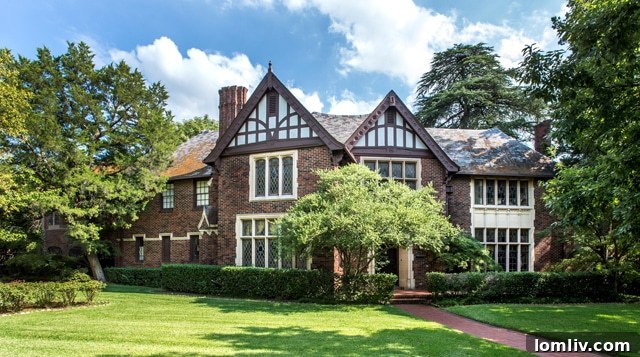
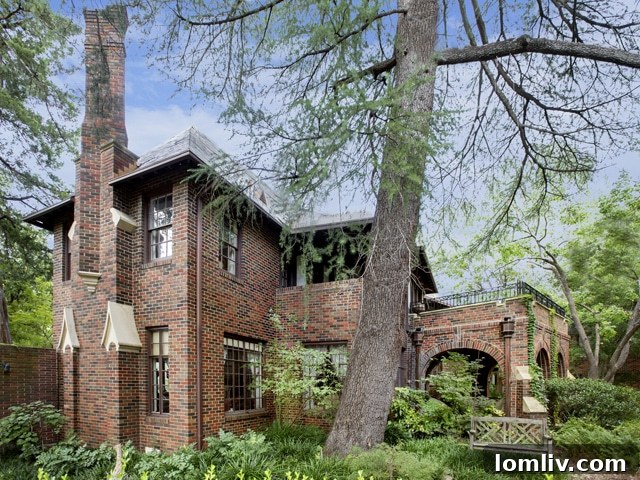
Nestled along the picturesque Colorado Boulevard, just east of the Stevens Park Golf Course, lies a stretch of road renowned for its captivating beauty and challenging topography. This winding path through the heart of Oak Cliff, Dallas, is a veritable corridor of architectural treasures, each standing as a testament to the city’s rich history and diverse design heritage. Among the significant historic homes in Dallas that grace this boulevard—including the stately Binsford at 1704 Colorado, the elegant Cavitt at 1535 Colorado, and the distinguished Skillern House at 1177 Lausanne—one particular residence consistently captures the attention of passersby. This is the magnificent English Tudor at 1414 West Colorado Boulevard, a structure so imposing and gracefully integrated with its landscape that it seems to turn the very corner with you, leaving an indelible impression.
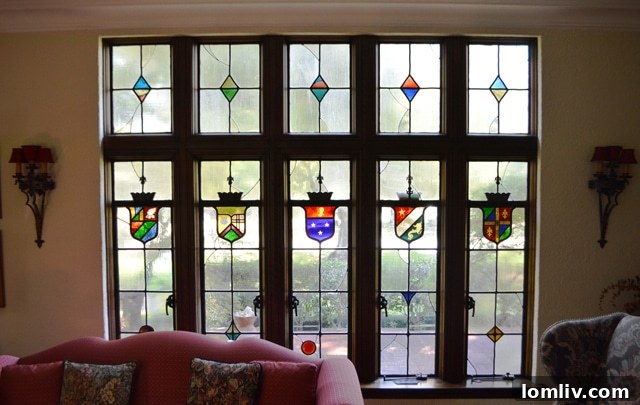
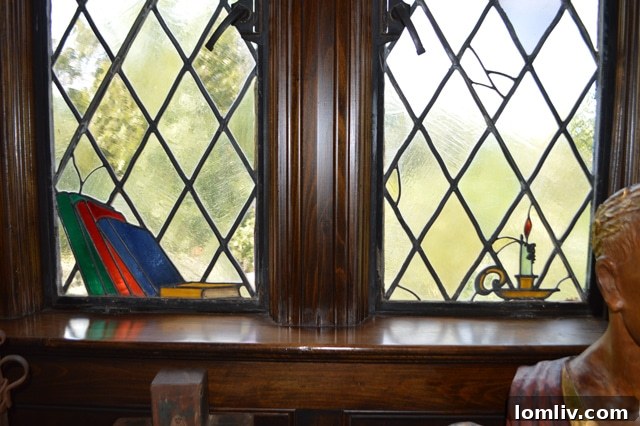
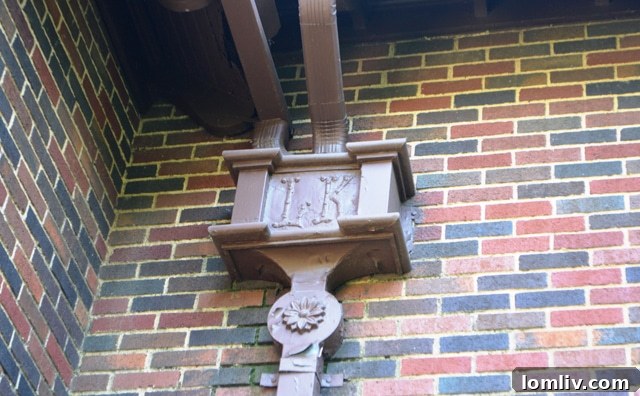
The Kimple House, as it’s known, is a quintessential example of Tudor Revival architecture, a style that evokes the charm and grandeur of English country estates. Its striking design features an impressive “elbow” at the front, from which two distinct wings majestically protrude. Each wing is a masterpiece of half-timbering, showcasing steeply pitched gables that soar towards the sky, punctuated by massive, ornate chimneys. A rich spectrum of cast stone elements adorns its facade, adding layers of texture and historical authenticity. Yet, for many Dallas architecture enthusiasts, it’s the leaded casement windows that truly set this home apart. These intricate windows, with their classic leading patterns and occasional bursts of stained glass shapes, crests, and vignettes, are more than mere openings; they are works of art that tell a story, adding unparalleled character and historical depth to this remarkable Oak Cliff residence. Even if Tudor is not typically your preferred architectural style, the commanding presence of the Kimple House is undeniable, a true landmark in Dallas’s architectural landscape.
Beyond its striking exterior, the history of the Kimple House is equally fascinating. Built in 1931 for Louie Kimple, one of the astute founders of the Dixie Wax Paper Company, this home reflects a period of significant growth and prosperity in Dallas. The construction of such an elaborate residence speaks to the success and vision of its original owner, leaving behind a tangible legacy for generations to admire. Kimple entrusted the design of his grand estate to the esteemed architectural firm of Carsey & Linskie, a name synonymous with significant Dallas projects of the era. Their expertise in blending historical styles with modern comforts resulted in a home that was both grand and functional. A minor yet thoughtful addition in 1944 expanded the residence to well over 4,000 square feet, enhancing its spaciousness while meticulously preserving its original architectural integrity. This firm’s versatile talent is further evidenced by their design of the old White Rock Lake Bath House Cultural Center, completed just the year before the Kimple House, which stands as one of the earliest and most iconic Art Deco structures in the Southwest, showcasing their broad architectural range.
A Legacy of Meticulous Preservation: Inside the Kimple House
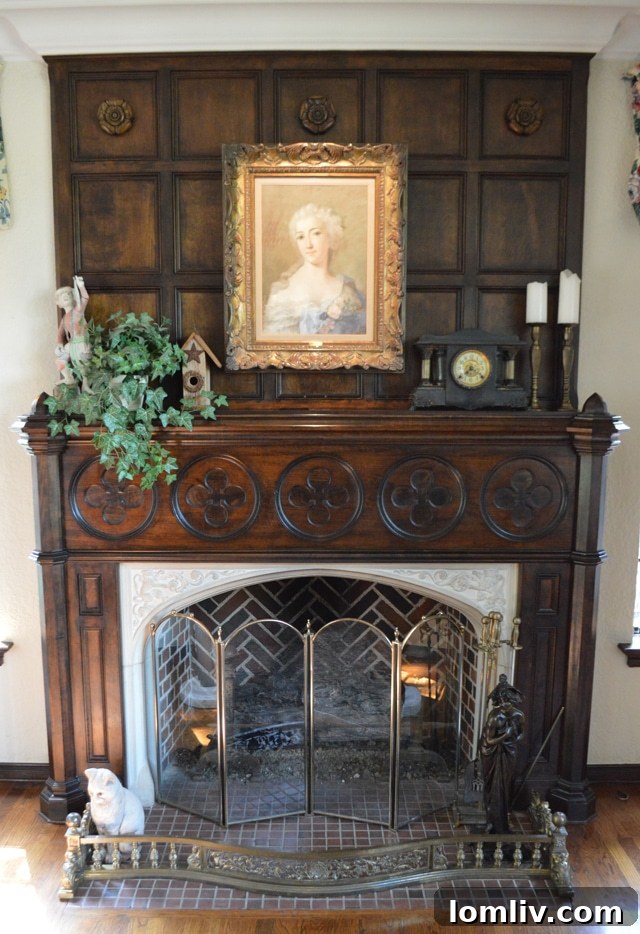
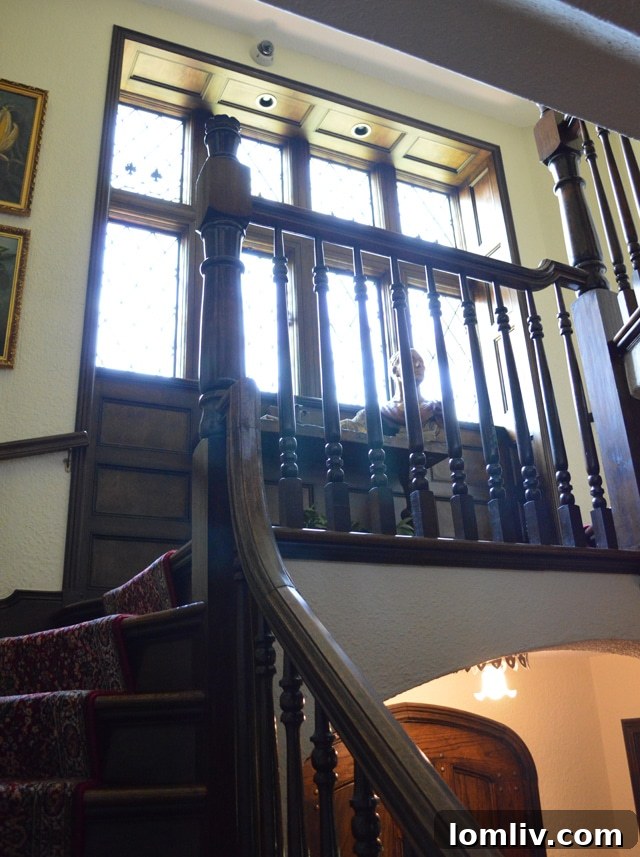
The current owner, the fourth steward of this magnificent property, has resided at the Kimple House for 26 years, demonstrating an unwavering commitment to its preservation. Their dedication is evident in every detail; the home is meticulously maintained, both inside and out, a truly challenging feat given its extensive features. Stepping inside, one is immediately struck by the abundance of original elements that have been lovingly preserved. The historic windows, a particular passion for many architectural aficionados, remain intact, showcasing their original leaded patterns and occasional delicate stained-glass accents. The patterned plaster ceilings are breathtaking, often featuring bespoke designs that speak to the craftsmanship of the early 20th century.
One of the most remarkable and unique features of the Kimple House is the extensive use of Magnolia wood throughout its interior. Far from a common choice, this rich and distinctive wood graces many of the home’s original elements, contributing significantly to its unique character and luxurious feel. From elegant staircases to intricate paneling, the Magnolia woodwork lends a warm, inviting, and sophisticated ambiance to every room. This truly remarkable historic property in Oak Cliff, with its combination of original grandeur and thoughtful stewardship, truly “has it all.”

The Enchanting Outdoor Oasis: Gardens and Serenity
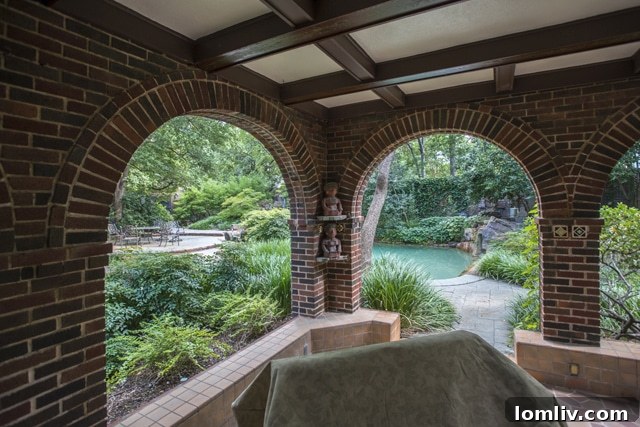
While the front facade of the Kimple House commands attention with its historical grandeur, one might initially expect the rear landscape to be more understated. However, this assumption would be wonderfully incorrect. Under the dedicated care of its current owner over the past 26 years, the backyard has been transformed into a breathtaking, multi-layered oasis. It’s a true masterpiece of landscape design, offering a serene escape that complements the home’s interior elegance.
The centerpiece of this outdoor sanctuary is a stunning swimming pool, complete with a charming grotto and a relaxing hot tub, serving as an anchor for a series of thoughtfully designed walking paths, intimate seating vignettes, and vibrant gardens. Exploring this space is a journey in itself, with discoveries at every turn. From the ground-level patios that invite leisurely gatherings to the multiple rear balconies offering elevated perspectives of the lush surroundings, every corner exudes a sense of tranquility and carefully curated beauty. It’s an environment where one finds pure Zen, a testament to the seamless integration of natural beauty and refined outdoor living, making it a standout among Dallas’s most beautiful private gardens.

Preserving Dallas’s Heritage: The Fall Architectural Tour
Assembling historic home tours in a vibrant, rapidly developing city like Dallas presents unique challenges. Organizations like Preservation Dallas strive to showcase the adaptability of historic homes for modern lifestyles, demonstrating how these architectural gems can seamlessly integrate contemporary living without compromising their inherent character. However, the delicate balance lies in highlighting respectful updates while avoiding insensitive modifications that diminish a home’s historical value. Dallas, known for its “big-thinking” ethos, often gravitates towards the shiny and new, or the creation of imposing privacy walls and gates that inadvertently isolate its architectural treasures.
It is within this context that Preservation Dallas is especially proud and fortunate to include the Kimple House as a highlight of its stellar Fall Architectural Tour. This exceptional opportunity allows the public to step inside and experience the grandeur of this historic Dallas home on Saturday, October 29, from 10 a.m. to 2 p.m. The tour promises an unparalleled glimpse into Dallas’s rich architectural past, with the Kimple House standing as a beacon of thoughtful preservation.
The general tour features five distinct houses, each offering a unique perspective on Dallas’s architectural evolution. Among them are the acclaimed Cupaioli House, the elegant Vaughn residence, and the notable Jones House at 3900 Mockingbird Lane. For patrons, an additional exclusive tour house awaits, complementing a special patron party held at the iconic Hess House. These tours collectively underscore the tireless efforts of organizations dedicated to celebrating and safeguarding Dallas’s invaluable architectural heritage, ensuring that these stories in brick and mortar continue to inspire and educate.
The Enduring Legacy of Jon Carsey: A Dallas Architectural Titan
On a related note, the architect behind the original Kimple House design, Jon Carsey (of Carsey & Linskie), left an indelible mark on the architectural landscape of Dallas and Texas. His prolific career spanned decades, showcasing an extraordinary versatility that saw him design in a myriad of styles, from Colonial and Tudor to Neoclassical and International. Carsey’s creations are sprinkled throughout Dallas, each building a testament to his adaptability and innovative spirit.
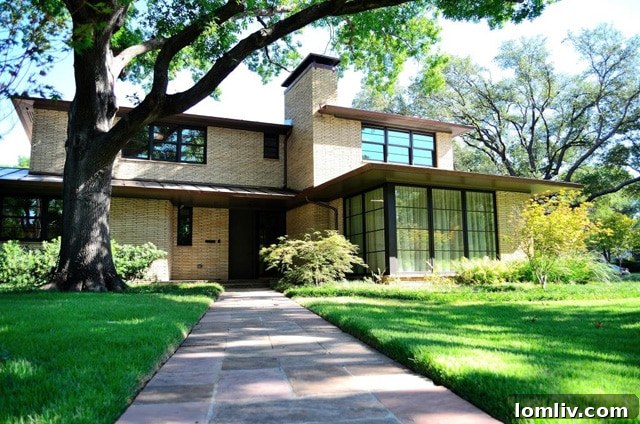
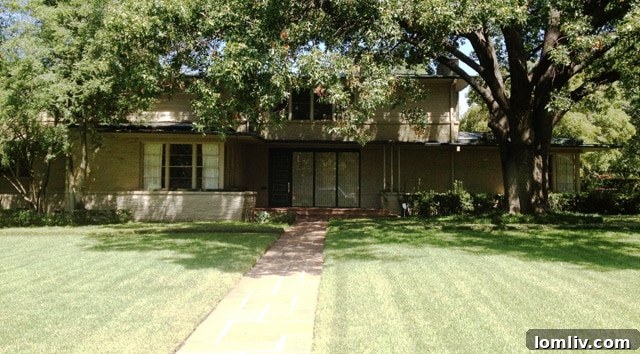
Among his most iconic designs are two significant mid-century modern homes nestled in the prestigious Greenway Parks neighborhood: the 1951 Prior House at 5381 Waneta Drive and the 1950 Simmons House at 5343 Wateka Drive. These residences exemplify his mastery of different architectural periods and his lasting impact on the city’s built environment. Understanding the work of architects like Jon Carsey helps us appreciate the layers of history embedded in Dallas architecture, from the grand Tudor Revival of the Kimple House to the sleek lines of mid-century modernism.