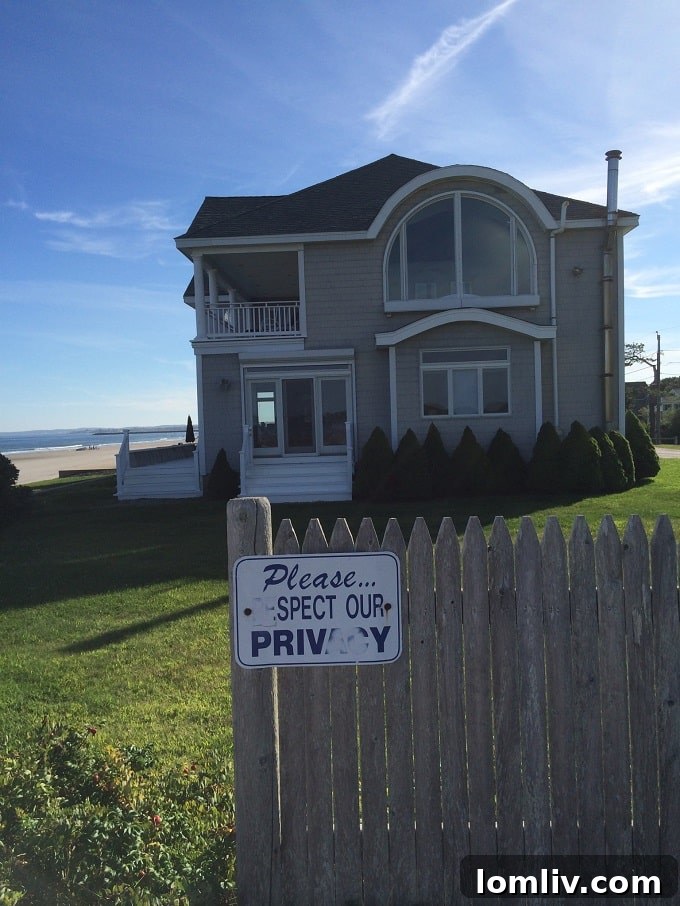
The Glass House Dilemma: Striking a Balance Between Breathtaking Views and Cherished Privacy
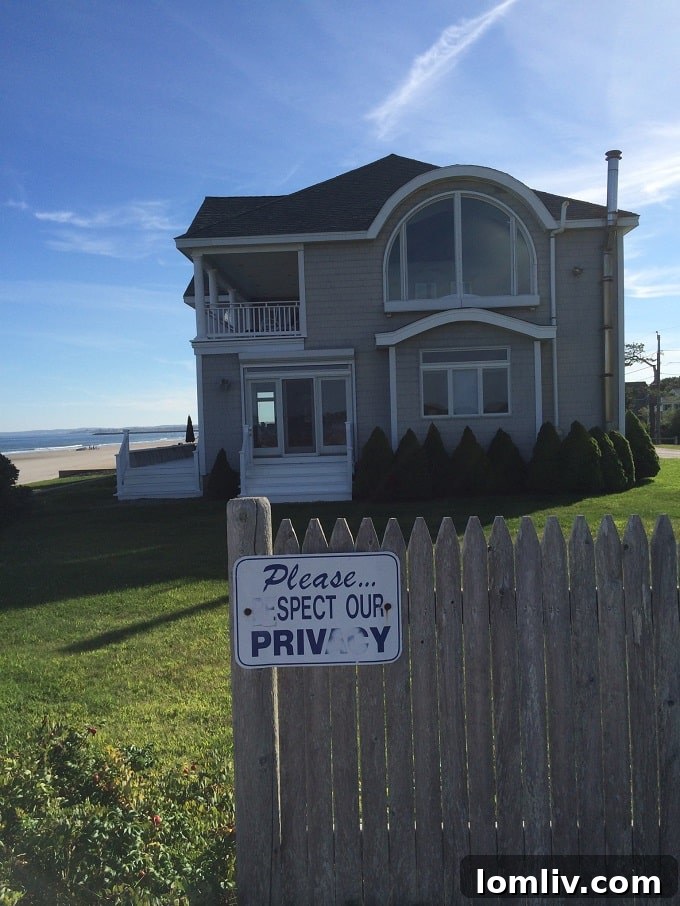
If you build it, can they look?
Imagine waking up to the gentle roar of the ocean, the first rays of sunlight painting the vast expanse of the sea in hues of gold and rose. This dream often fuels the desire for a beach house, a sanctuary where one can feel intimately connected to the natural world. For many, the ultimate expression of this connection comes in the form of a glass beach house – a magnificent structure designed to blur the lines between indoor comfort and outdoor splendor. Walls of shimmering glass offer unobstructed panoramic views, transforming the ever-changing seascape into living art. Yet, this very transparency, while incredibly appealing, introduces a profound question that homeowners must grapple with: How do you maintain a sense of cherished privacy when your home is essentially a beautifully designed showcase for the world to see?
The Irresistible Allure of Glass Beach Houses
Modern architectural trends have increasingly favored minimalist designs, an abundance of natural light, and a seamless integration with the surrounding environment. Glass beach houses embody these principles perfectly. They are often breathtaking feats of engineering and design, offering residents an unparalleled experience of coastal living. From sprawling ocean views to vibrant sunsets and the tranquil rhythm of the tides, every moment is magnified and brought indoors. These homes maximize natural light, significantly reducing the need for artificial lighting during the day and creating an expansive, airy atmosphere that is both luxurious and deeply comforting. The feeling of being “one with nature,” while still enjoying the comforts of a high-end residence, is a primary driver behind their surging popularity. It’s an architectural statement that celebrates transparency and the inherent beauty of the location.
Navigating the Privacy Paradox: The “Fishbowl Effect”
However, the very elements that make glass beach houses so desirable – their openness and transparency – are also their greatest challenge when it comes to privacy. Living in a home with extensive glass walls can sometimes feel like residing in a magnificent “fishbowl.” Passersby on the beach, boats cruising offshore, and even distant neighbors can have a direct line of sight into your personal space. This creates what is known as the privacy paradox: the fundamental human need for seclusion and personal sanctuary conflicting directly with the desire for an open, light-filled home. The question of “If you build it, can they look?” isn’t merely hypothetical; it’s a daily reality for many glass house residents. This constant visibility can lead to a feeling of vulnerability, potentially impacting the sense of relaxation and intimacy that a home should inherently provide. Homeowners often find themselves weighing the benefit of uninterrupted views against the discomfort of feeling continuously observed.
Defining Privacy in a Coastal Context
Privacy isn’t a monolithic concept; it encompasses various dimensions, including visual privacy (freedom from unwanted observation) and auditory privacy (freedom from unwanted sounds). In a coastal setting, these dimensions are often compounded by public access to beaches and waterways. While homeowners enjoy private property rights, the proximity to public areas means that the “expectation of privacy” can differ significantly from a more secluded inland property. Understanding local zoning laws, setback requirements, and public access easements is crucial. The boundary between public view and private enjoyment becomes a delicate tightrope walk, requiring thoughtful consideration from both designers and homeowners. It’s a nuanced negotiation between public rights and private sanctity.
Architectural Innovations: Designing for Seclusion in Glass Homes
Fortunately, architects and designers are constantly innovating to address the privacy concerns of glass beach houses without compromising their aesthetic appeal or the breathtaking views. Thoughtful design can integrate layers of privacy from the very foundation of the structure, ensuring that seclusion is a built-in feature rather than an afterthought:
- Strategic Orientation and Layout: One of the most fundamental design strategies involves carefully positioning the house on the lot and arranging interior spaces to minimize direct lines of sight from public areas. Private zones like bedrooms and bathrooms can be placed further from public views or oriented towards more secluded parts of the property, such as an interior courtyard or a private garden. Elevated foundations can also provide a natural barrier from ground-level onlookers, subtly lifting the private spaces above the common sightlines.
- Smart Glass Technology: One of the most cutting-edge and elegant solutions available today is electrochromic glass, commonly referred to as “smart glass.” With the flick of a switch or a command from a smart home system, these panes can instantly transition from perfectly transparent to translucent or even fully opaque. This offers on-demand privacy without the need for traditional blinds or curtains, allowing residents to control their visibility with unparalleled ease and speed.
- Frosted and Patterned Glass: For areas requiring consistent privacy, such as bathrooms, dressing areas, or along sections of walls that face public pathways, frosted, etched, or patterned glass can be an ideal solution. These types of glass admit ample natural light while effectively obscuring views, providing a sense of openness without sacrificing modesty.
- Recessed and Overhanging Structures: Incorporating architectural elements like deep overhangs, recessed balconies, or cantilevered sections can provide strategic shade and create effective visual breaks. These structural elements subtly limit the angles from which the interior can be viewed, adding a layer of privacy without resorting to solid walls.
- Varying Window Heights and Sizes: Not every wall needs to be floor-to-ceiling glass. A balanced approach might involve using clerestory windows high up for natural light and ventilation, while lower sections feature solid walls or strategically placed smaller windows. This allows for controlled views and targeted privacy where it’s most needed.
Landscape Design: Nature’s Ultimate Privacy Screen
Beyond the structure itself, intelligent landscape design plays a pivotal role in creating a private oasis around a glass beach house. Nature can be a homeowner’s best ally in achieving seclusion, offering beauty and functionality:
- Dense Vegetation and Hedges: Planting native trees, shrubs, and dense hedges can form natural, living barriers, effectively screening the property from public view while simultaneously enhancing the coastal aesthetic. Species like sea grapes, various palms, or salt-tolerant evergreens can provide effective privacy screens that grow and mature over time, integrating seamlessly with the environment.
- Strategic Berms and Earthworks: Gently sculpted earth berms can elevate parts of the landscape, creating subtle visual obstacles and adding an interesting topographic element to the property. These can be particularly effective in redirecting sightlines without building intrusive walls.
- Pergolas and Trellises: Incorporating pergolas adorned with climbing vines or trellises with dense foliage can create semi-private outdoor living spaces. These structures offer shaded retreats and visual breaks, extending the private domain beyond the interior walls of the house.
- Fencing and Walls (with Sensitivity): While often restricted in height near beaches due to local regulations or a desire to maintain views, thoughtfully designed fences or low walls can define property boundaries and offer an initial, subtle layer of privacy. It’s crucial to choose materials that complement the home’s architecture and the natural environment, ensuring they enhance rather than detract from the overall design.
- Water Features and Sound Masking: The gentle, ambient sound of a water feature, such as a fountain or a small pond, can help mask external noises from the beach or public pathways. This acoustic buffering contributes significantly to a sense of tranquility and auditory privacy, completing the serene atmosphere.
Technology’s Seamless Integration for Modern Privacy Solutions
In the era of smart homes, technology offers even more sophisticated privacy solutions that are both practical and discreet. Automated window treatments, such as motorized blinds, shades, or draperies, can be programmed to open and close at specific times of the day or be controlled remotely via a smartphone app. This provides instant privacy and light control, adapting effortlessly to changing needs throughout the day. Integration with environmental sensors can even trigger these systems based on sunlight intensity, external temperature, or time of day, offering a seamless and effortless approach to managing visibility and light. Furthermore, advanced security systems with discrete cameras and motion sensors can provide enhanced peace of mind without overtly compromising the home’s open and integrated feel.
The Homeowner’s Dilemma: Privacy Signs or Silent Solutions?
This brings us back to the original question posed by the linked article: “Should people who live in glass beach houses post privacy signs?” The answer is complex and often deeply personal, influenced by individual comfort levels and local cultural norms. Some homeowners might consider signs that politely request privacy, similar to those found in private gardens or estates. The pros might include clearly communicating boundaries and potentially deterring overly curious onlookers. However, the cons are significant: signs can detract from the aesthetic beauty of the home, imply a confrontational stance, and paradoxically, draw *more* attention to the property. Moreover, they might not be entirely effective against determined observers. Many homeowners prefer to implement “silent solutions” – a combination of architectural, landscape, and technological measures – that provide effective privacy without explicit signage, maintaining the serene and integrated feel of their coastal sanctuary and allowing the design to speak for itself.
Balancing Aesthetics, Functionality, and Personal Comfort
Ultimately, designing and living in a glass beach house is about finding the perfect equilibrium between breathtaking aesthetics, practical functionality, and personal comfort. It requires a clear understanding of one’s own privacy needs and an honest assessment of the site’s unique characteristics. Collaborating with experienced architects and landscape designers who specialize in coastal properties is paramount. They can leverage their expertise to create a home that maximizes spectacular views while cleverly integrating multiple layers of privacy, ensuring that the dream of open coastal living doesn’t come at the expense of personal serenity. Every design decision, from the choice of glass to the placement of a hedge, contributes to this delicate and essential balance, crafting a truly bespoke living experience.
Legal and Ethical Considerations of Coastal Privacy
Beyond design, a robust understanding of legal and ethical frameworks is crucial as they significantly influence privacy in coastal settings. Property owners have inherent rights to the peaceful enjoyment of their land, but these are often balanced against public rights, especially concerning beach access, scenic easements, and coastal zone management. Local ordinances dictate fence heights, building setbacks from property lines, and sometimes even the type of materials used, all of which can directly impact privacy solutions. Ethically, there’s an unspoken agreement in many communities about respecting neighbors’ privacy. While someone might theoretically be able to look into a glass house, a certain level of decorum and consideration is generally expected. Understanding these local norms and regulations is vital for any homeowner seeking to build or modify a glass beach house, ensuring that privacy solutions are both effective and legally compliant.
Conclusion: Crafting Your Private Coastal Haven
The allure of a glass beach house remains undeniable – a symphony of light, expansive views, and an intimate connection to the natural world. While the challenge of maintaining privacy in such an open design is significant, it is far from insurmountable. Through innovative architectural planning, strategic landscape design, and the clever application of modern technology, it is entirely possible to create a private coastal haven that offers both expansive vistas and intimate seclusion. The goal is not to hide the inherent beauty of these homes but to thoughtfully curate the living experience, ensuring that residents can fully embrace the wonder of oceanfront living without sacrificing their fundamental need for personal space. It’s about building a home where the answer to “If you build it, can they look?” is, by careful and intelligent design, gracefully answered with “Only when invited.”