Unlocking the Untapped Potential: Investing in Farmland for a Resilient Portfolio
In an era where traditional markets face unprecedented volatility, savvy investors are increasingly turning their gaze towards alternative asset classes. With the stock market experiencing record highs yet susceptible to global disruptions like the recent Coronavirus pandemic, the appeal of tangible assets, particularly rural real estate, has surged. Among these, farmland stands out as the last great untapped frontier for strategic investment.
Globally, farmland represents a staggering nearly $9 trillion market, boasting a compelling track record of historically high returns coupled with remarkable low volatility. This unique combination makes it an attractive proposition, especially when considering fundamental global trends: a continuously growing population, an ever-increasing demand for high-quality food, and a finite, indeed decreasing supply of arable land. These factors ensure that farmland will only become more vital and valuable over time. While astute institutional investors have begun to recognize this potential, the farmland market has historically remained fragmented, complex, and prohibitively expensive for most individual investors to access. However, thanks to innovative applications of technology, this barrier is dissolving, paving the way for farmland to evolve into a fully-fledged, accessible asset class, much like traditional real estate. New platforms and companies are simplifying the process, enabling average investors to diversify their portfolios with carefully vetted farmland deals. The key to navigating this emerging landscape? Expert guidance.

Meet Clayton Pilgrim: Your Guide to Farmland Investment
One such invaluable guide is Clayton Pilgrim. As a licensed real estate agent and a third-generation farmer associated with Century 21 Harvey Properties in Paris, Texas, Clayton possesses an unparalleled depth of knowledge regarding farm and ranch properties. His expertise is rooted in a lifetime of practical experience, spanning from hands-on ground operations to large-scale agricultural management. Clayton actively engages in private investment across a diverse portfolio of farms, ranches, and recreational tracts throughout East Texas and Southern Oklahoma. His commitment to excellence in land real estate is further demonstrated by his membership in the prestigious Realtors Land Institute (RLI), his designation as an Accredited Land Consultant (ALC) – a mark of advanced proficiency and ethical practice – and his active role on the board of the Future Leaders Committee. Clayton’s heritage also includes being the grandson of the late billionaire chicken producer, Lonnie “Bo” Pilgrim. He resides in Paris, Texas, with his wife, Kristy, and daughter, Caroline, embodying a deep connection to the land he champions.
The Enduring Value of Farmland: Why Now?
CD: From the dawn of civilization, farmers have been the bedrock of human sustenance. The agricultural industry has undergone monumental transformations, from the invention of the plow to modern marvels like GPS technology, advanced irrigation systems, and drought-tolerant seed varieties. While many facets have evolved, one fundamental constant remains: the soil itself. So, in this dynamic investment landscape, why should investors consider placing their capital in farmland?
Pilgrim: At its core, investing in land appears deceptively simple: acquire property and generate value through various avenues such as revenue, appreciation, or tax benefits. However, while the concept seems straightforward, the reality of investing in farm and ranch properties presents nuances that many investors, especially newcomers, often overlook. It’s not merely about buying a piece of land; it’s about understanding its potential, its specific characteristics, and how it aligns with your long-term investment goals. Before committing to a farmland investment, there are several critical factors to assess to ensure it truly makes sense for your portfolio.
The allure of farmland lies in its intrinsic value and its vital role in the global economy. As a foundational asset, it provides essential food and fiber, making it inherently resistant to many economic shocks. Unlike highly volatile tech stocks or rapidly fluctuating cryptocurrencies, farmland offers a stable, long-term store of value. It acts as a powerful inflation hedge, as the value of agricultural products and the land itself tend to rise with general price levels. Moreover, the finite nature of productive land, coupled with global population growth, creates a fundamental supply-demand imbalance that underpins its appreciation potential.
The Indispensable Role of a Specialized Land Professional
CD: Given the complexities you’ve highlighted, why is it so critically important for investors to engage a professional with deep, specialized knowledge of this unique market?
Pilgrim: A common and often costly mistake made by many investors, regardless of their portfolio size, is neglecting to employ a professional who possesses an intimate understanding of the agricultural real estate industry and who can genuinely safeguard their financial interests. Throughout my career, drawing from my extensive real estate experience and my personal background as a farmer, I have frequently observed investors making suboptimal decisions simply because they failed to engage the right professional – one with a profound knowledge of the land itself. Investing in farmland is vastly different from residential or commercial real estate; it demands specialized expertise.
When you’re looking to diversify your portfolio with farmland, it’s paramount to seek a real estate professional who boasts a proven historical track record and confidence within the specific agricultural area you’re targeting. These specialized land professionals are typically members of esteemed organizations such as The Realtors Land Institute (RLI), where land is not just one asset class among many, but their singular, focused area of expertise. Taking this a step further, Accredited Land Consultants (ALCs) are professionals who have undergone rigorous training and demonstrated significant accomplishment in the industry, with only a few hundred agents worldwide holding this prestigious designation. These credentials signify a level of knowledge, experience, and ethical commitment that is essential for navigating the complexities of farmland transactions.
I often use the analogy, “I wouldn’t go to a heart doctor to get my hip replaced.” Similarly, a Realtor who primarily sells homes in an urban area simply would not possess the specific expertise required to understand the intricacies of the farm and ranch industry, nor would they be equipped to accurately assess the investment quality of an agricultural property. Conversely, a farm and ranch real estate agent would likely not be the best resource for information on condominium prices in a bustling downtown district. The unique characteristics of land – from soil types and water rights to crop yields and agricultural easements – demand a specialist’s insight.
Tangible Assets and Tax Advantages: Key Benefits of Farmland Investment
CD: Beyond the overarching appeal, what are some of the specific, tangible benefits that attract investors to farmland?
Pilgrim: One of the most compelling advantages of farmland for investors is its nature as a truly tangible asset. In an increasingly digital and abstract financial world, owning physical land provides a sense of security and permanence. This tangibility is particularly crucial for portfolios heavily weighted in the often-volatile stock market, offering a real-world counterweight and diversification. When the market dips, your land remains, providing a stable foundation.
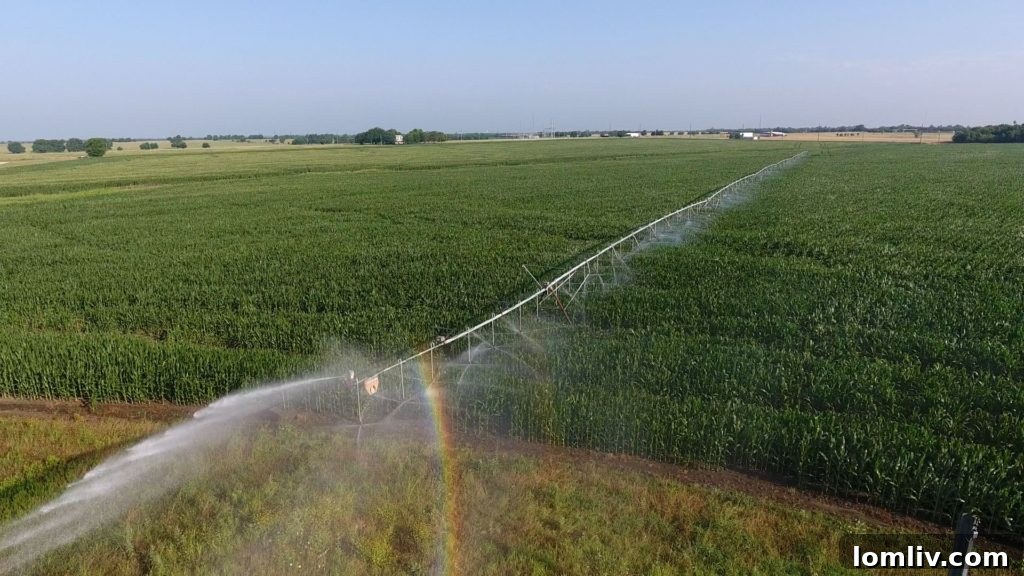
Another significant benefit we often see in farmland investment relates to tax deductions, particularly those associated with depreciation. Many productive farms include various improvements that are eligible for depreciation. These can range from essential infrastructure like grain storage facilities, irrigation pivots, and wells to practical structures such as shops, barns, and fences. An owner can strategically depreciate portions of these assets each year, which can substantially offset yearly taxable income, thereby improving the overall net return on the investment. It is always wise to consult with your preferred CPA or tax advisor for detailed information tailored to your specific situation and to ensure you maximize all available deductions.
Furthermore, farmland offers an excellent hedge against inflation. As the cost of goods and services rises, so too does the value of agricultural commodities and, consequently, the value of the land that produces them. This built-in protection helps preserve purchasing power over the long term, a crucial consideration in today’s economic climate. Additionally, farmland often provides consistent income generation through various leasing or operational models, which adds another layer of financial stability to an investor’s portfolio.
Generating Income: Leasing, Farming, or Sharecropping Your Farmland
CD: Once an investor acquires farmland, what are the primary avenues for generating income? Can one lease, farm, or sharecrop the property to achieve financial returns?
Pilgrim: Absolutely. Generating income from farmland is one of its core appeals and can be approached in several ways. The value of farmland, and consequently its income-generating potential, has consistently increased over the last several years, largely driven by a global surge in demand for food and fiber. As populations grow and dietary preferences evolve, the need for productive agricultural land intensifies.
The United States, in particular, offers some of the best potential for farmland investment due to its robust democratic government and its highly developed infrastructure. This includes an extensive network of railroads, navigable rivers, and highways that facilitate efficient transportation of agricultural products from farm to market and port. Many other countries, while possessing incredibly fertile soil, lack the necessary infrastructure – such as adequate roads to deliver products to a port – making efficient harvest and distribution a significant challenge. Moreover, some foreign nations, despite having excellent land for growing crops, are plagued by corrupt governments or have state control over all ports of exchange, introducing substantial political and economic risks. While not all international investments are inherently bad, they generally carry significantly more volatility and risk compared to investing in the stable environment of the U.S.A.
Regarding income generation, investors have several options:
- Cash Rent/Leasing: This is perhaps the most passive approach. The investor leases the land to a farmer for a fixed annual cash payment. It provides stable, predictable income with minimal management responsibilities for the landowner.
- Sharecropping: In this model, the landowner and the farmer share the crops produced and/or the expenses, typically on a pre-agreed percentage basis. This approach offers the landowner higher potential returns if yields and commodity prices are strong, but also carries more risk and requires a closer relationship and understanding of the farming operation.
- Direct Farming: For investors with agricultural expertise or who wish to hire a farm manager, direct farming allows for maximum control over operations and potentially the highest returns. However, it also demands the most active management, capital investment, and exposure to operational risks, including weather, pests, and commodity price fluctuations.
Each method has its unique risk-reward profile, and the best choice depends on the investor’s goals, risk tolerance, and desired level of involvement.
Strategic Evaluation: Key Steps to Purchasing Farmland
CD: For an aspiring investor looking to enter this market, how would you advise them to best evaluate a farm property for purchase?
Pilgrim: When an investor is in the process of selecting a farm to purchase, it’s crucial to anchor their decision-making process around three simple, yet profound, principles. Adhering to these will help ensure a sound and successful long-term investment.
- Understanding Your Buying Potential and Financial Structure: Knowing your financial capacity – commonly referred to as your “buying potential” or how much you can comfortably spend – is the absolute cornerstone when purchasing farmland. Some investors prefer to move capital into the property with no debt, enjoying complete ownership and avoiding interest payments. Many others opt to leverage their capital by acquiring debt through various lenders. Lenders specializing in agricultural real estate are abundant, but it is my strong opinion that you should choose a lender who genuinely understands farmland and its unique characteristics, including agricultural cycles, soil productivity, and water rights. There are also excellent options for government-backed loans through entities like the USDA (United States Department of Agriculture) and other federal and state programs, which can offer favorable terms to qualified buyers, including beginning farmers. Your land professional can be an invaluable resource in directing you to lenders who possess this specialized knowledge and can provide suitable financing options. Furthermore, always conduct thorough due diligence on the property’s historical financial performance, including past yields, operational costs, and any existing leases.
- Embracing the Long-Term Investment Horizon: Farmland investing is, for the most part, a long-term project. It’s not typically a vehicle for quick returns or speculative trading. Many successful investors acquire land and hold onto it for extended periods – often 5 to 10 years or even longer – to maximize their return on investment through both appreciation and consistent income generation. The agricultural economy, much like the broader economy, operates in cycles, experiencing periods of growth and contraction in commodity prices and land values. To truly realize the significant potential of farmland as a resilient asset and to weather these cycles, one must be prepared to commit for a minimum of 5+ years. Patience is a virtue in this asset class, allowing the natural appreciation of land and the steady income streams to compound over time. Think of it as planting a tree; you don’t expect fruit overnight.
- Mastering Emotional Detachment in Transactions: Emotion is an ever-present factor when dealing with tracts of land, particularly those with aesthetic appeal, historical significance, or the potential for personal enjoyment. Throughout my career, I have, on occasion, admittedly fallen victim to becoming emotionally attached to a particular piece of property. However, it is an absolute imperative to remember this point when considering your and your family’s financial future: leave emotions at the door during the buying and selling process. The adage, “time is money,” applies profoundly here, cutting both ways. Waiting two years to purchase a property because it makes more financial sense, or deciding to sell now because you have a willing and qualified buyer offering an excellent price, are decisions that must be driven by objective financial analysis, not sentiment. Remember the wisdom of the proverb, “A bird in the hand is worth two in the bush.” Prioritize your investment goals and financial health over sentimental attachments.
- Thorough Due Diligence: Beyond these three points, comprehensive due diligence is non-negotiable. This includes detailed soil analyses, verifying water rights and availability, checking for easements or encumbrances, understanding zoning regulations, environmental assessments, and confirming precise property boundaries. A professional can help coordinate these crucial investigations.
Knowing When to Divest: Strategic Exit from Farmland Investment
CD: Investing is one side of the coin; knowing when to exit is the other. When is the right time to “let go” and divest of a farm property, even if it carries family legacy or sentimental value?
Pilgrim: The decision to liquidate a farm property typically arises when the asset has reached its full potential according to your original investment strategy, or when you are prepared to reallocate capital into a new investment opportunity. Just as crucial as the day you purchase the property is the day you decide to sell it. I cannot overstate the importance of utilizing a qualified professional during this critical phase. When the time comes to sell your farmland investment, I highly recommend visiting the Realtors Land Institute to find a specialist. The right professional possesses the expertise to significantly elevate your sales price, alleviate the common hassles and complexities of a transaction, and provide you with unwavering confidence through to the closing day.
When selling farmland, a land professional performs several vital functions. They must first and foremost qualify potential buyers, ensuring they possess the financial capacity and seriousness to proceed. Equally important is advertising the property effectively to the broadest possible audience – not just locally, but often nationally and sometimes even internationally, to attract the most suitable buyers for a specialized asset like agricultural land. This requires a meticulously tailored marketing program, employing advanced strategies to highlight the unique attributes and value proposition of your specific farm. It also demands an agent with the specific skill set to vet buyers thoroughly and ensure that all qualified candidates can meet or exceed the requirements necessary to reach a successful closing table. Their negotiation skills and deep market knowledge are invaluable in securing the best possible terms for you.
Investing in farmland can be an incredibly rewarding venture, both financially and in terms of contributing to global food security, but only if it’s executed correctly and with proper guidance. The fundamental key to success is to consciously surround yourself with qualified, knowledgeable professionals who can assist you in making informed decisions at every stage – from acquisition to management to eventual divestment. Remember, this is your money and your future at stake. Happy hunting, and may your investments yield abundant returns!