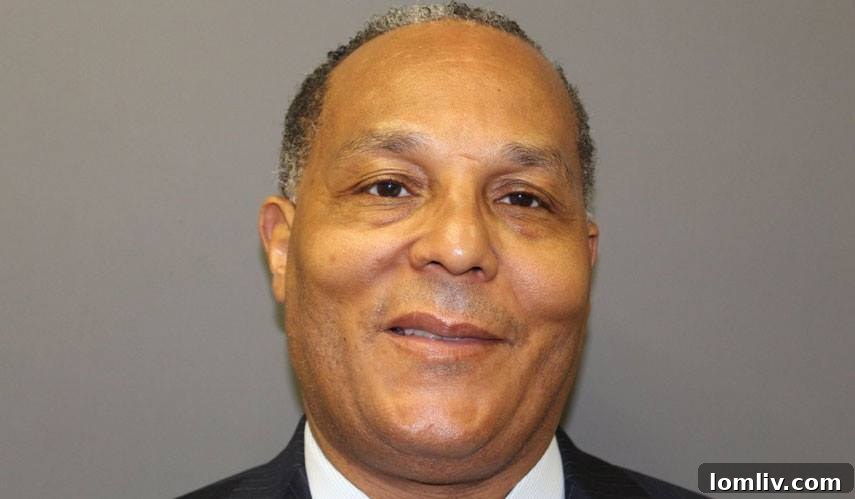
Dallas City Councilman Kevin Felder Faces Felony Charges After Alleged Scooter Accident
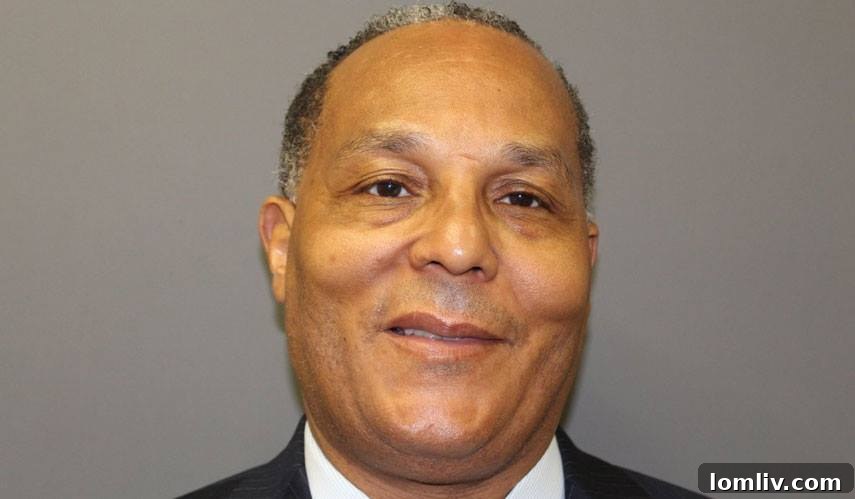
A significant legal challenge has emerged for Dallas City Councilman Kevin Felder, who recently surrendered to felony charges stemming from an alleged hit-and-run scooter accident. The incident, which has drawn considerable public attention, accuses Felder of fleeing the scene of a collision in South Dallas. Should he be convicted, these charges could carry far more serious implications than just a felony record, potentially impacting his career as a licensed real estate broker in Texas.
Councilman Felder, representing District 7, has been at the center of this controversy since the alleged accident. Both Felder and his attorney, Pete Schulte, have vehemently denied the accusations, asserting their intent to vigorously fight the charges in court. This developing story highlights the intense scrutiny public officials face when confronted with legal battles, especially those involving public safety and accountability.
The Alleged Incident Unfolds: A South Dallas Scooter Collision
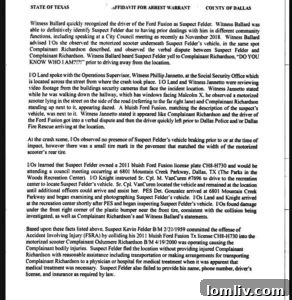
According to the arrest warrant filed by the Dallas Police Department (DPD), the incident occurred in the 2500 block of Malcolm X Boulevard. Police were dispatched to the scene after receiving calls from concerned witnesses. Upon arrival, officers found the scooter rider, who was being tended to for his injuries. The victim recounted a harrowing experience, stating he was “struck from behind by a bluish Ford Fusion.” This detail would later become crucial in the investigation.
The police report further detailed the mechanics of the alleged collision: the rear wheel of the scooter was forced “underneath the front bumper” on the passenger side of the Fusion. This impact brought the scooter to an abrupt halt, violently throwing its rider to the ground. The affidavit confirms that the man sustained various injuries, complaining of “severe pain and swelling” in his right arm, accompanied by abrasions and scrapes on his left arm. He further informed the police that he had to personally extricate his scooter from underneath the vehicle, underscoring the severity of the impact.
Witness Accounts Crucial to the Investigation
Crucially, multiple witnesses present at the scene provided compelling testimony to authorities. These individuals reported seeing Felder exchange words with the scooter rider following the collision. Disturbingly, they stated that Felder then left the scene before law enforcement or medical personnel could arrive. One particular witness, who recognized Felder as a city councilman, distinctly recalled hearing him shout, “Do you know who I am?” before driving away. Another witness corroborated parts of the account, describing a dazed man next to a fallen scooter lying in the street.
These eyewitness accounts became instrumental in connecting Councilman Felder to the incident. Their ability to identify him, coupled with the description of his vehicle, provided investigators with immediate leads. The alleged departure from the scene without waiting for official response forms the basis of the felony hit-and-run charges, a serious offense under Texas law.
Police Action and Felder’s Legal Response
The Dallas Police Department acted swiftly on the information gathered. On the evening of the alleged incident, police located Felder’s vehicle, a blue Ford Fusion, and had it towed. This occurred while Felder was reportedly on his way to attend a city council meeting. A subsequent forensic examination of Felder’s car revealed damage on its right front corner, which investigators deemed consistent with the accounts provided by the victim and witnesses regarding the scooter collision. This physical evidence further strengthened the DPD’s case, leading to the issuance of an arrest warrant.
Following the warrant, Councilman Felder surrendered to the felony charges. However, his legal team, led by attorney Pete Schulte, has been vocal in challenging the police’s actions and the validity of the allegations. Schulte, a former investigator himself, expressed his dissatisfaction with the DPD’s decision to issue a warrant, suggesting it was a procedural move to push the case into the justice system rather than a thoroughly investigated conclusion. He emphasized that he and Felder “now look forward to our day in court,” signaling a robust defense strategy.
Attorney Schulte’s Public Statements and Defense Strategy
My client, @CityOfDallas Councilman Kevin Felder, appeared in District Court this morning and resolved the arrest warrant filed by @DallasPD yesterday. Sorry, media, no wanted “perp walk” today. Although not happy with the PDs decision, we now look forward to our day in court.
— Lawyer Pete Schulte (@AttyPeteSchulte) February 26, 2019
Pete Schulte has utilized social media to communicate his client’s position, tweeting about Felder’s appearance in District Court and reiterating their readiness for trial. His statements have consistently maintained Felder’s innocence, asserting that the councilman only confronted the scooter’s rider and did not engage in a hit-and-run. Schulte’s strategy has also involved questioning the credibility of key witnesses.
Just a day after the February 13 incident, Schulte tweeted about one of the witnesses, suggesting a potential retraction of their initial statement. He claimed this “witness” was “back-peddling today saying she didn’t actually see any collision, just the aftermath.” Schulte even called for the Dallas Police Department to hand the case over to an outside police agency, citing a potential “conflict” of interest. These public statements underscore a clear legal strategy aimed at discrediting the prosecution’s evidence and narrative.
This “witness” who told police she saw the “collision” yesterday involving my client, CM Kevin Felder, is back-peddling today saying she didn’t actually see any collision, just the aftermath. It’s time @DallasPD turns this over to an outside police agency due to their conflict.
— Lawyer Pete Schulte (@AttyPeteSchulte) February 15, 2019
Broader Context: Scooters in Dallas and Public Accountability
The incident involving Councilman Felder also touches upon the broader context of urban mobility in Dallas. Ironically, Felder himself voted in favor of introducing electric scooters to the city just the previous summer, an initiative aimed at promoting Dallas’s walkable, urban image. This connection adds another layer to the narrative, as a device he supported is now central to the charges against him.
Beyond the immediate legal implications, the case carries significant weight for public trust and accountability. When a city official faces felony charges, it inevitably raises questions about their fitness for office and the integrity of public service. The outcome of this case will undoubtedly be watched closely by both the citizens of Dallas and those concerned with ethical conduct among elected officials.
Potential Career Ramifications: Kevin Felder’s Real Estate License
One of the most significant potential consequences for Kevin Felder, beyond any criminal penalties, lies in the impact a felony conviction could have on his professional life as a real estate broker. Felder holds an active Texas broker’s real estate license, and any felony conviction could trigger a review by the Texas Real Estate Commission (TREC). This body is responsible for regulating real estate professionals in the state, ensuring they meet specific standards of conduct and integrity.
The Texas Real Estate Commission operates under strict guidelines designed to protect the public. Its website explicitly states: “To be eligible for a real estate license, applicants must prove to TREC that they have the required honesty, trustworthiness & integrity.” This principle forms the cornerstone of TREC’s evaluation process. While TRELA (Texas Real Estate License Act) does not provide an exhaustive list of crimes that automatically disqualify an applicant, each individual case is assessed on its merits, considering the nature and severity of the offense.
TREC acknowledges that certain criminal offenses, particularly those involving fraud or demonstrating a lack of integrity, could indeed impact a licensee’s ability to perform their job duties effectively and ethically. In evaluating such cases, the commission considers a range of factors, including any mitigating circumstances surrounding the felony conviction and, importantly, any efforts made towards rehabilitation. This nuanced approach means that a conviction doesn’t necessarily lead to an automatic loss of license, but it certainly triggers a comprehensive review process.
The Legal Duty to Report Felony Convictions
A critical aspect of a licensee’s responsibility in Texas is the legal obligation to report certain criminal convictions to TREC. As lawyer Tony R. Bertolino highlighted in a blog post, and as discussed in various forums including a Facebook group discussing similar issues, failing to report a felony conviction can itself be grounds for disciplinary action. Bertolino explicitly stated: “If you are convicted of, or plead guilty ornolo contendereto, a felony or crime involving fraud, you have alegal dutyto notify the Texas Real Estate Commission (“TREC” or the “Commission”) within 30 days.”
This 30-day notification window is not merely a suggestion; it is a mandatory requirement. Failure to comply with this duty constitutes a direct violation of the Texas Occupations Code §1101.652(a)(1). Such a violation can lead to severe consequences for a real estate professional, including the suspension or revocation of their license, or at the very least, a formal reprimand. It underscores the high standards of ethical conduct and transparency expected from those holding a real estate license in Texas.
Felder’s Current License Status
It is important to note that, as of now, Councilman Kevin Felder is in no immediate danger of losing his real estate license. He currently holds an active Texas broker’s real estate license, is up-to-date on all his continuing education requirements, and has no disciplinary actions against him. The potential ramifications would only come into play if he is convicted of a felony offense. Until such a legal outcome, he remains in good standing with the Texas Real Estate Commission, but the unfolding legal battle casts a long shadow over his professional future.
The case against Dallas City Councilman Kevin Felder remains a developing story with significant legal and professional implications. The accusations, the defense’s strategy, and the potential impact on his real estate license underscore the gravity of the situation. As the legal process unfolds, all eyes will be on the Dallas courts to see how this high-profile case is resolved.
Bethany Erickson contributed to this report.