Unveiling Dallas’s Enduring Legacy: The Power of Historic Preservation
Driving or strolling along the picturesque Swiss Avenue in Dallas today, it’s almost impossible to envision a time when this iconic neighborhood, teeming with stately, handsome homes, was in severe disrepair. Just four decades ago, this vibrant street was a shadow of its current self. Properties were marked by abandoned vehicles, windows hung precariously without proper screens, and many of the once-grand mansions lay in total disrepair or were completely deserted, victims of urban neglect and rapid suburbanization.
This period of dilapidation served as a crucial catalyst for change, culminating in a groundbreaking movement that would redefine Dallas’s approach to its architectural heritage. The transformation of Swiss Avenue marked the dawn of a new era for preservation in the city, setting a precedent that continues to inspire and shape Dallas’s urban landscape.
The Genesis of Preservation: Swiss Avenue’s Remarkable Comeback
The pivotal moment arrived just prior to 1973 with the creation of the Swiss Avenue Historic District. This wasn’t merely a designation; it was a trailblazing event, the first of its kind in Dallas. Its establishment represented a monumental shift in public and private perception, demonstrating a collective commitment to saving irreplaceable architectural treasures. The district encompasses a diverse array of architectural styles, primarily built between 1905 and 1930, including Prairie, Craftsman, Neoclassical, and Spanish Eclectic. These homes, originally built for prominent Dallas families, slowly fell into decline through the mid-20th century as affluent residents moved further north. However, a dedicated group of preservationists and homeowners saw beyond the decay, recognizing the inherent beauty and historical significance of the area.
Their tireless efforts to restore and protect these magnificent structures not only revitalized Swiss Avenue but also illuminated the path for future preservation projects across Dallas. The success of the Swiss Avenue Historic District proved that with vision, dedication, and community engagement, even the most neglected areas could be brought back to life, honoring their past while securing their future. This pioneering initiative laid the groundwork for a broader understanding of how historic preservation contributes to community identity, economic stability, and overall quality of life.
The revitalization wasn’t just about restoring facades; it was about rejuvenating a community. New residents moved in, drawn by the unique charm and history of the homes, investing their time and resources into the painstaking process of restoration. The resulting vibrant neighborhood stands as a testament to what can be achieved when a community rallies around a shared historical vision.
Preservation Dallas: A Beacon of Hope for Architectural Heritage
Building on the momentum generated by Swiss Avenue, a critical organization emerged around the same time: Preservation Dallas. Initially known as the Historic Preservation League, this nonprofit organization has grown into an indispensable institution, a true Dallas treasure. For decades, Preservation Dallas has tirelessly worked to safeguard the city’s architectural past, playing a pivotal role in saving dozens of threatened structures from demolition or neglect. Their comprehensive approach involves working hand-in-hand with individuals, nurturing neighborhood groups, and forging strong partnerships with corporate entities to achieve their preservation goals.
Preservation Dallas’s mission extends beyond merely saving buildings. They are instrumental in the creation of new historic districts and designations, advocating for policies that protect historic resources, and educating the public about the value of preservation. From conducting detailed architectural surveys to offering technical assistance to property owners, their work is multifaceted and far-reaching. They provide resources for those undertaking their own restoration projects, host workshops on preservation best practices, and actively campaign against development proposals that threaten significant historic sites. Their dedication ensures that Dallas’s rich and diverse architectural story continues to be told through its surviving structures, fostering a deeper connection between residents and their city’s unique identity.
Celebrating Excellence: The Preservation Achievement Awards
Each year, Preservation Dallas proudly hosts the Preservation Achievement Awards. This prestigious event serves as a vital platform to recognize and celebrate outstanding achievements in the field of historic preservation across the city. The awards honor a select group of individuals, organizations, and businesses whose projects exemplify exceptional dedication and craftsmanship in restoring, rehabilitating, or adaptively reusing historic structures. These awards highlight projects that not only meet high standards of historical accuracy and architectural integrity but also demonstrate a profound commitment to enhancing Dallas’s cultural landscape.
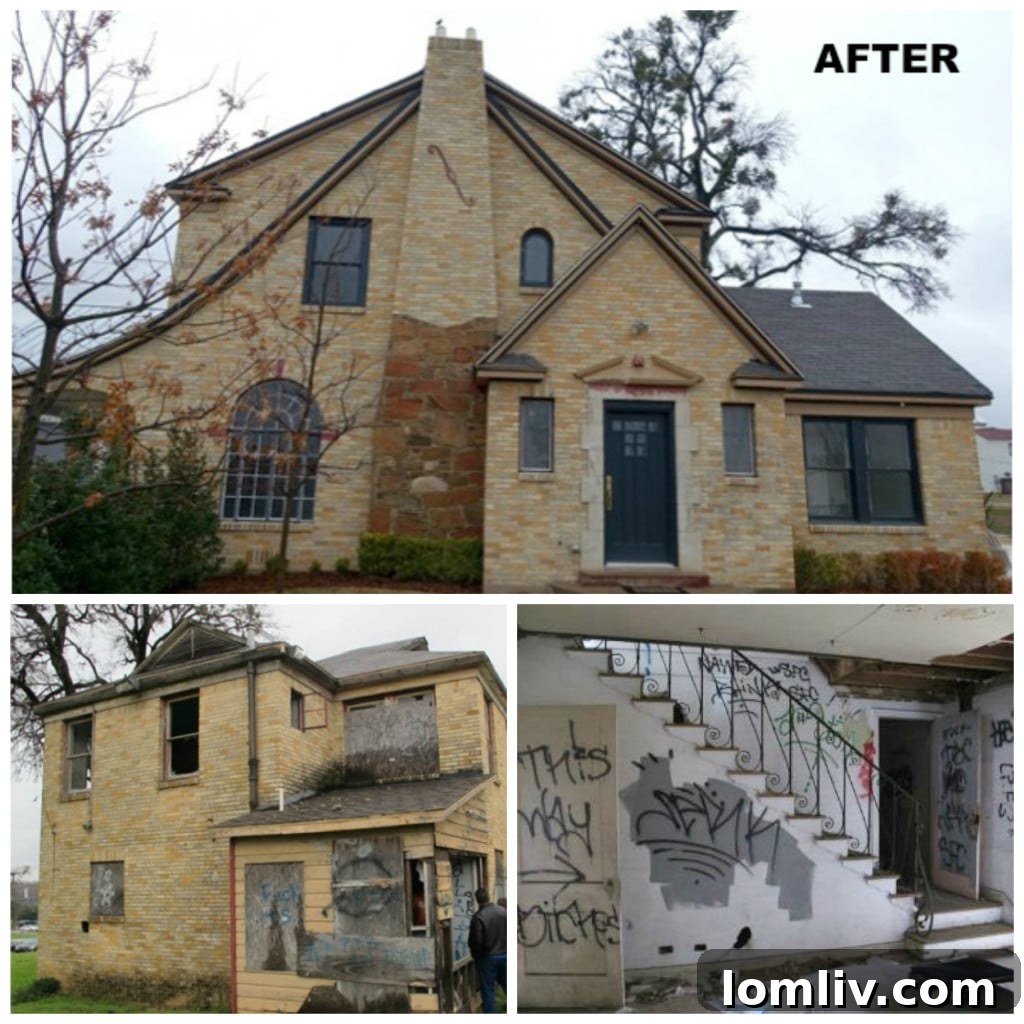
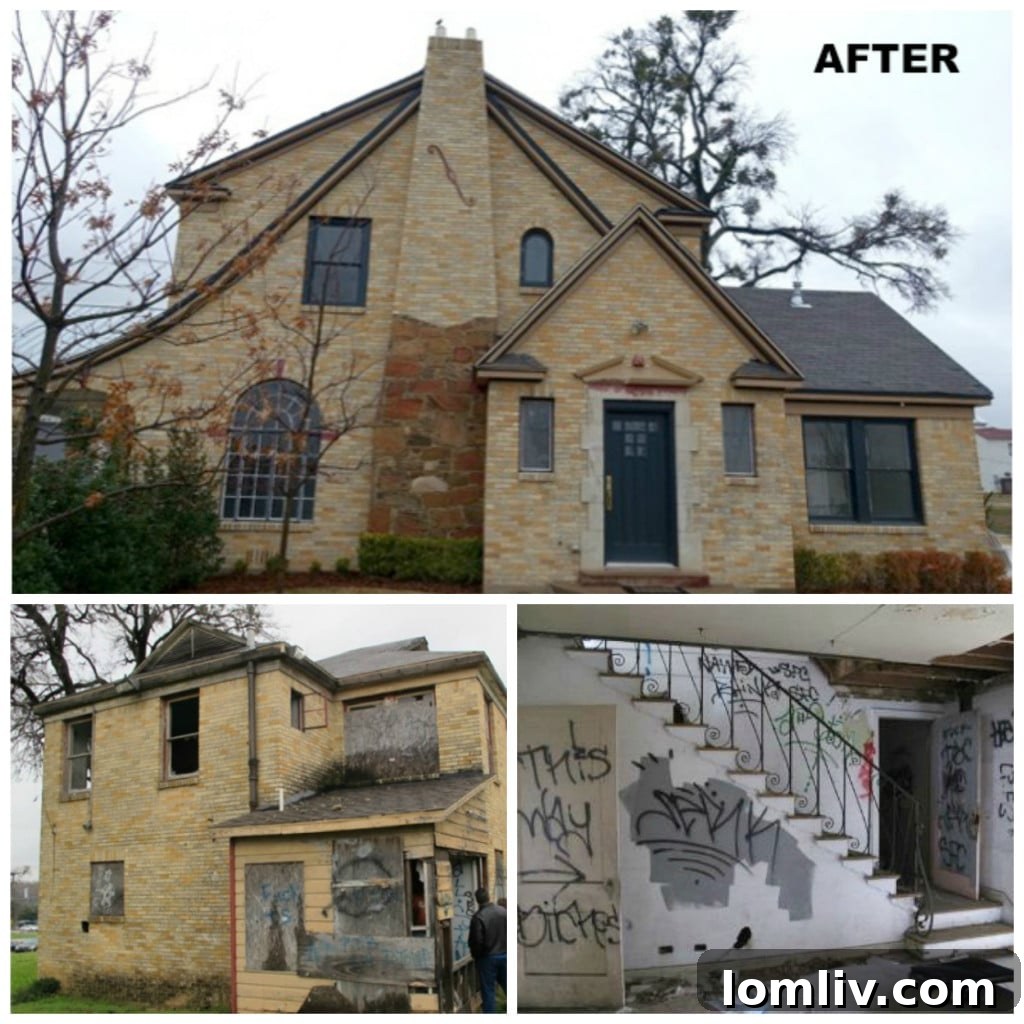
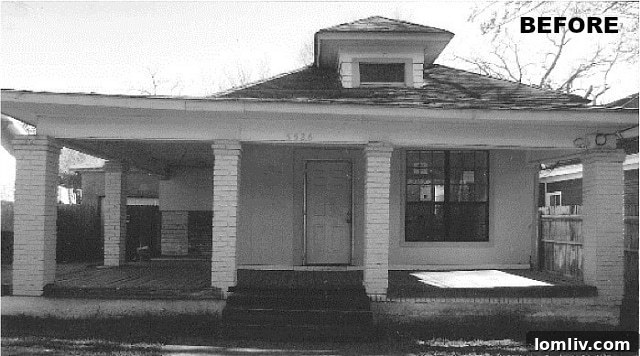
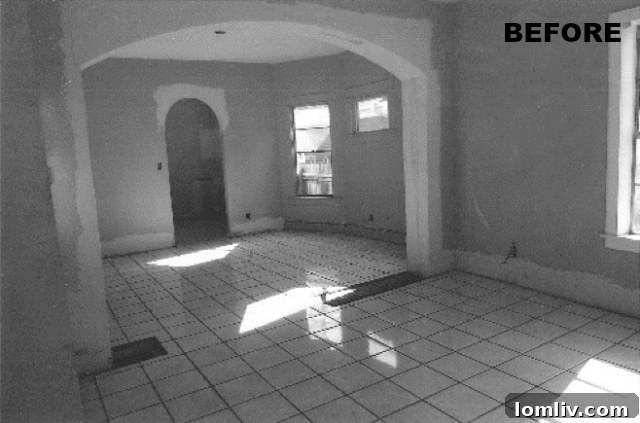
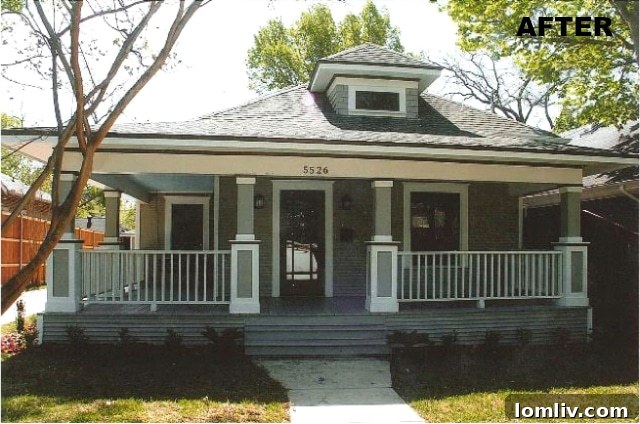
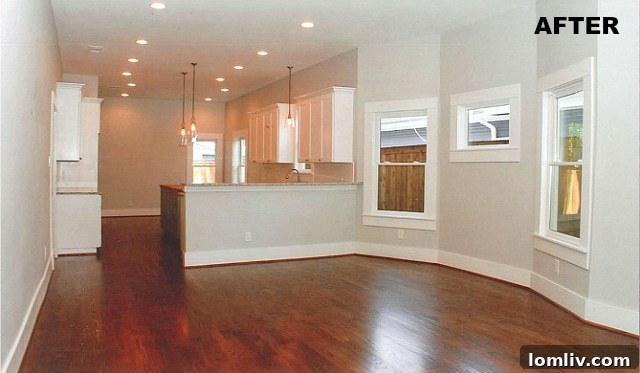
The awards cover a broad spectrum of preservation efforts, from residential restorations that breathe new life into single-family homes, such as the compelling before-and-after transformation of the house at 5526 Tremont St., to larger commercial or institutional projects that revitalize entire blocks. Another notable example is the “Graffiti House” at 1007 Fort Worth Ave., which received an award for its remarkable preservation work, showcasing how even seemingly challenging properties can be saved and celebrated. These projects inspire others and demonstrate the tangible benefits of investing in our shared heritage.
This is your opportunity to contribute to this legacy of recognition! Nominations for the 17th annual awards are currently open. If you know of a project or individual who has made an outstanding contribution to historic preservation in Dallas, now is the time to put their efforts forward. Nominations are due by 4 p.m. on Friday, February 12th. The much-anticipated Preservation Achievement Awards ceremony will take place on May 11th, a significant event bringing together the preservation community to honor these exemplary efforts. To submit a nomination and become part of this tradition of recognizing excellence, please click here to download a nomination form.
For those seeking inspiration from a truly trailblazing preservation project, we highly recommend watching the video below. It recognizes the Swiss Avenue Historic District as a most deserving 2015 Preservation Achievement Award honoree, offering a visual journey through its remarkable history and enduring impact.
More Than Buildings: The Broader Impact of Preservation
Historic preservation is far more than just maintaining old buildings; it is a multifaceted discipline with profound economic, cultural, social, and environmental benefits for Dallas. Economically, preservation projects stimulate local economies by creating jobs in specialized trades, increasing property values in historic districts, and attracting heritage tourism, which injects significant revenue into the city. Preserved historic districts often become vibrant cultural hubs, fostering unique local businesses and a distinct sense of place that differentiates Dallas from other urban centers.
Culturally and socially, historic buildings are tangible links to our past, embodying the stories, struggles, and successes of previous generations. They serve as open-air museums, offering educational opportunities and fostering a collective memory that strengthens community identity. Preserving these structures helps maintain the unique character and soul of Dallas, preventing generic urban sprawl and ensuring that the city’s rich narrative continues to be visible and accessible to all. They provide a sense of continuity and belonging, enriching the lives of residents and visitors alike.
From an environmental perspective, preservation is inherently sustainable. Reusing existing structures reduces demand for new construction materials, minimizing waste and conserving energy associated with manufacturing and transportation. Historic buildings, often constructed with durable, high-quality materials, can be remarkably energy-efficient when properly upgraded, contributing to a greener, more sustainable urban environment. Adaptive reuse, transforming old buildings for new purposes, offers an innovative way to meet modern needs while respecting historical context.
Looking Ahead: The Future of Preservation in Dallas
As Dallas continues its rapid growth, the role of historic preservation becomes even more critical. The challenges are numerous, including balancing new development pressures with the desire to protect existing heritage, finding sustainable funding for complex restoration projects, and adapting historic structures to meet contemporary demands without compromising their integrity. However, opportunities abound for innovation in preservation, particularly through public-private partnerships and the integration of modern technology to document and maintain historic sites.
The future of preservation in Dallas depends on ongoing vigilance, creative solutions, and an unwavering commitment from its citizens. Engaging younger generations through educational programs, leveraging digital tools to tell compelling historical stories, and fostering an inclusive approach that celebrates the diverse heritage of all Dallas communities will be key. By continuing to support organizations like Preservation Dallas and participating in initiatives such as the Preservation Achievement Awards, we ensure that Dallas’s past remains a vibrant and integral part of its future, contributing to a city that is rich in history, character, and community spirit.