Forget the glitz and glamour of California’s famous zip code; Dallas’s own Beverly Hills offers a uniquely Texan brand of allure. Nestled within the storied heart of Oak Cliff, this vibrant neighborhood isn’t defined by luxury boutiques but by its deep-rooted history, resilient spirit, and an architectural tapestry that tells a century of tales. More than just a place to live, Beverly Hills, Oak Cliff, represents a journey through Dallas’s past, evolving from utopian dreams and agricultural roots into a diverse community brimming with character. It’s a locale where generations have built lives, fostering a genuine sense of belonging amidst a backdrop of natural beauty and urban convenience, making it a truly unique destination for Dallas real estate enthusiasts and history buffs alike.
The story of Beverly Hills in Oak Cliff begins long before it earned its sophisticated moniker. In the mid-19th century, the area that would eventually become this cherished Dallas neighborhood was a fledgling dairy farming community, part of the extensive McCoombs and McCracken Surveys. Its fertile lands and strategic location across the Trinity River hinted at its future potential, laying the groundwork for what would become one of Dallas’s most enduring historic neighborhoods.
However, the earliest significant chapter in this land’s history dates back to 1855, with the ambitious undertaking of La Réunion. A collective of European immigrants – primarily French, Swiss, and Belgian – formed the “European and American Society of Colonization to Texas.” Their dream was to establish a utopian settlement, a haven where they could freely pursue their political and philosophical ideals away from the constraints of their homelands. These idealists purchased 640 acres of former Peters Colony land, envisioning a thriving intellectual and agricultural commune that would stand as a beacon of freedom and innovation in the nascent city of Dallas.
Unfortunately, idealism alone proved insufficient against the harsh realities of the Texas frontier. The La Réunion settlers, largely comprising artisans, aristocrats, and physicians with only a handful of genuine farmers among them, were ill-equipped for the unforgiving Texas climate. Scorching summers, relentless droughts, and bitter winters took their toll on the fledgling agricultural efforts. Within a mere 18 months, the grand utopian experiment faltered, and the disillusioned settlers disbanded, scattering across the burgeoning Dallas landscape. Yet, their legacy was not entirely lost, as many contributed their diverse talents to the young city, laying some of the cultural and intellectual groundwork for what Dallas would become.
Even as La Réunion dissolved, new visionaries were beginning to shape the future of the area. One such figure was Julien Reverchon, a distinguished botanist who arrived too late to contribute to La Réunion’s agricultural efforts but left an indelible mark on Texas’s natural history. Reverchon acquired a nearby farm and dedicated his life to studying and cultivating native flora. By his passing in 1905, he had become a revered figure, teaching botany in Dallas and meticulously documenting over 2,600 plant species, amassing an impressive herbarium boasting 20,000 specimens. His profound contributions to the understanding of Texas’s natural environment were honored a decade later when the City of Dallas proudly christened Reverchon Park, a beautiful urban oasis that continues to bear his name and celebrate his enduring legacy.
While Dallas’s expansion saw the annexation of Oak Cliff in 1901, the unique enclave that would become Beverly Hills retained its independent spirit for a few more decades. It wasn’t until 1929 that Dallas officially incorporated Beverly Hills into its city limits. During this interim period, a key developer, F.G. Jester, acquired and meticulously developed 90 acres of land. Jester’s vision was to create new homes, but in the absence of municipal services, the community developed a distinctive, self-reliant character.
Original land deeds from this era reflect the ingenuity and resourcefulness of early residents, granting lot owners a share of the vital artesian well located across Westmoreland. This fostered a quintessential country lifestyle, complete with personal septic tanks, flourishing fruit trees, bountiful vegetable gardens, and even the occasional presence of chickens and cows – a charming pastoral existence just a stone’s throw from the rapidly modernizing downtown Dallas. This period highlights the deep-rooted independence and community spirit that continues to define Beverly Hills, Oak Cliff.
The annexation in 1929 marked a pivotal moment, ushering in an era of dramatic transformation and growth for Beverly Hills. With the advent of city services and greater integration into Dallas, the neighborhood blossomed into a vibrant commercial and social center. It quickly became a bustling hub, attracting residents and visitors alike with a burgeoning array of amenities. The streets buzzed with activity, offering everything from its own local theater, providing entertainment and a sense of community gathering, to a variety of restaurants catering to diverse tastes.
A true testament to its burgeoning commercial vitality was the establishment of a dedicated shopping center, featuring familiar names like Wyatt’s Food Store and a Ben Franklin variety store. These anchor tenants were complemented by a plethora of charming mom-and-pop companies, each contributing to the unique character and self-sufficiency of the neighborhood. Beverly Hills was truly “open for business,” providing residents with everything they needed right on their doorstep and fostering a strong local economy.
The 1950s solidified Beverly Hills’ reputation as a dynamic and engaging community, particularly for its younger generation. Sivil’s Drive-In became the quintessential hangout spot for teenagers, a vibrant social nexus where friendships were forged and memories made against the backdrop of classic cars and rock-and-roll culture. Meanwhile, the Torch Restaurant, owned by the esteemed Semos Family, garnered widespread renown throughout Dallas for its authentic and delicious Greek cuisine. Its reputation drew diners from across the city, further cementing Beverly Hills’ status as a culinary destination and a place of cultural significance within Dallas. This period represented a golden age, where local businesses thrived, and a strong sense of community pride flourished, building the foundation for the diverse community we see today.
Today, Beverly Hills, Oak Cliff, stands as a living museum of architectural evolution, showcasing more than a century of design influences. This rich tapestry of styles, combined with its enviable proximity to the vibrant cultural and business heart of downtown Dallas, and the potential for reasonably-priced vacant lots or existing historic properties, makes it a highly desirable market for those seeking character, history, and investment potential in Dallas’s dynamic real estate landscape.
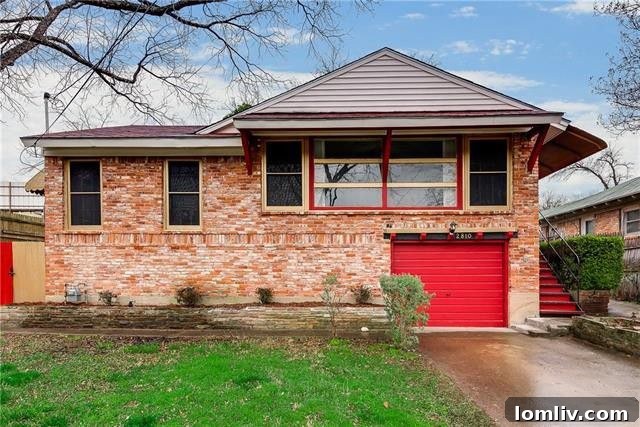
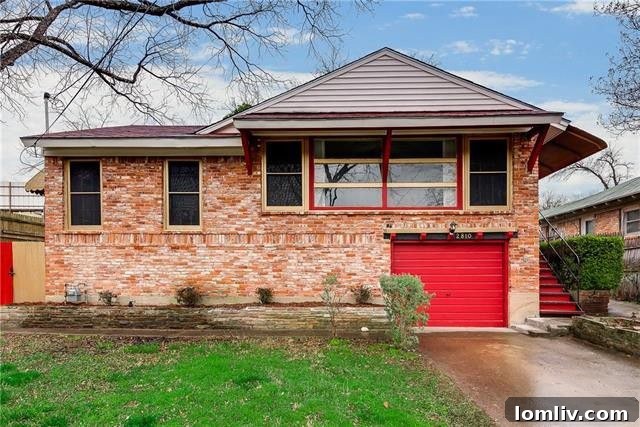
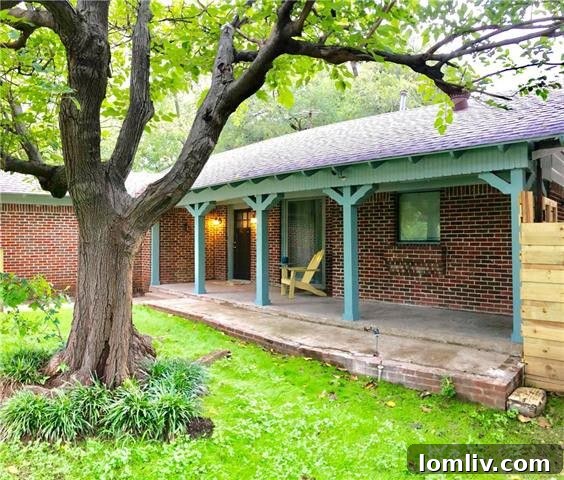
The neighborhood’s streetscapes reveal a captivating blend of designs. While many of the original frame houses from the 1920s have been thoughtfully updated, often covered with beautiful Texas stone, their underlying charm and craftsmanship remain evident. You’ll discover classic **Craftsman** bungalows, characterized by their low-pitched roofs, overhanging eaves, and intricate woodwork, standing alongside quaint **Cape Cod** homes, recognized for their symmetrical façades and dormer windows. These styles speak to the early 20th-century development, offering a nostalgic glimpse into the area’s initial growth.
Adding to the eclectic mix, the romantic flair of **Spanish** colonial revival architecture, with its stucco exteriors, arched doorways, and red tile roofs, also finds a home in Beverly Hills, reflecting a popular architectural trend of its time. Furthermore, the practical and sprawling designs of **Ranch**-style homes, popular in the mid-20th century, provide a distinct aesthetic that speaks to periods of post-war expansion and the evolving needs of Dallas families. This blend creates a unique visual appeal, drawing those who appreciate architectural diversity and homes with a story.
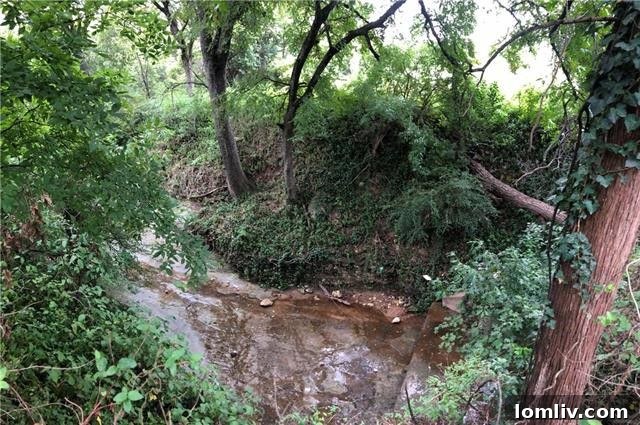
However, a truly distinguishing feature of Beverly Hills, particularly along its southern and eastern edges, is the enchanting presence of Coombs Creek. This natural waterway is not merely a geographic boundary; it creates a verdant haven, especially for an impressive collection of **Midcentury Modern** homes. These architectural gems, celebrated for their clean lines, open floor plans, and seamless integration with nature, are perfectly situated amidst towering chalk cliffs, majestic mature trees, and an abundance of lush Texas greenery. It’s not uncommon to find these homes preserving original details like iconic Daltile bathrooms, offering a delightful glimpse into a bygone era of sophisticated design and quality craftsmanship. The blend of diverse architectural periods, from early 20th-century styles to the sleek designs of the mid-century, makes Beverly Hills a truly unique and captivating place to explore and reside, appealing to a wide range of discerning homeowners.

The enduring appeal of Beverly Hills in Oak Cliff lies in its harmonious blend of historical depth, architectural variety, and a vibrant community spirit, all set against a backdrop of natural beauty. Residents enjoy the serenity of tree-lined streets and the calming presence of Coombs Creek, while simultaneously benefiting from unparalleled access to downtown Dallas’s employment centers, entertainment venues, and cultural attractions. The proximity to other renowned Oak Cliff destinations, such as the eclectic Bishop Arts District with its independent boutiques, art galleries, and acclaimed restaurants, further enhances the neighborhood’s desirability, making it a prime location for those seeking a dynamic urban lifestyle with a strong sense of community.
For prospective homeowners and investors, Beverly Hills offers more than just real estate; it provides a connection to Dallas’s rich past and a stake in its promising future. Whether seeking a meticulously preserved historic home, a Midcentury Modern masterpiece, or an opportunity to build anew on a well-situated lot, the neighborhood presents diverse options that cater to various tastes and budgets. It’s a place where community values are strong, neighbors know each other, and local businesses continue to thrive, albeit in a more modern context than the Wyatt’s and Ben Franklin stores of old.
In conclusion, Dallas’s Beverly Hills is a testament to the power of community, resilience, and evolution. Far from a mere imitation of its Californian namesake, it stands proudly as an authentic, unique, and deeply cherished part of Oak Cliff. Its story, woven through utopian dreams, pioneering efforts, and eras of growth, continues to unfold, inviting new generations to discover its charm, embrace its history, and contribute to its vibrant future, solidifying its place as one of Dallas’s most sought-after and compelling neighborhoods.