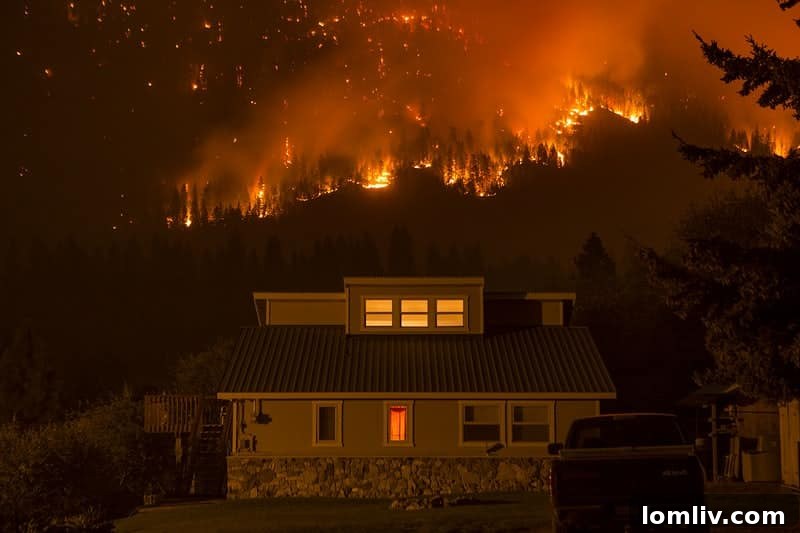
In many regions, escalating temperatures and persistent drought conditions have transformed what was once a common seasonal concern into an urgent call for heightened vigilance. The dry, hot weather creates an environment where fires can ignite with startling speed and spread voraciously, threatening homes and communities. This reality underscores the critical importance of understanding and addressing potential fire hazards within and around our residences. A proactive approach to home fire safety is not merely a recommendation but an essential defense against devastating loss. This week, we delve into common yet often overlooked fire risks, offering insights and practical advice to safeguard your property and loved ones. By identifying these dangers and implementing preventative measures, homeowners can significantly reduce their vulnerability to the destructive power of fire, ensuring peace of mind during these challenging times.
Preventing residential fires is a multifaceted endeavor that requires attention to detail and a comprehensive understanding of potential ignition sources. From seemingly innocuous household appliances to critical utility infrastructure, various elements can pose a significant threat if not properly maintained or handled. Our focus here is to shed light on these hazards, translating complex safety guidelines into actionable steps for every homeowner. By embracing a culture of safety and preparedness, we can collectively work towards creating safer living environments and protecting our most valuable assets.
The Extreme Danger of Tampering with Gas Lines
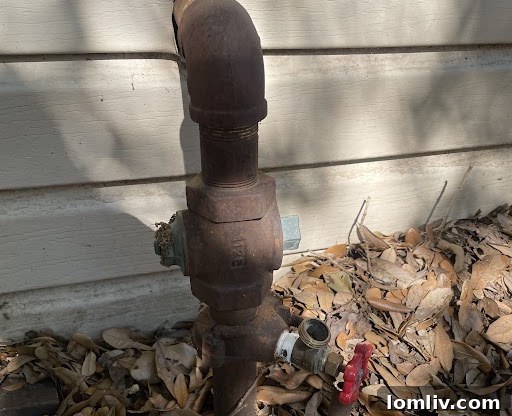
The image above depicts a critically dangerous situation involving a home’s main gas supply line, which typically delivers natural gas to essential appliances like water heaters, stoves, and furnaces. Where one would expect to find a standard, robust emergency shut-off valve designed for safe, wrench-operated closure in an urgent situation, we instead observe a makeshift and highly perilous modification. This egregious alteration, which appears to involve attaching a common garden hose spigot to the gas line, represents an extreme disregard for safety protocols.
The notion of opening such a valve and attempting to ignite the escaping gas—perhaps to create a “flame thrower”—is not only profoundly reckless but also an act with catastrophic potential. Natural gas is highly flammable and explosive when mixed with air in certain concentrations. Tampering with a gas line in this manner risks an uncontrolled release of gas, leading to an immediate and severe fire hazard. A single spark could ignite the gas, causing a massive explosion that could instantly destroy the home, endanger the lives of occupants and neighbors, and cause widespread devastation to the surrounding area. The integrity of gas supply lines is paramount, and any modifications or repairs must only be performed by certified and licensed professionals. Homeowners should never attempt to alter gas lines themselves and should report any suspicious or improperly installed components to their gas utility provider immediately. This type of hazard is not just a risk; it’s a guaranteed disaster waiting to happen, emphasizing the absolute necessity of adhering to strict safety standards for gas systems.
Dryer Vent Maintenance: A Hidden Fire Risk
While less immediately dramatic than the previous example, a clogged dryer vent represents a far more common yet equally insidious fire hazard present in countless homes. Many homeowners diligently clean the lint trap inside their dryer after each use, a commendable practice. However, this internal lint trap is only one component of a larger ventilation system. The often-neglected external dryer vent, which channels hot, moist air and residual lint from the appliance to the outside of your home, can accumulate substantial amounts of highly flammable lint over time.
Lint, composed primarily of clothing fibers, is incredibly dry and combustible, making it an ideal fuel for a fire. As lint builds up within the vent duct, it restricts airflow. This restriction forces the dryer to work harder, leading to overheating of the appliance and the exhaust air. When the internal temperature of the dryer or the accumulated lint reaches its ignition point, a spark—perhaps from a faulty heating element or static electricity—can quickly escalate into a full-blown fire. Such fires can rapidly spread through the vent system into walls and other parts of the house, causing extensive damage and posing a serious threat to life.
Regular maintenance of your dryer vent system is crucial for preventing these fires. It is recommended to inspect and clean the entire vent path at least once a year, or more frequently if you have a large household or use your dryer extensively. You can often clean accessible portions yourself using a vacuum cleaner with a long hose attachment or specialized dryer vent cleaning kits. For longer or more complex vent systems, especially those with multiple bends or running through walls, hiring a professional dryer vent cleaning service is highly advisable. Beyond fire prevention, a clean dryer vent also improves the efficiency of your appliance, reducing drying times and energy consumption, thereby extending the lifespan of your dryer. Don’t let this often-overlooked area become a significant fire hazard in your home. Take a few minutes to locate your dryer vent and ensure it’s free from obstruction, safeguarding your home and optimizing your appliance’s performance.
The embedded video provides a visual illustration of the critical importance of regular dryer vent cleaning, reinforcing our discussion on this prevalent home fire hazard. Observing real-world examples can often underscore the urgency of preventative maintenance actions. The risks associated with clogged dryer vents are well-documented, making this an area where vigilance pays significant dividends in terms of safety and appliance longevity.
The Importance of a Fire-Rated Garage Access Door

The garage often serves as more than just a parking space; it frequently houses flammable materials such as gasoline, paints, solvents, propane tanks, and various combustible stored items. Due to this inherent risk, building codes mandate specific safety features for the door connecting the garage to the main living area of a house. This door is required to be “fire-rated,” meaning it is constructed and tested to withstand fire for a specified period, typically 20 minutes. This fire-resistance rating acts as a critical barrier, designed to slow the spread of fire from the garage into the home, providing valuable time for occupants to escape and for emergency services to arrive.
Beyond being fire-rated, modern building codes, including those updated in recent years, also stipulate that the garage access door must be “self-closing.” This feature ensures that the door automatically shuts and latches after being opened, preventing it from being inadvertently left ajar. An open door, even if fire-rated, completely negates its protective function. The combination of a fire-rated and self-closing door significantly enhances the safety margin between a potentially hazardous garage and the residential interior.
The image above highlights a modification that, while seemingly harmless or convenient, fundamentally compromises these critical safety measures: the installation of a pet door within the garage access door. Such an alteration voids the door’s fire rating and prevents it from being truly self-closing and sealing properly. Even a small opening like a pet door can provide a pathway for smoke, heat, and flames to breach the protective barrier, allowing a garage fire to rapidly engulf the living spaces. For homeowners in older homes, it’s essential to verify if their garage access door meets current fire-rating standards; if not, replacement with a compliant door is strongly recommended. Any modifications, especially those that create openings or prevent proper closure, are significant code violations and severe safety hazards. The integrity of this door is a cornerstone of residential fire safety and must be maintained without compromise.
Detecting and Addressing Corroded Gas Lines
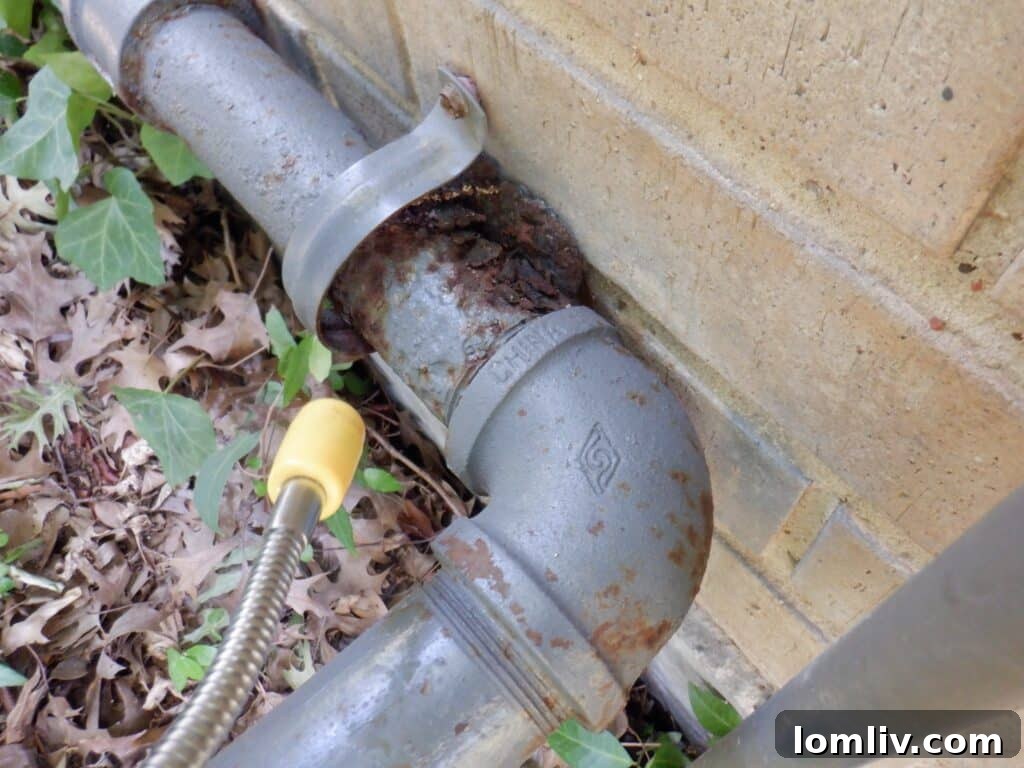
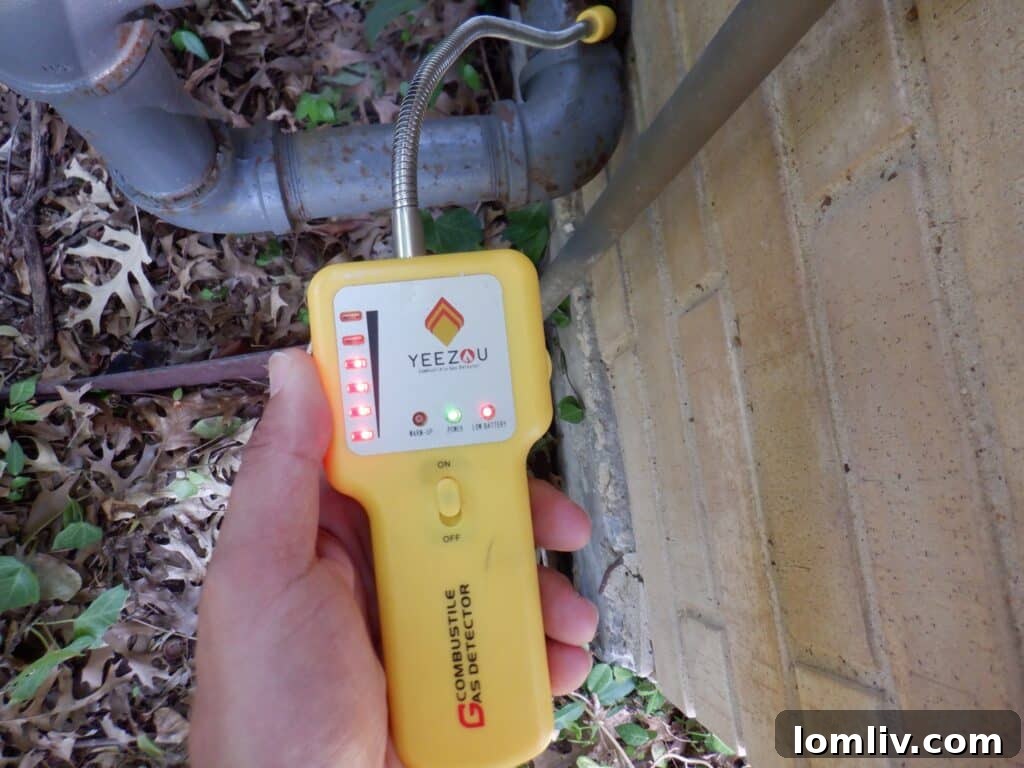
The integrity of natural gas supply lines is absolutely paramount for home safety. Recalling widespread news stories, such as those detailing utility companies like Atmos Energy needing to replace aging infrastructure due to leaks causing tragic home explosions, serves as a stark reminder of the devastating consequences of compromised gas lines. The images provided above depict exactly the kind of critical issue that can lead to such disasters: a gas supply line exhibiting significant corrosion in multiple areas.
Corrosion can weaken the metal of gas pipes, creating microscopic fissures or larger holes through which natural gas can escape. Unlike water leaks, gas leaks are invisible and, depending on the concentration of the odorant (mercaptan, which smells like rotten eggs), may not always be immediately detectable by smell, especially in low concentrations or in outdoor environments. This is why professional home inspectors use specialized gas detection meters. When an inspector’s gas meter “lights up like a Christmas tree” in the presence of such a corroded line, it indicates a dangerous concentration of leaking gas. This isn’t merely a warning; it’s a red alert signaling an imminent threat of explosion or fire.
A gas leak, even a small one, creates an incredibly dangerous situation. An invisible cloud of highly combustible gas can accumulate in enclosed spaces, or even dissipate into the open air where it might drift towards an ignition source. Any stray spark – from an electrical appliance switching on, a light switch, a cigarette lighter, or an outdoor grill – can ignite the accumulated gas, resulting in a sudden and powerful explosion. Such an event can instantaneously level a home, causing severe injuries or fatalities and widespread damage to adjacent properties.
Homeowners who utilize natural gas should make it a priority to inspect their visible gas supply lines regularly. Look for any signs of corrosion, rust, dents, or damage. If you suspect a gas leak (by smell or visual inspection) or observe any issues with your gas lines, do not attempt to fix them yourself. Immediately evacuate the premises, and from a safe distance, contact your gas utility company and emergency services. Professional assessment and repair by licensed technicians are the only safe course of action to address corroded or damaged gas lines, ensuring the safety of your home and community. Regular professional inspections, particularly during a home sale or purchase, are invaluable for identifying and mitigating such hidden dangers.
Comprehensive Home Fire Safety Plan: Beyond the Basics
As summer temperatures continue to soar and dry conditions persist, the risk of fire remains exceptionally high. It is an opportune moment for every household to review and reinforce their home fire safety plan. Thinking ahead and preparing for potential emergencies can make all the difference in protecting lives and property. Here’s an expanded guide to comprehensive fire safety:
- Develop and Practice a Fire Escape Plan: This is arguably the most critical component of any home fire safety strategy. Every member of the household, including children, should know what to do in case of a fire.
- Two Ways Out: Identify at least two escape routes from every room.
- Meeting Point: Establish a designated outdoor meeting place a safe distance from the home, such as a neighbor’s house or a specific tree.
- Regular Drills: Practice your escape plan at least twice a year, ensuring everyone can execute it quickly and safely, even in the dark.
- Get Low and Go: Teach children to crawl low under smoke to avoid inhaling toxic fumes.
- Test Windows and Doors: Ensure all windows open easily and that doors are not blocked.
- Install and Maintain Smoke and Carbon Monoxide Detectors: These devices are your first line of defense, providing crucial early warning.
- Placement: Install smoke detectors on every level of your home, inside each bedroom, and outside sleeping areas. For carbon monoxide detectors, place them near sleeping areas and on every level of the home.
- Testing: Test all detectors monthly by pressing the test button.
- Battery Replacement: Replace batteries at least once a year, even if they appear to be working. Consider detectors with 10-year sealed batteries for reduced maintenance.
- Replacement: Replace smoke detectors every 10 years and carbon monoxide detectors every 5-7 years, or as recommended by the manufacturer.
- Have Working Fire Extinguishers: Fire extinguishers can put out small fires before they spread, but only if you know how to use them safely and effectively.
- Placement: Keep fire extinguishers in easily accessible locations, such as the kitchen, garage, and near sleeping areas.
- Types: Ensure you have the right type of extinguisher for potential fires (e.g., ABC rated for common household fires).
- PASS Method: Remember the PASS acronym for proper use: Pull the pin, Aim at the base of the fire, Squeeze the handle, Sweep side to side.
- Inspection: Check pressure gauges monthly and have them professionally serviced annually if they are rechargeable.
- Electrical Safety: Faulty wiring and overloaded circuits are common causes of residential fires.
- Inspect Cords: Regularly check electrical cords for fraying, cracks, or damage. Replace damaged cords immediately.
- Avoid Overloading: Never overload electrical outlets. Use power strips with surge protectors, but don’t daisy-chain them.
- Unplug Appliances: Unplug small appliances when not in use.
- Professional Inspection: If you notice flickering lights, frequently tripped breakers, or warm outlets, have a qualified electrician inspect your wiring.
- Kitchen Fire Safety: The kitchen is often the source of more home fires than any other room.
- Stay Attentive: Never leave cooking unattended, especially when frying, grilling, or broiling.
- Clear Combustibles: Keep flammable items like dish towels, oven mitts, and paper products away from stovetops.
- Grease Fires: If a grease fire starts, cover the pan with a lid to smother the flames. Never use water on a grease fire.
- Oven Fires: If an oven fire starts, keep the door closed and turn off the heat.
- Outdoor Fire Safety (Grills and Landscaping):
- Grills: Keep grills away from siding, deck railings, and overhanging branches. Clean grease traps regularly. Never leave a lit grill unattended.
- Defensible Space: Create a defensible space around your home by clearing dry brush, leaves, and other combustible materials, especially in wildfire-prone areas. Trim tree branches that hang over the roof.
- Fire Pits: Use fire pits safely, away from structures and overhanging elements. Always have a water source nearby and never leave a fire unattended.
- Child Safety Education:
- Matches and Lighters: Store matches and lighters in a locked cabinet, out of reach of children.
- Teach Dangers: Educate children about the dangers of playing with fire.
This summer, let’s collectively prioritize fire safety. Use your head, be proactive, and implement these preventative measures to protect your home and loved ones. A moment of prevention is worth a lifetime of peace of mind.