Embracing Elegance: Why Architecturally Significant Historic Homes Are Redefining Luxury Living
Every year, as we reflect on the content that truly captivates our readers, a clear pattern emerges from our analytics: the enduring allure of architecturally significant historic homes. Our Monday Morning Millionaire column, dedicated to showcasing exceptional properties, consistently finds its most engaged audience in stories that delve into the rich history, intricate design, and remarkable transformations of these timeless residences. This yearly review isn’t just about revisiting popular posts; it’s an opportunity to understand what resonates most deeply with you, our discerning readers. We meticulously analyze trends, speculate on market shifts, and share insights that reveal not only how long a particular home stayed on the market or its final selling price, but often, the fascinating details of its new stewardship. Keeping tabs on who acquires these magnificent properties is especially important, as we know you come to us for the inside scoop!
This past year, a particularly compelling observation was the sheer number of successful restorations and sensitive updates featured in our Monday Morning Millionaire spotlight. This trend powerfully reinforces a point we frequently make: that with the right vision and expertise, historic homes can offer the absolute best of both worlds. Imagine living amidst the grandeur of bygone eras, surrounded by unparalleled craftsmanship and unique character, while simultaneously enjoying the seamless integration of modern luxury, comfort, and state-of-the-art amenities. It’s a testament to the fact that luxury and history are not mutually exclusive; indeed, they are often intrinsically intertwined, creating residences that are not just houses, but living legacies.
The Enduring Appeal of Historic Luxury Homes
What is it about historic homes that continues to capture our collective imagination? Is it the stories etched into their walls, the echoes of lives lived, or the sheer artistry of their original construction? For many, it’s a combination of these elements, coupled with a desire for authenticity and character that modern builds often struggle to replicate. These homes are more than just structures; they are pieces of history, architectural treasures that contribute to the unique fabric of our communities. Owning one is not merely an acquisition; it’s an act of stewardship, a commitment to preserving a legacy for future generations.
However, the journey of bringing an aged masterpiece into the 21st century is not without its challenges. It requires a profound understanding of historical architectural styles, an acute sensitivity to original details, and a creative vision to introduce contemporary functionality without compromising the home’s soul. This delicate balance is precisely why the success stories we’ve highlighted this year are so inspiring. They demonstrate that with the right team – an architect deeply rooted in preservation principles and an interior designer adept at modernizing with respect – historic properties can be transformed into magnificent, highly livable luxury residences that perfectly suit today’s sophisticated lifestyles.
Showcasing Exemplary Historic Home Transformations
Our year-end review revealed several standout examples where discerning homeowners and visionary design professionals collaborated to breathe new life into architecturally significant properties. These projects serve as blueprints for how historical integrity can be maintained and even celebrated, while simultaneously elevating the living experience to contemporary standards of luxury and convenience. Each home tells a unique story of dedication, artistic vision, and a deep appreciation for architectural heritage.
9300 Hathaway: A Charles S. Dilbeck Masterpiece Reimagined
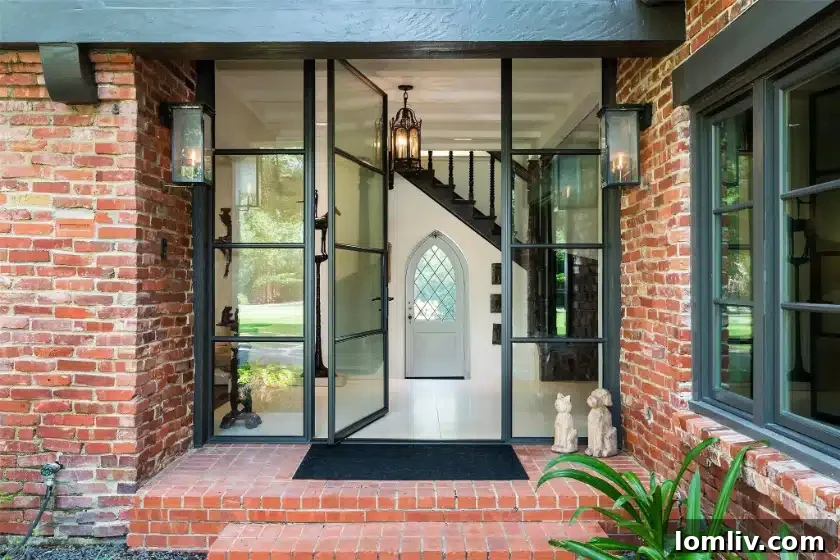
When it comes to the restoration and thoughtful updating of a Charles S. Dilbeck home, there is arguably no one more uniquely qualified than SHM principal David Stocker. His intimate understanding of Dilbeck’s distinctive architectural style stems not just from professional expertise, but from a personal passion—he owns two Dilbeck homes himself. This isn’t just a business; it’s a genuine love affair with the iconic architect’s work. It’s a common sentiment among aficionados: once you fall for a Dilbeck, or perhaps a Hutsell, there’s an undeniable gravitational pull. You find yourself drawn to their unique charm and character, moving from one beloved property to another, or seizing the opportunity to acquire another when a rare gem hits the market.
The transformation of 9300 Hathaway is a shining example of Stocker’s unparalleled ability to honor Dilbeck’s original vision while seamlessly integrating the demands of modern luxury living. Dilbeck’s homes, known for their rustic charm, intricate detailing, and often whimsical elements, present a particular challenge for renovators. The key is to enhance functionality and comfort without stripping away the idiosyncratic personality that makes a Dilbeck home so special. Stocker’s approach showcases how period-appropriate materials, meticulous craftsmanship, and a deep respect for historical context can result in a revitalized home that feels both authentic to its past and perfectly suited for a new generation. This project underscores the profound impact an expert with a personal connection to an architectural style can have on its preservation and evolution.
For a deeper dive into this exquisite transformation, explore the original feature: David Stocker Transformed a Historic Preston Hollow Charles S. Dilbeck for a New Generation.
4731 Wildwood Rd.: Evolving a Dilbeck for Contemporary Living
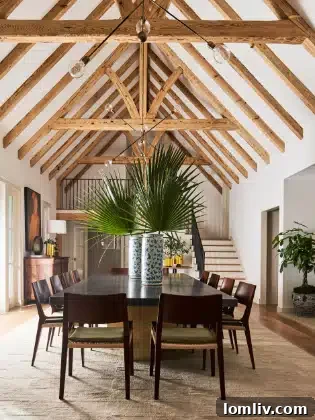
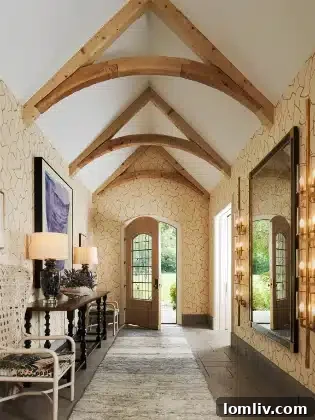
The journey of 4731 Wildwood Rd. exemplifies how architecturally significant homes can gracefully evolve over time, undergoing multiple layers of thoughtful restoration to remain relevant and luxurious. This particular Dilbeck began its modern revitalization with the skilled hands of architect Ralph Deusing and builder Randy Clowdus. Their initial efforts laid a strong foundation, bringing the home up to contemporary standards while preserving its inherent character. Then, in 2021, the property embarked on another extensive and equally sensitive update, overseen by Philip Vanderford of Studio Thomas James and Lloyd Construction.
This multi-stage approach highlights a crucial aspect of historic preservation: it’s often an ongoing process, a continuous dialogue between past and present. Vanderford and Lloyd Construction demonstrated an extraordinary commitment to detail, carefully bringing this architecturally significant home further in line with today’s lifestyle expectations. They managed to introduce modern conveniences and aesthetic refinements without sacrificing the distinctive Dilbeck charm. The result is a home that not only respects its origins but thrives as a fully functional, highly desirable luxury residence, proving that even after initial restoration, further enhancements can elevate a property to new heights of sophistication and liveability. Such layered renovations demonstrate a profound respect for the home’s history while ensuring its continued relevance in a dynamic luxury market.
Discover why many consider this the finest Dilbeck in Dallas: This Bluffview Home Might Be The Best Dilbeck in Dallas.
6657 Lakewood Blvd.: Reinventing a Dines & Kraft Mediterranean
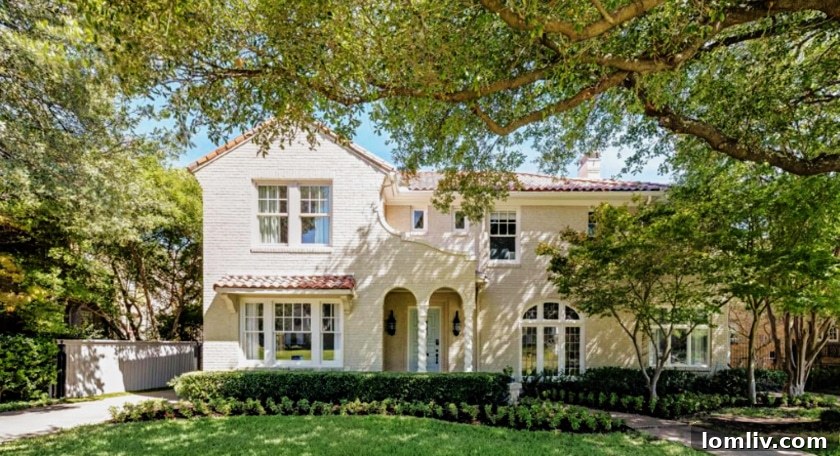
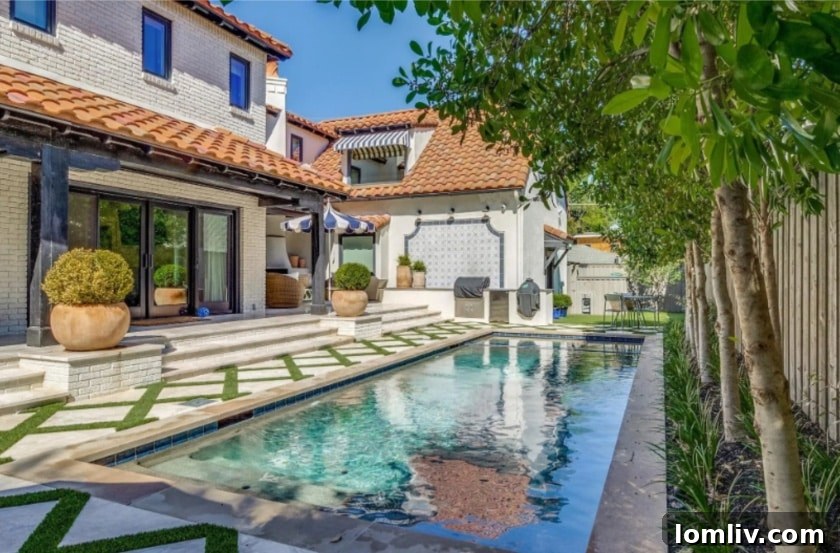
Bianca Watson’s deep devotion to historic homes is a legacy nurtured from childhood, growing up with a fearless serial renovator mom. This ingrained passion fueled her ambitious project to reinvent her architecturally significant Dines & Kraft Mediterranean residence. For this endeavor, she enlisted the talents of Bryan Wetz, the visionary founder and designer behind Council & Craft, and now of Sabado Homes. Together, they embarked on a journey to transform a beloved piece of architectural history, ensuring it continued to shine brightly for decades to come.
The Dines & Kraft partnership was renowned for crafting homes with distinctive styles and enduring quality, and this Mediterranean gem is no exception. Watson and Wetz’s collaboration focused on a sensitive yet transformative makeover, understanding that “reinvention” means enhancing the home’s inherent beauty and functionality rather than erasing its past. They meticulously updated the interiors and potentially reconfigured spaces to better suit a contemporary family while preserving the quintessential Mediterranean elements – from its characteristic arches and tile work to its stucco finishes and terracotta roof. This project stands as a powerful example of how a deep personal commitment to historic properties, combined with expert design, can culminate in a breathtaking revitalization that honors heritage while embracing modern living. The story of 6657 Lakewood Blvd. is a celebration of fearless renovation and a testament to the enduring appeal of Dines & Kraft’s architectural legacy.
Explore the full story of Bianca Watson’s remarkable makeover: Bianca Watson’s Historic Lakewood Dines and Kraft Makeover.
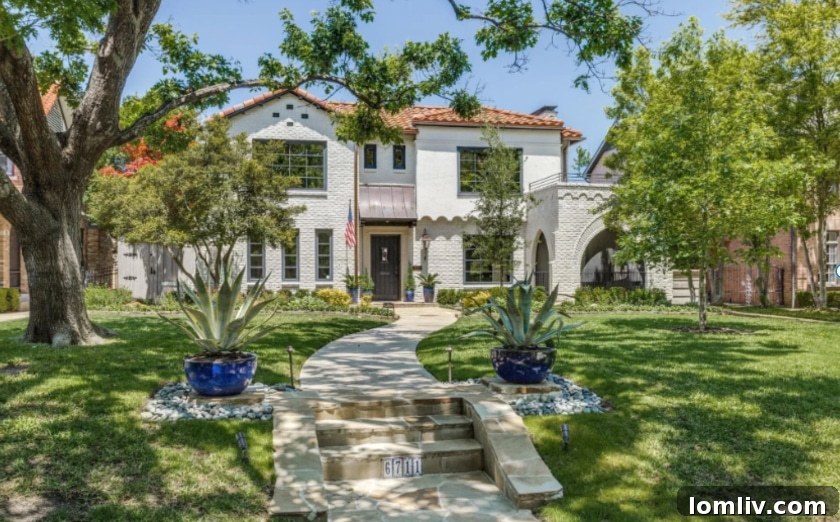
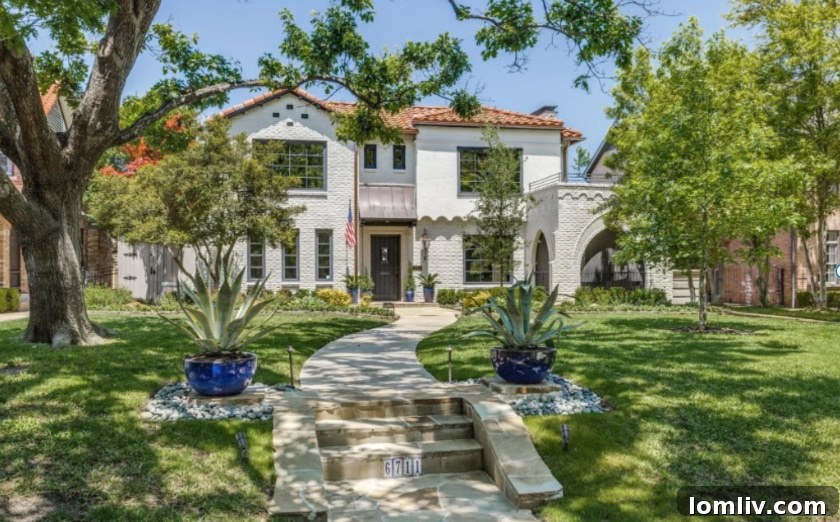
6711 Lakewood Blvd.: A Dines & Kraft Spanish Eclectic Legacy
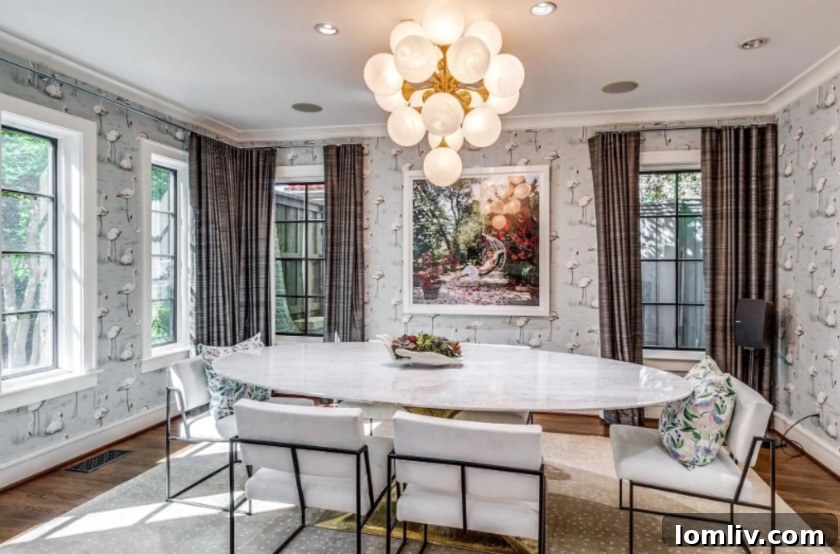
The 1930 Spanish Eclectic home at 6711 Lakewood Blvd. holds a particularly special place in the annals of Dallas architectural history. Not only was it masterfully constructed by the prolific Dines & Kraft team, whose distinctive touch is evident throughout Lakewood, but it also served as the cherished family home of Albert Dines himself for many years. This dual significance imbues the property with an even deeper layer of historical resonance, making its preservation an act of profound cultural importance.
Over the years, this magnificent residence has been carefully preserved, thoughtfully updated, and judiciously expanded, showcasing a harmonious blend of old and new. Its journey provides a much-needed dose of hope and serves as a powerful reminder that the effort invested in preserving our historic homes is indeed profoundly worthwhile. Spanish Eclectic architecture, with its characteristic red tile roofs, stucco walls, arched doorways, and intricate ironwork, evokes a sense of romance and timeless elegance. The successful preservation and modernization of this home demonstrate that these unique architectural elements can be celebrated and seamlessly integrated into contemporary living spaces, providing both aesthetic beauty and functional comfort. This home stands as a beacon, illustrating precisely what dedicated historic preservation in a neighborhood like Lakewood can achieve: vibrant, luxurious, and historically rich residences that will continue to inspire for generations.
See how this Dines & Kraft Spanish Eclectic exemplifies preservation: Dines & Kraft Spanish Eclectic Shows What Historic Preservation in Lakewood Can Look Like.
3801 Gillon: A Hal Thompson English Country Timelessness
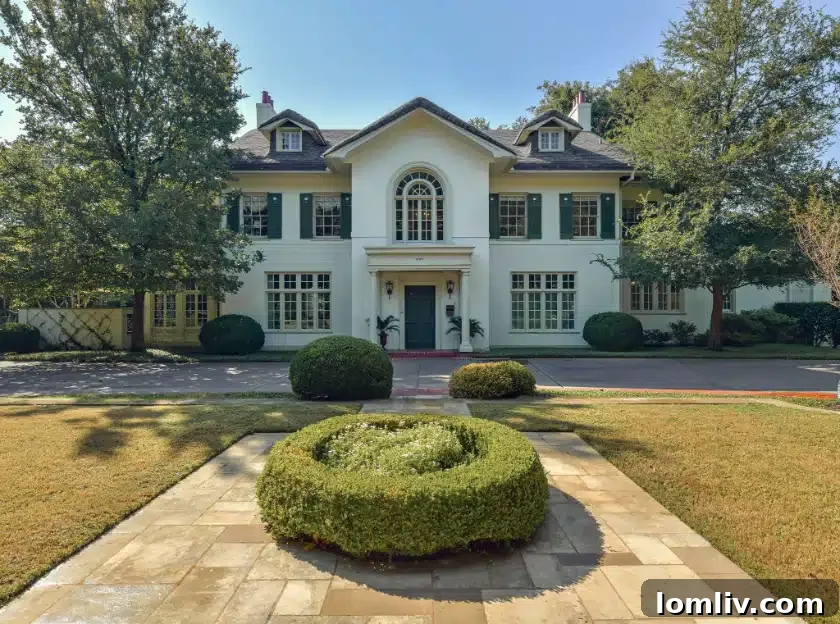
In the esteemed enclave of Highland Park, when it comes to the original, grand estates, architect Wilson Fuqua stands as the undisputed go-to authority. His profound understanding of historic architecture, particularly in how to approach and treat a historic house with the reverence it deserves, is unmatched. The English Country home at 3801 Gillon, originally designed by the legendary architect Hal Thompson in 1917, is a quintessential example of the architectural style that came to define Highland Park itself.
Fuqua’s insights into this particular property are invaluable, as he has precisely articulated why such homes are not just aesthetically pleasing but fundamentally important. What strikes us most about this residence is its remarkable longevity and continued relevance. After 106 years, this English Country home lives beautifully, gracefully adapting to changing times with very few structural or aesthetic compromises. This enduring quality gives us significant pause to reflect on what we construct today. The craftsmanship, the thoughtful design, and the use of enduring materials in Hal Thompson’s original work have resulted in a home that has stood the test of time, remaining both elegant and functional without the need for extensive overhauls. It’s a powerful testament to the value of classic architectural principles and a stark contrast to the often ephemeral nature of contemporary construction trends. Fuqua’s analysis not only celebrates this particular home but also serves as a poignant lesson in sustainable and timeless design, urging us to consider the long-term legacy of our built environment.
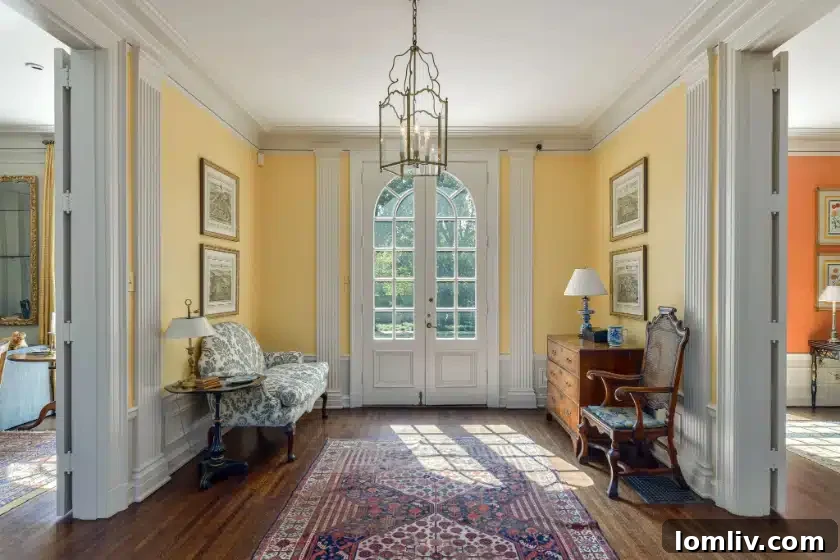
Delve into Wilson Fuqua’s expert insights on this Hal Thompson masterpiece: Wilson Fuqua Offers Insight Into a Highland Park English Country House by Hal Thomson.
The Future is Historic: Blending Past Grandeur with Modern Living
Looking back over these featured 2023 historic luxury homes, a crucial lesson emerges for us all: the idea that historic homes are outdated or incompatible with modern lifestyles is a myth. On the contrary, these examples vividly demonstrate that you can indeed have a magnificently beautiful historic home that not only works seamlessly for a modern lifestyle but often surpasses new construction in terms of character, quality, and soul. The integration of cutting-edge technology, open-concept living, and personalized amenities can be achieved with thoughtful planning, all while respecting the architectural integrity and historical significance of the original structure.
The commitment of homeowners, architects, and designers to these restoration projects is not just about preserving buildings; it’s about safeguarding cultural heritage, promoting sustainable living through adaptive reuse, and creating spaces that inspire and delight. These homes are more than just an investment in real estate; they are an investment in history, artistry, and a unique way of life that values both tradition and innovation. As we continue to appreciate and advocate for these architecturally significant properties, we ensure that their stories and beauty will endure, offering a distinct and luxurious living experience for generations to come. The future of luxury real estate, it seems, is deeply rooted in the past, celebrating the enduring elegance of historic homes made new again.