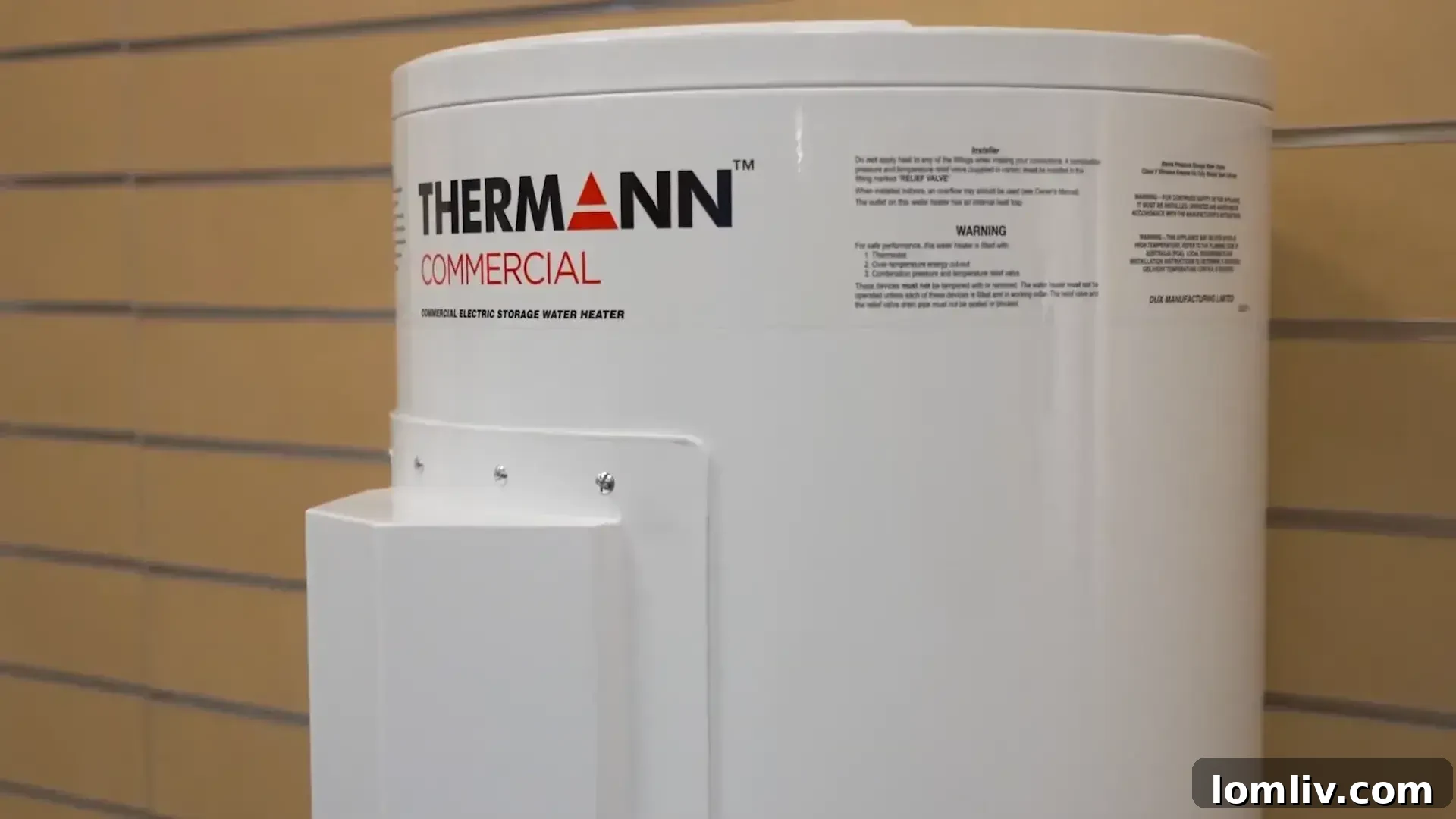
Choosing the optimal hot water system for an educational institution is a critical decision, impacting everything from daily operations to student well-being and long-term budget. While numerous options exist, electric hot water systems, particularly those installed and maintained by experienced providers like Same Day Hot Water Service, stand out as the superior choice for schools. These systems offer a compelling array of advantages that make them uniquely suited for the dynamic and demanding environment of a school campus. This comprehensive article will delve into why electric solutions consistently outperform traditional gas and less adaptable solar alternatives, highlighting the profound benefits of reliable hot water for students, teachers, and staff. We will explore their inherent safety features, superior energy efficiency, and significant environmental contributions, equipping you with the knowledge to make an informed decision for your school’s infrastructure.
Unwavering Reliability for Unceasing Demand
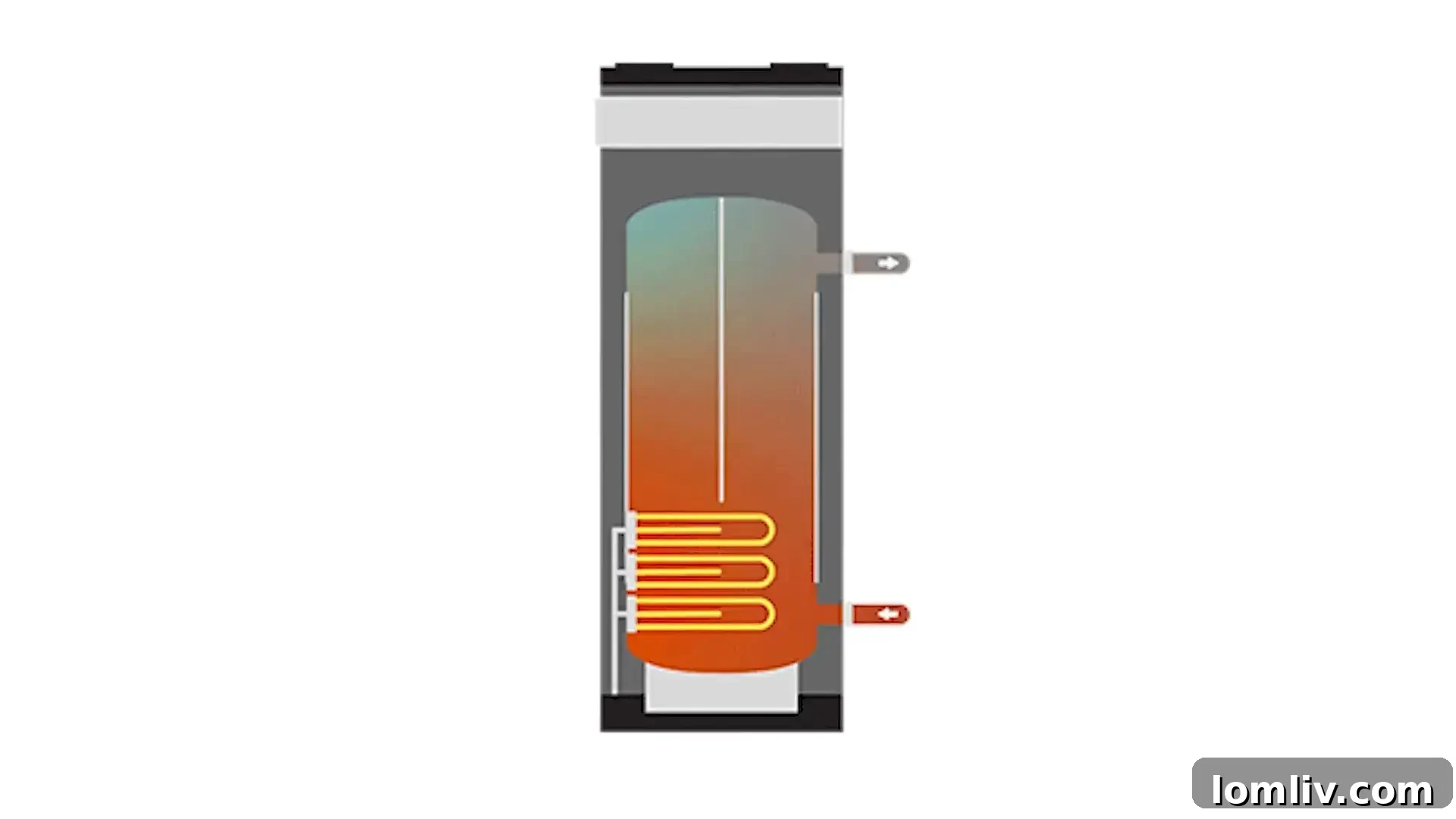
Schools are bustling hubs of activity with an exceptionally high and continuous demand for hot water. This isn’t just for a few hours a day; it’s a constant necessity from morning till evening. Consider the diverse needs: food preparation in cafeterias, rigorous cleaning protocols for hygiene, countless handwashing opportunities throughout the day, essential showering facilities for sports teams, and various needs in science labs, art rooms, and staff areas. An electric hot water system is engineered to meet this incessant demand, providing a steady and virtually endless supply of hot water on demand. Unlike gas tanks with finite capacities that require recovery time after depletion, electric systems are designed for consistent performance, ensuring that even with hundreds of students and staff members utilizing hot water simultaneously, the supply never falters.
This unwavering reliability translates directly into operational efficiency and peace of mind. There’s no concern about running out of hot water during critical periods, such as lunch service or after a sports event. Modern electric systems, whether large-capacity storage tanks or highly efficient tankless units, are sized and configured to match a school’s specific usage patterns, guaranteeing that the vital flow of hot water remains uninterrupted, contributing to a smooth and hygienic school day.
Precise and Flexible Temperature Control
The ability to precisely control water temperature is paramount in a school environment, balancing the critical needs of safety and sanitation. Electric hot water heaters excel in this regard, offering intuitive and accurate temperature adjustment. For areas used by younger students, such as elementary school restrooms or art rooms, temperatures can be easily dialed down to safe levels, mitigating any risk of scalding. Conversely, for spaces requiring stringent sanitation, such as industrial dishwashers in the cafeteria or specific science lab applications, the temperature can be quickly increased to meet health code requirements for disinfection.
This level of granular control is often challenging to achieve with conventional gas systems, which typically have preset temperatures that are harder to customize on the fly. Electric systems provide administrators and facility managers with fingertip control over water temperature, allowing for swift adjustments based on the specific needs of each area within the school campus. This flexibility ensures compliance with health and safety regulations while optimizing comfort and utility, making electric systems an indispensable asset for any educational institution.
Consistent Water Flow and Comfort
Imagine the frustration and potential disruption caused by inconsistent hot water—sudden blasts of cold water during a shower, or lukewarm water when it should be piping hot. Electric hot water systems virtually eliminate these issues by heating water consistently as it flows through the unit or maintaining optimal temperatures within well-insulated storage tanks. This design ensures a steady and predictable supply of hot water without the fluctuations commonly associated with gas tanks that slowly lose heat and then require reheating cycles, leading to intermittent cold water bursts.
This consistent performance is not merely a matter of comfort; it contributes significantly to the overall positive experience for students and staff. In showers, it means no unexpected temperature drops. In kitchens, it ensures efficient and effective cleaning. For handwashing, it provides a reliably warm stream. The smooth, even water flow from an electric system is a subtle yet significant factor in creating a comfortable, safe, and efficient environment throughout the school day, preventing disruptions and enhancing user satisfaction.
Outstanding Energy Efficiency and Cost Savings
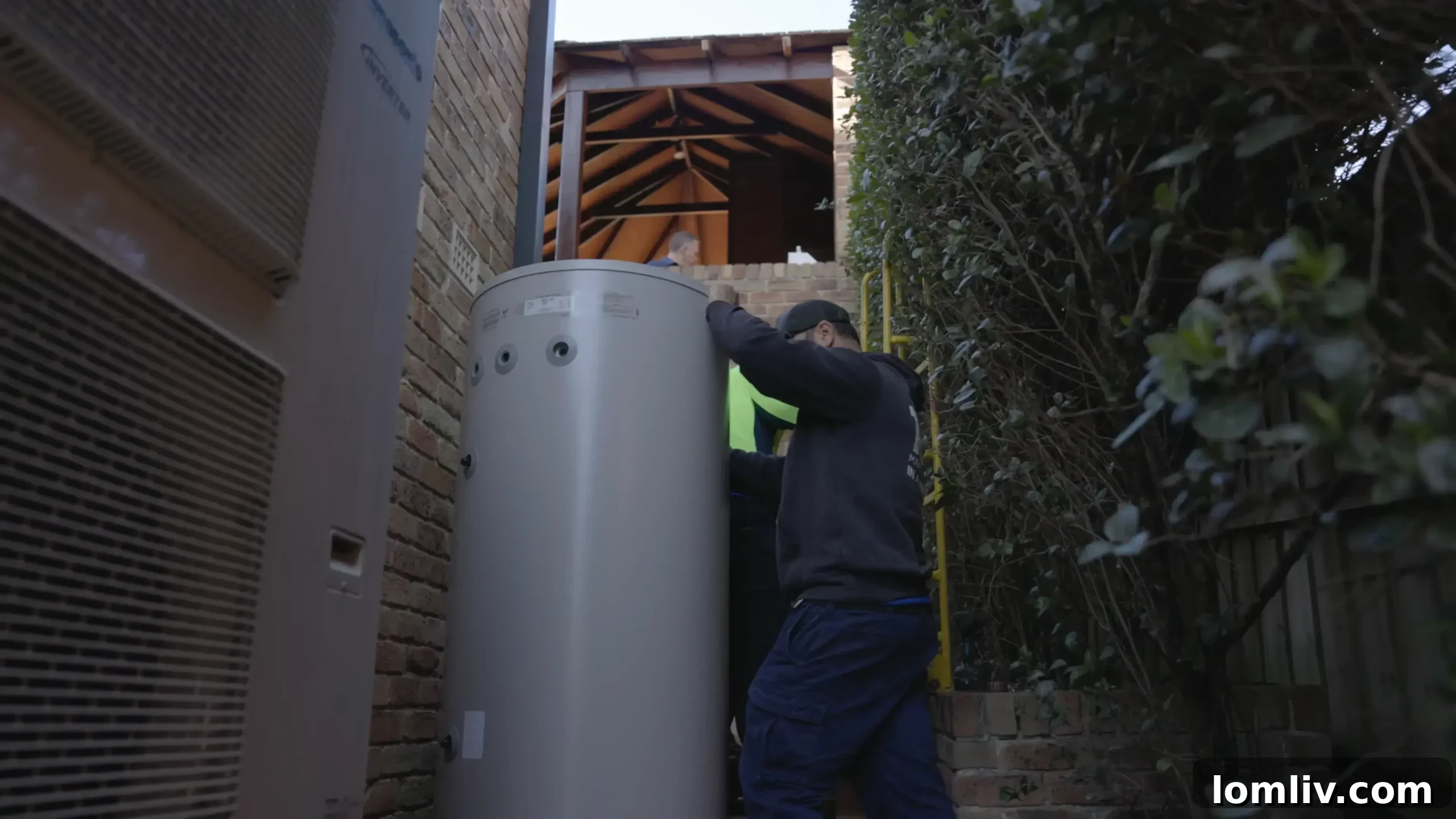
Energy efficiency is a cornerstone of modern school management, directly impacting operational budgets and environmental responsibility. Electric hot water systems offer substantial advantages in this area. Many electric options, particularly tankless (on-demand) systems, heat water only when it’s needed. This eliminates standby energy waste associated with constantly maintaining a large tank of hot water, which is a common inefficiency in traditional gas storage tanks. When a faucet is turned on, the electric unit rapidly heats the water, ensuring minimal energy consumption.
Furthermore, advancements in electric water heating technology include highly efficient heat pump water heaters (HPWHs). These systems don’t generate heat directly; instead, they move heat from the surrounding air to the water, making them two to three times more energy-efficient than conventional electric resistance water heaters. This significant reduction in energy usage translates into considerable long-term savings on utility bills for schools. With features like smart controls, programmable thermostats, and the ability to operate during off-peak electricity hours (where available), electric systems provide schools with powerful tools to manage and reduce their energy footprint and operational costs effectively.
Unparalleled Safety for Educational Environments
Safety is the number one priority in any school. Electric water heaters inherently offer a superior safety profile compared to gas-fired units. By producing no on-site flames or combustion byproducts, they eliminate the critical risks associated with gas leaks, carbon monoxide poisoning, and potential fires. This fundamental difference provides immense peace of mind for school administrators, staff, parents, and the community at large.
Gas units, by their nature, require careful venting to expel combustion gases, rely on pilot lights or electronic igniters, and carry the inherent risk of fuel leaks. Electric systems operate without these combustion processes, removing a layer of complex safety considerations. Modern electric water heaters are also equipped with advanced safety features such as overheat protection, pressure relief valves, and often integrate with ground-fault circuit interrupters (GFCIs) for enhanced electrical safety. Choosing electric means opting for a fundamentally safer technology, minimizing risks and contributing to a secure learning environment.
Committed to Environmental Stewardship
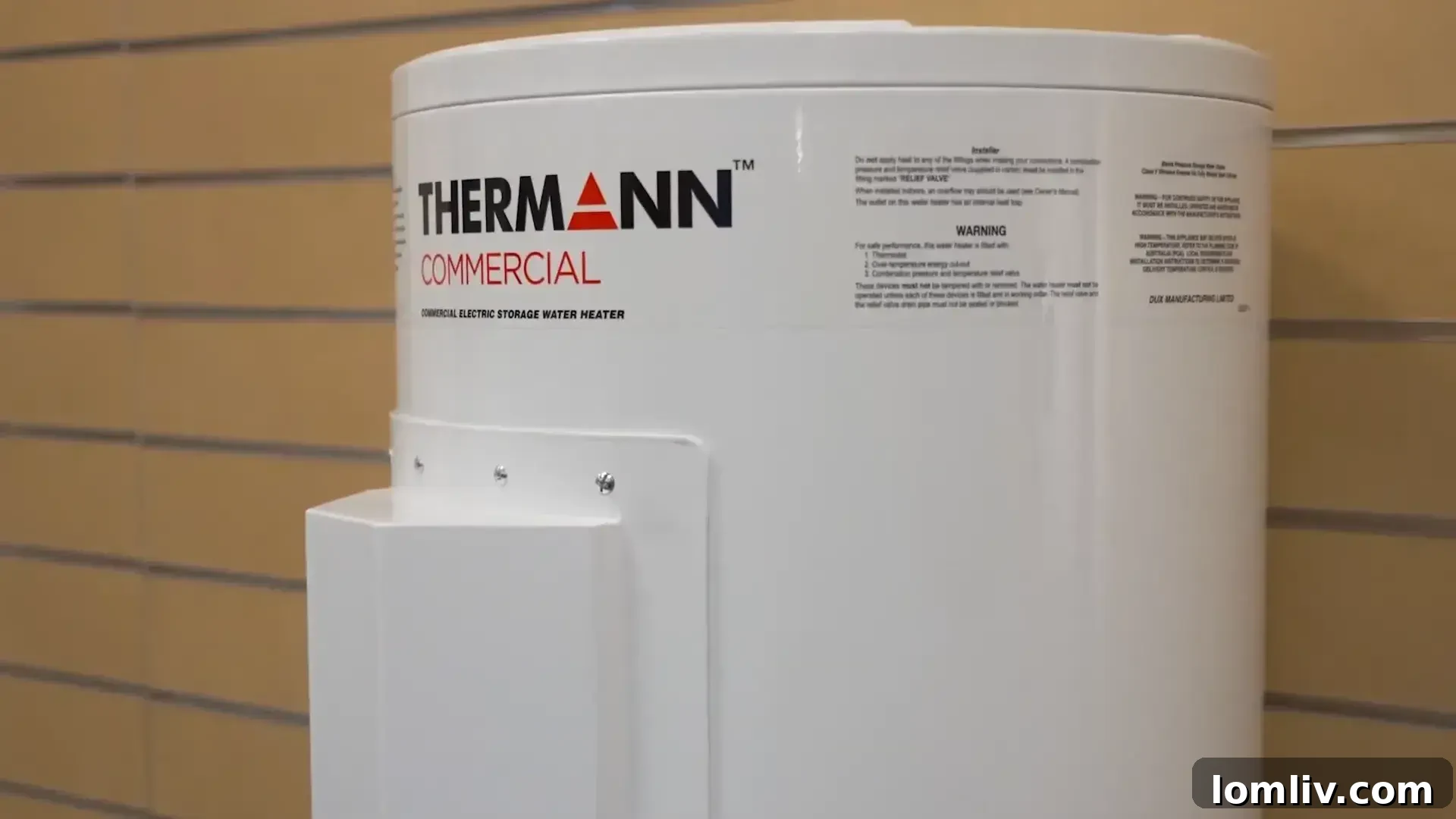
As schools increasingly adopt sustainability goals and integrate environmental education into their curriculum, selecting eco-friendly infrastructure becomes paramount. Electric hot water systems are a clear winner in this aspect. A significant and growing portion of electricity grids worldwide is now powered by renewable sources such as solar, wind, and hydroelectric energy. This trend means that the electricity powering an electric water heater is becoming progressively cleaner, leading to minimal or even zero greenhouse gas emissions at the point of use.
Furthermore, for schools in sunny regions or those with existing solar photovoltaic (PV) installations, electric water heaters can be directly powered by on-site renewable energy, creating a truly carbon-neutral hot water solution. In contrast, burning natural gas or propane for water heating directly produces carbon dioxide and other greenhouse gases, contributing to climate change. For schools committed to reducing their carbon footprint, demonstrating environmental leadership, and aligning their operations with their educational values, electric heaters represent the most responsible and eco-friendly choice for hot water provision.
Quiet Operation and Installation Versatility
The learning environment requires minimal distractions, and noise from mechanical systems can be a significant issue. Electric hot water units are renowned for their remarkably quiet operation. Unlike gas units that can produce noticeable clanging, hissing, or rumbling noises during ignition and operation, electric systems typically run silently, making them ideal for installation in or near classrooms, administrative offices, or other noise-sensitive areas. This quiet performance contributes to a more focused and comfortable atmosphere for students and staff.
Beyond quietness, electric systems also offer superior convenience in terms of installation. Their compact design and lack of combustion venting requirements allow for greater flexibility in placement. They can be installed in tight mechanical rooms, utility closets, or even smaller, more discreet locations that would be unsuitable for bulkier, vented gas units. This versatility simplifies facility planning and can free up valuable space within the school building. Additionally, electric systems generally require less complex maintenance compared to gas units, simplifying upkeep and potentially reducing long-term service costs for the school.
Conclusion: The Smart Choice for Modern Schools
In conclusion, the case for electric hot water systems in schools is overwhelmingly strong. From their unwavering reliability that guarantees a constant supply of hot water for diverse needs to their precise temperature control essential for both safety and sanitation, electric systems are engineered for the demands of educational institutions. Their superior energy efficiency, particularly with advanced heat pump models, translates into tangible cost savings and a reduced environmental footprint. Most critically, the inherent safety of electric systems, free from combustion risks, provides invaluable peace of mind for everyone within the school community.
Furthermore, their quiet operation and flexible installation options make them a practical and unobtrusive addition to any campus. As schools continue to evolve, prioritizing student well-being, operational efficiency, and environmental responsibility, electric hot water systems are not just a convenient option; they are becoming the new standard for smart, sustainable, and safe educational facilities everywhere. Investing in a modern electric hot water solution is an investment in the comfort, health, and future of your school community. It is always advisable to consult with hot water system experts to tailor the perfect electric solution for your specific school’s needs and ensure optimal performance and longevity.