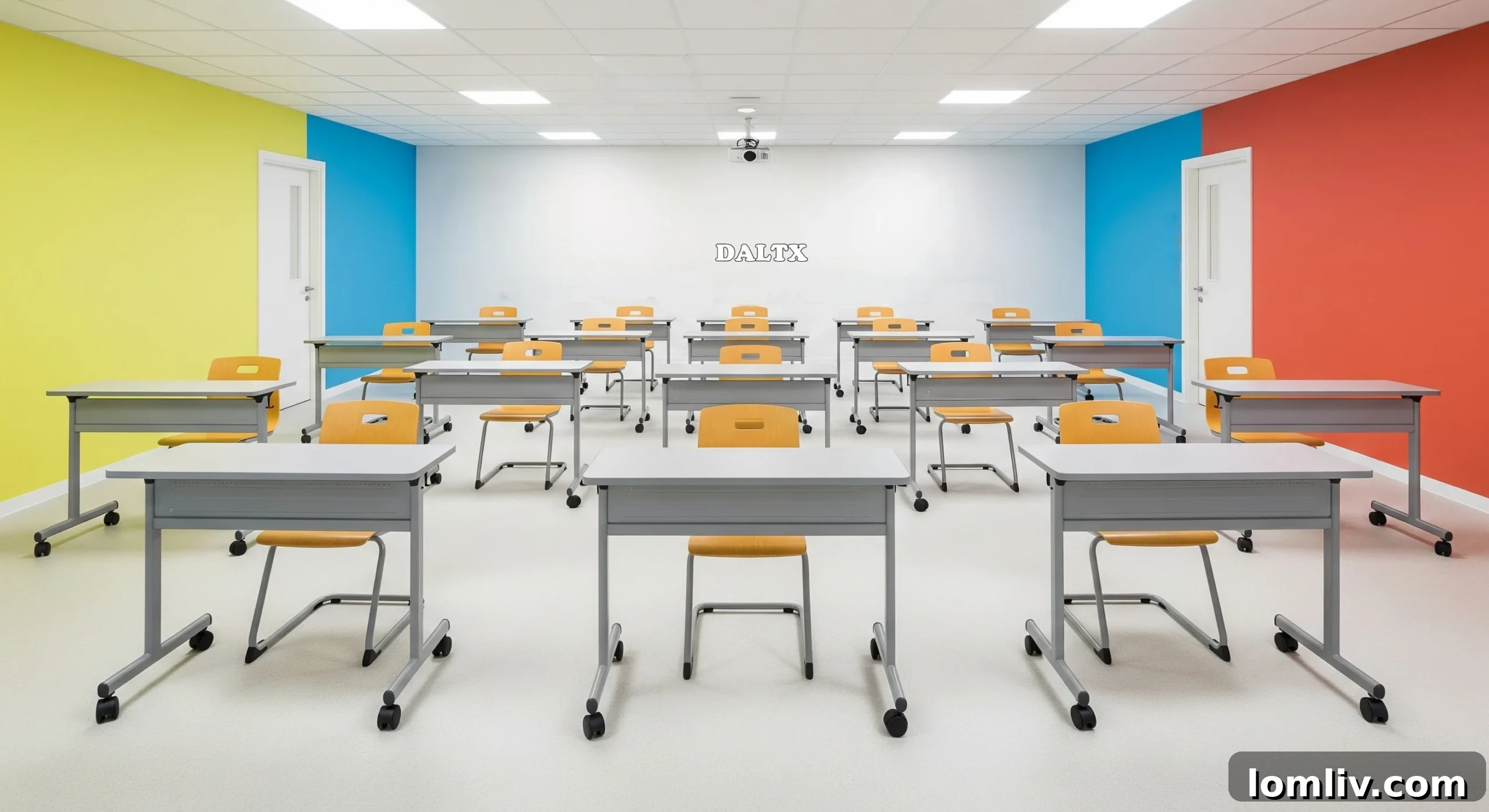
The strategic selection of classroom furniture stands as a cornerstone in forging an effective and inspiring learning environment. Far from mere utilitarian items, these essential pieces profoundly influence student comfort, foster engagement, and directly impact productivity within educational settings. Understanding the multifaceted considerations involved in choosing classroom furniture can be a transformative factor in enhancing the overall ambiance and functionality of any learning space. This comprehensive guide aims to equip educators and administrators with the crucial insights and key questions necessary to make informed, impactful decisions that benefit students for years to come.
Investing in the right school furniture is more than just a purchase; it’s an investment in student well-being, academic success, and the future of education. From elementary schools to higher education institutions, the furniture chosen must align with modern pedagogical approaches, support diverse learning styles, and adapt to the evolving needs of the 21st-century classroom. By delving into critical aspects such as ergonomics, flexibility, durability, and technological integration, this guide illuminates the path toward creating dynamic, supportive, and truly exceptional learning spaces.
Prioritizing Comfort and Ergonomics for Optimal Learning
Student comfort is paramount in maintaining focus and minimizing fatigue throughout long school days. When students are physically comfortable, their cognitive resources are freed to engage with lessons rather than being diverted by discomfort. Ergonomic classroom furniture is specifically designed to promote good posture and support the natural alignment of the human body, which is crucial for the developing physiques of children and adolescents. Brands like Marco school furniture exemplify this commitment by offering solutions that cater to diverse student needs.
Key ergonomic features include adjustable chairs and desks that can be customized to different heights, ensuring that students of all ages and sizes can sit comfortably with their feet flat on the floor and their arms at a proper working angle. This adaptability is vital from early childhood education through high school, as students grow rapidly. Furthermore, elements such as softly contoured edges, cushioned backrests with lumbar support, and adequate seat depth significantly enhance comfort, effectively minimizing discomfort, fidgeting, and potential distractions. Prioritizing ergonomics in school furniture selection not only fosters immediate student well-being but also contributes to long-term health, reducing the likelihood of musculoskeletal issues associated with poor posture and prolonged sitting. A comfortable student is an attentive and productive student, making ergonomic design a non-negotiable aspect of any modern learning environment.
Considering Flexibility and Versatility in Classroom Design
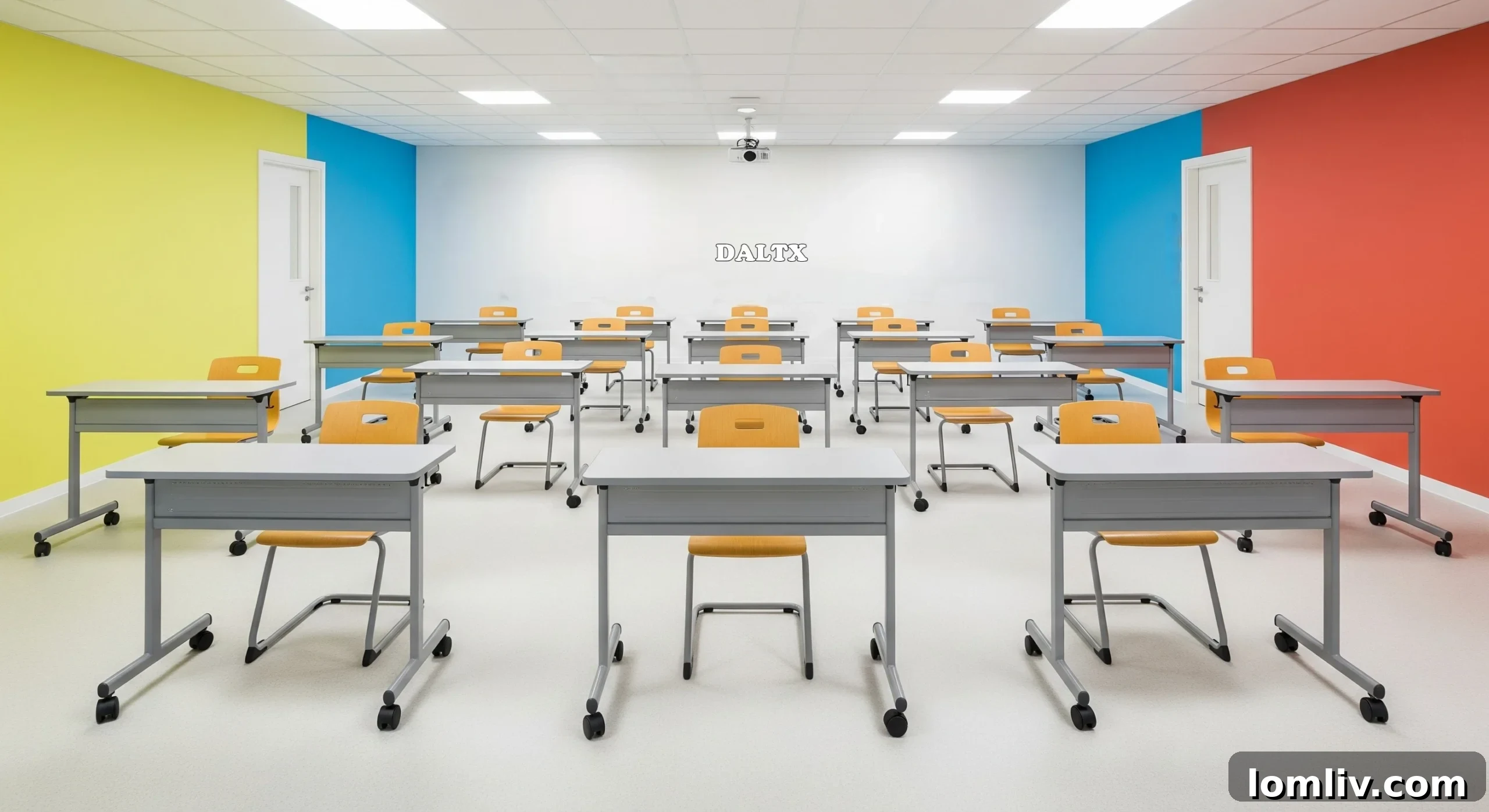
In today’s dynamic educational landscape, classroom furniture that offers flexibility and versatility is no longer a luxury but a necessity. The traditional fixed rows of desks are giving way to adaptable spaces that can quickly reconfigure to support various pedagogical approaches. Easily movable tables and chairs, often crafted from lightweight yet sturdy materials, empower educators to transform their classrooms from individual workstations to collaborative group settings, project-based learning zones, or even open discussion areas within minutes. This adaptability is key to fostering an environment where diverse learning styles are accommodated and interactive teaching methods can flourish.
Flexible classroom design encourages greater student interaction, promotes active learning, and allows for fluid transitions between different activities. Modular furniture pieces, such as tables that can be nested, stacked, or connected, and chairs with casters, enable quick adjustments to suit specific lesson plans or student needs. This versatility not only optimizes the use of available space but also nurtures synergy and innovation among learners. By facilitating a myriad of interaction forms – from one-on-one tutoring to small group discussions and large class presentations – flexible school furniture plays a crucial role in creating an engaging, responsive, and student-centered learning environment that prepares students for the collaborative demands of the future.
Focusing on Durability and Quality for Long-Term Value
Purchasing high-quality classroom furniture represents a significant, long-term investment for any educational institution. While the initial cost of premium, durable pieces might seem higher, it invariably translates into substantial savings over time by mitigating the need for frequent replacements of worn-out, broken, or substandard items. School furniture is subjected to extraordinary wear and tear, from daily student use and movement to occasional accidental damage. Therefore, selecting robust and resilient materials is paramount to ensuring longevity and maintaining the aesthetic appeal of the learning space.
Materials such as solid wood, tempered steel, high-pressure laminate, and commercial-grade plastics are excellent choices for their ability to withstand the rigors of a busy classroom environment. Features like reinforced joints, scratch-resistant surfaces, and easy-to-clean finishes are indicators of superior quality that help furniture maintain its polished appearance and structural integrity year after year. Investing in durable school furniture means fewer disruptions due to repairs or replacements, lower maintenance costs, and a consistently welcoming and professional appearance for classrooms. High-quality furniture provides a reliable, sturdy foundation for learning, underscoring a commitment to sustainability and fiscal responsibility within the educational budget. This focus on durability ensures that the furniture supports a vibrant learning atmosphere efficiently and effectively for many academic cycles.
Improving Visual Appeal to Inspire Learning
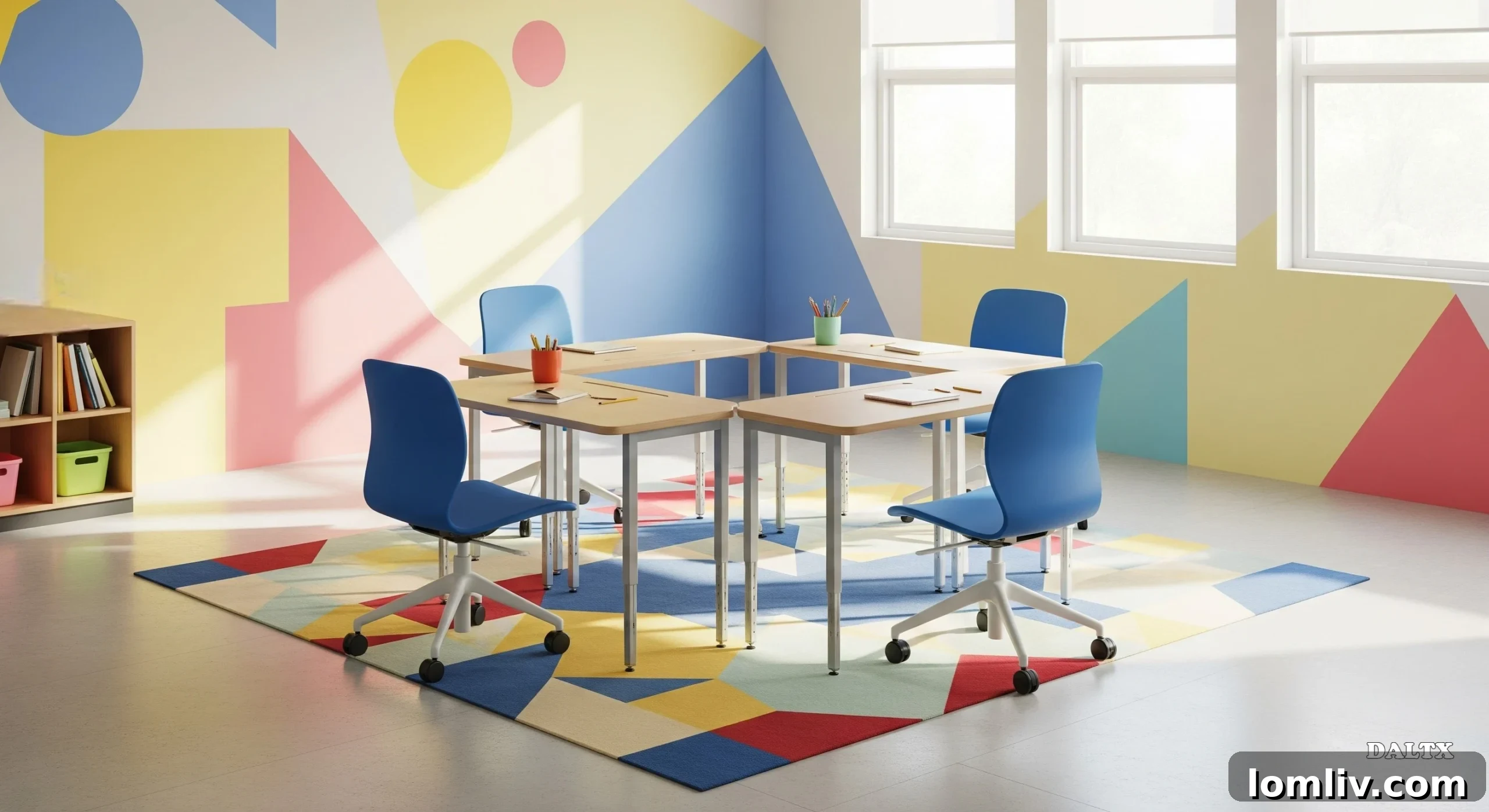
The visual appeal of a classroom extends far beyond mere aesthetics; it profoundly impacts the ambiance, student mood, and overall motivation to learn. A thoughtfully designed space that is welcoming, stimulating, and visually engaging can ignite curiosity and foster creativity. Gone are the days when classrooms were characterized by bland, institutional furniture. Modern educational furniture embraces bright colors, contemporary designs, and varied textures to create an environment that inspires and excites.
Coordinated color schemes and cohesive styles in classroom furniture contribute to a harmonious and organized atmosphere, reducing visual clutter and promoting a sense of calm or energy as needed. For example, vibrant hues can stimulate creativity and engagement in younger students, while more subdued tones might foster concentration in older learners. Beyond the furniture itself, incorporating elements like natural light, engaging wall displays, and purposeful decor can further enhance the overall visual experience. A beautifully and intelligently designed learning environment encourages a positive attitude toward schooling, makes students feel valued, and cultivates a space where they are eager to explore, discover, and thrive. This investment in visual appeal signals a progressive approach to education, recognizing that environment plays a crucial role in student success and well-being.
Ensuring Safety and Compliance in Educational Settings

The safety of students is the absolute highest priority in any educational institution, and classroom furniture plays a critical role in upholding this commitment. Furnishings must meticulously meet stringent safety requirements and industry standards to prevent potential hazards and ensure a secure learning environment. Specific design features are paramount: rounded edges, for instance, are essential in reducing the risk of accidental injury from bumps or falls, particularly in active classrooms with young children. Stable construction and broad bases are crucial to prevent chairs, tables, or storage units from tipping over or collapsing, even under vigorous use.
Beyond structural design, the materials used in school furniture must also adhere to strict safety regulations. This includes utilizing fire-resistant components to minimize hazards in emergencies and, crucially, selecting non-toxic, lead-free, and low-VOC (Volatile Organic Compound) materials to protect students from harmful chemicals and ensure superior indoor air quality. Compliance with recognized safety standards, such as those set by ANSI/BIFMA for commercial furniture or specific regional educational safety guidelines, is not merely a legal requirement but a fundamental demonstration of a school’s dedication to student welfare. Regular inspection and maintenance of classroom furniture are also vital to ensure that safety features remain intact and functional throughout the product’s lifespan. By prioritizing safety and compliance, schools create a secure, healthy, and worry-free space where students can focus entirely on their learning and development.
Addressing Space and Layout for Optimal Functionality
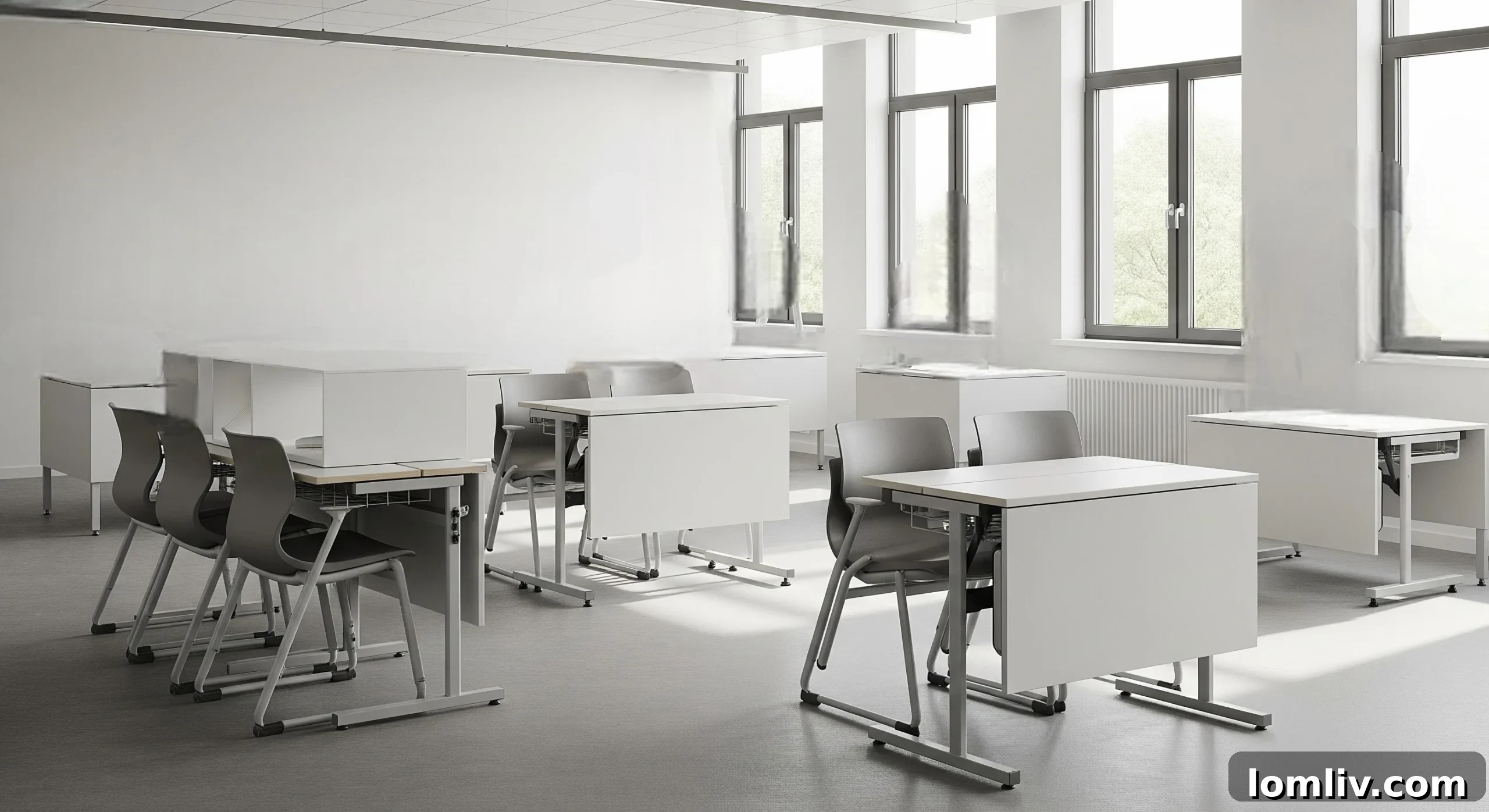
Effectively addressing the unique dimensions and characteristics of a classroom space is fundamental to selecting furniture that maximizes functionality and promotes an efficient learning environment. It’s not just about fitting pieces into a room; it’s about optimizing the entire physical layout to support educational goals. Compact and intelligent designs are invaluable for maximizing usability without creating a cramped or cluttered feeling. This is particularly important in classrooms where space may be limited, or where different activity zones need to coexist.
Innovative furniture solutions, such as stackable chairs, nesting tables, and foldable desks, offer incredible flexibility and can be easily stored away when not in use, allowing for rapid room transformations or creating open areas for whole-class activities. When it comes to the classroom layout, careful planning for student movement and clear traffic flow is essential. This ensures that students and teachers can navigate the space safely and efficiently, minimizing distractions and enhancing accessibility for all learners, including those with mobility challenges (ADA compliance). Strategically placed furniture can define learning zones—such as quiet reading corners, collaborative workspaces, or direct instruction areas—without needing physical barriers. A well-considered layout, facilitated by versatile school furniture, makes classrooms feel more open, inviting, and conducive to a wide range of teaching and learning activities, ultimately improving classroom management and pedagogical effectiveness.
Supporting Technological Integration in Modern Classrooms
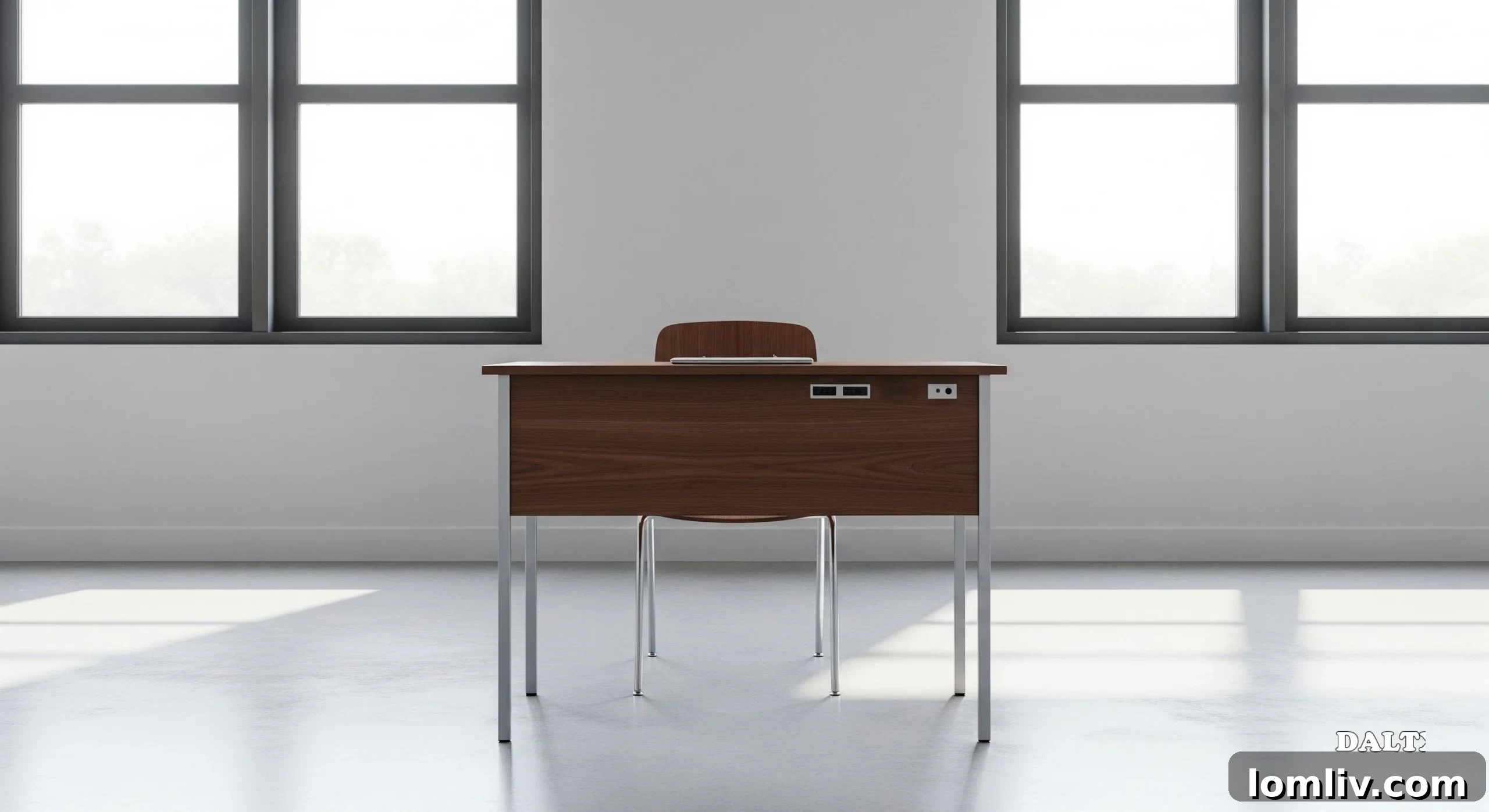
In today’s digitally driven world, technology is an indispensable component of nearly every lesson plan, transforming how students learn and interact with information. Therefore, classroom furniture must be thoughtfully designed to seamlessly support the integration of various devices like laptops, tablets, interactive whiteboards, and other digital tools into daily learning activities. Furniture that facilitates technology integration makes the transition between traditional and digital learning experiences smooth and efficient, empowering educators to leverage innovative pedagogical strategies.
Modern educational furniture often features built-in charging stations, integrated power outlets, and USB ports directly within desks or tables, ensuring that devices remain powered throughout the day without cluttering the learning space with messy cords. Effective cable management systems are crucial for maintaining an organized and safe environment, preventing tripping hazards and keeping wires out of sight. Furthermore, desks with dedicated, secure spaces for gadgets, adjustable monitor arms, or mobile device storage solutions help protect valuable equipment and maximize workspace. By providing the necessary infrastructure, tech-integrated school furniture creates an optimal digital learning environment that promotes digital literacy, facilitates blended learning, and supports a wide array of STEM activities. This proactive approach to technology integration prepares students not only for academic success but also for the technological demands of future careers and daily life.
Encouraging Environmental Responsibility and Sustainability

Environmental responsibility and sustainability are increasingly becoming core priorities in the design and procurement of educational spaces. Choosing classroom furniture made from eco-friendly materials is a powerful way for schools to demonstrate their commitment to environmental conservation and educate students about sustainable practices. This commitment extends beyond simply using “green” materials to encompass the entire life cycle of the furniture, from manufacturing processes to end-of-life disposal.
Sustainable school furniture often incorporates recycled content, such as recycled plastics or metals, or utilizes responsibly sourced components like FSC (Forest Stewardship Council) certified wood, bamboo, or rapidly renewable resources. Manufacturers that prioritize energy-efficient production methods, minimize waste, and offer take-back programs further contribute to a reduced ecological footprint. Beyond material choice, schools can also look for certifications like GREENGUARD Gold, which ensures products meet stringent chemical emissions standards, thus contributing to healthier indoor air quality for students and staff. By adopting green procurement practices, schools not only contribute positively to global environmental efforts but also instill important values of resource stewardship and ecological awareness in their students. This approach to furnishing classrooms creates a healthier learning environment, aligns with modern ethical standards, and positions the school as a leader in environmental education.
Conclusion: Strategic Investment in the Future of Learning
The process of selecting classroom furniture is a complex yet critical endeavor that demands careful consideration of numerous factors. As this guide has highlighted, elements such as student comfort and ergonomics, design flexibility and versatility, long-term durability and quality, aesthetic appeal, robust safety and compliance, efficient space utilization, seamless technological integration, and a commitment to environmental responsibility all contribute significantly to creating an optimal learning environment. Each of these aspects plays a vital role in shaping the daily experiences of students and educators alike.
Thoughtfully chosen educational furniture transcends its basic function; it becomes a powerful pedagogical tool that directly impacts student engagement, well-being, and academic performance. By investing wisely in furniture that is designed with purpose and foresight, schools can better support diverse learning styles, foster collaborative interactions, enhance concentration, and promote a positive, inspiring atmosphere. Educators and administrators should approach these procurement decisions not merely as expenditures but as strategic investments in the future success and holistic development of their students. Purposeful classroom design, grounded in these comprehensive considerations, lays a strong foundation for compassionate, innovative, and highly effective education, ultimately preparing students to thrive in an ever-evolving world.