By Brenda Masse
Special Contributor
As winter weather patterns continue to bring unpredictable and often severe freezing temperatures to North Texas, homeowners face the annual challenge of protecting their properties from potential damage. The financial and emotional toll of burst pipes, damaged pools, and other cold-weather related issues can be substantial. This comprehensive guide, crafted with the unique needs of North Texas residents in mind, provides essential strategies to safeguard your home and ensure peace of mind through the coldest months. From meticulous pool care to critical pipe protection and understanding your home’s water shut-off points, we’ll equip you with the knowledge to prepare effectively for winter’s chill. Don’t let another cold snap catch you off guard; proactive winter home preparation is your best defense against the elements.
1. Safeguarding Your Pool Against Freezing Temperatures
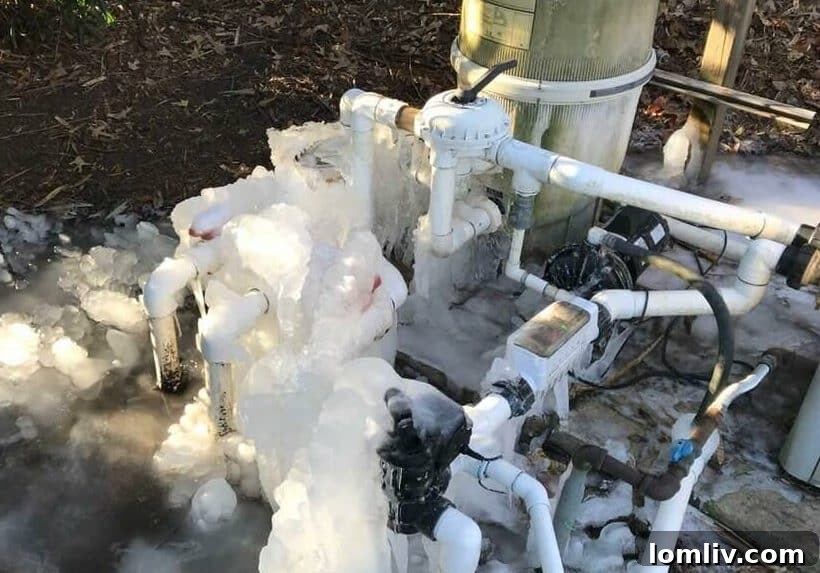
For many North Texas homeowners, a swimming pool is a cherished amenity. However, without proper winterization, it can quickly become a significant liability during a hard freeze. Past winter events have tragically resulted in widespread damage, including burst pipes, underground leaks, cracked pool decking, and fractured pool walls. The primary defense against such devastation for an active pool (one not fully drained for winter) is maintaining continuous water movement.
The Critical Role of Continuous Circulation
Water that remains stagnant in pipes or equipment can freeze solid, expand, and cause catastrophic damage. Running your pool pump continuously, especially when temperatures are predicted to drop below freezing, is paramount. This constant circulation prevents water from settling and freezing within the plumbing lines, skimmers, and main filtration system. Ensure your pool pump is in good working order before the cold weather hits, and never turn it off during a freeze unless you have completely drained your system for winterization.
Maintaining Optimal Water Levels
In addition to keeping the water moving, it’s crucial to maintain the appropriate water level in your pool. If the water level drops too low, it can expose essential components like skimmers to the freezing air, leading to cracks and extensive repairs. Regularly check your pool’s water level and add water if necessary to keep it above the skimmer opening. This ensures that all vital elements remain submerged and protected by the circulating water.
Protecting Your Pool Equipment
While continuous pump operation is vital, certain pool equipment, such as filters, heaters, and auxiliary pumps, can still be vulnerable. Consider covering these components with blankets, tarps, or specialized insulated covers to provide an extra layer of protection against the frigid air. For severe, prolonged freezes, some homeowners choose to “winterize” their pool more thoroughly by blowing out lines and adding anti-freeze, but this is typically a job for a qualified pool professional. Hobert Pools’ own Duke Loper, a trusted name in pool maintenance, offers invaluable advice on ensuring your pool equipment survives a hard freeze, emphasizing the importance of expert knowledge.
What to Do in a Power Outage
A power outage during a freeze is a pool owner’s worst nightmare, as it stops the critical circulation. If the power goes out, the immediate priority is to drain water from the pump, filter, and heater. Open all drain plugs on these components. If possible, consider removing the skimmer baskets and placing an empty, clean plastic bottle (like a water bottle) in the skimmer to absorb expansion if the water freezes. This is a temporary measure, and restoring circulation quickly is crucial once power returns.
2. Preventing Frozen and Burst Pipes
Frozen pipes are a leading cause of home damage during winter storms, often resulting in expensive repairs and significant water loss. Understanding which pipes are most susceptible and implementing preventative measures is key to avoiding this costly disaster.
Identifying Vulnerable Pipes
The pipes at highest risk of freezing are those exposed to cold air or in unheated areas. This includes:
- Exterior Pipes: Outdoor hose bibs, pool lines, and sprinkler system components are directly exposed to the elements and should be a top priority for protection.
- Pipes in Unheated Interior Spaces: This category includes plumbing located in crawl spaces (common in pier-and-beam homes), attics, garages, and utility rooms that lack adequate heating.
- Pipes Near Exterior Walls: Even within a heated home, pipes running along or through exterior walls can be vulnerable, especially if insulation is insufficient or cold drafts penetrate.
- Pipes Under Sinks and Cabinets: These can also be at risk, particularly if they are on an exterior wall and the cabinet doors are kept closed, preventing warmer air from reaching them.
Essential Prevention Strategies
During a hard freeze, a multi-faceted approach to pipe protection is most effective:
Insulate Exposed Pipes
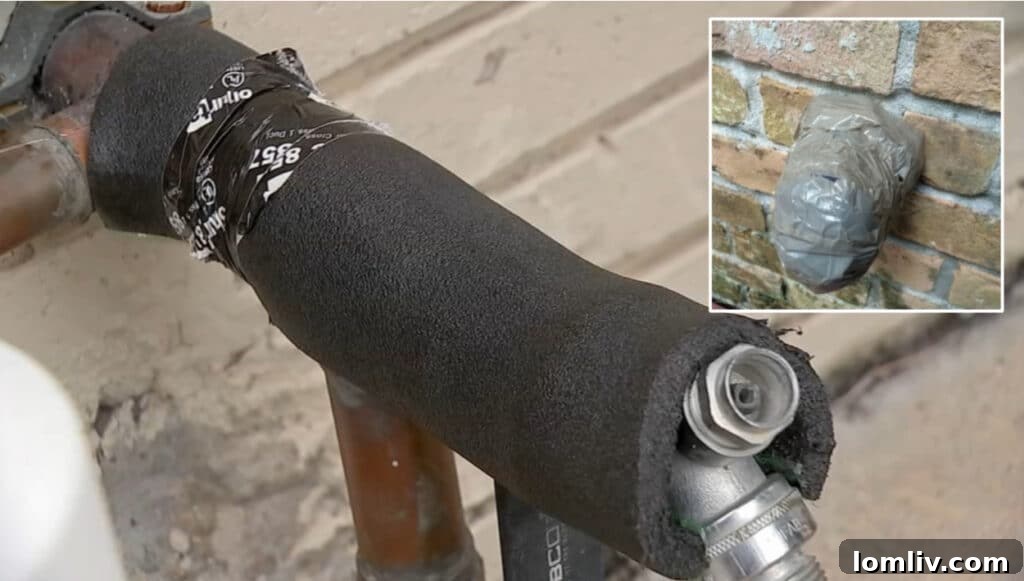
Insulation acts as a barrier, preventing heat loss from the water inside the pipes and protecting them from the freezing ambient air. You can easily purchase foam pipe coverslike these at any local hardware store. These are simple to install and highly effective for accessible pipes. In a pinch, for a quick, temporary solution, you can cover exposed pipes with a thick towel or T-shirt, wrap it in a plastic bag for moisture protection, and secure it with tape. Heat tape, an electrical heating cable, can also be wrapped around pipes and plugged in for continuous warmth, but always follow manufacturer instructions carefully to avoid fire hazards.
Drip Your Faucets
Allowing a slow, steady drip from both hot and cold water faucets, especially those on exterior walls, is a time-tested method to prevent freezing. The movement of water, even a small drip, prevents pressure from building up in the pipes as water expands when it freezes. This relieves the pressure that typically causes pipes to burst. A trickle the size of a pencil lead is sufficient; you don’t need a gushing stream.
Open Cabinet Doors
For sinks located against exterior walls, open the cabinet doors underneath. This allows warmer air from your heated home to circulate around the pipes, raising their temperature and reducing the risk of freezing. Do this for kitchen and bathroom sinks, particularly during prolonged cold snaps.
Disconnect and Drain Garden Hoses
Before freezing temperatures arrive, disconnect all garden hoses from outdoor spigots. Leaving them attached can cause water to back up and freeze within the spigot and connecting pipes, leading to burst pipes inside your walls. After disconnecting, drain any residual water from the hoses and store them away.
Winterize Sprinkler Systems
If you have an irrigation system, it’s crucial to properly winterize it. Turn off the main water supply to the system and drain all lines. Many systems have a manual drain valve, or you may need to use an air compressor to “blow out” the lines – a task often best left to a professional to ensure all water is removed and components aren’t damaged.
Maintain Indoor Temperatures
Even if you plan to be away from home during a freeze, do not turn your thermostat off completely. Set it to at least 55-60 degrees Fahrenheit (13-16 Celsius) to ensure your home’s interior remains warm enough to protect pipes, especially those within exterior walls. This small energy cost is minimal compared to the expense of repairing burst pipes.
3. Knowing How To Turn The Water Off In An Emergency
In the event of a burst pipe, every second counts. Knowing how to quickly and efficiently shut off your home’s water supply can prevent catastrophic water damage, saving you thousands in repairs and countless hours of cleanup. Don’t wait until an emergency strikes to figure this out; locate and understand your main water shut-off points now.
Locating Your Home’s Main Shut-Off Valve
Most modern homes are equipped with an emergency shut-off valve that controls the entire water supply to the house. Common locations for this valve include:
- Inside the garage, often near the water heater or an exterior wall.
- In a utility closet or basement.
- Near the foundation of the house, usually on the side closest to the street or the water meter.
- In older homes, it might be in a crawl space.
This valve is typically a ball valve (a lever handle that turns 90 degrees) or a gate valve (a circular handle that you turn clockwise multiple times). Familiarize yourself with its exact location and how to operate it. Test it periodically to ensure it’s not seized from disuse.
Emergency Shut-Off Valve: Watch this video to help locate your main home shut-off valve.
Shutting Off Water at the Meter
If your home does not have an easily accessible emergency shut-off valve, or if you cannot turn it off, the ultimate solution is to shut off the water at the municipal water meter. This meter is typically located near the curb at the front of your property, often beneath a metal or plastic cover marked “water.”
You will usually need a water meter key (available at hardware stores) or a large crescent wrench to operate the valve inside the meter box. There are typically two valves: one on your side of the meter and one on the city’s side. You should only operate the valve on your side. Turn it clockwise until the water flow stops completely. Be aware that some municipalities restrict homeowners from operating the meter shut-off themselves and may require you to call them. It’s wise to check with your local water utility for their specific guidelines.
Remember, knowing these locations and practicing how to turn them off can make all the difference in minimizing damage during a plumbing emergency.
Water Meter Shut-Off: Learn how to turn off your water at the meter in this helpful guide.
4. Additional Winter Home Preparedness Tips for North Texas
Beyond pipes and pools, a comprehensive approach to winter preparation involves several other crucial steps to ensure your home and family stay safe and comfortable.
HVAC System Check-Up
Before the real cold sets in, have your heating, ventilation, and air conditioning (HVAC) system professionally inspected. A well-maintained furnace runs more efficiently, saves energy, and reduces the risk of breakdowns during peak demand. Change your furnace filters monthly during winter to ensure optimal airflow and indoor air quality.
Seal Drafts and Air Leaks
Prevent warm air from escaping and cold air from entering by sealing any cracks and gaps around windows and doors. Use caulk for small cracks and weatherstripping for movable components like windows and door frames. This simple step can significantly improve your home’s energy efficiency and comfort.
Fireplace and Chimney Safety
If you have a fireplace, ensure it’s safe for use. Have your chimney inspected and cleaned by a certified professional annually to remove creosote buildup, which can cause chimney fires. Use only seasoned wood, open the damper before lighting a fire, and never leave a fire unattended.
Test Smoke and Carbon Monoxide Detectors
Winter often involves increased use of heating appliances, fireplaces, and potentially generators, all of which elevate the risk of fires and carbon monoxide poisoning. Test your smoke and carbon monoxide detectors monthly and replace batteries at least twice a year (a good habit is to do it when you change your clocks for daylight saving time). Ensure you have detectors on every level of your home, especially near sleeping areas.
Prepare an Emergency Kit
Winter storms can sometimes lead to power outages and make travel difficult. Assemble an emergency kit that includes flashlights, extra batteries, a battery-powered or hand-crank radio, blankets, non-perishable food, bottled water, a first-aid kit, and any necessary medications. Have enough supplies to last at least 72 hours.
Protect Your Pets
Just like humans, pets are susceptible to cold weather dangers. Bring outdoor pets inside when temperatures drop below freezing. If they must remain outdoors for short periods, ensure they have a warm, dry shelter with bedding and access to unfrozen water. Protect their paws from ice and salt during walks.
Vehicle Readiness
Don’t forget your car! Check your tire pressure, battery, anti-freeze, and wiper fluid levels. Keep an emergency kit in your vehicle as well, including jumper cables, a flashlight, blankets, and a phone charger. Keep your gas tank at least half full to prevent fuel lines from freezing and to have enough fuel if you get stuck.
Stay Informed
Monitor local weather forecasts and subscribe to emergency alerts from your city or county. Being aware of approaching severe weather gives you crucial time to implement these preventative measures.
By taking these proactive steps, North Texas homeowners can significantly reduce the risk of damage and discomfort during winter weather events. Prioritizing home maintenance and preparedness ensures your property remains a safe and warm sanctuary, even when the temperatures plummet. Stay safe and warm this week and throughout the winter season!