Texas weather is renowned for its dramatic shifts, often delivering all four seasons within a single week. One moment you’re enjoying a sun-drenched afternoon in shorts at the park, and the next, temperatures plummet, bringing the threat of freezing rain, ice, and even snow. These rapid changes underscore a crucial message for every homeowner: winter is not just coming; it’s often already here, or just around the corner, demanding immediate preparation for your home. The importance of safeguarding your property against the unique challenges of freezing temperatures cannot be overstated. Here at Upon Closer Inspection, we’ve extensively covered the critical steps needed to protect your home. This comprehensive guide compiles our best advice, ensuring you’re fully equipped to navigate a freeze with confidence, preventing costly damage and ensuring your family’s safety and comfort.
Understanding the specific vulnerabilities of your home to extreme cold is the first step toward effective winterization. From your plumbing system to your pool equipment, every aspect requires attention. This article dives deep into practical, actionable strategies, offering not just a checklist of tasks but also the ‘why’ behind each recommendation. We’ll explore how to pre-empt potential disasters, identify problems early, and even find joy amidst the chill. Prepare to transform your home into a resilient sanctuary, ready to withstand whatever unpredictable Texas winter throws its way.
1. Essential Winter Home Prep: Get Out Your Checklist
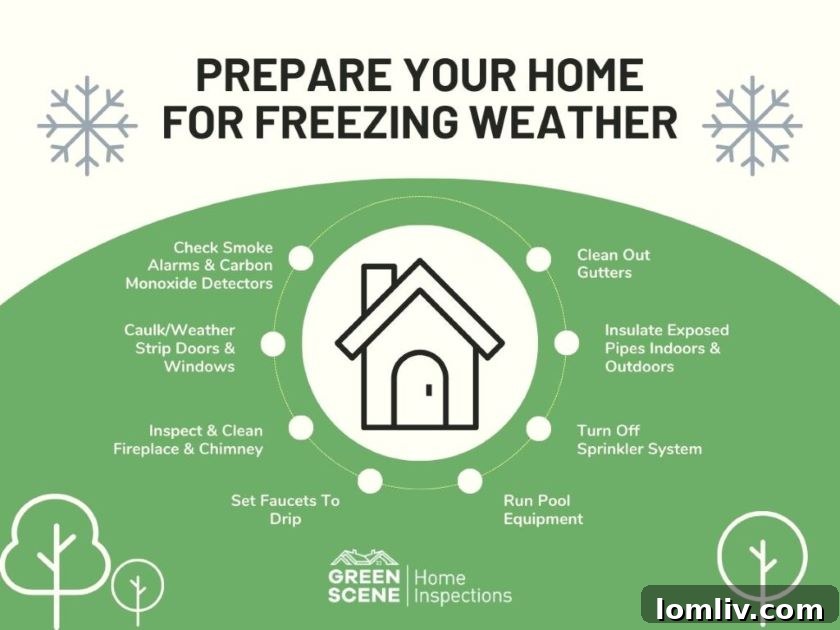
For many seasoned Texas homeowners, a robust winter preparation checklist is a familiar friend, pulled out as soon as the first cold front looms. If you saved it from last year, congratulations – you’re already ahead! For everyone else, or for those who simply need a refresher, this comprehensive list is your invaluable resource. It meticulously details every necessary step to protect your home, both inside and out, from the unforgiving grip of freezing temperatures. This isn’t just about ticking boxes; it’s about understanding the critical role each task plays in safeguarding your property and preventing potentially catastrophic damage.
Indoors, the focus shifts to preventing pipe bursts. One of the most common and effective tactics is allowing your faucets to drip. This seemingly minor action maintains a constant, albeit slow, flow of water, which helps prevent pressure buildup in your pipes as water expands when freezing. Remember to open cabinet doors beneath sinks to allow warmer indoor air to circulate around pipes, especially those on exterior walls. Setting your thermostat to a consistent temperature, even when away, is also crucial. For pipes in unheated areas like attics, crawl spaces, or basements, consider additional insulation. Foam pipe insulation, readily available at hardware stores, can offer an extra layer of protection against the cold.
Outdoors, the priorities are slightly different but equally vital. Disconnect all garden hoses from outdoor spigots, drain them, and store them away. Leaving hoses attached can trap water that freezes and expands, potentially rupturing both the hose and the spigot itself, leading to significant indoor leaks once temperatures rise. If you have a sprinkler system, ensure it’s properly drained according to manufacturer instructions. Covering sensitive plants with frost cloths or bringing potted plants indoors can save them from succumbing to the cold. Don’t forget the less obvious: ensure your smoke detectors and carbon monoxide detectors are functioning correctly, as increased use of fireplaces and space heaters during cold snaps elevates risks.
Perhaps the most critical, yet often overlooked, item on your checklist is knowing the location and operation of your emergency water shut-off valve. This valve is your ultimate defense against severe water damage in the event of a burst pipe. In a crisis, quickly turning off your main water supply can save you thousands in repairs and prevent extensive flooding. Take the time now to locate it (typically near your water meter or where the main water line enters your house), ensure it’s accessible, and practice turning it off and on. This single piece of knowledge can be a true lifesaver. By methodically addressing these points, you transform your home from vulnerable to resilient, ready to weather the storm.
For a detailed guide and printable checklist on preparing your home for an upcoming freeze, refer to our expert advice:
Prepare Your Home for the Upcoming Freeze with Advice from Home Inspectors
2. Post-Freeze Vigilance: Know How To Check For Burst Pipes
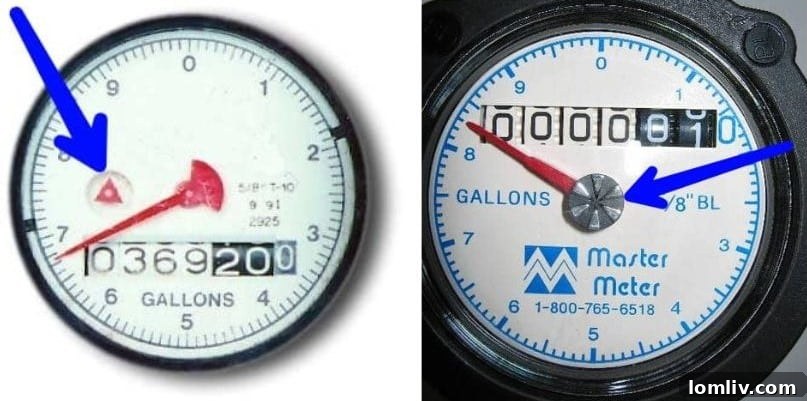
The immediate aftermath of a freeze can sometimes be more perilous than the freeze itself, particularly when it comes to the integrity of your home’s plumbing. While the ice is still solid, you might not notice a problem. But as temperatures rise and the ice in damaged pipes thaws, water can begin to flood your property, leading to extensive and costly damage. We’ve previously discussed how to leverage your water meter as an invaluable diagnostic tool for detecting hidden leaks that might signal a burst pipe. Sometimes, the issue is glaringly obvious – a geyser of water flooding your living room. However, often the damage occurs subtly, under your house, within walls, or underground, making early detection critical to mitigating long-term consequences such as structural damage, mold growth, and compromised foundations.
Knowing how to utilize your water meter can empower you to identify these hidden dangers swiftly. The process is straightforward yet highly effective. First, locate your main water meter, typically found near the street curb in a buried box with a removable lid. Once you’ve found it, observe the small, triangular-shaped leak indicator or the sweep hand on the meter. If all water fixtures in your home are turned off and this indicator is still moving, it signifies that water is flowing somewhere, indicating a potential leak. To confirm, turn off your home’s main water shut-off valve (which you’ve already located and practiced with, right?). Wait about 15-30 minutes, then recheck the water meter. If the indicator has stopped moving, the leak is likely within your home’s plumbing system. If it continues to move, the leak could be in the line between your meter and your house – a less common but equally serious issue requiring professional attention.
Beyond the water meter, other telltale signs of a potential burst pipe include a sudden and inexplicable drop in water pressure throughout your home, persistent sounds of running water when no taps are open, or unusual damp spots appearing on ceilings, walls, or floors. A noticeable spike in your water bill without a corresponding increase in usage is also a strong indicator of a hidden leak. Should you suspect a burst pipe, the immediate action is to shut off your main water supply to prevent further damage. Then, contact a qualified plumber without delay. Documenting any visible damage with photos or videos will also be helpful for insurance claims. Proactive checks after a freeze, combined with vigilance for these warning signs, can mean the difference between a minor repair and a major renovation.
For detailed steps on how to use your water meter to check for leaks and what actions to take after a freeze, consult our post-weather guidance:
What’s Next After the Freeze? Takeaways from Last Week’s Extreme Weather
3. Safeguarding Your Investment: Protect Your Pool From Freeze Damage
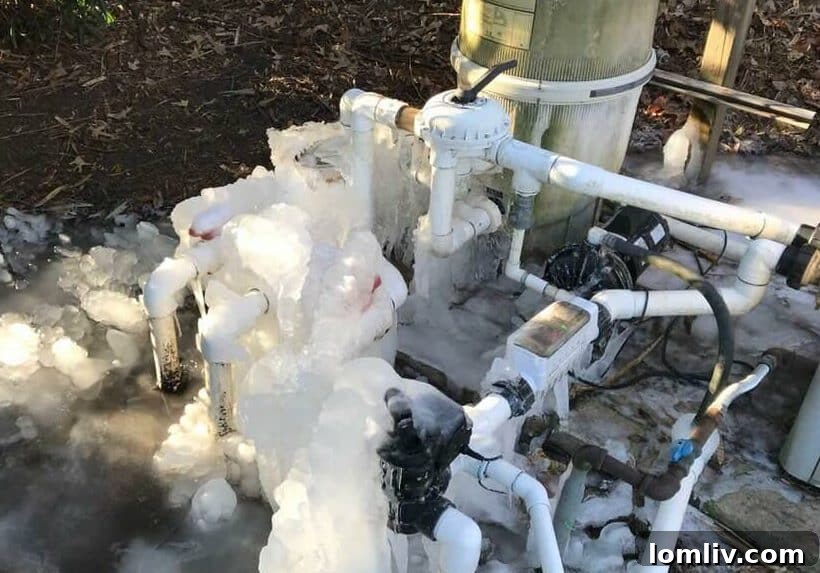
For many Texans, a swimming pool is a cherished amenity, offering a refreshing escape from the summer heat. However, when winter arrives with its freezing temperatures, that same pool can transform into a significant liability. Every year, as the freeze-thaw cycle begins, pool companies find themselves swamped with calls for expensive repairs. Burst pipes, cracked pumps, damaged filters, and compromised heaters are common casualties of neglected winterization, underscoring the adage: prevention is always cheaper than repair. Owning a pool is undoubtedly an investment, and protecting that investment through proper winter preparation is paramount.
While you can’t control the weather, there’s a great deal you can do to minimize risks. The most crucial step during a hard freeze is to keep your pool equipment running continuously. This constant circulation prevents water from sitting stagnant in pipes and equipment, which would allow it to freeze and expand, causing ruptures. Ideally, your pump should run 24 hours a day during freezing temperatures, even if it means a slight increase in your electricity bill – it’s a small price to pay compared to the cost of replacing damaged equipment. Furthermore, ensure all lines are clear and backwash your filter before the freeze hits to maximize flow.
Insulation is another key defense. Exposed pipes, especially those leading to and from your pump, filter, and heater, are highly susceptible to freezing. Wrap these pipes with foam insulation or even old blankets and towels to provide a protective barrier against the cold. Many pool owners also invest in insulating covers for their pumps and other critical equipment. Ensure your pool’s water level is adequate; it should be at the normal operating level, typically halfway up the skimmer opening, to prevent ice from forming too close to the coping or tiles. Some pool professionals may recommend adding specialized pool antifreeze to certain lines, but this should only be done under expert guidance and for specific types of plumbing. Never completely drain your pool for a freeze, as this can cause structural damage to the pool shell and leave the liner vulnerable to cracking.
Being proactive with these measures can prevent disaster. Familiarize yourself with your pool’s specific winterization needs and, if in doubt, always consult with a reputable pool service professional. They can offer tailored advice, inspect your equipment, and ensure your pool is fully prepared to endure the coldest days, saving you from a significant financial headache and ensuring your pool is ready for enjoyment when the warmer weather returns.
For a comprehensive list of actions to take to protect your pool and home during winter weather, ensuring it remains safe from freeze damage, review our expert recommendations:
Winter Weather Prep Can Prevent Disaster for Your Home and Pool
4. Embracing the Chill: Have Fun (And Be Safe)!
While preparing your home for a freeze is a serious endeavor, winter weather also brings a unique opportunity for joy and memorable family moments. We know you might have just concluded winter break, and the idea of another “forced family fun” session due to a snow or ice day might seem daunting. However, embracing the unusual can lead to some truly fabulous frozen family fun! Think outside the box and create lasting memories right in your own backyard or neighborhood, always keeping safety as a top priority.
Imagine transforming your driveway into a temporary ice rink for some impromptu ice skating (with proper supervision and safety gear, of course). Or, for the younger ones, sending action figures and dolls on an epic adventure down a frozen slide at a local park. The crisp air, the unique landscapes created by ice and snow, and the sheer novelty of it all can be incredibly invigorating. Build a snowman, have a friendly snowball fight (with soft snow!), or simply bundle up and enjoy a hot chocolate while watching the winter wonderland unfold from the warmth of your home. If you’re lucky enough to get snow, consider creating snow angels or building an igloo – basic winter activities that never lose their charm.
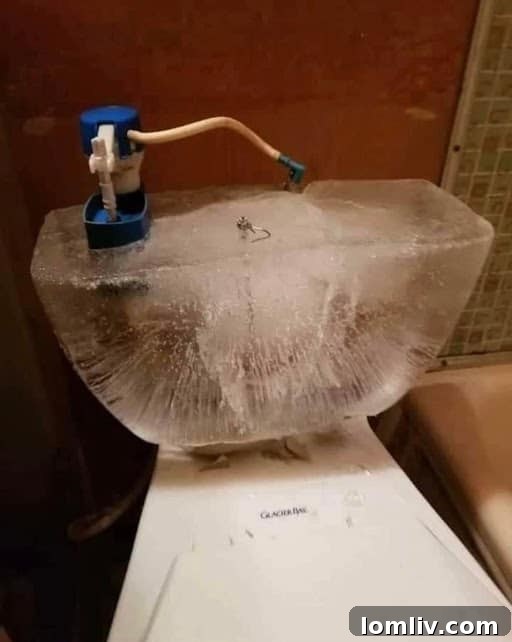
Beyond the fun, safety during cold weather remains paramount. Ensure your home is equipped with working carbon monoxide detectors, especially if you’re using fireplaces or space heaters. Never leave space heaters unattended, and keep them away from flammable materials. Have an emergency kit ready, stocked with blankets, non-perishable food, water, flashlights, and extra batteries, just in case of power outages. When venturing outside, dress in layers, wear waterproof gear, and be mindful of slippery surfaces. Teach children about the dangers of thin ice and the importance of staying warm. And if anything truly bizarre or unexpected happens, like the famous frozen toilet incident we once encountered during an inspection, we’d love to see your pictures! Sharing these unique, sometimes humorous, experiences helps us all feel a little more connected and prepared for whatever Texas weather brings.
For a look at some of the most unusual discoveries during home inspections, including unexpected winter weather incidents, dive into our captivating finds:
When Inspecting Homes, There’s a First Time for Everything
As another unpredictable Texas winter week unfolds, we hope this comprehensive guide helps you stay warm, safe, and prepared. Remember the old saying: “If you don’t like the weather in Texas, just wait a minute.” This adage holds true, emphasizing the constant need for vigilance and readiness. By following these essential winterization tips, from safeguarding your plumbing and pool to embracing safe, family-friendly fun, you can navigate the coldest temperatures with peace of mind.
Proactive home maintenance and preparation are your best defense against the unexpected. Should you require a thorough assessment of your home’s readiness or need an expert eye on any potential winter-related issues, don’t hesitate. Call Green Scene Home Inspections today to ensure your property is resilient and secure, no matter the season.