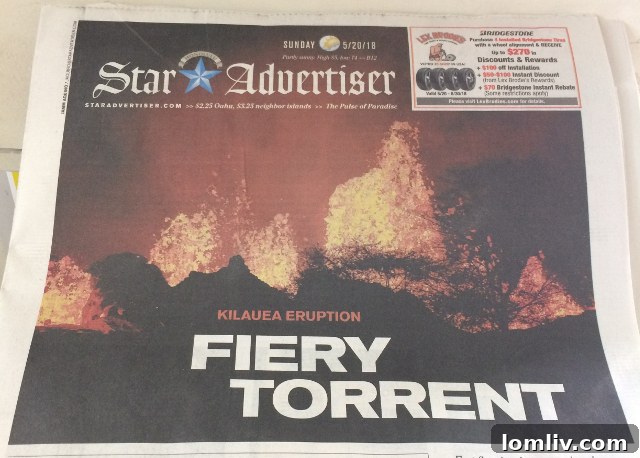
The devastating events witnessed recently in picturesque Hawaii, with communities tragically impacted by unforeseen natural disasters, serve as a stark and urgent reminder for every second homeowner to meticulously review their property insurance policies. Whether your cherished getaway is nestled high in the mountains, perched precariously by the sea, or situated in a seemingly tranquil rural landscape, comprehensive insurance coverage is not merely a suggestion—it is an absolute necessity. No matter the location, there always exists a spectrum of potential disasters, both common and unexpected, from which your investment must be protected. The inherent challenge with second homes often lies in their remote or far-flung locations, which can easily leave owners caught off guard when critical insurance matters arise, leading to potentially catastrophic financial and emotional consequences.
Why Your Second Home Demands Specialized Insurance Attention
Unlike your primary residence, which you occupy daily and are intimately familiar with its immediate environment and risks, a second home presents a unique set of challenges from an insurance perspective. You might be accustomed to the typical hazards in your primary dwelling’s area, but these risks are often vastly different elsewhere. For instance, a homeowner’s policy for a property in Dallas, Texas, would understandably have little need to address perils such as avalanches, tsunamis, or volcanic eruptions. However, a vacation home situated in Hawaii could tragically fall victim to all three, while simultaneously being largely unconcerned with the threat of tornadoes that frequently plague the Midwest. This geographical disparity in risk profiles necessitates a tailored approach to vacation home insurance, moving beyond a one-size-fits-all mentality.
The infrequency of your visits to a second property can also create vulnerabilities. Delayed awareness of damages, difficulties in securing immediate repairs, and even higher risks of vandalism or theft when the property is vacant for extended periods are all factors that standard homeowner policies may not fully address. Furthermore, the upkeep and maintenance of a distant property can sometimes lag, inadvertently increasing the risk of insurable events like burst pipes or undetected structural issues. These unique aspects underscore the critical importance of a specialized insurance strategy for any property that isn’t your main residence.
Navigating the Landscape of Location-Specific Risks
Understanding the unique natural and man-made risks associated with your second home’s specific location is the cornerstone of effective insurance planning. Here’s a deeper dive into the perils common to various regions:
Coastal Properties: Battling the Elements
Homes along coastlines are beautiful but inherently vulnerable. They frequently face the wrath of hurricanes, tropical storms, and severe coastal flooding, which can bring powerful winds, torrential rains, and devastating storm surges. Beyond these immediate threats, coastal properties are also at risk from erosion, which can undermine foundations over time, and potential tsunamis in seismically active ocean basins. Standard homeowners’ insurance policies typically exclude flood damage, making separate flood insurance—often through the National Flood Insurance Program (NFIP) or a private insurer—an absolute must for these properties. Windstorm insurance may also be a distinct policy or a separate deductible in certain hurricane-prone states.
Mountain Retreats: Wildfires, Avalanches, and More
Mountain homes, while offering serene escapes, are susceptible to their own set of formidable risks. Wildfires have become an increasingly significant threat globally, and properties nestled in forested or brush-heavy areas are particularly exposed. Homeowners in these regions often face escalating premiums or even difficulty securing coverage without specific wildfire mitigation efforts. Beyond fire, mountain properties can experience avalanches, especially in areas with heavy snowfall and steep slopes, as well as mudslides and landslides triggered by heavy rains on unstable terrain. Freezing temperatures can lead to burst pipes, and heavy snow loads can cause roof collapse, necessitating specific coverage for these perils and diligent winterization.
Inland Getaways: Tornadoes, Hail, and Flash Floods
Even properties far from coasts or mountains are not immune to disaster. Inland areas, particularly in regions like “Tornado Alley,” are highly susceptible to tornadoes, which can cause catastrophic damage. Severe thunderstorms often accompany these, bringing large hail that can damage roofs and exteriors, as well as destructive straight-line winds. Localized or flash flooding can also occur, even in areas not traditionally considered flood zones, often due to overloaded drainage systems or rapid rainfall. Furthermore, extended periods of drought can lead to foundation issues in certain soil types, a subtle but costly risk often overlooked.
Seismic Zones: Earthquakes and Volcanic Activity
In regions prone to seismic activity, such as California, Alaska, and parts of the Pacific Northwest, earthquakes pose a significant threat. Standard homeowners’ insurance policies generally do not cover earthquake damage, requiring a separate earthquake insurance policy. These policies can be complex, often featuring high deductibles. For properties located near active volcanoes, such as those in Hawaii or the Pacific Ring of Fire, volcanic eruptions can cause damage from lava flows, ashfall, pyroclastic flows, and even associated earthquakes or tsunamis. While rare, the consequences can be devastating, and specific volcanic eruption coverage may be necessary, often bundled with earthquake policies or available as an endorsement.
Essential Insurance Coverages for Your Vacation Property
Protecting your second home requires more than just a basic homeowner’s policy. Here’s a breakdown of the crucial coverages you should consider:
Standard Homeowners Policy (HO-3 or HO-5)
Most second homes are insured under an HO-3 (special form) policy, which covers the dwelling and other structures against all perils except those specifically excluded. An HO-5 (comprehensive form) offers even broader coverage, particularly for personal property. Key components include:
- Dwelling Coverage: Protects the structure of your home against covered perils.
- Other Structures Coverage: Covers detached garages, sheds, fences, etc.
- Personal Property Coverage: Protects your belongings within the home (often at a lower limit for second homes).
- Loss of Use/Fair Rental Value: If a covered loss makes your home uninhabitable, this covers living expenses or lost rental income.
- Liability Coverage: Protects you if someone is injured on your property and you are found legally responsible.
Crucial Endorsements and Separate Policies
Given the location-specific risks and unique nature of second homes, several additional coverages are often vital:
- Flood Insurance: As mentioned, standard policies exclude flood. Essential for coastal, riverine, and low-lying areas.
- Earthquake Insurance: Separate from standard policies, it covers damage from earthquakes, tremors, and sometimes volcanic eruptions.
- Wildfire/Fire Insurance: While fire is typically covered, in high-risk wildfire zones, this coverage may be harder to obtain or come with specific requirements and higher deductibles.
- Windstorm Insurance: In certain coastal regions, wind damage from hurricanes and tropical storms may be excluded from standard policies or have a separate, high deductible, necessitating a specific windstorm policy.
- Vacant or Unoccupied Home Coverage: If your second home is unoccupied for extended periods (typically 30-60 days, depending on the insurer), your standard policy may not cover certain perils like vandalism or burst pipes. A vacant or unoccupied dwelling endorsement or a specialized policy provides this crucial protection.
- Rental Coverage: If you rent out your second home, even occasionally, your standard policy may not provide adequate coverage for tenant-related risks or lost rental income. A landlord policy or a specific short-term rental endorsement is essential.
- Sewer Backup/Water Backup: Covers damage from water backing up through sewers or drains, which is often excluded from standard policies.
- Ordinance or Law Coverage: If your home is significantly damaged, building codes may have changed, requiring more expensive repairs or demolition. This coverage helps pay for these increased costs.
- Extended Replacement Cost or Guaranteed Replacement Cost: In disaster-prone areas, rebuilding costs can soar. This coverage ensures you have enough funds to rebuild even if costs exceed your dwelling limit.
Proactive Steps for Every Second Homeowner
Being diligent about your second home insurance can save you immense stress and financial hardship. Consider these proactive measures:
- Assess Local Risks: Go beyond general knowledge. Research historical data for natural disasters in your property’s specific ZIP code. Understand the micro-climate and geological factors at play.
- Review Your Current Policy Annually: Don’t just set it and forget it. Property values change, risks evolve, and your personal circumstances may shift. Ensure your coverage limits are adequate for rebuilding costs, not just market value.
- Consult a Local Insurance Expert: While your primary home’s agent might be helpful, an agent licensed and experienced in the region of your second home will have invaluable insights into local risks, regulations, and specific coverage options that might be overlooked by an outsider.
- Document Everything: Create a detailed inventory of your personal property, complete with photos and videos. Store this documentation securely, preferably off-site or in the cloud, so it’s accessible even if your physical records are destroyed.
- Develop an Emergency Plan: Know who to call (local contacts, property managers, emergency services) if a disaster strikes and you’re not there. Have a list of local contractors for emergency repairs.
- Prioritize Maintenance: Regular maintenance can prevent many insurable events, such as roof leaks or plumbing failures. It also demonstrates to insurers that you are a responsible homeowner, which can sometimes influence rates or claims processing.
- Consider Mitigation Efforts: Installing wildfire-resistant landscaping, storm shutters, or smart home technology for leak detection can not only protect your property but may also lead to insurance discounts.
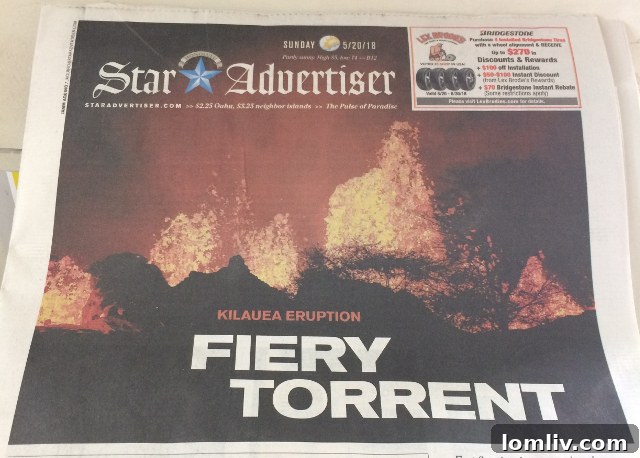
The image of that unwanted newspaper, delivering grim news over your serene vacation coffee, is a powerful metaphor for the unexpected challenges second homeowners can face. The peace of mind that comes with knowing your cherished investment is thoroughly protected against all potential perils is truly priceless. Therefore, let the recent events be a catalyst for action. Don’t wait for disaster to strike; instead, proactively engage with your insurance needs, ensuring your second home remains a source of joy and relaxation, not a cause for unforeseen anxiety. Your proactive approach today will safeguard your sanctuary tomorrow.
For more insights on protecting your vacation home, visit SecondShelters.com.