By Chris Lesley
Founder, Chickens & More
Embarking on the journey of raising chickens is a wonderfully rewarding experience, connecting you to nature, providing fresh eggs, and even offering delightful companionship. However, like any endeavor involving the care of living creatures, it comes with its own set of responsibilities and learning curves. The vast amount of information available online can often feel overwhelming, leading prospective chicken keepers to believe the process is far more complicated than it needs to be. While caring for a flock does involve dedication, many of the best practices are rooted in common sense once you understand a few fundamental aspects of chicken health, behavior, and their environmental needs.
This comprehensive guide aims to demystify chicken keeping by highlighting crucial details often overlooked in the initial excitement of setting up a coop and welcoming your new feathered family members. From selecting the perfect breed to understanding flock dynamics and safeguarding against common challenges, we’ll equip you with the essential knowledge to confidently raise a healthy, happy, and productive flock. By focusing on these core principles, you can navigate the initial stages with ease and build a thriving backyard chicken operation.
Choosing the Right Chicken Breed: A Decision That Defines Your Experience
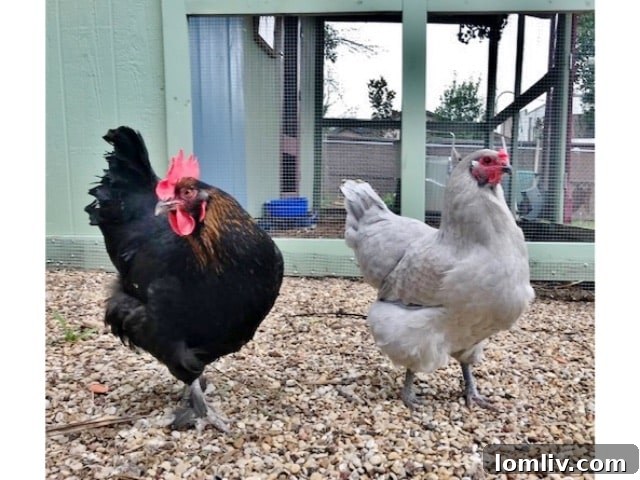
Just as with canine companions, the world of chickens boasts an incredible diversity of breeds, each with unique traits, temperaments, and purposes. The breed you choose is arguably one of the most significant decisions you’ll make, as it will profoundly influence your entire chicken-raising journey. Some breeds, often referred to as “production strains,” have been selectively bred for short, intense periods of high egg output, making them ideal for commercial operations or backyard keepers prioritizing maximum egg yield. Others, known as “heritage strains,” are older lines developed for their robust hardiness, adaptability, and often dual-purpose capabilities, meaning they are good for both eggs and meat.
When selecting your flock, consider several factors: do you primarily want eggs, or are you interested in meat production as well? What climate do you live in – do you need cold-hardy or heat-tolerant birds? How much space do you have? What kind of temperament are you looking for – docile pets or more independent foragers? Some breeds are renowned for their prolific egg-laying capabilities, like the Leghorn, while others are cherished for their striking beauty, unique personalities, or impressive size, such as Orpingtons or Brahmas. Researching these distinctions thoroughly before committing to a breed will ensure a harmonious match between your lifestyle and your chickens’ needs, setting the stage for a successful and enjoyable experience.
Navigating Local Regulations: Is Chicken Keeping Legal Where You Live?
Before you even dream of building a coop or browsing chick catalogs, it is absolutely imperative to investigate the legalities of raising chickens in your specific location. This step is especially critical if you reside in an urban or suburban neighborhood, where local ordinances and homeowners’ association (HOA) rules can be quite restrictive. These regulations are typically in place to manage potential issues such as noise, waste disposal, odor, and pest attraction, which can impact community harmony.
Common restrictions might include limits on the number of birds you can keep, bans on roosters (due to noise complaints), requirements for coop setbacks from property lines, and specific rules about coop construction and maintenance. Failing to comply can lead to fines, forced removal of your flock, and neighborly disputes. To avoid disappointment and legal headaches, check with your local town or city clerk’s office, review municipal codes online, and consult your HOA bylaws well in advance. Understanding what you are and aren’t allowed to do before any significant investment in birds or infrastructure is a fundamental step toward responsible and sustainable chicken keeping.
The Hidden Danger: Chickens are Highly Susceptible to Overheating
Despite their ancestral origins in warmer, tropical climates, modern domesticated chickens are surprisingly vulnerable to high temperatures. Unlike humans, chickens don’t sweat; they regulate their body temperature primarily through panting and evaporative cooling. This mechanism is far less efficient, making them much more prone to heatstroke than they are to problems with cold (though extreme cold also poses risks). Hot summer months, particularly those with high humidity, can be deadly for a flock.
Recognizing the signs of heat stress – excessive panting, lethargy, pale combs and wattles, wings held away from the body, and reduced appetite – is crucial. Proactive measures are the best defense. Ensure their run offers ample shade, whether from natural trees, shade tarps, or other shelters. Provide multiple sources of fresh, cool water, perhaps even adding ice cubes to waterers. Optimal coop ventilation is non-negotiable; good airflow prevents heat buildup and reduces humidity. Offering frozen treats, such as watermelon or corn on the cob, can also help them cool down. Prioritizing heat protection will safeguard your hens’ health and maintain their productivity during the hottest parts of the year.
Understanding the Pecking Order: Complex Social Dynamics in the Flock
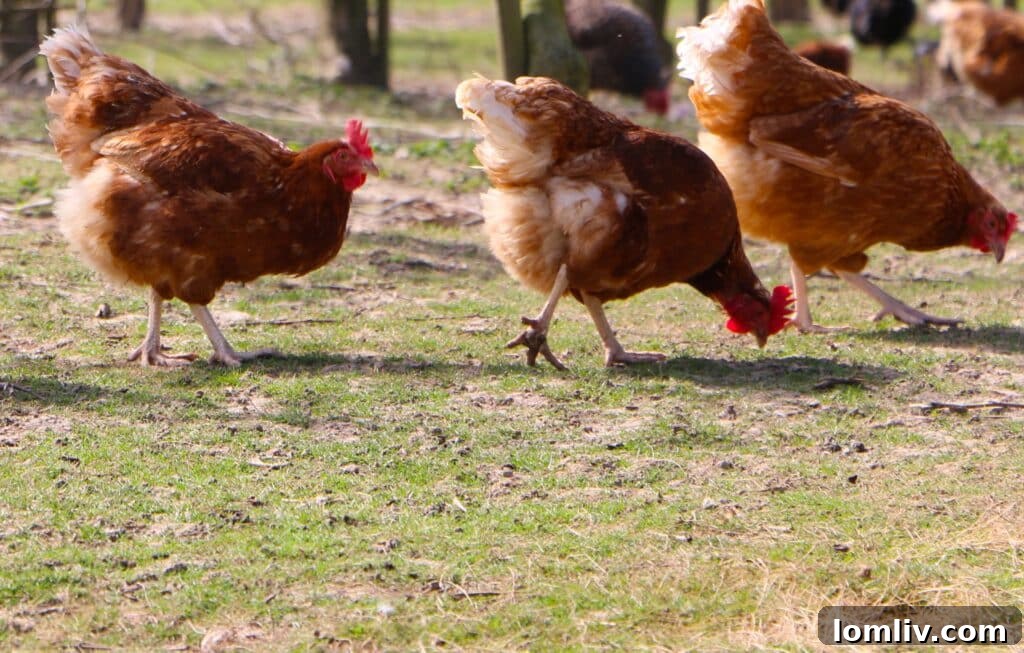
A chicken flock is far from a simple collection of birds; it’s a intricate society governed by a strict hierarchy known as the “pecking order.” This social structure determines access to food, water, roosting spots, and mating opportunities, creating a dynamic that can be likened to a high school clique or a medieval court. While a rooster typically assumes the highest social standing, hens will perpetually establish and reinforce their own pecking order among themselves.
Aggression, bullying, and dominance displays are not uncommon as birds assert their rank. Less dominant birds may suffer injuries, be denied access to vital resources, or experience chronic stress. Observing your flock closely for signs of severe bullying—such as excessive feather pulling, constant chasing, or visible injuries—is essential. Early intervention can prevent serious harm. Strategies to manage aggression include ensuring ample space, providing multiple feeders and waterers, introducing new birds gradually and carefully, and sometimes, in severe cases, temporarily separating the instigator or the victim. Understanding these social nuances allows you to maintain peace and ensure all your hens have equitable access to necessities, fostering a healthier and happier environment for everyone.
The Silent Threat: Respiratory Diseases and Rapid Flock Devastation
Chickens, like all livestock, are susceptible to a wide array of diseases, and respiratory illnesses pose a particularly significant threat to flock health. Conditions such as infectious coryza, Newcastle disease, infectious bronchitis, and avian influenza can sweep through an entire flock with alarming speed. While some respiratory ailments might be relatively mild, others are highly contagious, incurable, and potentially fatal, often leading to widespread mortality and economic losses. For many of these serious diseases, prevention is the only effective strategy.
Implementing stringent biosecurity measures is paramount. Any new birds introduced to your flock, regardless of their origin, must undergo a strict quarantine period of at least 30 days, kept completely separate from your existing birds to monitor for any signs of illness. Maintain high standards of hygiene, especially for visitors who also own chickens; ensure they wear clean clothes and disinfect their footwear before entering your coop area. Furthermore, excellent coop ventilation is vital not just for temperature regulation but also for dispersing airborne pathogens, significantly slowing the spread of disease. Regular cleaning of the coop, providing clean food and water, and observing your birds daily for any changes in behavior or physical symptoms are critical components of disease prevention.
The Constant Threat: Predators Will Seek Out Your Birds and Eggs
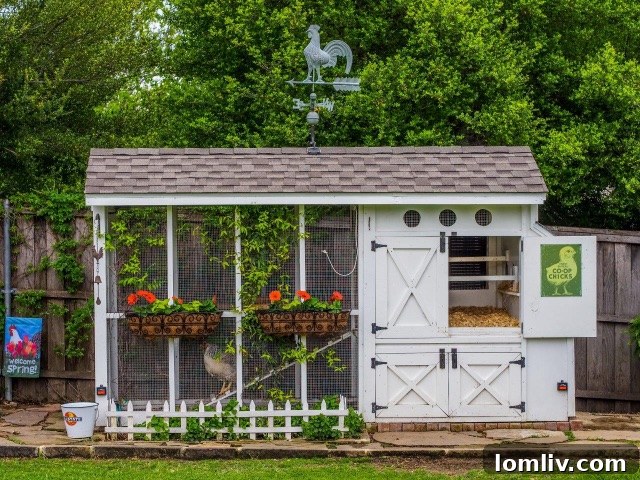
No matter where you live, from bustling urban areas to serene rural landscapes, a diverse array of wild animals views your chickens, their fragile chicks, and their nutritious eggs as a readily available food source. The list of potential predators is extensive and includes aerial threats like hawks and owls, ground-dwelling opportunists such as rats, skunks, weasels, foxes, raccoons, and snakes, and even larger mammals like coyotes and bears in some regions. The instinct of these predators to hunt and forage is powerful, making robust protection measures absolutely essential for the survival of your flock.
The first line of defense is consistent vigilance: always ensure your hens are securely locked inside their coop before dusk, as many predators are nocturnal. A well-constructed coop is not enough; it must be predator-proof. This means using heavy-gauge hardware cloth (not chicken wire, which predators can chew through) to cover all openings, including windows and ventilation points. Bury hardware cloth around the perimeter of the run to prevent burrowing animals from digging underneath. Consider automatic coop doors, motion-activated lights, and even guardian animals (like dogs or donkeys, depending on your setup) for added security. Being proactive in identifying and reinforcing weak points in your defenses is crucial to keeping your feathered friends safe from harm.
The Delicate Balance: Hens Aren’t Always the Best Egg Protectors
While hens possess strong maternal instincts and can be excellent mothers to their hatched chicks, their relationship with unhatched eggs can be a different story. Several factors can lead to hens inadvertently damaging or, worse, consuming their own eggs. One common issue is insufficient calcium in their diet, which can result in thin-shelled eggs that are easily broken when hens step on them or shift around in the nesting box. Once an egg cracks, the tempting sight and taste of its contents can quickly turn a hen into an egg-eater.
This habit, once established, can be incredibly difficult to break and can lead to a significant loss of your egg harvest. To prevent this, ensure your hens have access to a constant supply of supplemental calcium, such as oyster shells, to promote strong shell formation. Frequent egg collection, ideally early each morning, is the most effective preventative measure; removing eggs promptly minimizes the opportunity for breakage or consumption. Providing dark, private, and deeply bedded nesting boxes can also help. In cases where egg-eating becomes a persistent problem, deterrents like ceramic “dummy” eggs or golf balls in the nesting boxes can sometimes confuse hens and help break the habit, alongside ensuring all their nutritional needs are met.
Prioritizing Safety: Chickens Can Spread Salmonella to Your Family
While chickens themselves are often asymptomatic carriers, they can harbor bacteria like Salmonella, which can pose a serious health risk to humans. Salmonella infection in people can lead to symptoms ranging from fever, diarrhea, and abdominal cramps to more severe complications, especially in young children, the elderly, and individuals with compromised immune systems. It’s important to understand that handling chickens or their environment can transmit these bacteria, making robust hygiene practices paramount for the safety of your family.
Maintaining excellent personal hygiene before and after any interaction with your birds, their coop, or their eggs is non-negotiable. Always wash your hands thoroughly with soap and water immediately after visiting the coop, collecting eggs, or touching any chicken-related equipment. Designate specific footwear, such as “chicken boots,” that are only worn inside the chicken enclosure and never brought into your home. Teach children the importance of handwashing and supervise their interactions with chickens closely, ensuring they do not put their hands in their mouths after touching birds. Furthermore, avoid eating or drinking in the coop, and keep your coop and run clean to minimize bacterial buildup. By following these simple but crucial steps, you can significantly reduce the risk of Salmonella transmission and enjoy your backyard flock worry-free.
Maximizing Your Harvest: Diverse Ways to Store and Preserve Fresh Eggs
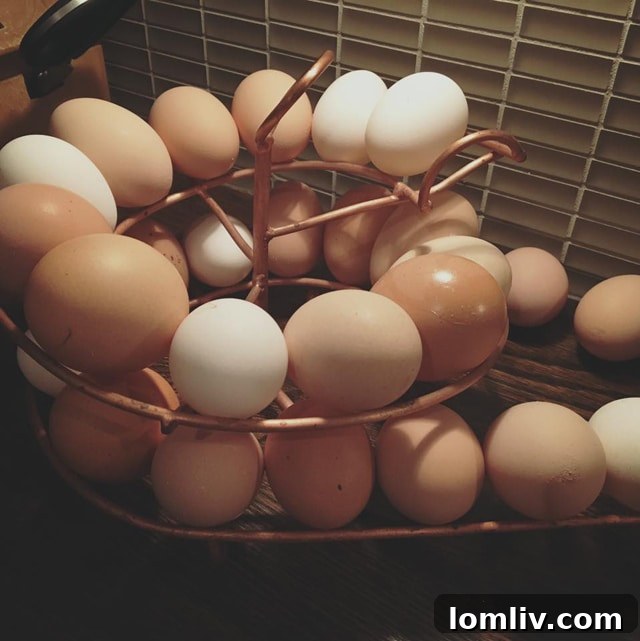
One of the greatest joys of keeping chickens is the abundance of fresh, nutritious eggs they provide. Managing this bounty effectively is key, and understanding proper storage methods is essential to extending their shelf life. Unlike eggs purchased from a grocery store in many Western countries (particularly the US), which are typically washed and thus lose their natural protective “bloom” or cuticle, freshly laid, unwashed eggs have a remarkable ability to remain fresh at room temperature for several weeks. The bloom acts as a natural barrier against bacteria, preventing them from entering the porous shell.
If your eggs are clean, simply store them in a cool, dry place out of direct sunlight. If they are dirty, gently wipe them clean with a dry cloth rather than washing them with water, which removes the bloom. For longer-term preservation, refrigeration is always an excellent option, extending their freshness for several months. Freezing is another viable method, though it’s best to crack and separate the egg whites and yolks beforehand, as whole eggs can expand and crack their shells when frozen. Beyond these common methods, several traditional and innovative techniques exist: pickling eggs creates a flavorful, shelf-stable snack; dehydrating or powdering eggs is perfect for long-term storage and baking; and “water glassing” (preserving eggs in a solution of pickling lime and water) can keep them fresh for up to a year or more. Exploring these various preservation methods ensures you can enjoy your hens’ delicious offerings throughout the seasons, maximizing your yield and minimizing waste.
Raising chickens is an incredibly fulfilling endeavor, offering everything from farm-fresh eggs to engaging companionship. While the initial learning curve and setup might feel daunting, remember that much of successful chicken keeping boils down to understanding their fundamental needs and behaviors. By prioritizing factors like appropriate breed selection, adherence to local regulations, protection against environmental extremes and predators, maintaining flock health, ensuring proper hygiene, and mastering egg storage, you’ll be well on your way to confidently managing a thriving, productive flock. Embrace the journey, observe your birds, and you’ll find that these captivating creatures bring immense joy and a delightful connection to the rhythms of nature right in your own backyard.