When you decide to sell your home, you are essentially placing your property under a microscope. Prospective buyers, armed with checklists and keen-eyed inspectors, know precisely where to look for potential problems. High on their list of concerns are plumbing issues, which can quickly escalate from minor annoyances to costly, deal-breaking repairs. For sellers navigating the competitive real estate landscape, being proactive is not just an advantage—it’s a necessity.
One of the most strategic moves a homeowner can make before listing their property is to schedule a comprehensive pre-listing plumbing inspection. Consider this startling fact from the U.S. Environmental Protection Agency: the average American household leak can waste nearly 1 trillion gallons of water nationwide each year. About one in ten homes has leaks that waste 90 gallons or more per day. This isn’t just an environmental concern; it’s a financial one that shows up on utility bills and leaves tell-tale signs like water stains and mold, all of which are major red flags for buyers. If your home has hidden plumbing defects, rest assured that a buyer’s inspector will likely uncover them. It is far more advantageous to identify and address these issues on your own terms.
By investing in a professional plumbing assessment before you list, you gain control over the narrative. You can prevent a sale from collapsing over a surprise leak or a faulty water heater, ensuring a smoother, more profitable transaction from start to finish.
The 8 Critical Plumbing Warning Signs to Address Before Selling
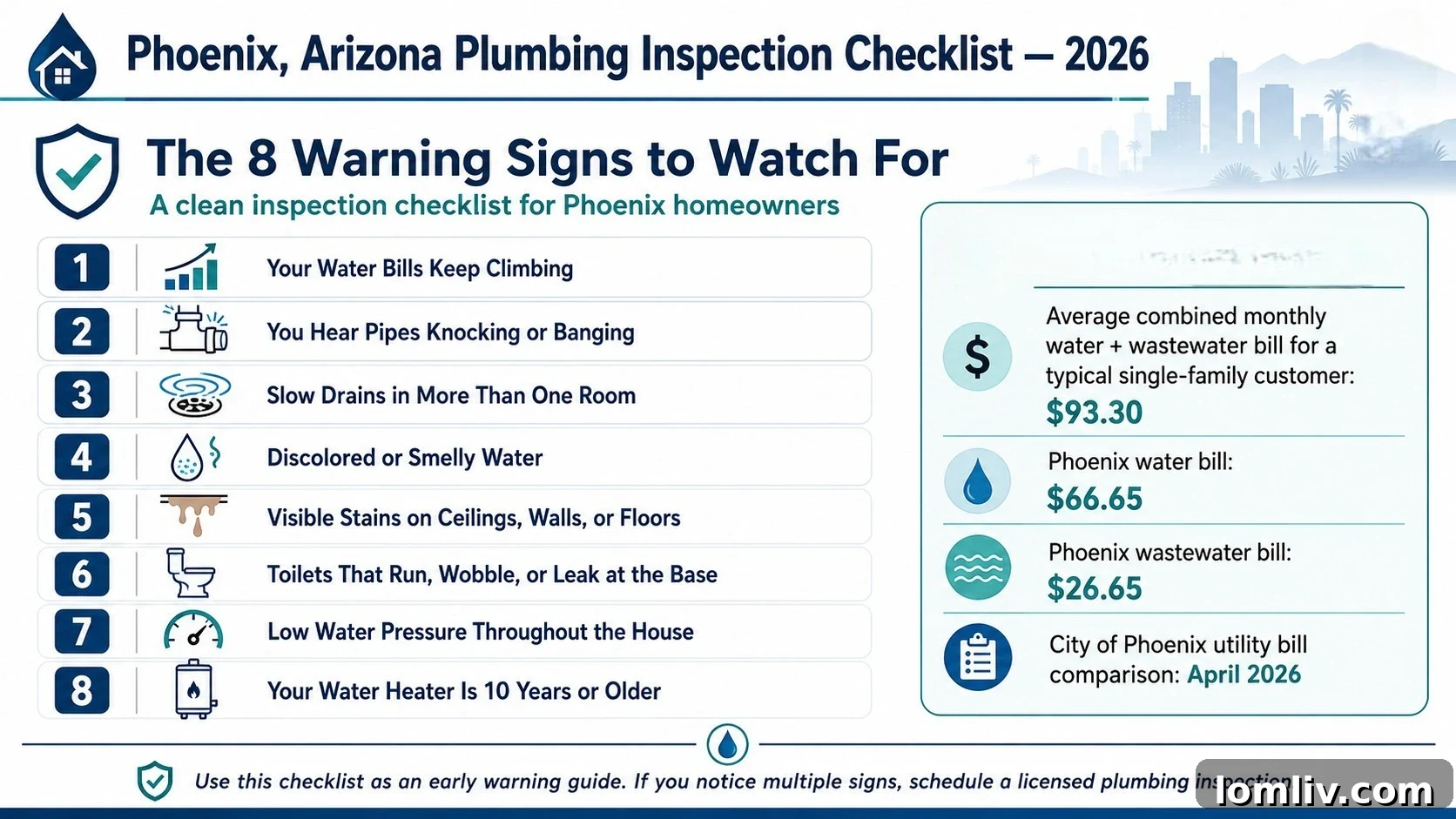
Your home often communicates its problems through subtle clues. Paying attention to these signals can save you from significant headaches during the selling process. Here are eight undeniable signs that your home needs a professional plumbing inspection before the “For Sale” sign hits your lawn.
1. Your Water Bills Are Steadily Climbing
If your monthly water bill is increasing without a corresponding change in your family’s usage habits, your home likely has a hidden leak. This isn’t about a dripping faucet you can see; the real culprit is often an unseen leak within walls, under flooring, or even beneath the concrete slab of your foundation. A slow, persistent leak behind a vanity or inside a wall can waste hundreds of gallons per month. Savvy buyers and their agents often request utility records, and a trend of rising costs will raise immediate questions. Addressing this proactively demonstrates responsible homeownership and prevents buyers from assuming the worst.
2. You Hear Pipes Knocking, Banging, or Shuddering
A healthy plumbing system should operate silently. If you hear loud knocking, banging, or rattling sounds—a phenomenon known as “water hammer”—after you turn off a faucet or an appliance finishes a cycle, it’s a clear sign of trouble. These noises often indicate high water pressure, improperly secured pipes, or failing air chambers. Ignoring these sounds can lead to loosened fittings, damaged joints, and eventually, a catastrophic pipe burst. A plumber can diagnose whether the fix is a simple pipe anchor or a more complex issue with your pressure regulator, securing your system before it becomes a major liability.
3. Slow Drains Are a Widespread Problem
A single slow drain in a bathroom sink is typically a minor issue caused by hair and soap scum. However, if you notice that drains in your kitchen sink, bathtub, and laundry room are all draining sluggishly, the problem is almost certainly located deeper in your home’s main sewer line. In regions with large trees, invasive roots are a common cause, breaking into pipes in search of water and creating massive blockages. Other culprits include years of accumulated grease, collapsed sections of old pipe, or a belly in the line. A buyer’s inspector will test every drain, and multiple slow drains are an immediate indicator of an expensive, impending sewer line problem.
4. The Water Is Discolored or Has a Foul Odor
Clean, clear, and odorless water is a basic expectation for any homebuyer. If the water from your taps runs brown or rust-colored, it likely points to corrosion inside aging galvanized steel pipes or a deteriorating water heater tank. A rotten egg or sulfurous smell often indicates bacteria growing within the water heater, typically due to a depleted anode rod. Neither of these issues will go unnoticed. A buyer who sees or smells problematic water will instantly question the integrity of the entire plumbing system. A pre-listing inspection allows you to identify the source and resolve it, ensuring a positive first impression.
5. There Are Visible Water Stains or Warped Flooring
Water stains on a ceiling, discoloration on a wall, or warped baseboards are undeniable evidence of a past or present leak. Even if you believe the leak was fixed, the remaining damage creates suspicion. A buyer’s first thought will turn to the potential for hidden mold growth behind the drywall, which is a major health and financial concern. A plumber can use moisture meters and thermal imaging to confirm if the leak is active, and you can have the cosmetic damage professionally repaired. Having documentation of the repair provides transparency and builds trust with potential buyers.
6. Toilets That Run, Wobble, or Leak at the Base
A toilet is one of the most frequently used fixtures in a home, and its condition speaks volumes. A toilet that constantly runs after flushing is wasting a significant amount of water due to a faulty flapper or fill valve. A toilet that wobbles or feels unstable when you sit on it is a much more serious red flag, often indicating a failed wax ring and, more alarmingly, water damage to the subfloor beneath. Any sign of moisture around the base of the toilet will be scrutinized during an inspection. These are simple, inexpensive fixes that, if left unaddressed, suggest neglect to a buyer.
7. You Have Low Water Pressure Throughout the House
While low water pressure at a single faucet might just be a clogged aerator, consistently weak pressure at every tap in the house points to a systemic issue. In areas with hard water, mineral buildup (scale) inside pipes can gradually restrict water flow over the years. This is especially common in homes with older galvanized plumbing. Other potential causes include a failing pressure regulator for the whole house or even a partially closed main shut-off valve. Buyers will test faucets and showerheads, and poor pressure significantly impacts daily life. It gives them a powerful reason to negotiate your asking price down.
8. Your Water Heater Is Approaching the End of Its Lifespan
A standard tank-style water heater has a typical lifespan of 8 to 12 years. If your unit is in or beyond this age range, it’s living on borrowed time. Buyers and their inspectors will check the manufacturing date sticker immediately. Telltale signs of impending failure include rust or corrosion around the base of the tank, popping or rumbling sounds as it heats water, or an inability to produce consistently hot water. A failing water heater is not just an inconvenience; a ruptured tank can cause thousands of dollars in water damage. Replacing an aging unit before you list, or at least having it inspected and serviced, removes a major point of contention and reinforces the idea that your home is well-maintained.
Why a Pre-Listing Plumbing Inspection Is a Smart Investment

Many sellers hesitate to pay for an inspection, thinking the buyer will commission one anyway. This is a reactive mindset that puts you at a significant disadvantage. When a buyer’s inspector uncovers problems, you lose your negotiating power. Suddenly, you are on the defensive, forced to make repairs on a tight deadline or offer costly concessions. A pre-listing inspection flips the script, putting you firmly in control.
Here’s how you gain a powerful advantage:
- Maintain Full Negotiating Power: With a full report in hand, you can choose what to repair, what to disclose, and how to price your home accurately. Buyers cannot use surprise findings to drive down your price at the last minute.
- Reduce Repair Costs: When you are not under the pressure of a closing date, you have the time to get multiple quotes from qualified plumbers. This allows you to choose the best professional at a fair price, rather than paying a premium for an emergency rush job.
- Build Buyer Confidence: Providing a recent, clean plumbing inspection report along with receipts for any completed repairs is a powerful marketing tool. It signals to buyers that your home is transparently and meticulously maintained, reducing their perceived risk and making them more likely to submit a strong offer.
- Ensure a Smoother Closing: The fewer surprises that arise during the buyer’s inspection period, the lower the chances of stressful renegotiations, requests for credits, or delays that could jeopardize the entire sale. A smooth inspection leads to a smooth closing.
- Avoid Last-Minute Emergencies: Finding a major issue like a sewer line blockage a week before closing can be a nightmare. A pre-listing inspection allows you to handle these problems on your schedule, avoiding the stress and exorbitant fees associated with emergency plumbing services.
Investing a few hundred dollars in a professional plumbing review can safeguard tens of thousands of dollars at the closing table. It is a strategic decision that protects your home’s value and provides invaluable peace of mind throughout the selling process.
What a Comprehensive Plumbing Inspection Covers
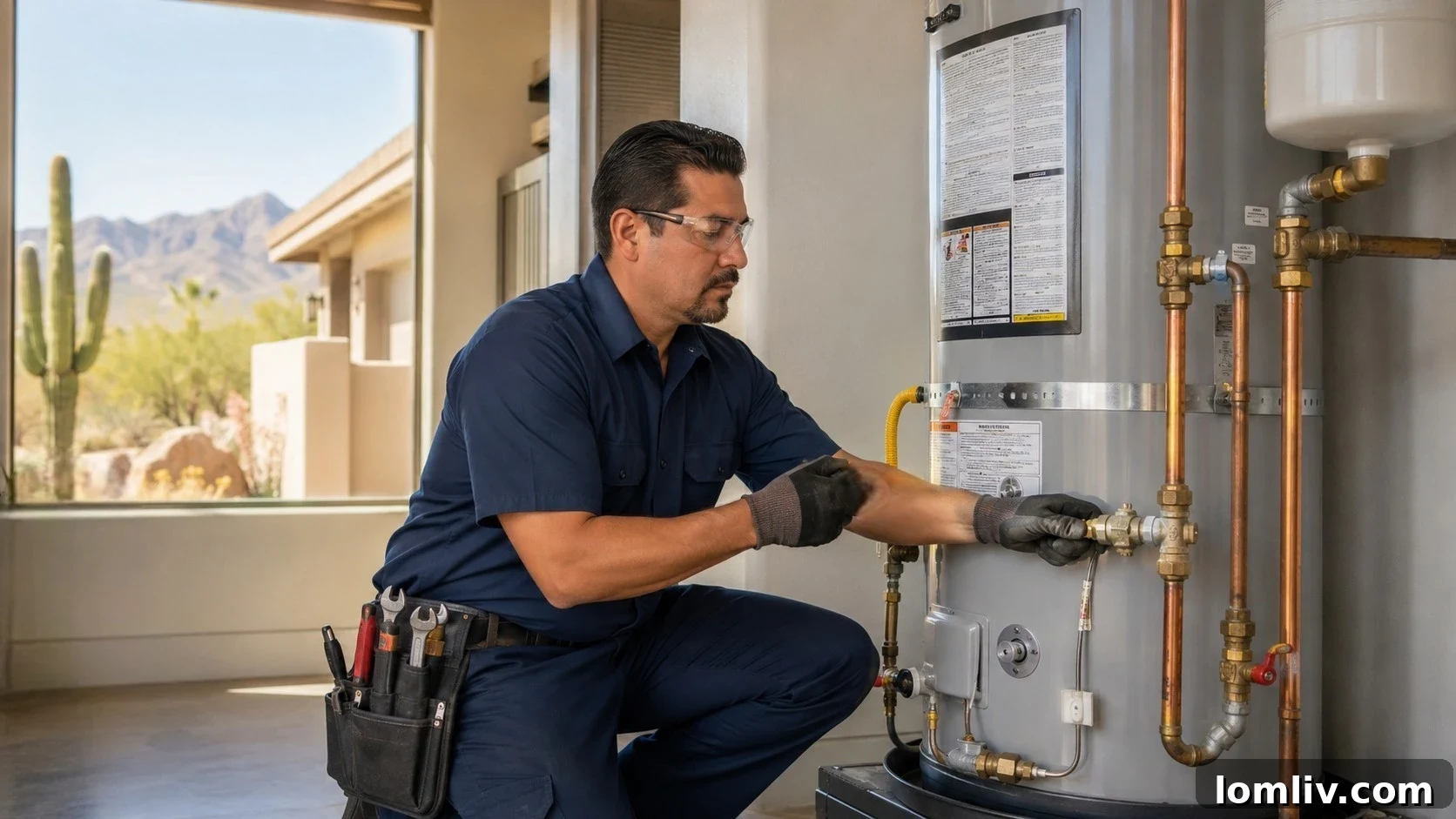
A licensed plumber will perform a thorough evaluation of your home’s entire water system, focusing on the areas that buyers and inspectors scrutinize most. The objective is to identify any defect—from a minor drip to a major structural flaw—that could derail your sale.
A standard inspection typically includes:
- Water Supply Lines and Main Shut-Off: The plumber will inspect for leaks, corrosion, and proper pipe material, and test the main shut-off valve to ensure it functions correctly.
- Drain, Waste, and Vent System: All sinks, tubs, showers, and floor drains are tested for proper flow. The plumber also checks for proper venting, which prevents sewer gases from entering your home.
- Water Heater Evaluation: This includes checking the unit’s age, the condition of the anode rod, evidence of sediment buildup, the functionality of the T&P safety valve, and signs of leaking or corrosion.
- All Fixtures and Faucets: Toilets, showerheads, and sinks are examined for leaks, weak pressure, cracks, and worn-out seals. Proper caulking is also checked to prevent water damage.
- Visible Piping Inspection: Any exposed pipes in the basement, crawl space, or utility closets are inspected for corrosion, sagging, leaks, or improper and outdated repairs.
- Sewer Line Camera Inspection: This is a highly recommended service where a small camera is fed through the main sewer line to the street. It can reveal hidden problems like tree root intrusion, cracks, or collapsed sections that would be impossible to detect otherwise.
- Code Compliance Review: The plumber will identify any outdated materials or configurations that do not meet current building codes, as these are often flagged by home inspectors.
- Detailed Written Report: You will receive a comprehensive report, often with photos, that documents the condition of your plumbing system, outlines any necessary repairs, and highlights areas to monitor. This document is invaluable for your records and for sharing with potential buyers.
How to Prepare for Your Plumbing Inspection
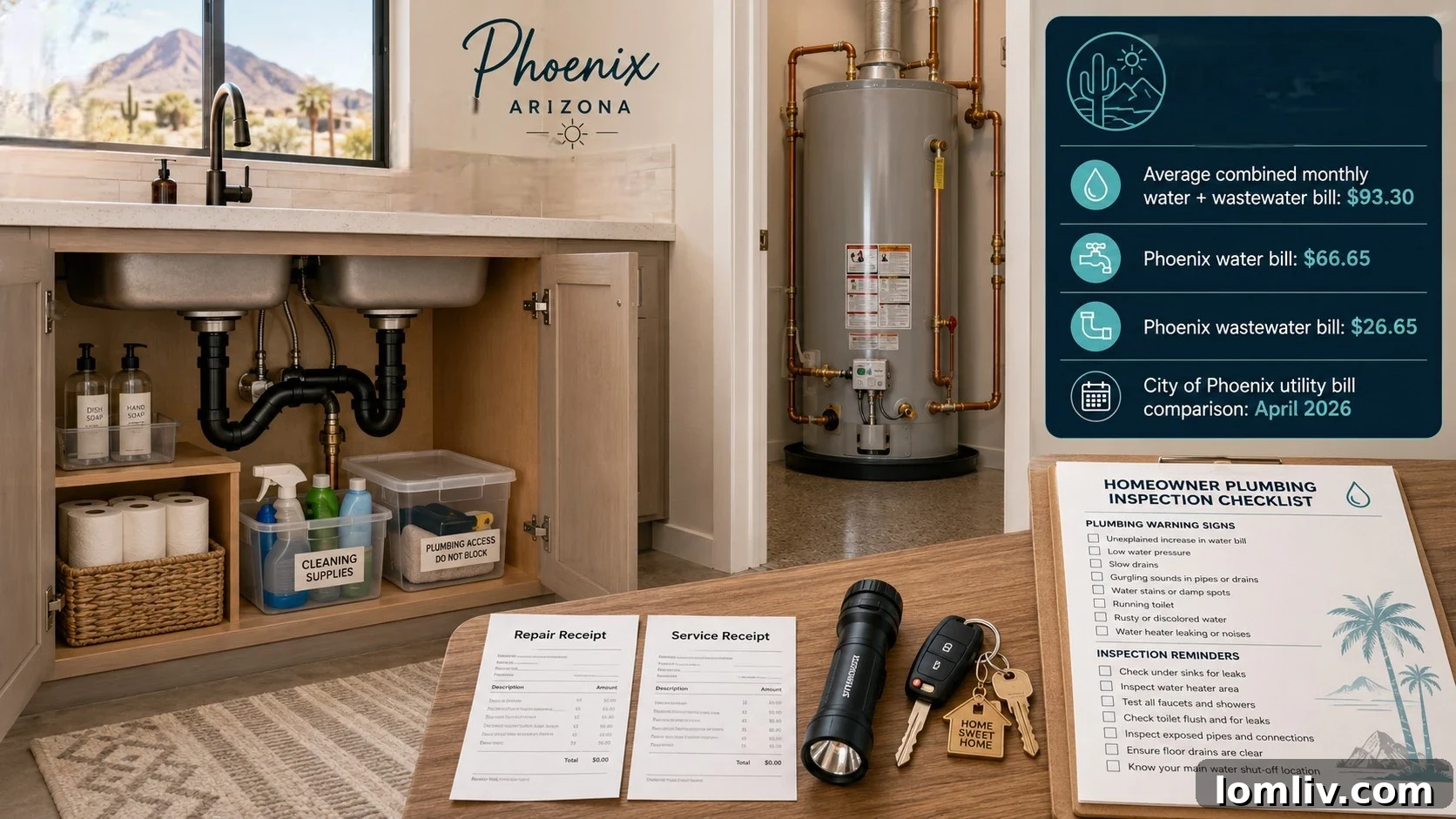
To get the most out of your inspection, a little preparation goes a long way. Ensuring the plumber has easy access to all components of your system allows for a more efficient and thorough assessment.
Before the plumber arrives, take these simple steps:
- Provide Clear Access: Remove all cleaning supplies, toiletries, and storage items from the cabinets under every sink in your kitchen and bathrooms. This gives the plumber a clear view of supply lines, shut-off valves, and drain connections.
- Clear a Path to Major Equipment: Move any boxes, storage bins, or other items that are blocking access to your water heater, main water shut-off valve, and sump pump (if you have one).
- Locate the Sewer Cleanout: The main sewer cleanout is typically a capped pipe located outside near your home’s foundation. Make sure it is not covered by landscaping, mulch, or outdoor furniture.
- Compile a List of Concerns: Write down any specific issues you’ve noticed, such as a toilet that runs intermittently, a faucet with low pressure, or a drain that makes gurgling sounds. This helps the plumber focus on your known problems.
- Gather Relevant Documents: If you have receipts or warranties from past plumbing work, such as a water heater replacement or a repiping project, have them available. This information helps build a history of the home’s maintenance.
By preparing your home, you enable the plumber to perform a complete and accurate evaluation. This proactive approach ensures there will be no surprises left for a buyer’s inspector to discover.
The Takeaway: Secure Your Sale by Being Proactive
Selling your home successfully is about minimizing surprises and building confidence. Plumbing systems are a top concern for nearly every buyer, ranking alongside the roof and foundation in importance. By recognizing these eight warning signs and investing in a professional pre-listing inspection, you are protecting your asking price, your negotiating position, and your peace of mind.
Take an hour this week to walk through your home with a critical eye. Listen for unusual sounds from your pipes, look for tell-tale stains under sinks, and test every faucet and toilet. If anything seems amiss, it is far better to address it now than to have it discovered under the pressure of a home sale. Scheduling a plumbing inspection before your home is officially on the market is one of the smartest investments you can make, paving the way for serious offers and a smooth, successful closing.