Maximizing Your Home’s Value: The Undeniable Power of Professional Landscaping
For many homeowners, the outdoor space surrounding their residence can be a source of both immense pride and occasional frustration. We’ve all been there: admiring the vibrant greenery one moment, only to find ourselves locked in a battle with stubborn weeds or an unruly tree the next. This dichotomy encapsulates the love-hate relationship many of us develop with our landscaping efforts.
Consider, for instance, the classic suburban Texas home. While quality trees and well-maintained grass are undoubtedly critical for enhancing curb appeal, the reality of upkeep can be daunting. We once faced a persistent struggle with an aggressive Bradford Pear tree and a pervasive Bermuda grass infestation. Our solution, born partly out of convenience and partly out of a desire for a more manageable yard, involved removing the problematic tree and replacing the Bermuda grass with resilient St. Augustine sod. While these changes brought us personal satisfaction, they also sparked a crucial question: Do such landscaping decisions truly impact our home’s market value, or are they merely matters of personal taste?
The answer, it turns out, is a resounding yes. Landscaping choices are far from trivial personal preferences; they are significant determinants of a property’s perceived worth. Savvy homeowners understand that a well-designed and meticulously maintained exterior is not just aesthetically pleasing but a powerful investment strategy that can yield substantial returns when it comes time to sell. Neglected or poorly planned landscaping can, unfortunately, chip away at your property’s potential, leaving money on the table.
The Undeniable Link Between Landscaping and Home Value
The impact of landscaping on property value is not merely anecdotal; it’s a well-documented phenomenon supported by real estate professionals. A recent survey conducted by Trees.com provides compelling evidence. This comprehensive study, which gathered insights from 1,250 licensed real estate agents, conclusively determined that neglected landscaping can be a significant financial detriment for homeowners aiming to optimize their property’s market value.
The survey specifically highlighted the financial implications for Texas homeowners. By cross-referencing their findings with 2021 home values reported by Zillow, the study estimated that subpar landscaping could diminish a Texas home’s value by an average of $17,250. This figure is a stark reminder that what happens outside your home is just as important as what happens inside.
Key Findings from the Trees.com Survey:
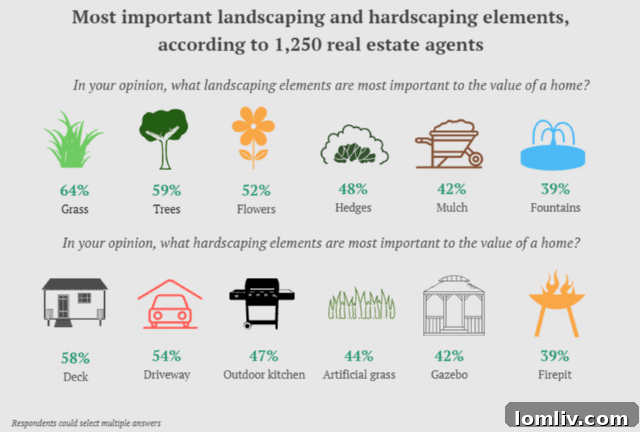
- Overwhelming Agreement: A significant 78 percent of real estate agents surveyed confirmed that both poor landscaping and inadequate hardscaping negatively impact property values. This consensus underscores the importance of a holistic approach to outdoor design.
- Trees as Value Drivers: 59 percent of agents identified trees as the single most valuable landscaping element. Mature, healthy trees offer more than just shade; they contribute to environmental sustainability, privacy, and an established feel that buyers often crave.
- Significant ROI from Trees: A remarkable 20 percent of agents stated that adding just one healthy tree could escalate property values by 30 percent or even more. This finding alone presents a compelling argument for prioritizing tree care and strategic planting.
While Trees.com is, naturally, an advocate for all things arboreal, their findings resonate deeply with broader real estate market trends and common sense. A well-treed property often appears more inviting, provides crucial shade in hot climates like Texas, and contributes to a sense of tranquility and permanence. You can review the complete survey findings and methodology here.
Beyond Aesthetics: The Tangible Benefits of Strategic Landscaping
The benefits of investing in your landscape extend far beyond simply making your home look good. Strategic landscaping contributes to your home’s value in multiple tangible ways:
- Enhanced Curb Appeal: This is the most immediate and obvious benefit. A beautiful front yard creates a strong first impression, making your home more attractive to potential buyers and distinguishing it from others on the market.
- Increased Perceived Value: Buyers often associate a well-maintained exterior with a well-maintained interior. A pristine garden suggests that the homeowners have taken good care of the entire property, translating into a higher perceived value.
- Faster Sales: Homes with attractive landscaping tend to sell more quickly. In a competitive market, curb appeal can be the decisive factor that encourages a buyer to make an offer.
- Environmental Benefits: Trees provide shade, reducing cooling costs in warmer months. Plants improve air quality, manage stormwater runoff, and support local ecosystems.
- Usable Outdoor Living Spaces: Well-designed patios, decks, and garden areas transform outdoor spaces into extensions of the home, providing areas for relaxation and entertainment. This added functionality is highly desirable for modern buyers.
- Privacy and Security: Strategic planting of trees and shrubs can enhance privacy from neighbors and create a sense of security, which are valuable attributes for any homeowner.
Elements of High-Value Landscaping
Understanding which specific elements contribute most to your home’s value can help you prioritize your landscaping budget effectively.
1. Mature, Healthy Trees
As the Trees.com survey highlighted, trees are paramount. Beyond their aesthetic appeal, they offer significant benefits: shade that reduces energy costs, improved air quality, and a sense of established beauty. When considering trees in Texas, opting for native or adapted species that thrive in the local climate, like Live Oaks, Cedar Elms, or Texas Redbuds, is a smart choice. Avoid species known for invasive roots or high maintenance, such as the Bradford Pear mentioned earlier, which is notorious for its weak branches and unpleasant odor.
2. Well-Maintained Lawn and Groundcover
A lush, green lawn is the foundation of a beautiful landscape. In Texas, choosing the right grass is crucial. St. Augustine grass, with its broad blades and tolerance for shade and heat, is a popular and relatively low-maintenance choice compared to the more aggressive and thirsty Bermuda grass. Ensuring proper irrigation, fertilization, and regular mowing demonstrates meticulous care for the entire property.
3. Thoughtful Hardscaping
Hardscaping refers to the non-living elements of your landscape, such as patios, walkways, retaining walls, and outdoor kitchens. These features add structure, functionality, and visual appeal. A well-designed patio can extend your living space outdoors, while an attractive pathway guides visitors through your garden. Using durable, aesthetically pleasing materials that complement your home’s architecture is key.
4. Diverse and Regional Plantings
Incorporating a variety of shrubs, flowers, and perennial plants adds color, texture, and seasonal interest. For Texas, prioritizing drought-tolerant and native plants is not only eco-friendly but also reduces water consumption and maintenance needs. Examples include Agaves, Lantana, Salvia, and various ornamental grasses. This approach ensures your garden looks vibrant without demanding excessive resources.
5. Effective Lighting
Landscape lighting serves multiple purposes: it highlights architectural features and planting beds, enhances safety and security, and extends the usability of your outdoor spaces into the evening. Thoughtfully placed path lights, spotlights, and accent lighting can dramatically transform the ambiance of your home after dark.
Avoiding Common Landscaping Pitfalls that Decrease Value
Just as good landscaping can boost value, poor choices can detract from it. Be mindful of:
- Overgrowth and Neglect: Untrimmed hedges, unweeded beds, and dead plants signal neglect, suggesting potential issues inside the home as well.
- Invasive Species: Plants that spread aggressively or require constant intervention can be a turn-off for buyers seeking low-maintenance options.
- Poor Drainage: Standing water or erosion problems indicate serious structural issues and can be costly to remedy.
- Lack of Cohesion: A landscape without a clear design or theme can appear chaotic and unplanned, failing to create a desirable aesthetic.
- DIY Disasters: While some DIY is fine, ambitious projects without proper planning or skills can result in amateurish or even hazardous installations.
Local Expertise: Resources for Texas Homeowners
For those intrigued by the financial impact of landscaping and eager to make informed decisions, turning to local experts is a wise move. The Texas A&M AgriLife Extension offers an invaluable resource center specifically tailored for Texas residents. Their extensive library includes publications, detailed information, and educational materials covering everything from plant selection and pest management to water conservation and sustainable gardening practices.
This resource is an essential tool for any Texas homeowner looking to create a landscape that is both beautiful and resilient to the state’s unique climate challenges. Whether you’re dealing with extreme heat, periods of drought, or specific regional pests, the AgriLife Extension provides research-backed guidance to help you succeed. You can access their comprehensive landscaping library here.
Investing in Your Outdoor Oasis: A Smart Financial Decision
In conclusion, viewing your landscaping as an integral part of your property’s overall investment portfolio is key. The decision to enhance or neglect your outdoor space has tangible financial consequences, as clearly demonstrated by real estate market data. By prioritizing thoughtful design, appropriate plant selection, and diligent maintenance, homeowners can significantly enhance their property’s curb appeal, attract more buyers, and ultimately achieve a higher resale value.
Whether you’re planning a major overhaul or simply fine-tuning your existing garden, remember that every effort you put into your landscape is an investment in your home’s future. A vibrant, well-cared-for outdoor environment not only brings personal joy but also serves as a powerful testament to the care and attention you’ve poured into your entire property, making it an irresistible choice for prospective buyers.