The Ultimate Real Estate Visionary: Why Lex Luthor Still Reigns Supreme Among Villains
When the conversation turns to iconic movie villains, certain names immediately spring to mind. Yet, few possess the sheer entrepreneurial genius and audacious vision of Lex Luthor, particularly the unforgettable portrayal by Gene Hackman in the 1978 cinematic masterpiece, Superman. This iteration of Luthor wasn’t merely a criminal mastermind; he was a true titan of industry, a shrewd investor, and a visionary whose plans transcended petty larceny, delving deep into the lucrative world of real estate speculation.
Hackman’s Lex Luthor was a force of nature. His character exuded charisma, a flinty determination, and an unparalleled appreciation for the foundational value of real estate. He wasn’t just planning world domination; he was planning a seismic shift in property values, a scheme so grand it would redefine the very geography of the United States. His ambitious strategy involved nothing less than obliterating the California coastline, transforming vast, seemingly worthless desert tracts he had acquired for pennies on the dollar into the coveted new West Coast. Such a plan showcased not only villainy but an almost perverse brilliance in capitalistic endeavor.
His distinctive appearance—a bald pate and a penchant for ascots—mattered little against the backdrop of such grand ambition. The man possessed an undeniable panache, a certain flair that elevated his villainy to an art form. It was a vision that combined destructive power with unparalleled financial foresight, a testament to his understanding of market dynamics on a truly cataclysmic scale.

Thanos vs. Luthor: A Battle of Motivations and Market Savvy
I understand that for the younger generation, Thanos, the formidable antagonist from the Marvel Cinematic Universe, might be perceived as the ultimate movie villain. His desire to eradicate half of all life with a mere snap of his fingers, purportedly to address overpopulation, is certainly dramatic. However, when juxtaposed with Luthor’s intricate, profit-driven scheme, Thanos’s motivations appear almost simplistic, even pedestrian. Overpopulation, really? Thanos, in essence, is a cosmic diva, driven by an insatiable desire to collect all the powerful “jewels” necessary to enact his rather blunt form of universal culling. If you ask me, he’s more “Thumbos” than Thanos—a brute force devoid of the sophisticated, profit-motivated intellect that defines a true super-villain.
But I digress from cosmic divas and return to the true titan. Lex Luthor wasn’t just seeking destruction; he was orchestrating a massive killing in the real estate market, all while orchestrating the demise of millions. His plan represented a potent blend of destruction and extraordinary profit. I think we can all agree that anyone immersed in the world of real estate, like the astute readers of Daltxrealestate.com, can appreciate someone who excels in property ventures, even if their methods are… unconventional. What made Lex Luthor’s plan so fundamentally solid, so undeniably brilliant in its depravity? He instinctively grasped and leveraged the first, second, and third rules of real estate: location, location, location.
Consider his infamous Park Avenue address. Any discerning property enthusiast would covet the subterranean paradise Lex Luthor called home. A colossal swimming pool, lush palm trees, and a devoted cadre of servants—Luthor truly had it all. Granted, his opulent sanctuary was situated 200 feet beneath the bustling streets of Park Avenue, but that detail only served to reinforce his mastery of location. He understood that even an underground lair, given the right strategic placement and luxurious amenities, could epitomize exclusivity and strategic advantage. It wasn’t just a hideout; it was a prime piece of unconventional real estate.
Exploring Subterranean Spaces: From Super-Villain Lairs to Unique Homes
Lex Luthor’s lair perfectly illustrates how “location” extends beyond mere surface geography, encompassing privacy, security, and unique features. This brings us, rather fittingly, to the subject of this week’s column: a real-world example of subterranean living, albeit one with a significantly different aesthetic and purpose than Luthor’s extravagant hideaway.
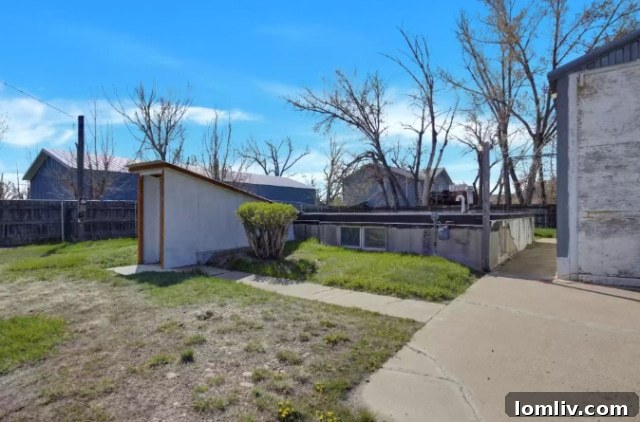
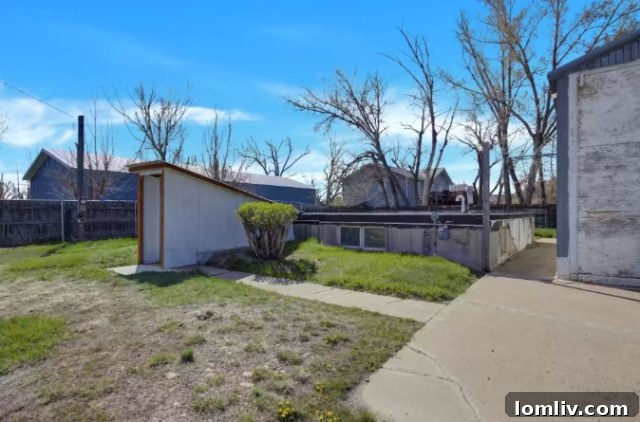
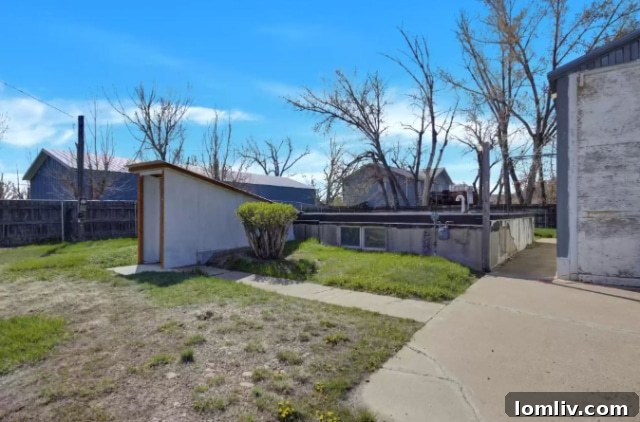
This particular underground home, quite emphatically, is nowhere near the glamorous precincts of Park Avenue. Situated at 2708 4th Ave NW, Great Falls, Montana, it offers a stark contrast to Luthor’s opulent subterranean empire. This modest dwelling features three bedrooms, one bathroom, and spans just over 1,100 square feet. The owners are currently asking $135,000, presenting a far more accessible entry point into underground living than any villainous lair might suggest.

So, are we all ready to embark on a little virtual spelunking? Let’s descend into the depths of this unique Montana property and discover what subterranean life truly entails beyond the realm of super-villain fantasies. This journey will offer insights into the realities of buried architecture, design choices, and the specific challenges and charms that come with making your home beneath the earth.
A Humorous Look Inside: The Realities of Subterranean Style
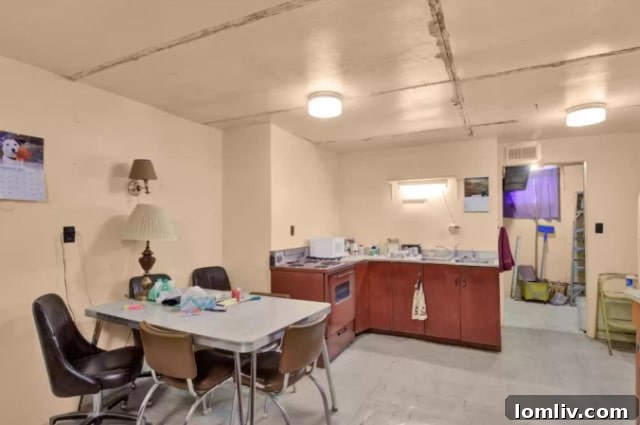
Stepping inside, one immediately realizes that Lex Luthor would decidedly *not* reside here. The most telling clue? A Formica tabletop takes center stage in the dining area. While practical, it lacks the sophisticated gravitas one would expect from a villain of Luthor’s caliber. Furthermore, every single one of his dining room chairs would undoubtedly match, meticulously chosen for aesthetic coherence and intimidating luxury. The eclectic mix found here speaks to a different kind of inhabitant, one less concerned with grand statements and more with functional utility.
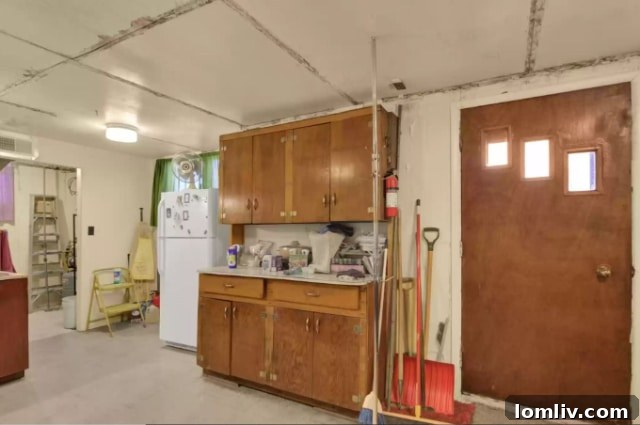
Another strong indicator? Lex Luthor would never, under any circumstances, keep his push broom, snow shovel, and various yard tools casually stored in what we are generously calling the “foyer.” Yes, I know I’m stretching the definition of a foyer by assigning it to the corner between the front door and the cabinets. This practical, albeit unpolished, storage solution tells a story of everyday living, far removed from the meticulously organized and aesthetically curated environment of a billionaire super-villain’s abode. It underscores the distinct differences between a utilitarian underground home and a luxurious, secret lair.
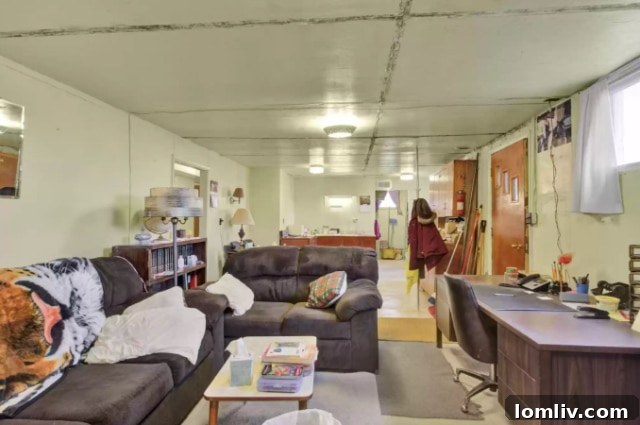
Wait, I have a distinct sense of déjà vu. I’m quite certain I’ve encountered this particular style of furniture before. It’s a design aesthetic that whispers of comfort, utility, and perhaps a touch of historical charm rather than cutting-edge luxury. The worn, inviting fabric and classic shapes evoke a sense of homeliness.

Ah, yes, now it comes to me. The mole people! They most certainly would possess sofas like this. It’s a style that prioritizes durability and comfort over fleeting trends, perfectly suited for a dwelling that is, quite literally, grounded. This leads us to the bedrooms, where the unique challenges and experiences of subterranean living become even more pronounced.
Bedrooms Below Grade: Challenges and Unexpected Comforts
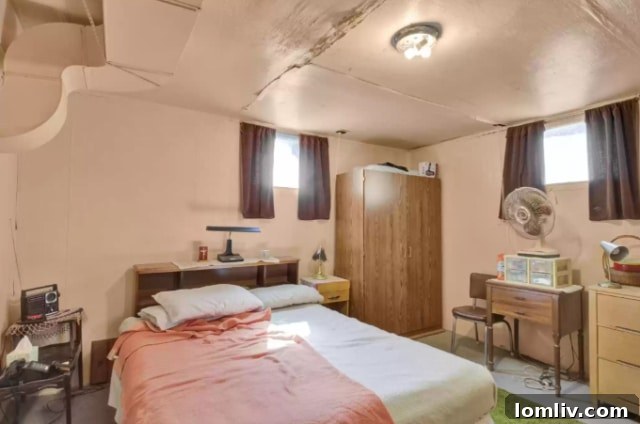
Imagine lying in bed, staring up at the ceiling of an underground room. One might ponder the structural integrity, perhaps musing about the exact moment a potential collapse might occur, and whether one would possess the fortitude and means to dig oneself out before succumbing to claustrophobia or suffocation. While this is, of course, a dramatic embellishment, it highlights the unique psychological aspects of living below ground. However, subterranean bedrooms also offer unexpected comforts: incredible sound insulation, consistent temperatures, and an unmatched sense of privacy and security from the elements above. The absence of natural light, a primary concern, can be mitigated with strategic lighting design, turning a potential drawback into an opportunity for creating cozy, controlled ambiances.
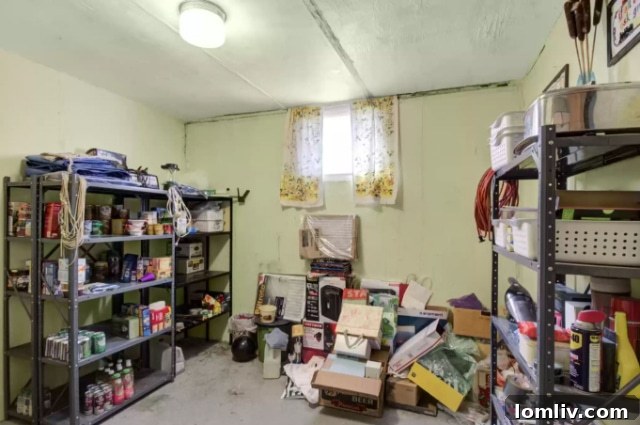
In this particular bedroom, amidst the musings of subterranean stability, a glimmer of practical genius emerges. The only items that make absolute sense in this entire room are the ubiquitous roll of duct tape and the trusty can of WD-40. These two humble items, a testament to DIY ingenuity, are universally acknowledged as the solutions to the vast majority of common household repair issues. Even for a unique dwelling like this underground home, these tools likely hold immense value. Right, Lex? One can almost imagine even the most sophisticated villain appreciating the primal effectiveness of these tools when confronted with an unforeseen structural creak or a stubborn lock, though he’d likely dispatch a minion to acquire them rather than wield them himself.
The Enduring Appeal of Unique Properties
This journey through a quirky Montana underground home, framed by the unparalleled real estate ambitions of Lex Luthor, serves as a compelling reminder of the diverse and often surprising landscape of the housing market. While not every subterranean dwelling can boast a Park Avenue address or a super-villain’s touch, properties like the one in Great Falls offer a unique blend of affordability, privacy, and an unconventional lifestyle. They challenge our perceptions of what makes a desirable home, underscoring that “location, location, location” isn’t always about panoramic views or bustling cityscapes, but sometimes about quiet seclusion beneath the earth.
Ultimately, whether it’s a grand scheme to reshape continents for profit or a cozy retreat nestled underground, the world of real estate continues to offer fascinating insights into human aspiration, ingenuity, and sometimes, outright villainy. These unique properties invite us to look beyond the conventional and appreciate the distinct character that defines different living spaces.

For those eager to delve deeper into the fascinating details and see more photos of this intriguing subterranean residence, we encourage you to explore the full listing here.