From “Gorgeous Hazmat” to Artistic Haven: The Rebirth of Orient Point Lighthouse
Imagine stumbling upon a property so severely deteriorated that its charm is almost entirely obscured by rot, rust, and neglect. Now, imagine a visionary artist not only seeing beauty in this decay but also committing to an ambitious project to transform it into a beacon of creativity. This is the remarkable story of the Orient Point Lighthouse, affectionately known as “Bug Light,” and the master builder and installation artist Randy Polumbo, who has single-handedly turned a dilapidated historical structure into an inspiring artist residency.
The journey began when Polumbo discovered the lighthouse listed on a government website. His initial assessment was startlingly poetic: he described the structure as a “gorgeous hazmat situation.” This evocative phrase perfectly captured the paradox of a building ravaged by time yet possessing an undeniable, if unconventional, allure. “It had peeling lead paint, cauliflowers coming out of the plaster, rust, mold, mildew, and a few dead birds and some bird crap,” Polumbo recounts, “but it definitely was beautiful in that kind of decayed, weird way.” This unique perspective, seeing potential where others saw only ruin, was the genesis of one of the most intriguing adaptive reuse projects in recent memory.
The Storied Past of Bug Light: A Beacon’s Legacy
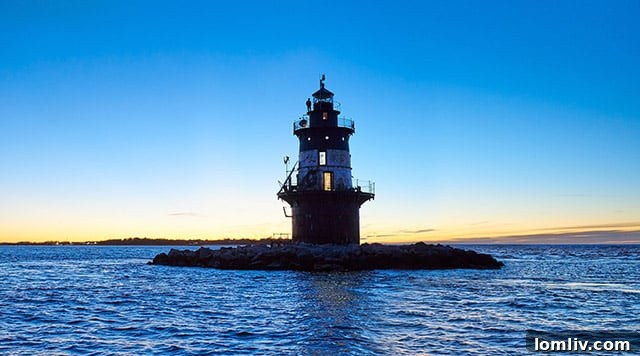
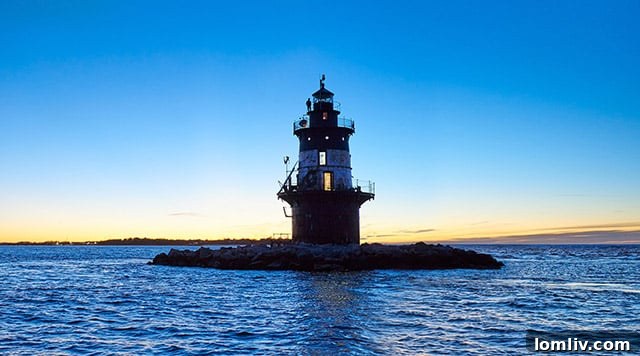
To fully appreciate Polumbo’s achievement, one must understand the history of the Orient Point Lighthouse. Perched majestically at the eastern tip of Long Island, New York, Bug Light has stood as a crucial navigational aid for over a century. Officially known as the Orient Point Lighthouse, its nickname “Bug Light” is said to derive from its distinctive shape, resembling an insect, or perhaps its isolation. Built in 1899, this unique sparkplug-style lighthouse served as a guiding light for mariners navigating the treacherous waters where the Long Island Sound meets the Atlantic Ocean. Its robust cast-iron structure has weathered countless storms, bearing witness to the ebb and flow of maritime history.
For decades, the lighthouse was a symbol of safety and vigilance, operated first by lighthouse keepers and later automated. However, with advancements in navigational technology, many lighthouses, including Bug Light, eventually became obsolete in their primary function. By the early 21st century, the U.S. Coast Guard declared it surplus property, leading to its eventual sale. Neglected and exposed to the harsh marine environment, the once proud beacon slowly succumbed to the elements, becoming the decaying structure Polumbo encountered. Its abandonment left it vulnerable to the very forces it was built to withstand, transforming it into a poignant relic of a bygone era.
Randy Polumbo: A Visionary Artist with a Builder’s Soul
Randy Polumbo is no stranger to transforming unconventional spaces. Known for his immersive installations and unique architectural projects, Polumbo possesses a distinctive artistic sensibility that blends industrial aesthetics with organic forms, often incorporating elements of light, sound, and reclaimed materials. His work frequently challenges conventional notions of beauty and utility, making him the ideal candidate to undertake a project of this magnitude. Unlike a traditional developer or restorer, Polumbo approaches architecture as an extension of his art, viewing structures as sculptures that can evolve and inspire.
His decision to purchase Bug Light was not merely an investment but an artistic calling. He saw beyond the peeling paint and structural damage, envisioning a future where the lighthouse could once again serve a purpose—not just as a navigational aid, but as a cultural one. Polumbo’s vision was ambitious: to convert the forgotten lighthouse into a dynamic artist residency, a secluded sanctuary where creative minds could find inspiration amidst the vastness of the sea. This unique blend of artistic insight and practical building expertise was paramount to tackling the monumental task ahead.
The Herculean Task: From Ruin to Radiant Retreat
The transformation of the Orient Point Lighthouse was an undertaking fraught with challenges, a testament to Polumbo’s tenacity and ingenuity. Renovating an offshore structure presents a unique set of logistical and environmental hurdles that far exceed those of land-based projects. Every piece of material, every tool, and every worker had to be transported by boat, often battling unpredictable weather and choppy waters. The sheer isolation of Bug Light meant that planning, coordination, and resourcefulness were critical at every stage.
The initial phase involved extensive remediation. The “hazmat” situation Polumbo described was very real, requiring careful removal of lead paint, asbestos (if present), and thorough cleaning to eradicate mold and mildew. Structural integrity had to be assessed and reinforced, a delicate process given the lighthouse’s age and exposure to corrosive saltwater. Polumbo and his team had to contend with the relentless forces of nature—salt spray, strong winds, and the ever-present dampness—all while preserving the historical character of the lighthouse. This balancing act between robust modernization and respectful preservation was central to the entire project.
Sustainable Practices and Artistic Integration
Beyond restoration, Polumbo’s vision for the lighthouse incorporated a strong emphasis on sustainability and artistic integration. The renovation was not merely about fixing what was broken but about reimagining the space for a new era. Given its remote location, the lighthouse was designed to be largely self-sufficient. This likely involved implementing state-of-the-art solar power systems to provide electricity, rainwater harvesting for potable water, and advanced wastewater treatment solutions to minimize environmental impact on the surrounding marine ecosystem. The use of durable, recycled, and locally sourced materials wherever possible would also have been a priority, aligning with contemporary sustainable building practices.
The interior design reflects Polumbo’s distinct artistic style. He managed to weave modern comforts and artistic flair into the historical fabric of the structure. The “incredible interiors” mentioned are a testament to his ability to blend the industrial ruggedness of a lighthouse with the refined elegance and functionality required for an artist residency. Expect to see bespoke furniture, innovative lighting installations, and carefully curated artworks, all of which complement the panoramic views of the ocean. Each space within the lighthouse, from living quarters to studio areas, is designed to inspire creativity, offering a unique blend of solitude and spectacular natural beauty.
An Artists’ Sanctuary: The Residency Program
The ultimate goal of Polumbo’s ambitious project was to establish an artist residency, transforming Bug Light into a secluded haven for creative exploration. This program offers artists a truly unparalleled opportunity to live and work in an environment unlike any other. The isolation, the rhythmic sounds of the waves, and the ever-changing seascape provide a profound sense of introspection and inspiration, far removed from the distractions of urban life. Artists selected for the residency can immerse themselves completely in their craft, drawing inspiration from the lighthouse’s history, its stark beauty, and its surrounding natural environment.
The residency likely fosters a multidisciplinary approach, inviting artists from various fields—painters, writers, musicians, sculptors, and multimedia artists—to engage with the unique setting. The intimate scale of the lighthouse would naturally encourage a close-knit community among residents, fostering collaboration and dialogue. This dedicated space for artistic production not only supports individual artists but also contributes to the broader art world by nurturing new ideas and innovative works. The Orient Point Lighthouse, once a utilitarian structure guiding ships, now guides artistic vision.
The Enduring Legacy of Bug Light’s Rebirth
Randy Polumbo’s transformation of the Orient Point Lighthouse into an artist residency is more than just a renovation project; it is a powerful statement about adaptive reuse, historical preservation, and the enduring power of art. It demonstrates how seemingly lost structures can be revitalized to serve new, meaningful purposes, breathing new life into forgotten heritage. This project stands as an exemplary model of how creativity, perseverance, and a deep respect for both history and nature can converge to create something truly extraordinary.
The lighthouse, once a symbol of decline, now shines brightly as a testament to human ingenuity and artistic vision. It offers a powerful narrative of resilience, proving that beauty can indeed emerge from decay and that the most challenging environments can foster the most profound inspiration. The Orient Point Lighthouse now serves as a vibrant hub for creativity, continuing its legacy as a beacon, albeit a different kind—one that lights the path for artistic innovation and sustainable living.
To witness the remarkable culmination of this extraordinary journey and discover the meticulously crafted interiors that fuse style with sustainability, explore the incredible transformation firsthand. See the incredible interiors of this lighthouse on SecondShelters.com now.