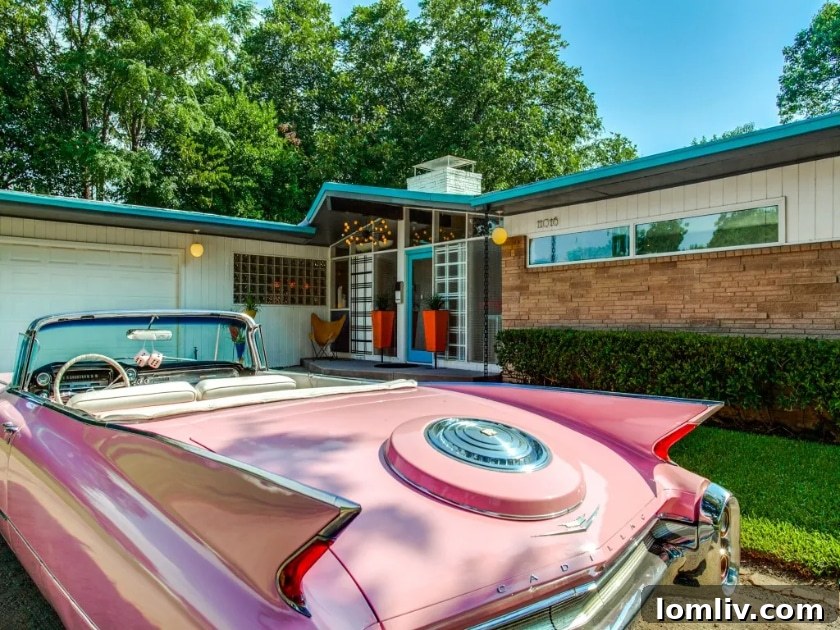
Nestled in the vibrant city of Dallas lies a truly unique neighborhood, instantly recognizable by its whimsical street names: the Disney Streets. This enchanting community, where avenues bear the monikers of beloved Disney characters, represents a fascinating intersection of real estate innovation, architectural heritage, and the indelible mark of American popular culture. More than just a collection of homes, the Disney Streets neighborhood is a living testament to mid-20th-century development ingenuity and a highly sought-after destination for those who appreciate distinctive Midcentury Modern architecture and a touch of nostalgic charm.
The story of the Disney Streets begins in an era of profound cultural transformation. On October 16, 1923, Walt Disney and his brother Roy embarked on a creative journey, founding the Disney Brothers Cartoon Studio, which soon evolved into the iconic Walt Disney Studio. The subsequent decades saw an explosion of Disney magic that captivated the nation. From the debut of Mickey Mouse in “Steamboat Willie” in 1928 to the groundbreaking success of “Snow White and the Seven Dwarfs” in 1937, Disney’s characters and stories became deeply embedded in the American psyche. By 1955, as “The Mickey Mouse Club” aired on half of American televisions and Disneyland opened its gates, Disney was not merely entertainment; it was a cultural phenomenon that defined childhoods and inspired dreams across generations.
The Genesis of a Magical Dallas Neighborhood: Disney Streets
Against this backdrop of widespread Disney adoration, two astute developers in Dallas, Gump and Gaynier, envisioned transforming a sprawling expanse of cow pastures into a residential “magical kingdom.” In the mid-1950s, as they platted their new development, Midway Hills, they made a brilliant marketing decision: naming the streets after Disney characters. This wasn’t just a quirky choice; it was a stroke of genius that leveraged one of the most powerful brands of the era to capture the imagination of prospective homebuyers. Streets like Pinocchio Drive, Cinderella Lane, and Snow White Drive instantly gave the neighborhood an identity that was both whimsical and aspirational, resonating deeply with families seeking a new life in the burgeoning post-war suburbs.
The impact was immediate and profound. “It was cutting-edge marketing and a stroke of genius,” affirms Realtor Ed Murchison of Coldwell Banker, a long-time expert in the Disney Streets market whose depth of knowledge about the neighborhood is truly unparalleled. Murchison has witnessed firsthand the enduring appeal of these homes, an appeal rooted in their unique story and distinctive architectural style. The success wasn’t accidental; it was a calculated risk that paid off handsomely, creating a community that has retained its charm and desirability for decades.
Adding another layer to this captivating narrative, Jean Hartley, 86, whose husband Robert Gump was one of the original developers, confirmed the direct connection to Walt Disney himself. “It was definitely connected to Disney,” Hartley stated in a 2009 interview with David Flick for D Magazine. She recalled, “He wrote a letter to Walt Disney asking if that was OK, and got a very nice letter back.” This personal endorsement from the man behind the magic likely lent an added layer of prestige and authenticity to Gump and Gaynier’s imaginative venture, further cementing the neighborhood’s unique identity.
“It was definitely connected to Disney,” said Jean Hartley, 86, whose husband, Robert Gump, was one of the developers of the streets in the 1950s. “He wrote a letter to Walt Disney asking if that was OK, and got a very nice letter back.”
David Flick for D Magazine, 2009
Innovation and Architectural Excellence: The Parade of Homes
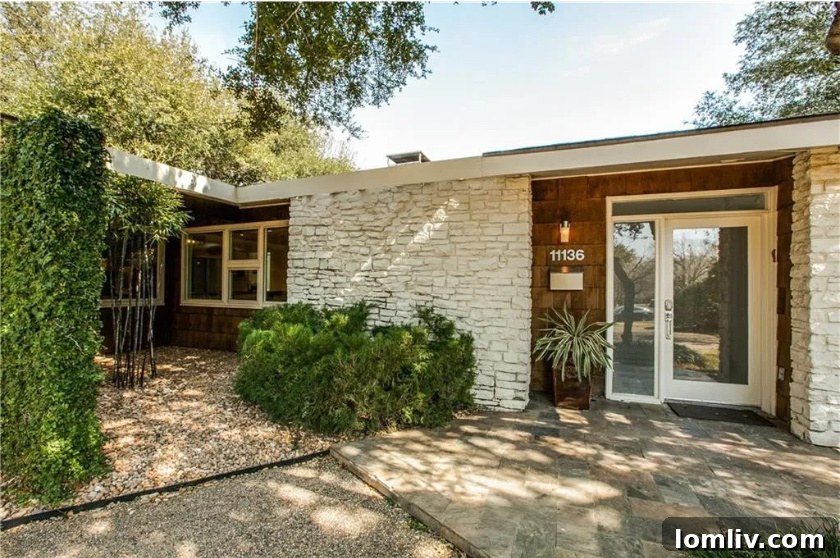
Gump and Gaynier’s commitment to creative marketing extended beyond street names. In 1954 and 1955, they were prominent participants in the Dallas Parade of Homes, an innovative event sponsored by the Dallas chapter of the National Association of Home Builders. Introduced in 1952, this concept revolutionized how homes were showcased to the public. In an era before the advent of the Multiple Listing Service (MLS), developers and Realtors had to be exceptionally inventive to attract potential buyers. The Parade of Homes proved to be a sensation, drawing over 100,000 people eager to glimpse the latest in residential design and construction.
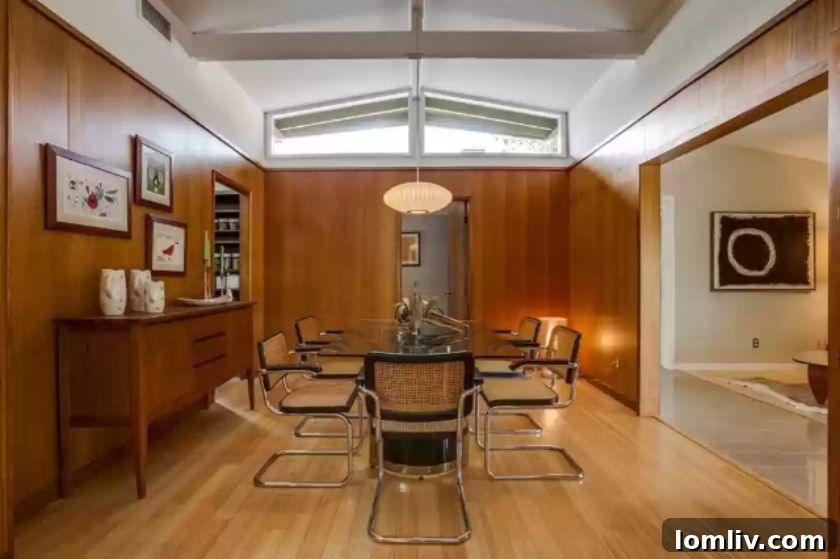
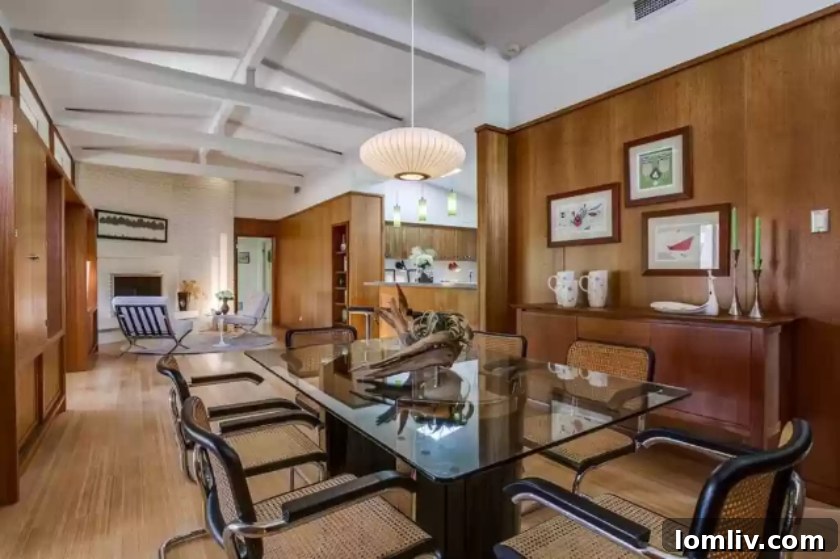
The star attraction of the 1955 parade was none other than the “Rhapsody House,” located at 11116 Pinocchio Drive. This home was a collaborative masterpiece by builder Gordon Nichols and architect Thomas Scott Dean, two pivotal figures in shaping the distinctive character of the Disney Streets. Dean’s design for the Pinocchio house was particularly avant-garde, featuring construction from pre-cast concrete frames. This cutting-edge technique allowed the entire home to be built in a remarkable seven weeks, showcasing speed and efficiency that was revolutionary for its time. Such innovations highlighted the forward-thinking spirit that defined the neighborhood’s development and attracted homebuyers eager for modern living.
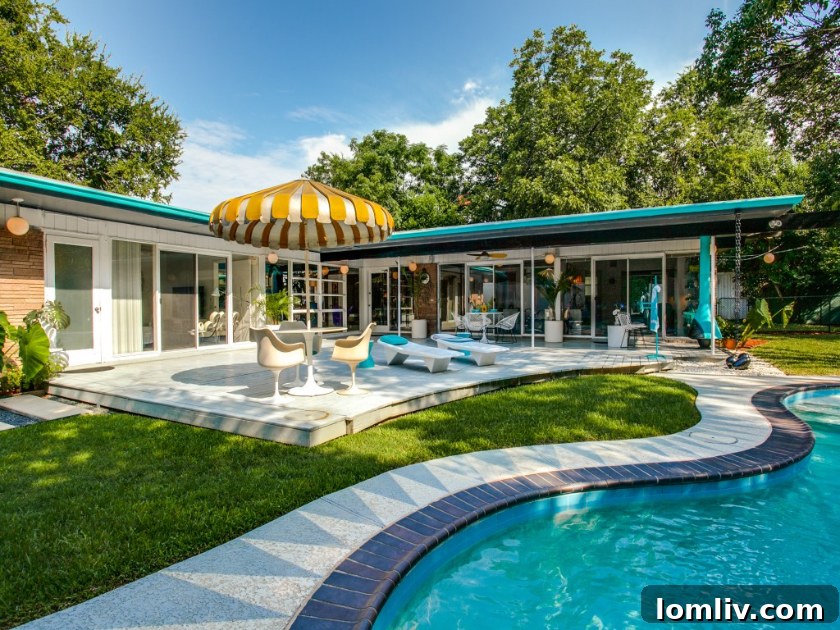
The mid-1950s marked the zenith of the Midcentury Modern architectural movement, a style celebrated for its clean lines, open floor plans, large windows that blur the lines between indoors and outdoors, and a harmonious integration with nature. This aesthetic reflected the post-war optimism and a desire for functional yet elegant living spaces. At the forefront of this movement was California architect Cliff May, widely recognized as the father of the Midcentury Modern Ranch house. His designs emphasized comfort, informality, and a deep connection to the environment, fundamentally altering the landscape of American residential architecture.
”The ranch house was everything a California house should be -it had cross-ventilation, the floor was level with the ground, and with its courtyard and the exterior corridor, it was about sunshine and informal outdoor living.”
“The Man Behind the Ranch House” Joseph Giovannini for The New York Times, 1986
Cliff May’s Legacy in Dallas: Rare Gems in the Disney Streets
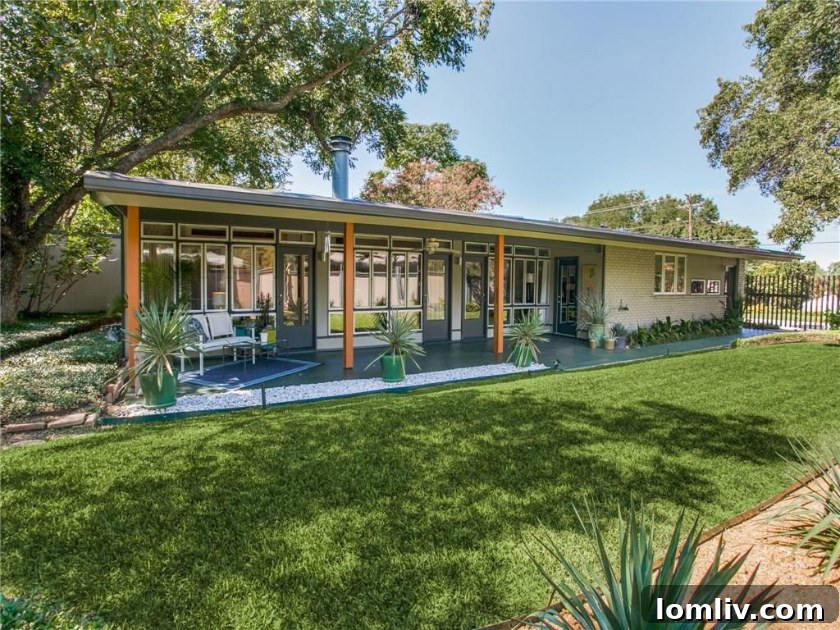
Cliff May’s groundbreaking work soon caught the attention of builders beyond California. “Cliff May met Leslie Hill, a builder in Dallas, who was intrigued by what May was doing,” Murchison recounted. Their collaboration led to an exclusive agreement to build an ambitious 1,200 Cliff May-designed homes in Dallas. However, economic downturns intervened, and only approximately 40 of these distinctive homes were ultimately constructed. Most of these rare residences are found in far East Dallas, typically measuring between 1,200 and 1,400 square feet. Remarkably, the Disney Streets are home to two of these coveted Cliff May originals, notably larger at around 3,000 square feet, making them exceptional treasures within an already unique neighborhood. Their scarcity and design pedigree contribute significantly to their high value and desirability.
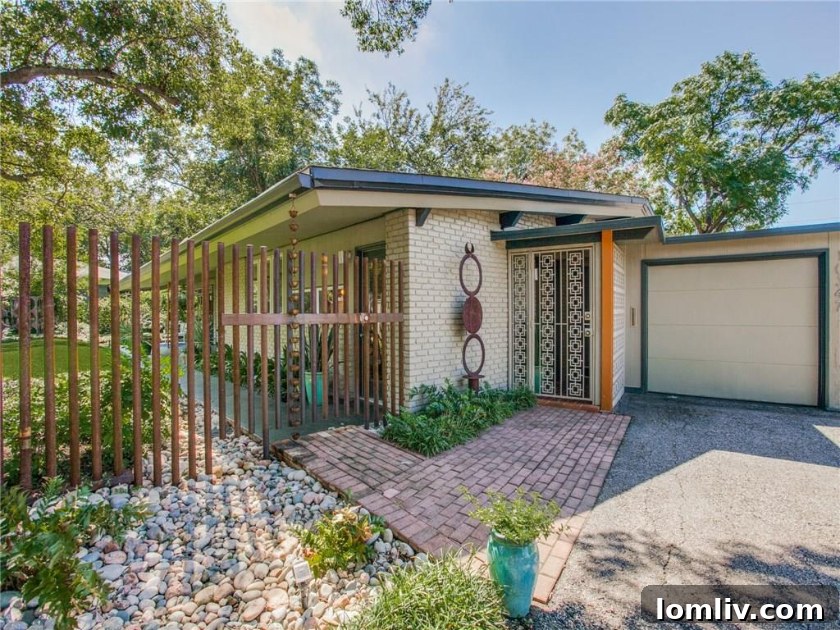
The architectural significance of the Disney Streets has naturally led to discussions about preservation. “There was a move to make it a Conservation District years ago and it kind of became a divide between those with midcentury homes and those that did not have them,” Murchison explained. The debate was intense, reflecting the complex interplay of architectural heritage, property rights, and community identity. Despite the undeniable value of these homes, the initiative for a conservation district did not materialize, largely due to the inherent divisions. However, Murchison observes a shift: “I do see that the care is being put around the midcentury homes. Increased construction costs and interest rates have combined to actually encourage preservation.” This economic reality means that the cost of tearing down an existing structure and building new often outweighs the cost of a sensitive renovation, thus indirectly safeguarding the neighborhood’s architectural treasures.
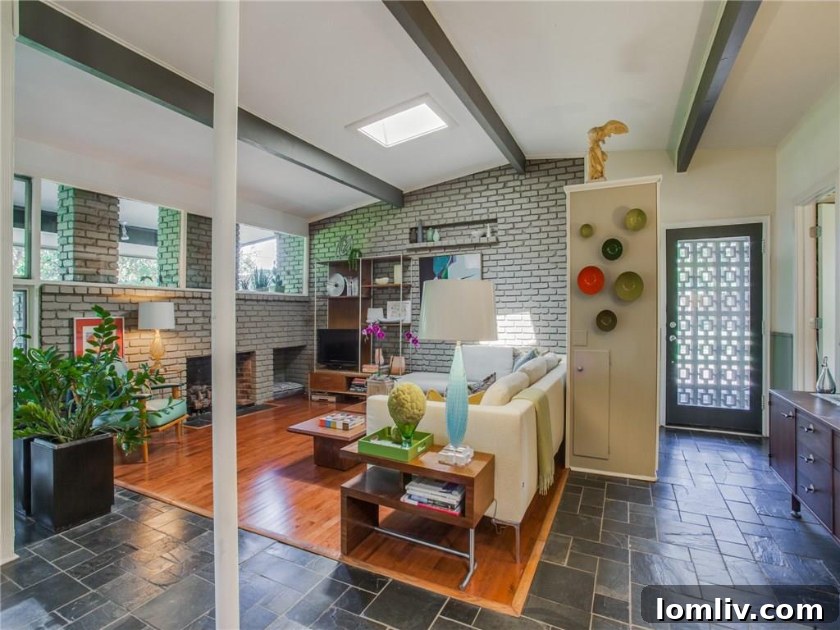
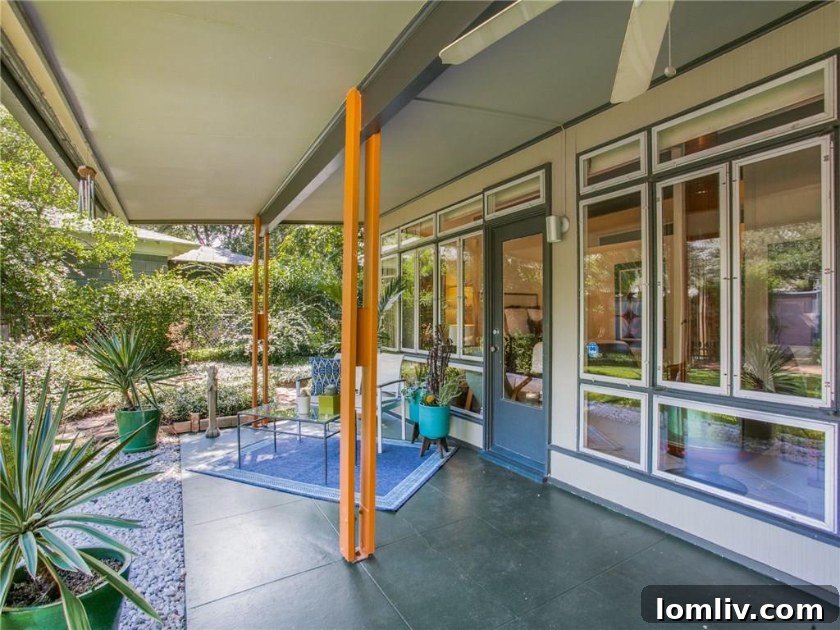
Gump and Gaynier would undoubtedly be delighted by the immense and sustained success of their post-war neighborhood concept. The Disney Streets have only grown in popularity over the decades, attracting discerning buyers who eagerly scramble for these coveted Midcentury Modern ranch homes the moment they become available. Beyond mere acquisition, many new owners are investing substantial time and expense to meticulously renovate these properties, ensuring their architectural integrity is preserved while updating them for contemporary living. This commitment to preservation and thoughtful modernization underscores the enduring value and unique appeal of the Disney Streets, solidifying its status as a premier Dallas real estate destination.
Restoring a Legacy: The Renovation of 10807 Cinderella Ln.
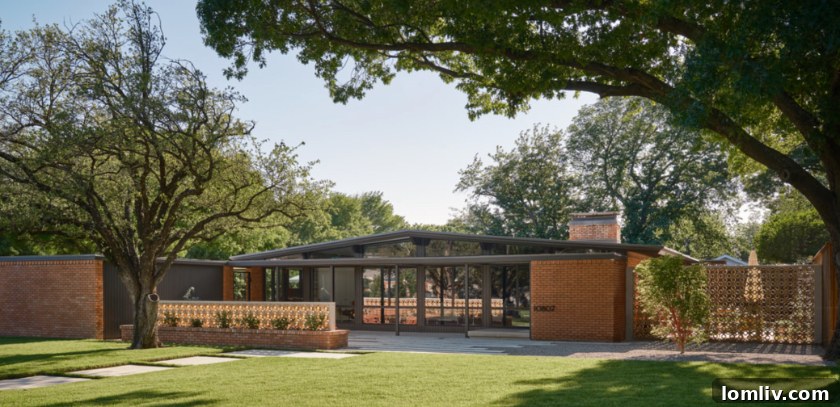
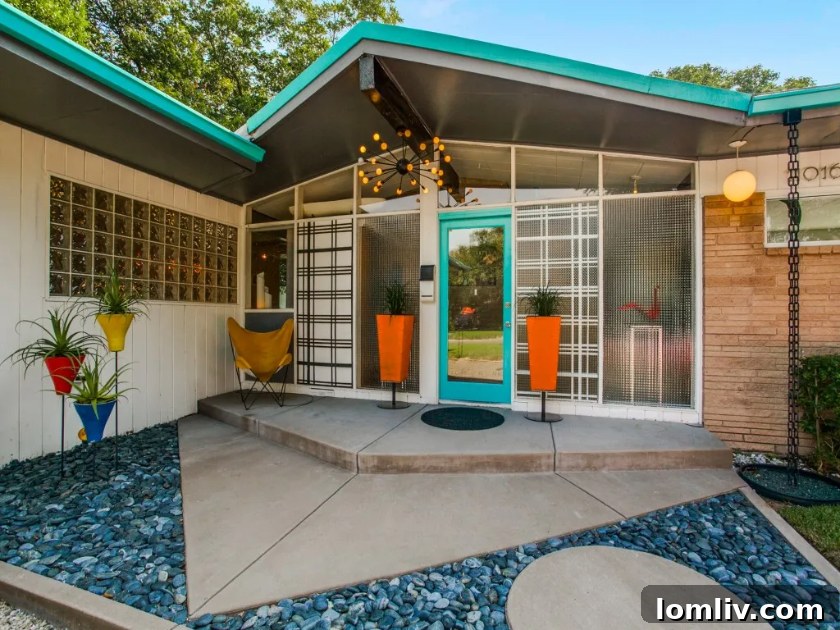
The meticulous renovation of 10807 Cinderella Lane stands as a prime example of this dedication. Compass Realtor John Weber, a passionate Midcentury Modern enthusiast, played a key role in its transformation. “When I find a cool midcentury, I want to do the right thing with it,” Weber shared. Initially, he brought friends and clients Robert Baldwin and Paul Echart to view the property as an investment for a respectful flip. However, the house had other plans. “We came out of the house and they had decided they wanted to buy it for themselves. They had wanted a midcentury but were not really looking until they saw this house.” This immediate connection speaks volumes about the intrinsic charm and allure of these homes.
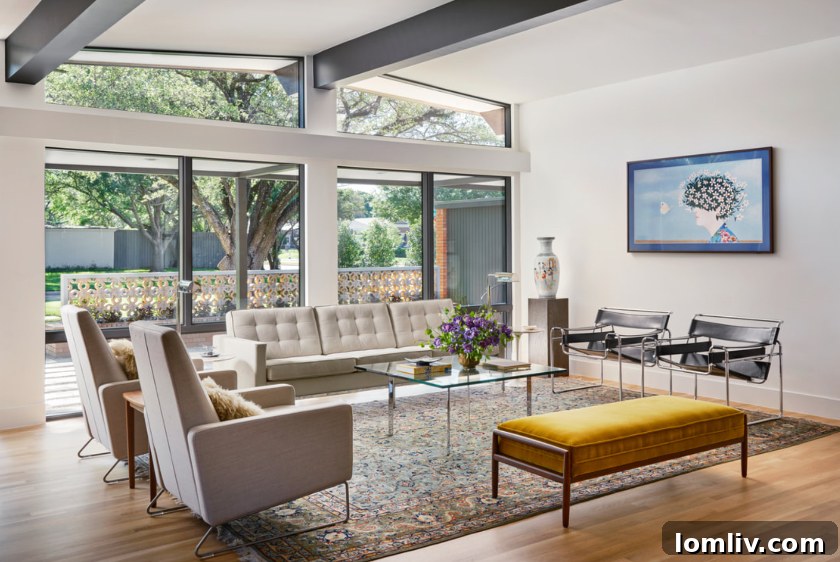
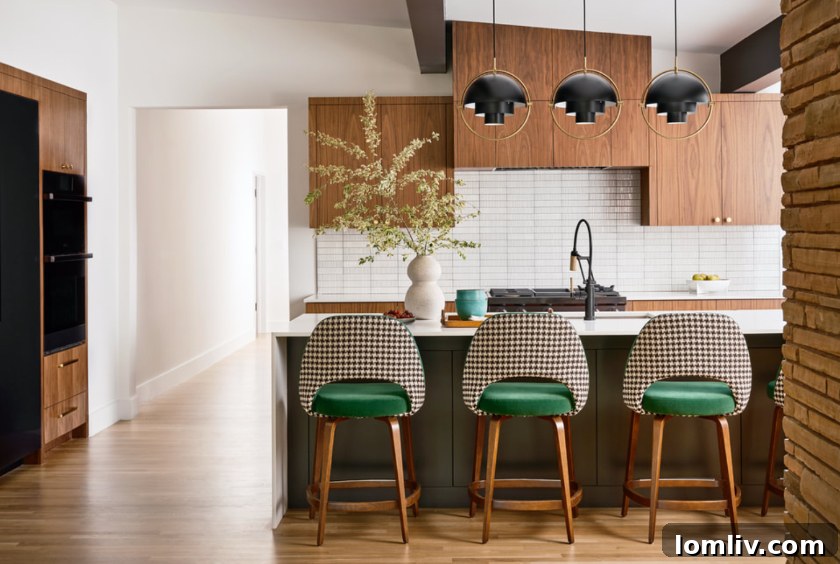
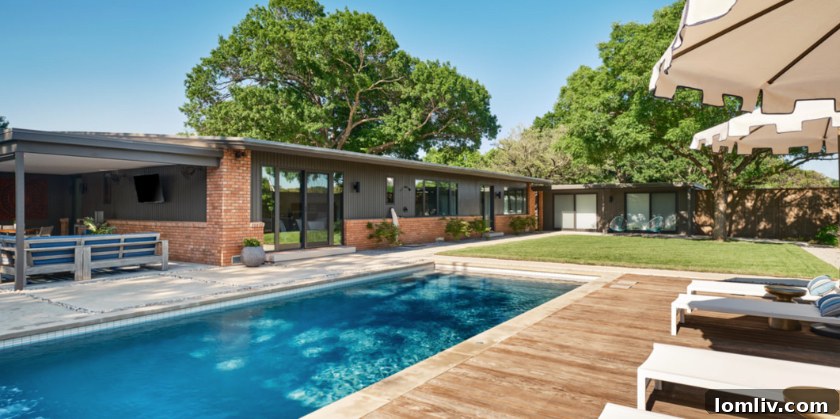
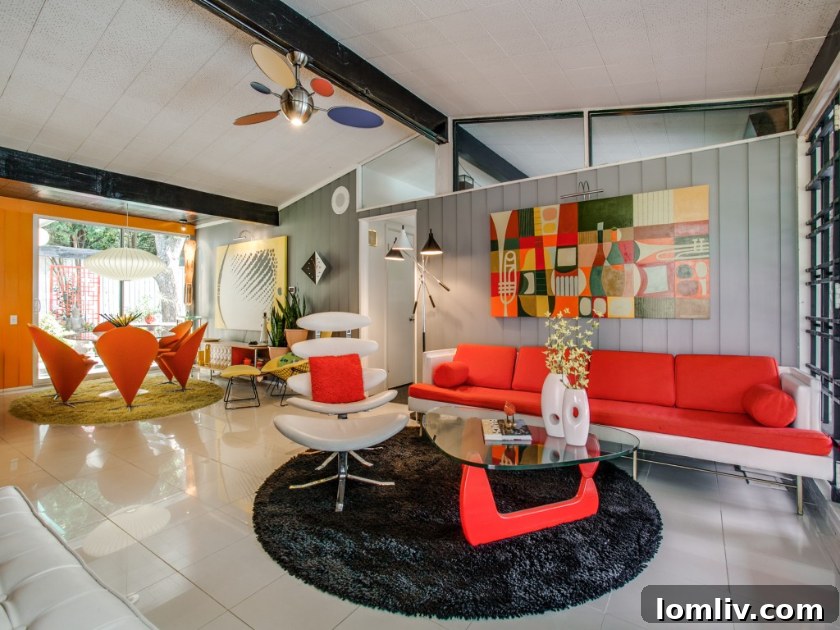
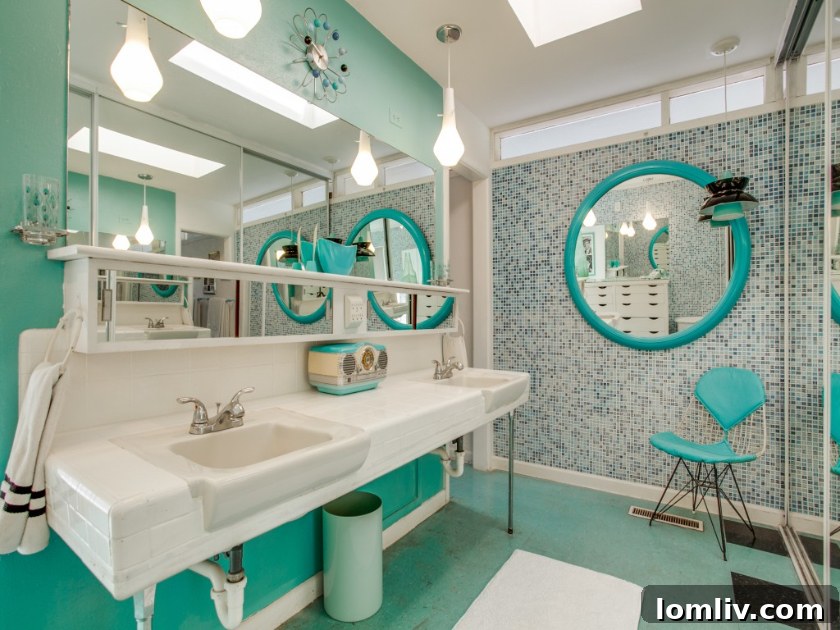
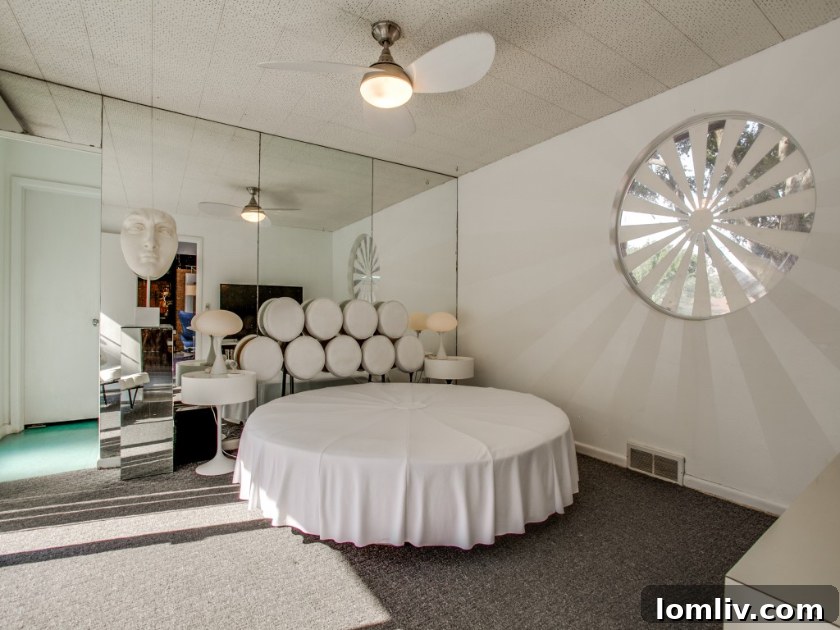
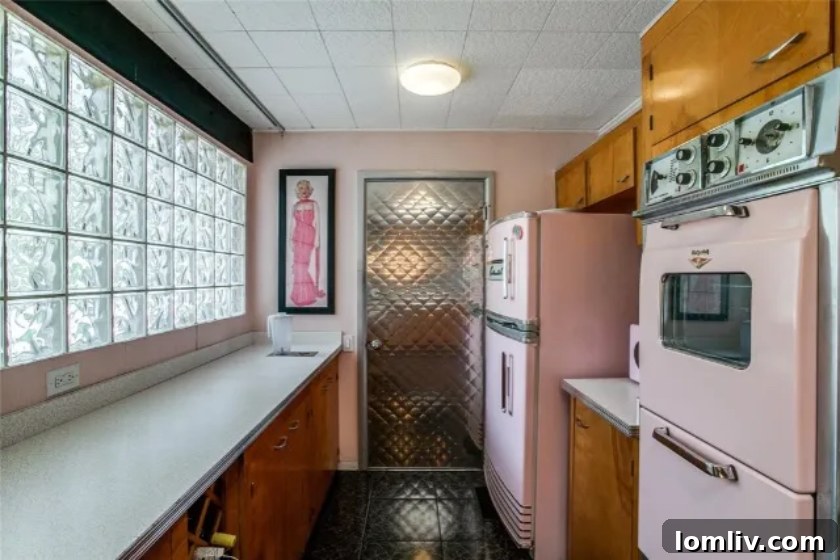
Baldwin and Echart embarked on an extensive, complete renovation of this 1954 show home, committing to rebuild it while remaining true to its origins. They partnered with architect Manolo Banda of Manolo Design Studio, whose expertise in preserving Midcentury Modern aesthetics was invaluable. Their commitment to authenticity was extraordinary. “They even flew in tile from California,” Weber marveled, concluding, “It’s probably one of the best remodels I’ve ever seen.”
Paul Echart detailed the profound undertaking: “It was an undertaking. Working with Manolo Banda, we paid attention to every minute detail. We ordered siding from California to match the original siding and we recreated elements at the same dimensions and angles. We wanted it to be as true to Thomas Scott Dean’s design as possible. We did an addition to the rear of the house, but the front of the house looks exactly like it did when Dean built it.” This level of dedication, from sourcing period-appropriate materials to meticulously replicating architectural details, exemplifies the “right thing” in Disney Streets preservation. It’s a testament to the community’s architectural heritage and the timeless appeal of well-designed Midcentury Modern homes.
The Disney Streets neighborhood is more than just a collection of houses; it’s a vibrant piece of Dallas history, a testament to clever marketing, architectural innovation, and enduring cultural appeal. For those seeking a home with character, a story, and a tangible connection to an iconic era, the Disney Streets offer a truly magical place to live.