The Egyptian rental property market has undergone significant shifts, especially since 2020. Landlords who once commanded premium prices have witnessed a re-calibration, adapting to a landscape where rental income expectations have notably changed. This evolution has brought about a dynamic environment for both property owners and prospective tenants.
Coinciding with this market shift, the real estate sector has seen an influx of agents and brokers. However, the period following global events, such as the pandemic, highlighted a disparity in professionalism. While numerous individuals entered the field, there’s been a noticeable scarcity of professional real estate agencies in Egypt dedicated to long-term client relationships. Instead, many operate on a transactional basis, prioritizing quick deals over sustained client satisfaction.
The global health crisis significantly impacted international travel and mobility. Consequently, the number of expatriates relocating to Egypt saw a considerable decline. This trend, coupled with evolving health and travel protocols, has meant that a segment of luxurious properties, once sought after by the international community, now faces prolonged vacancies as potential tenants struggle to match their budgets with available options.
A common sales tactic frequently encountered in the Egyptian market, often subtly or overtly pressed upon clients, is the urgency-driven statement: “This is the perfect property for you; you must decide quickly before someone else takes it.” While this can occasionally hold true, it’s crucial for prospective renters to approach such claims with discernment.
Essential Considerations for Renting Property in Egypt
Finding the ideal rental property for yourself and your family in Egypt requires careful consideration beyond immediate pressure. To make an informed decision, always keep these three critical aspects in mind when exploring rental opportunities across Egypt:
- Location: The geographical placement of the property.
- Property Features: The specific characteristics, type, and furnishing of the unit.
- Price: The rental cost and associated financial terms.
Once you believe you’ve identified a promising option, thoroughly evaluate it against these three pillars. If all three aspects align positively with your requirements, you can confidently move forward with the rental process.
Should two out of three aspects be favorable, you’re on a solid path, but it’s advisable to explore a few more alternatives before making a final commitment. If only one aspect meets your criteria, it’s a clear indication to broaden your search and seek properties that more comprehensively fulfill your needs and preferences.
1. Location: Your Gateway to Convenience and Lifestyle
Whether you’re a long-term resident or an expat settling in Egypt, location is paramount when choosing a rental home. Your ideal location should seamlessly integrate with your daily life. Consider the proximity and accessibility to your workplace or office. Evaluate the commute time and available transport options to ensure your daily journey is manageable and efficient.
For families, the proximity to schools and universities is a critical factor. Research the location of educational institutions for your children and assess the convenience of drop-offs and pick-ups. Furthermore, assess the surrounding amenities: are there sufficient recreational facilities, parks, gyms, supermarkets, retail outlets, and dining options? A well-located property enhances your lifestyle by offering easy access to essential services and leisure activities.
For many foreigners and expatriates relocating to Cairo, Maadi and New Cairo consistently emerge as top choices. These areas are favored due to their established infrastructure, access to international workplaces, and reputable educational institutions.
Exploring Maadi: A Hub for Expatriates
Maadi, a verdant and tranquil district, is highly popular among expatriates and diplomats. It’s subdivided into several distinctive areas, each offering a unique living experience:
- Sarayat El Maadi
- Degla El Maadi
- Zahraa El Maadi
- New Maadi
- Corniche El Maadi
Maadi’s appeal to the international community stems from its reputation for respectable residential zones, often housing diplomatic representatives and international teachers. Many embassies and international schools are strategically located here, alongside Zamalek, due to their naturally appealing and secure environments. Here are a few prominent embassies found within the leafy confines of Maadi:
Embassies Located in Maadi:
- Embassy of Mexico
- Embassy of the Philippines
- Embassy of the Republic of Azerbaijan
- Embassy of South Africa
- Embassy of Venezuela
- Embassy of Japan
For families, Maadi boasts a selection of highly respected international schools, renowned for their educational standards and trusted by expatriate communities. Some notable options include:
International Schools in Maadi:
- Cairo American College (CAC)
- French International School in Egypt (Lyceé Français du Caire)
- Malvern College Egypt
- New Cairo British International School (NCBIS – often confused with New Cairo, but has Maadi presence/legacy)
- Maadi British International School (MBIS)
Among Maadi’s sub-districts, Sarayat El Maadi and Degla El Maadi are particularly sought after for their serene environment and upscale residential offerings.
New Cairo: Modern Living and Growth
New Cairo represents the modern expansion of Egypt’s capital, offering contemporary living, advanced infrastructure, and numerous opportunities. Its rapid development has attracted businesses, leading to the relocation of many corporate offices and the establishment of world-class educational institutions. This makes New Cairo another prime choice for expatriates and families seeking modern amenities and a vibrant community.
Prominent International Schools in New Cairo:
- American International School (AIS)
- New Cairo British School (NCBS)
- Modern English School (MES)
- The International Schools of Choueifat (ISC)
- Canadian International School in New Cairo (CIS)
Leading International Universities in New Cairo:
- Future University in Egypt (FUE)
- American University in Cairo (AUC)
- German University in Cairo (GUC)
- British University in Cairo (BUC)
- Canadian International College (CIC)
2. Property Type and Furnishing: Tailoring Your Home to Your Needs
When selecting a rental property in Egypt, understanding the different types of available units and furnishing options is crucial. This choice significantly impacts your moving logistics, initial costs, and long-term living experience.
Regarding furnishing, you typically have three main choices:
- Furnished Properties
- Semi-Furnished Properties
- Unfurnished Properties
Beyond furnishing, the architectural style and size of the property are also key considerations. Common property types available for rent include:
Common Property Types:
- Ground Floor Apartments (often with gardens)
- Apartments (standard units in multi-story buildings)
- Duplexes (multi-level apartments)
- Penthouses (top-floor apartments, usually with large terraces)
- Villas (standalone houses, often in compounds)
Furnished Properties: Move-in Ready Convenience
Opting for a furnished apartment means the property comes fully equipped. This typically includes essential furniture in the living areas, beds and mattresses in bedrooms, and all necessary kitchen utilities and appliances. The landlord provides these items, making furnished units ideal for those seeking immediate occupancy without the hassle of purchasing or transporting furniture.
It’s important to clarify the landlord’s responsibilities for functionality at the outset. While the landlord ensures all items are in working order upon handover, tenants are generally responsible for the care and maintenance of these belongings during their stay. Any damage beyond normal wear and tear typically falls under the tenant’s responsibility after an initial trial period (e.g., the first month).
Semi-Furnished Properties: A Balanced Approach
A semi-furnished apartment offers a middle ground. This option might include some basic furniture in key rooms or the reception area, or it could be entirely devoid of movable furniture but will always feature essential built-in elements. Crucially, semi-furnished units typically come with all kitchen utilities (cabinets, sink, possibly a stove) and air conditioning units provided by the landlord. This allows tenants greater flexibility to personalize their living space while benefiting from crucial installations.
When renting a semi-furnished property, the landlord is obligated to ensure all provided utilities and installations are in perfect working order, guaranteeing a comfortable and functional living environment for the tenant.
Unfurnished Properties: A Blank Canvas
Unfurnished properties offer the ultimate flexibility for tenants to create their ideal home. These units generally come with permanent fixtures and fittings, such as kitchen cupboards, sinks, and bathroom fixtures. The extent of what is included is explicitly detailed in the rental contract, ensuring both parties agree on the condition of these items upon tenancy commencement and their return.
This option is best suited for tenants who own their furniture, plan a long-term stay, or wish to completely customize their living space. While requiring more initial effort, unfurnished properties often provide a more personalized and homely feel.
3. Price: Navigating the Rental Market
The rental price of a property is a critical factor influenced by various elements, including the owner’s expectations, market demand, and the expertise of the real estate agency involved. While every owner naturally wants to maximize their return, pricing must remain competitive and realistic within the current market conditions.
When seeking a property for rent in Cairo, tenants with the financial capacity might consider offering advance payments. Options such as quarterly, semi-annual, or even annual upfront payments can be attractive to landlords and may open doors for negotiating a more favorable rental rate. Discussing such arrangements early in the negotiation process can be mutually beneficial.
To secure the best possible rental prices and terms, it is paramount to collaborate with a trustworthy real estate agency. A reputable agency will prioritize your interests, provide transparent market insights, and expertly negotiate on your behalf to achieve a fair and advantageous deal.
The Comprehensive Rental Agreement: Your Legal Safeguard
Once you’ve identified your ideal property, the next crucial step is drafting a comprehensive rental agreement. This legal document is designed to protect both parties – the landlord and the tenant – by clearly outlining all terms, conditions, and responsibilities. A well-detailed contract prevents future misunderstandings and disputes.
The agreement should meticulously list the identifying details of both the landlord (First Party) and the tenant (Second Party):
First Party (Landlord) Details:
- Full Name of the Landlord
- Nationality of the Landlord
- Residential Address of the Landlord
- National Identification Number of the Landlord (or equivalent identification)
Second Party (Tenant) Details:
- Full Name of the Tenant
- Nationality of the Tenant
- National Identification/Passport Number of the Tenant
- Issued Date of the Identification presented by the Tenant
In addition to these foundational details, it’s customary to include documented photographs of both parties alongside their identification documents to further validate the agreement. Before signing, it is imperative to read the entire rental agreement carefully. Take your time, ensure you understand every clause, and never feel pressured to sign a document that doesn’t fully protect your legal interests. An experienced real estate agency will facilitate a smooth and pleasant signing process, ensuring both parties are satisfied with the mutually agreed-upon terms.
Beyond the basic identification, the rental agreement must contain specific clauses that define the parameters of the tenancy. Pay close attention to these vital sections:
- Location of Rental Property: Full and precise address details.
- Duration of Lease: Clearly stated start and end dates.
- Rental Value of the Property: The agreed-upon rent and details of any annual increases.
- Method of Payment: How and when rent is to be paid.
- Security Deposit: The amount, conditions for return, and deductions.
- Duties of the First Party (Landlord): Responsibilities regarding structural maintenance, major repairs, utility provision.
- Duties of the Second Party (Tenant): Responsibilities for utility bills, minor repairs, and property upkeep.
- Contract Termination: Conditions and procedures for ending the lease early.
- Notice Period: Required timeframe for informing termination or non-renewal.
- Additional Clauses: Any specific agreements or special conditions.
- Signatures of Both Parties: Formal agreement and acknowledgment.
The absence or ambiguity of any of this information in the contract can lead to significant issues in the future. Ensure the rental property’s location is fully detailed, including apartment, building, road numbers, and district, written clearly in a language understood by both parties.
The lease duration should be presented unequivocally, often in both numerical and alphabetical formats, to safeguard the interests of both the landlord and tenant.
Regarding tenant duties, it is typically the tenant’s responsibility to pay all utility bills, including electricity, gas, telephone, and internet, throughout the rental duration. Furthermore, the tenant should thoroughly examine the property upon moving in to ensure it aligns with what was agreed upon, whether verbally or documented, and report any discrepancies promptly.
Additional clauses offer flexibility for specific arrangements. These can be discussed and agreed upon by both parties, with the real estate agent facilitating fair negotiations. Such clauses might cover aspects like minor repairs, specific furniture to be removed or added, or unique conditions. Once all terms are mutually agreed upon, both parties can confidently sign the contract, affirming their contentment with the arrangement.
What to Avoid When Dealing with Real Estate Brokers
Every individual comes with unique needs, preferences, and circumstances that dictate their housing choices. Therefore, it’s crucial to steer clear of any real estate agent or broker who adopts a generic approach without genuinely considering your specific requirements. Many agents might simply inquire about your rental duration and maximum budget, then indiscriminately present properties that bear little relevance to your actual interests.
Such agents often lead to wasted time and, at times, wasted financial resources on unproductive viewings. Furthermore, a significant concern with less professional agents in Egypt is their tendency to focus solely on finalizing a deal. Once the contract is signed, they often disengage, leaving clients to navigate any post-rental issues or discrepancies independently, despite previous promises during the transaction. Always prioritize agents who demonstrate a commitment to understanding and addressing your individual housing needs.
Identifying a Professional Real Estate Agency
In the competitive real estate sector, most individuals will highlight their strengths while downplaying any weaknesses. However, discerning a truly professional real estate agency goes beyond self-promotion. An experienced and reputable agent will engage you with pertinent questions to thoroughly understand your needs, enabling them to present the most suitable properties at fair prices.
They will meticulously explain the intricacies of each property, outlining the landlord’s expectations from prospective tenants, and conversely, what you, as a client, can expect from the landlord. This transparent approach fosters trust and ensures clarity for all parties involved.
The Indispensable Role of a Real Estate Agent
When a potential client enlists the services of a real estate agent, it becomes the agent’s professional duty to meticulously address and fulfill almost every request. For clients unfamiliar with the nuances of the Egyptian real estate market, a professional agent serves as an invaluable educator, providing comprehensive insights into property types, neighborhood dynamics, and transportation routes.
A true professional in this field will guide you through every stage of the process, from the initial phone consultation to the final signatures on the contract. They act as an essential “middle-person” in the transaction, committed to safeguarding the best interests of both the landlord and the tenant. Their role extends to leveraging an extensive database of rental properties, offering realistic advice, and maintaining unwavering honesty regarding the scope and limitations of the services they provide.
Understanding Rental Commission: Who Pays What?
The topic of rental commission often causes confusion and anxiety for individuals dealing with real estate brokers and agents in Egypt. It’s vital to understand that a broker or agent is typically entitled to a commission if they were the party who initially introduced the client to the property. It’s not uncommon for clients to consult multiple brokers to explore various options and potentially negotiate a lower commission or a better property price with a different agent.
However, it’s worth noting that in cases where a broker believes they have been unfairly treated or bypassed after fulfilling their duties, they may seek legal recourse through the landlord or client to claim their rightful commission. This underscores the importance of clear communication and ethical engagement throughout the process.
While exploring multiple agencies can be beneficial to find the perfect fit, transparency regarding previous viewings can prevent complications. Generally, for rental properties, the landlord is responsible for paying the real estate agent or broker who successfully finalized the deal. This commission typically amounts to approximately 10% of the total rental value of the transaction.
Standard Rental Commission Structure:
| Party | Lease Term | Commission Fee |
|---|---|---|
| Landlord | 6 months or less | 10 percent of the total rental payment as brokerage commission |
| Landlord | 1 year and more | The equivalent of 1 month’s rental amount as brokerage commission |
| Tenant | 6 months or less | 5 percent of the total amount paid during the rental period as brokerage fee |
| Tenant | 1 year or more | 10 percent of the total amount paid during the rental period as brokerage fee |
It’s important to recognize that while the above table outlines standard commission rates, many real estate brokers and agents may be open to negotiating their commission to facilitate the successful completion of a deal. However, the standard rates apply when a single entity (e.g., an individual) is seeking to rent. These fees may vary or not apply when dealing with governmental organizations, educational institutions, or foreign affairs entities. Such esteemed organizations often have direct agreements with agencies, allowing for different terms that can benefit both parties in the transaction.
Get Your Free Consultation Today
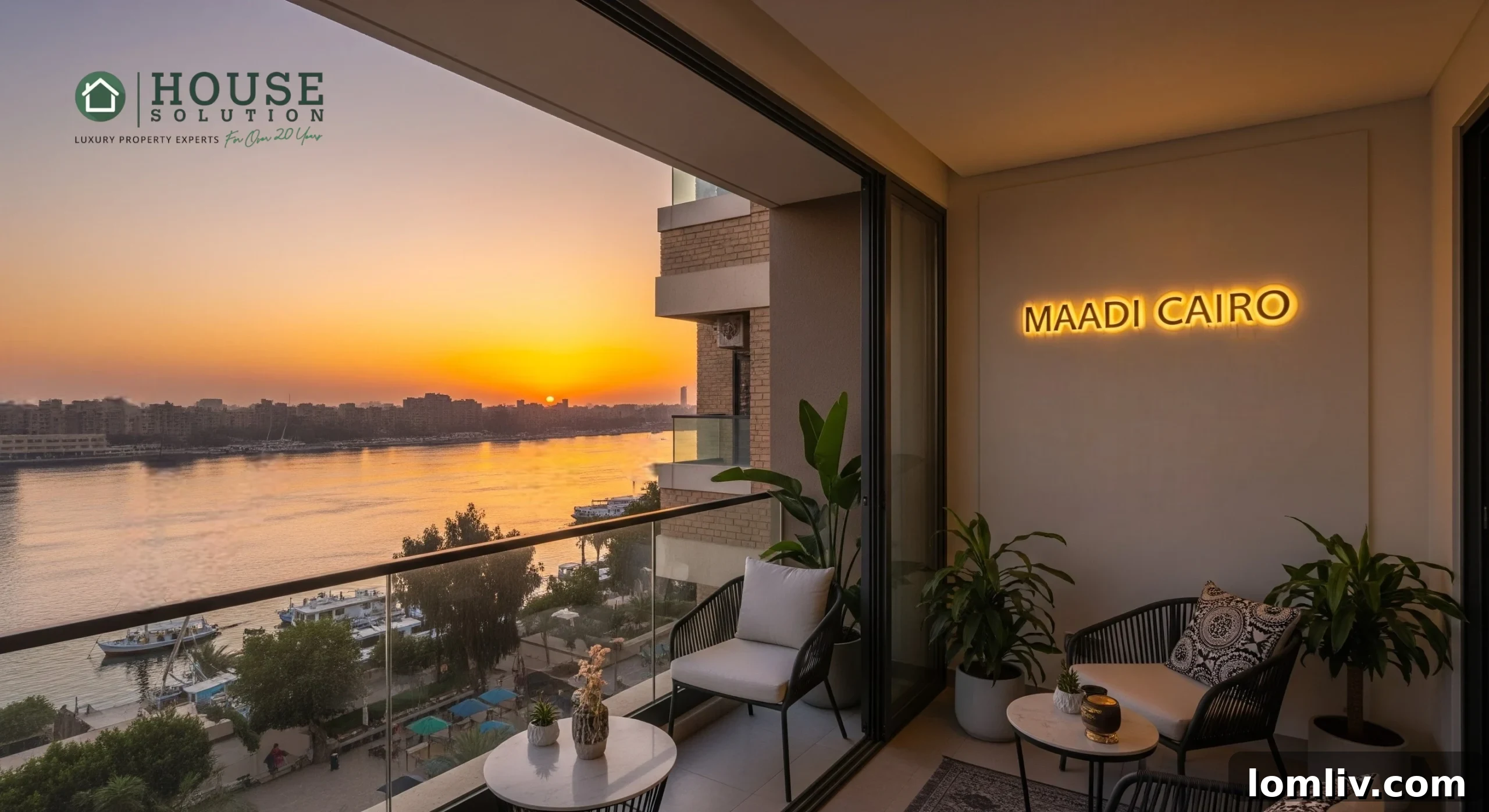
Are you ready to find your ideal home in Egypt, complete with a clear contract and terms tailored to your needs? Explore our comprehensive relocation & leasing services or contact us now for a personalized shortlist of properties and expert bilingual lease support.