

The real estate market is a constant ebb and flow, reflecting broader economic health and societal shifts. This week’s real estate insights highlight several compelling trends across the nation, offering a snapshot of current dynamics. We delve into a remarkable decline in foreclosure activity, reaching a 15-year low, signaling increased stability in the housing sector. Concurrently, Plano, Texas, continues to assert its dominance as a prime location for office development, attracting corporate investments and fostering economic growth. Lastly, the charming city of Irving, also in Texas, earns a well-deserved spot on a prestigious list of best municipalities for newlyweds to begin their shared journey. These diverse developments collectively paint a picture of a robust, albeit continuously evolving, real estate landscape.
Foreclosure Activity Drops to a 15-Year Low: A Strong Indicator of Housing Market Recovery
The latest national real estate figures bring positive news for homeowners and the wider economy, with foreclosure activity plummeting to its lowest level in 15 years. This significant downturn marks a substantial 21 percent decrease from the previous year’s filings and an astonishing 83 percent drop since the peak of the foreclosure crisis in 2010. This comprehensive decline encompasses all stages of the foreclosure process, from the initial default notices and scheduled auctions to bank repossessions, reflecting a profound improvement in the stability and resilience of the American housing market.
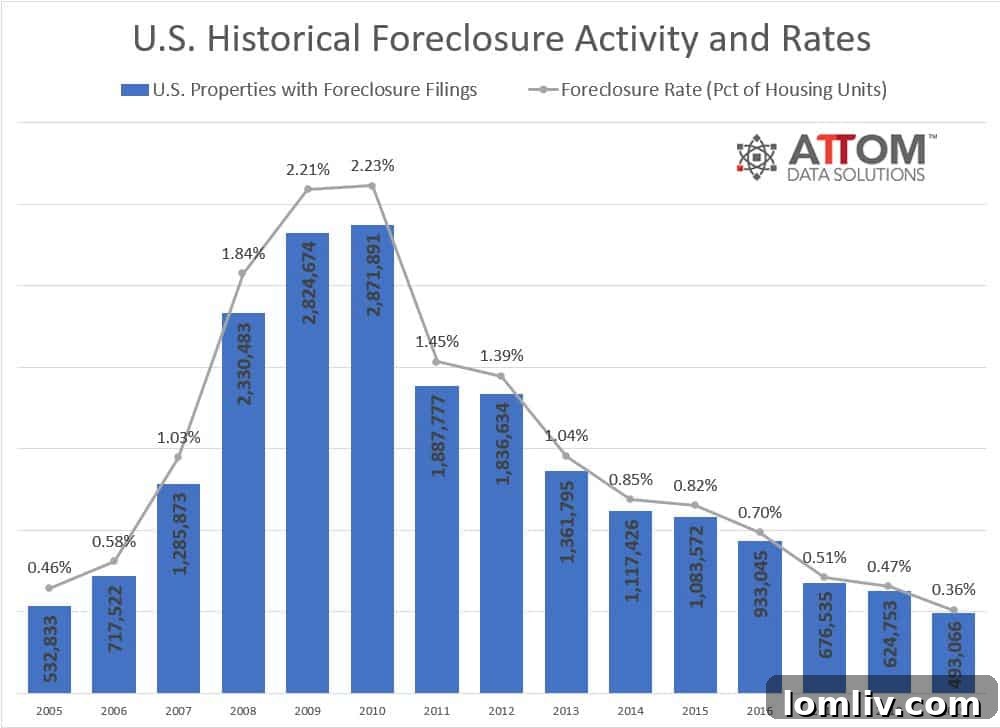
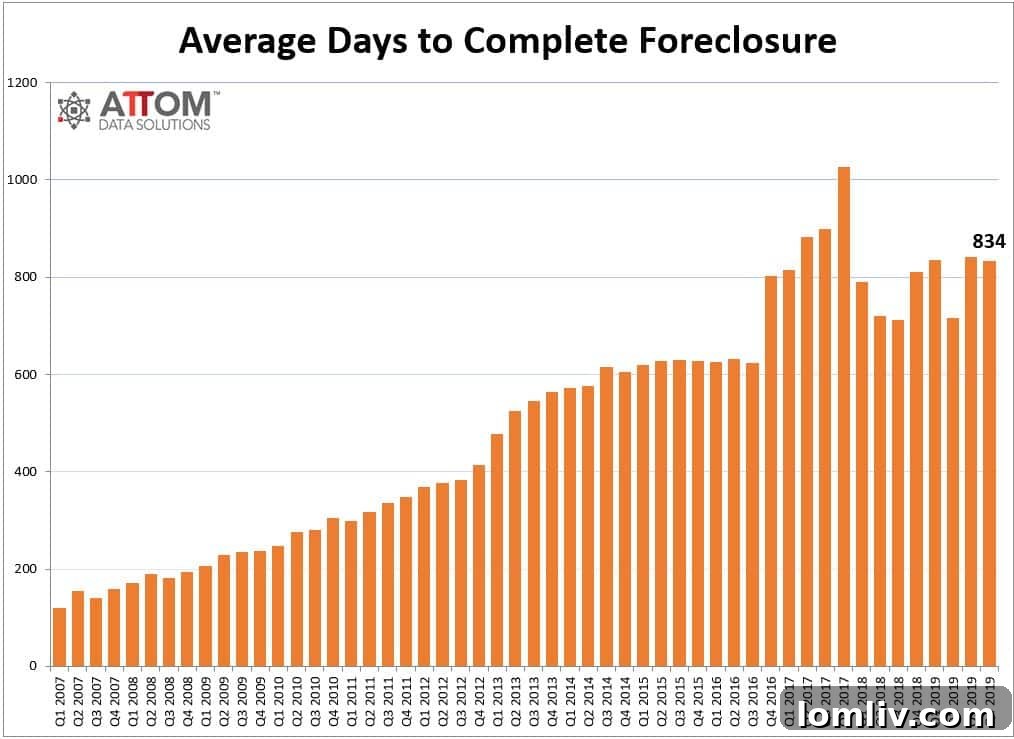
A detailed report released by ATTOM Data Solutions, a leading authority on national property data, revealed that foreclosure filings were recorded on only 493,006 U.S. properties throughout the last year. This number is a stark reminder of how far the market has come since the depths of the Great Recession, when millions of properties faced distress. The sustained recovery can be attributed to several key factors, including a robust job market, which ensures more homeowners can meet their mortgage payments, and a period of steady home price appreciation, which has restored significant equity for many property owners. Furthermore, stricter lending standards implemented post-crisis have played a crucial role in preventing a return to the reckless mortgage practices that contributed to the prior market collapse.
Todd Teta, Chief Product Officer for ATTOM Data Solutions, weighed in on these encouraging trends, stating, “The continued decline in distressed properties is one of many signs pointing to a much-improved housing market compared to the bad old days of the Great Recession.” His comments underscore the broad economic improvements that have bolstered homeowner financial health and reduced the incidence of properties falling into foreclosure. A healthy economy translates directly into greater financial security for families, making homeownership a more stable and less risky endeavor.
Despite the overwhelming positive trajectory, Teta also offered a nuanced perspective, advising caution. He added, “That said, there is some reason for concern about the potential for a change in the wrong direction, given that residential foreclosure starts increased in about a third of the nation’s metro housing markets in 2019. Nationally, the number also ticked up a bit in December. While that’s not a major worry, it’s something that should be watched closely in 2020.” This insight is crucial for understanding the granular health of the market. While national averages are strong, localized economic downturns, industry-specific challenges, or subtle shifts in interest rates could lead to increased distress in particular metropolitan areas. Monitoring these regional fluctuations is vital for real estate analysts and policymakers to respond proactively to any emerging vulnerabilities and ensure the market’s long-term stability.
The consistent reduction in foreclosure activity reflects a mature and healthier housing market, one that has absorbed past shocks and implemented safeguards against future crises. This favorable environment fosters confidence among buyers and sellers, contributing to a more dynamic and accessible real estate landscape. However, the caveat from ATTOM Data Solutions reminds us that vigilance is always necessary. Understanding the interplay between national economic indicators and local market specificities is paramount for navigating the real estate world effectively, ensuring that the positive momentum in foreclosure reduction continues into the future.
Source: ATTOM Data Solutions
Plano Leads Texas in Office Development: A Beacon for Corporate Relocations and Growth
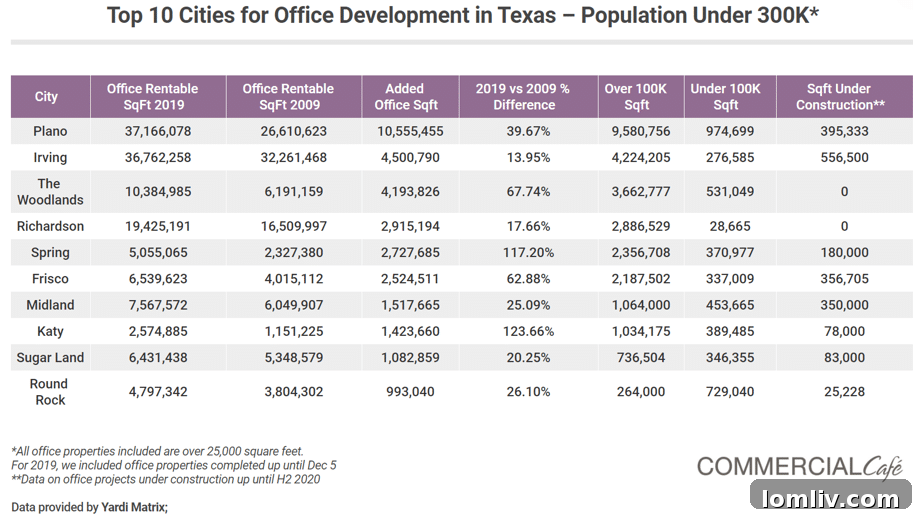
Plano, Texas, continues to solidify its reputation as a powerhouse for commercial real estate, specifically in office development. According to an in-depth analysis by the reputable real estate blog CommercialCafé, Plano has been identified as the premier “small Texas city” for office construction and expansion. This recognition is a testament to Plano’s strategic planning, business-friendly policies, and its magnetic appeal to major corporations seeking dynamic and supportive environments for growth.
The numbers behind Plano’s meteoric rise are truly impressive. Since 2009, the city has seen the addition of nearly 10.6 million square feet of brand-new office space. By the close of last year, the North Texas city boasted an extensive inventory of almost 37.2 million square feet of rentable office space. This significant expansion is not merely about physical structures; it represents a thriving ecosystem where businesses, from established corporate giants to innovative startups, can flourish. Plano’s success is deeply intertwined with major corporate relocations and expansions, including those of Toyota North America, Liberty Mutual, JPMorgan Chase, and numerous other Fortune 500 companies that have chosen Plano for their headquarters or significant operational hubs.

Plano’s appeal as a top destination for office development extends beyond its vast commercial spaces. The city offers a compelling blend of strategic location within the Dallas-Fort Worth metroplex, a highly educated and skilled workforce, exceptional public education systems, and a superior quality of life for its residents. Its master-planned communities, abundant green spaces, diverse dining options, and robust retail sectors create an attractive environment not just for businesses, but also for their employees. This holistic approach to urban development ensures that Plano is not only a place to work but also a highly desirable place to live, attracting and retaining top talent.
CommercialCafé’s study specifically focused on “small Texas cities” defined as having a population under 300,000, underscoring Plano’s remarkable achievement given its comparative size. The report also recognized other significant contenders in Texas that are making notable strides in office development. The top 10 list includes prominent cities such as Irving, The Woodlands, Richardson, Spring, Frisco, Midland, Katy, Sugar Land, and Round Rock. These cities, each with their unique advantages, collectively contribute to Texas’s burgeoning commercial real estate market. Irving benefits from its global connectivity via DFW International Airport, while Frisco and Richardson are integral parts of the “Telecom Corridor,” attracting technology-focused enterprises. The Woodlands and Sugar Land, known for their high-end, master-planned communities, offer premium environments for businesses.
The sustained influx of corporate entities and the resultant growth in office space across these Texas cities signal a vibrant and expanding economy for the Lone Star State. This expansion directly translates into robust job creation, increased municipal tax revenues, and a dynamic commercial ecosystem that benefits the broader community. As companies continue to prioritize locations that offer a combination of strategic access, a skilled labor pool, modern infrastructure, and a supportive business climate, cities like Plano and its high-ranking counterparts are set for continued prosperity, further solidifying Texas’s position as a national leader in economic development and commercial real estate.
Source: CommercialCafé
Irving and Tyler Make the Cut: Top Cities for Newlyweds to Start Their Journey
For couples embarking on the exciting adventure of married life, selecting the ideal city to establish their roots is a decision fraught with both romance and practicality. A recent comprehensive study by Destify, a renowned expert in travel and lifestyle, has unveiled the top cities best suited for newlyweds, and impressively, two Texas municipalities, Irving and Tyler, have earned prestigious spots within the top 10. This recognition underscores their appeal as nurturing and opportunity-rich environments for couples ready to build a life together, taking into account a blend of economic factors and quality of life indicators vital for starting a new household.
Pittsburgh, Pennsylvania, emerged as the frontrunner on Destify’s coveted list, lauded for its exceptional affordability and vibrant urban fabric. It was closely followed by St. Louis, Missouri, another metropolitan area praised for its favorable cost of living and growing opportunities. The subsequent rankings included Orlando, Florida; Atlanta, Georgia; Columbia, South Carolina; Baltimore, Maryland; Little Rock, Arkansas; and Savannah, Georgia. Notably, Tyler, Texas, secured the 9th position, while Irving, Texas, proudly rounded out the top 10, cementing the appeal of these dynamic Texas cities for young couples seeking a prosperous beginning.

The Destify article expounded on the critical factors contributing to these rankings. It highlighted, “Coupled with a reasonable median home value as well as overall affordability, [Pittsburgh and St. Louis] make for great places to settle for those who have just tied the knot.” This emphasis on financial accessibility is paramount for newlyweds, who are often in the nascent stages of their careers, potentially looking to purchase their first home, and planning for future family expansion. Cities offering lower costs of living, particularly in housing, provide a significant advantage, allowing couples to accumulate savings, invest in their future, and mitigate financial stress during the foundational years of their marriage.
Beyond the top-ranked cities, the study recognized the diversity of preferences among newlyweds. The article noted, “But if you’re looking to find someplace warmer, Orlando may be the perfect city, which comes in at No. 3 on our list. Speaking of the south, several other southern cities dominate the top 10 including Atlanta, Columbia, Irving, Tyler, and Little Rock.” This indicates that factors such as climate, cultural attractions, and access to specific amenities significantly influence a couple’s decision-making process. The strong representation of Southern cities on the list points to a growing trend where newlyweds are drawn to regions that offer an appealing combination of affordability, a welcoming community atmosphere, and pleasant weather year-round.
To provide a comprehensive assessment, Destify’s methodology incorporated a wide spectrum of criteria. These included median household income, which directly impacts a couple’s earning potential and long-term financial stability; median home value, a crucial indicator of housing market accessibility; the concentration of newlyweds, suggesting a vibrant community of peers; the estimated cost of raising a child, a vital long-term financial consideration; and the availability of restaurants and diverse dining options, reflecting quality of life and opportunities for social engagement and recreation. By meticulously analyzing both economic fundamentals and lifestyle amenities, Destify offered a holistic and insightful guide for couples embarking on their marital journey.
The Destify article thoughtfully concluded that its curated list offers “something for every couple,” showcasing a blend of bustling major metropolitan areas and charming mid-size municipalities with populations under 250,000. This deliberate diversity ensures that couples with varied aspirations—whether they envision the fast-paced energy of a large city or the tranquil allure of a smaller town—can find their ideal starting point. Irving, with its robust employment market and rich cultural tapestry, appeals to those seeking suburban convenience merged with urban amenities. Meanwhile, Tyler, celebrated for its scenic beauty and strong community bonds, provides a more serene and close-knit environment. These cities offer robust foundations for new beginnings, reinforcing the idea that the perfect place to start a marriage is not merely about a house, but about finding a supportive home within a thriving and prosperous community.
Source: Destify
These reports collectively offer a multifaceted view of the contemporary real estate market, underscoring its dynamic nature and responsiveness to broader economic and social shifts. The remarkable decline in foreclosure activity signals a robust national housing market, recovering significantly from past downturns. Simultaneously, the continued rise of Plano as an office development hub reinforces Texas’s economic vitality and attractiveness for corporate investment. Lastly, the recognition of Irving and Tyler as ideal locales for newlyweds reflects an increasing focus on affordability, community, and quality of life for young couples. These trends provide invaluable insights for investors, developers, homeowners, and those planning their futures, illuminating the complex yet opportunity-rich landscape of American real estate across diverse sectors and geographies.