
If you’re a mortgage note holder considering selling your asset, a crucial, yet often overlooked, factor can significantly impact your final proceeds: the time of year. While it might seem like a minor detail, akin to background noise amidst the more pressing concerns of finding a buyer and closing a deal, seasonal patterns in the note market are very real. These shifts are not as overtly dramatic as those observed in the residential real estate market, where spring brings a flood of new listings and winter sees inventory dry up. Instead, in the mortgage note space, the seasonal influences are subtler, intricately linked to how professional buyers operate internally, how capital is strategically allocated across the year, and how a sense of urgency builds or recedes among investors. Once you understand these underlying dynamics, they transform from mere calendar dates into actionable insights that can empower you to optimize your selling strategy.

Understanding these seasonal nuances can provide a significant edge for any mortgage note seller. It’s not about forcing a sale at a specific arbitrary moment, but rather about aligning your selling efforts with periods of peak buyer motivation and robust market activity. By timing your entry into the market thoughtfully, you can potentially attract a larger pool of competitive offers, streamline negotiations, and ultimately achieve a more favorable outcome for your investment. This article will delve into the specific seasonal trends that impact the mortgage note market, offering a comprehensive guide to help you navigate the calendar and make informed decisions.
Mortgage Note Pricing Fundamentals: The Bedrock of Value
Before diving deep into the seasonal ebb and flow of the market, it’s essential to establish a clear understanding of what truly drives mortgage note pricing. When an investor decides to purchase a mortgage note, they are essentially buying the rights to a future stream of payments, which they acquire at a discount. This discount isn’t arbitrary; it’s a carefully calculated reflection of the inherent risks associated with the investment and the minimum return on investment (ROI) required to make the deal financially attractive and worthwhile for the buyer.
Several core factors form the bedrock of any note’s valuation, and these fundamentals remain largely constant regardless of the season. Key among these are the creditworthiness and payment history of the underlying borrower, which dictate the reliability of future payments. The loan-to-value (LTV) ratio on the property securing the mortgage is another critical element, indicating the level of equity and collateral protection. Additionally, the note’s interest rate, its remaining term length, and the property’s current market value all play significant roles. A mortgage note that demonstrates strong performance across all these fundamental metrics—featuring a creditworthy payer, a low LTV, a favorable interest rate, a reasonable term, and an impeccable payment history—will inherently attract more robust offers. Conversely, a note with noticeable weaknesses in any of these areas will face greater resistance and command a lower price, irrespective of the time of year.
It’s crucial to understand that seasonality does not alter these fundamental value drivers. Instead, what seasonal patterns influence is the level of buyer activity, the intensity of competition, and the overall market sentiment surrounding these notes. During periods of heightened activity, even an average-performing note might garner more attention and potentially receive multiple offers. In contrast, during slower periods, even a fundamentally strong note could languish on the market longer than anticipated, simply due to a reduced pool of active buyers. Therefore, while mastering market timing is beneficial, ensuring your note’s underlying fundamentals are solid should always be your primary focus as a mortgage note seller.
Early in the Year: A Surge of Motivated Buyers (January-March)

The first quarter of the year, spanning from January through March, consistently emerges as one of the most advantageous windows for mortgage note sellers. This period is marked by a renewed vigor in the investment community. Experienced note buyers, ranging from large institutional funds to nimble private investors, begin the year armed with freshly approved annual budgets. New capital has been strategically allocated for acquisitions, specific investment targets have been established, and there’s a collective eagerness among buyers to deploy this capital efficiently and promptly. This translates into a highly motivated buyer pool actively seeking quality mortgage notes to add to their portfolios.
For sellers, this translates into several tangible benefits. You are far more likely to encounter competitive buyers during this stretch, individuals and entities who are not just browsing but are genuinely intent on closing deals. The increased number of players vying for available notes naturally creates an upward pricing pressure, even if the resulting movement in prices is modest. Furthermore, the urgency of buyers to “put money to work” early in their fiscal year often leads to faster responses, more streamlined due diligence processes, and cleaner negotiations. Buyers are less inclined to drag their feet or introduce unnecessary complexities when they are actively working to meet quarterly deployment goals. Leveraging this period means preparing your note’s documentation in advance, ensuring all records are pristine, and being ready to act decisively when offers come in. A well-prepared seller entering the Q1 market can often command a premium and experience a significantly smoother transaction.
The Summer Slowdown: A Consistent Dip in Activity (June-August)
As the calendar progresses from late spring into the heart of summer, typically from June through August, the mortgage note market experiences a predictable softening in activity. This trend is not unique to mortgage notes; it’s a common pattern observed across numerous sectors of the investment world. The reasons are largely behavioral: key decision-makers, portfolio managers, and acquisition teams often take extended vacations during these months. This widespread summer holiday season leads to slower internal approval processes, reduced communication, and consequently, fewer deals moving efficiently towards closing. The overall pace of the market decelerates noticeably.
For mortgage note sellers, this summer slowdown typically translates into a smaller pool of active and engaged buyers. With fewer participants in the market, competition naturally diminishes, which means offers are less likely to be aggressively competitive or to “stretch” in the seller’s favor. While it is certainly still possible to sell a note during July or August—deals do occur year-round—the prevailing market conditions are generally less favorable. Sellers might find that negotiations take longer, requiring more patience, or that offers feel less robust compared to other periods. Buyers who are active during the summer might also be looking for more attractive discounts to compensate for the slower internal processes and lower urgency.
If summer arrives and you find yourself not yet fully prepared to sell, it’s wise to use this slower period to your strategic advantage. Instead of pushing for a sale in a less optimal market, dedicate this time to meticulous preparation. Organize all your documentation, including original note agreements, payment ledgers, and any servicing records. Verify your payment records for accuracy and completeness. Consider obtaining an updated property valuation for the underlying real estate, as this critical information can significantly influence buyer perception. By getting everything meticulously lined up and pre-underwritten, you can be ready to move decisively and efficiently when market conditions inevitably improve again in the fall. This proactive approach ensures you’re not caught off guard and can capitalize on the next favorable window.
Fourth Quarter Urgency: A Second Peak for Sellers (October-November)

The months of October and November typically present a second strong selling window for mortgage note holders, driven by a different, yet equally compelling, set of motivations from the buyer’s side. Many professional investment buyers, particularly institutional funds and larger private investment groups, operate with annual deployment targets. They have committed to investing a specific amount of capital by the close of their fiscal year, which is often December 31st. As the calendar pages turn into autumn and these year-end targets loom closer, buyers who haven’t yet met their numbers begin to feel a genuine and mounting pressure to deploy capital.
This buyer-side urgency is a significant boon for sellers. A buyer who is actively striving to close deals before December 31st is, by definition, a highly motivated buyer. Motivated buyers are generally more inclined to make cleaner, more attractive offers with less friction in the negotiation process. They prioritize speed and efficiency to meet their deadlines, often leading to quicker due diligence and smoother closings. The period from early October through mid-November is typically when this dynamic is strongest. As late November approaches, attention gradually begins to shift towards the upcoming holiday season, and by December, the market can become exceptionally quiet very quickly. Therefore, if you are in a position to sell your mortgage note during the early fall, it is a strategic window well worth taking seriously.
Another powerful factor fueling this fourth-quarter push is the confluence of tax planning and strict investor mandates. Institutional funds, in particular, face pressure from their own investors to demonstrate that capital is actively working and generating returns, rather than sitting idle in cash accounts. By strategically acquiring performing mortgage notes before the year concludes, these funds can secure a yield that enhances their end-of-year reports and demonstrates active portfolio management. This institutional imperative to deploy cash swiftly and efficiently translates directly into stronger, more competitive offers and accelerated closing timelines for individual mortgage note sellers. Understanding these internal buyer motivations can help sellers position their notes effectively and capitalize on this year-end rush.
Tax Refund Season: A Hidden Opportunity for Payment History Improvement
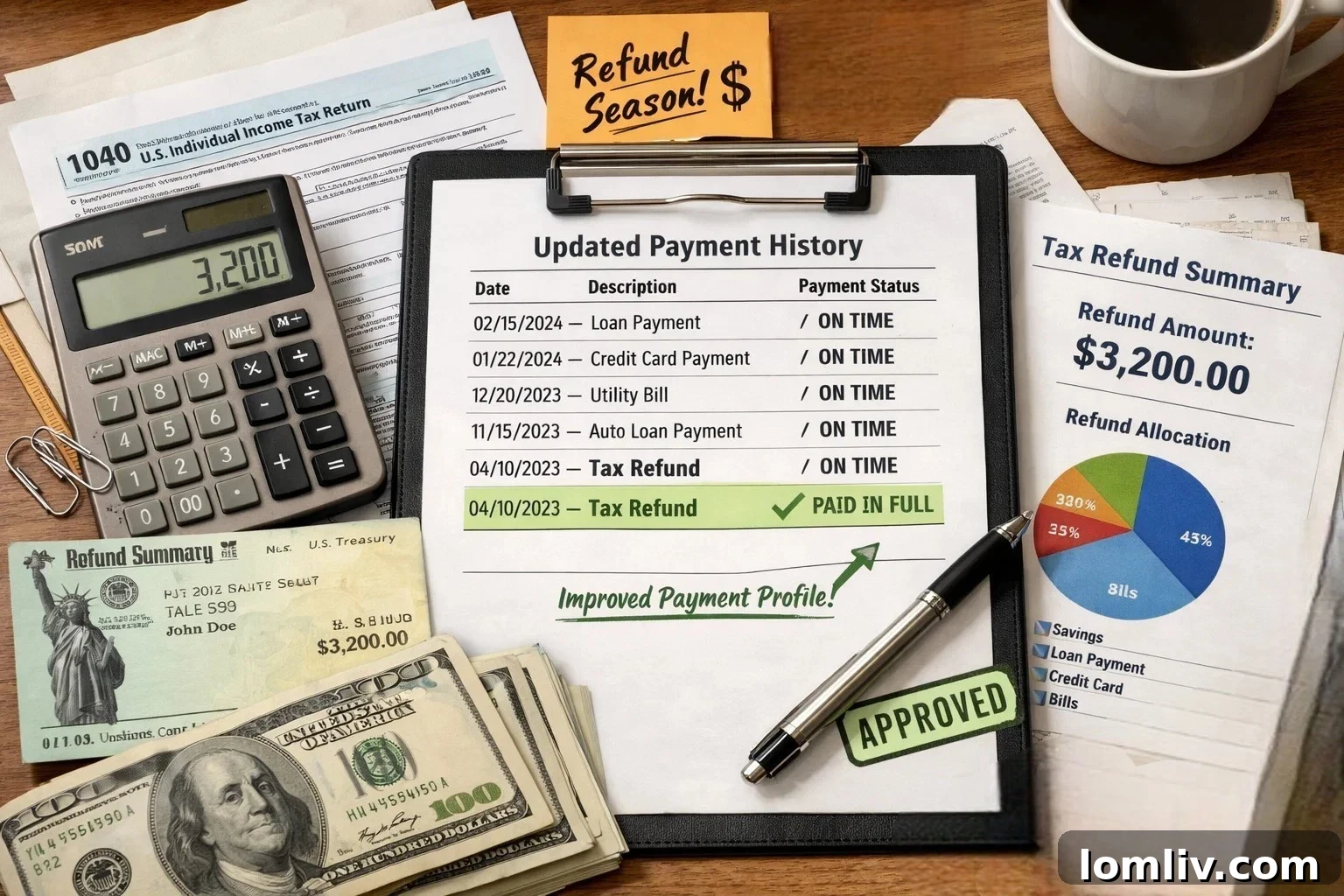
Here’s a seasonal factor that many mortgage note sellers might overlook, yet it can significantly impact the perceived value of their asset: the federal tax refund season. Every year, between February and April, millions of American borrowers receive their income tax refunds. While some use this unexpected windfall for discretionary spending, a substantial portion of these funds are strategically allocated to address financial obligations. For mortgage note payers, this often means catching up on past-due payments, making partial payments to reduce outstanding balances, or simply ensuring their current payments are made on time.
For note holders, the implications of this borrower behavior can be profound. A note’s payment history is arguably one of the most heavily scrutinized factors by potential buyers. A consistent record of on-time payments signals reliability and reduces perceived risk, making the note far more attractive. Conversely, a history marred by gaps, late payments, or inconsistent payments can significantly depress a note’s value. If the payer on your mortgage note has a tendency to become current or make up for prior lapses during tax season, waiting until late spring—typically May or early June—to pull and present your payment records to buyers could be a highly advantageous strategy. That additional few months of clean, on-time payment history, often bolstered by tax refund funds, can provide compelling evidence of the borrower’s improved financial standing and commitment. This seemingly minor timing adjustment requires relatively little effort on your part but can substantially support a stronger asking price and attract more serious buyers.
The Synergy of Timing and Strong Fundamentals: Maximizing Your Mortgage Note’s Value

Seasonal timing, as we’ve explored, is undoubtedly a powerful and useful lever in the process of selling a mortgage note. When you possess the flexibility to strategically align your sale with market cycles, pulling this lever can yield significant advantages. Aiming to list your mortgage note during the first quarter (January-March) or the early part of the fourth quarter (October-November) offers the best possible shot at reaching a pool of buyers who are not only motivated but also highly competitive. These periods are characterized by fresh budgets, year-end targets, and a general eagerness among investors to deploy capital, leading to more favorable offers and smoother transactions for sellers. Conversely, consciously avoiding the typical summer lull and the late-December “dead zone” can help you bypass unnecessary friction, prolonged negotiations, and potentially lower offers that often accompany these slower market periods.
However, it is critically important to reiterate that no amount of perfectly timed market entry will fully compensate for a mortgage note burdened by weak underlying fundamentals. The core value of your note—determined by factors such as the payer’s creditworthiness, the loan-to-value ratio, the interest rate, and a consistent payment history—will always be the primary determinant of its market appeal and price. If your note has significant issues in these fundamental areas, even the most active market period may not yield the results you desire. Therefore, your foremost focus should always be on what you can control: preparing your note for sale. This means meticulously organizing all documentation, ensuring your payment history is impeccably clear and verifiable, and having a thorough understanding of your note’s true core value and any potential strengths or weaknesses it possesses.
Once these foundational pieces are solidly in place, seasonal awareness then becomes the crucial final layer of strategy. It’s the strategic advantage that helps you fine-tune your approach, maximizing the returns on the strong asset you’ve already diligently prepared. By combining robust note fundamentals with intelligent market timing, you create the optimal conditions for a successful and profitable mortgage note sale, ensuring you get the most out of your investment.
Frequently Asked Questions About Selling Mortgage Notes Seasonally
1. Does seasonality genuinely affect mortgage note prices?
Yes, seasonality can indeed influence the prices and desirability of mortgage notes by directly impacting buyer activity and the level of market competition. While the fundamental factors that determine a note’s intrinsic value remain constant, certain times of the year see a higher concentration of motivated buyers. This increased demand can lead to more competitive offers, potentially resulting in better pricing for sellers. Conversely, slower periods might see reduced competition and offers that are less aggressive.
2. What is generally considered the best time of year to sell a mortgage note?
The strongest and most favorable periods for selling a mortgage note are typically early in the year, specifically the first quarter (January through March), and again in the early fall (October to mid-November). During Q1, buyers are deploying fresh annual budgets. In Q4, many investors are striving to meet year-end investment targets. Both periods are characterized by heightened buyer motivation and competition, which can lead to more attractive offers and faster transactions for sellers.
3. Why is summer generally considered a slower period for selling mortgage notes?
The summer months, typically June through August, often experience reduced buyer activity across many investment sectors, including the mortgage note market. This slowdown is primarily due to key decision-makers and investment teams taking vacations, which can lead to extended internal approval processes and slower communication. Consequently, fewer active buyers mean less competition, which can result in fewer offers, potentially lower offers, and longer closing times for sellers during this period.
4. How can a professional mortgage note specialist assist in timing the sale of my mortgage note?
A professional mortgage note specialist can provide invaluable assistance by evaluating current market conditions, analyzing buyer activity trends, and thoroughly assessing your note’s specific fundamentals. Their expertise helps identify the most opportune timing for selling your note, taking into account both seasonal patterns and your unique financial goals. Their guidance can help you strategically position your note to attract the best offers, maximize its value, and efficiently navigate the selling process while avoiding less active market periods.