The economic landscape of Texas continues to capture national attention, showcasing a dynamic interplay of job growth, shifting rental markets, and robust development. This week’s real estate news roundup delves into key indicators highlighting the state’s economic prowess and localized trends within its bustling metro areas. From Texas’s impressive standing in national job rankings to significant rent surges in Arlington and optimistic job forecasts for Dallas-Fort Worth, these insights paint a vivid picture of a region in constant evolution. Understanding these shifts is crucial for residents, investors, and businesses alike, as they influence everything from housing affordability to commercial opportunities across the Lone Star State.
Texas Ranks Among Top States for Jobs, WalletHub Reports
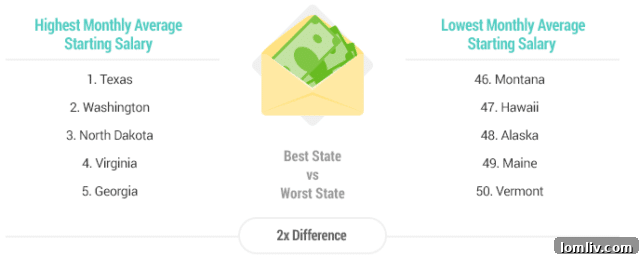
Texas has once again demonstrated its economic strength, securing the 12th position overall in WalletHub’s comprehensive ranking of the best states for jobs. This notable achievement underscores the state’s appeal to job seekers and businesses, driven by a combination of strong economic indicators and a favorable business environment. While its overall ranking is impressive, Texas truly excelled in one crucial aspect: monthly average starting salary, where it proudly claimed the top spot nationwide. This highlights the competitive compensation packages available to new entrants in the Texas job market, signaling robust demand for talent across various sectors.
The WalletHub study meticulously evaluates states based on two primary dimensions: ‘Job Market’ and ‘Economic Environment.’ These categories encompass 34 key metrics, ranging from job opportunities and employment growth to median annual income and unemployment rates, alongside factors like commute time and work-life balance. Texas’s 12th-place finish nationally reflects a well-rounded performance, indicating a strong foundation for professional growth and economic stability.
A closer look at the top five states reveals a consistent trend of economic innovation and high quality of life. Massachusetts, Washington, Colorado, Vermont, and New Hampshire led the pack, often excelling in areas like job opportunities, industry diversity, and robust economic environments. These states frequently boast strong tech sectors, high levels of education, and excellent infrastructure, contributing to their high rankings.
Delving into Texas’s specific performance across various metrics provides a more nuanced understanding of its labor market. The state ranked 14th in median annual income, reflecting competitive earnings for many residents. Its 26th position in unemployment indicates a relatively stable job market, though there’s room for improvement compared to top-tier states. In terms of future prospects, Texas secured 27th place in job opportunities and 28th in employment growth, suggesting a steady, albeit not explosive, expansion of its workforce.
However, some areas present challenges for Texas. The state ranked 33rd in job satisfaction, which could be attributed to various factors including work environment, benefits, or career advancement opportunities. Furthermore, Texas placed 37th in commute time and a rather low 47th in average workweek length. These metrics suggest that while Texas offers attractive salaries and job growth, employees might face longer commutes and extended working hours compared to many other states. This trade-off between economic opportunity and work-life balance is a critical consideration for those contemplating a move to the Lone Star State. Despite these challenges, Texas’s diverse economy, driven by sectors such as energy, technology, manufacturing, and healthcare, continues to draw businesses and talent, solidifying its position as a major economic powerhouse in the nation.
Source: WalletHub
Arlington Leads Nation in Studio Rent Hikes, DFW Market Shows Unique Trends
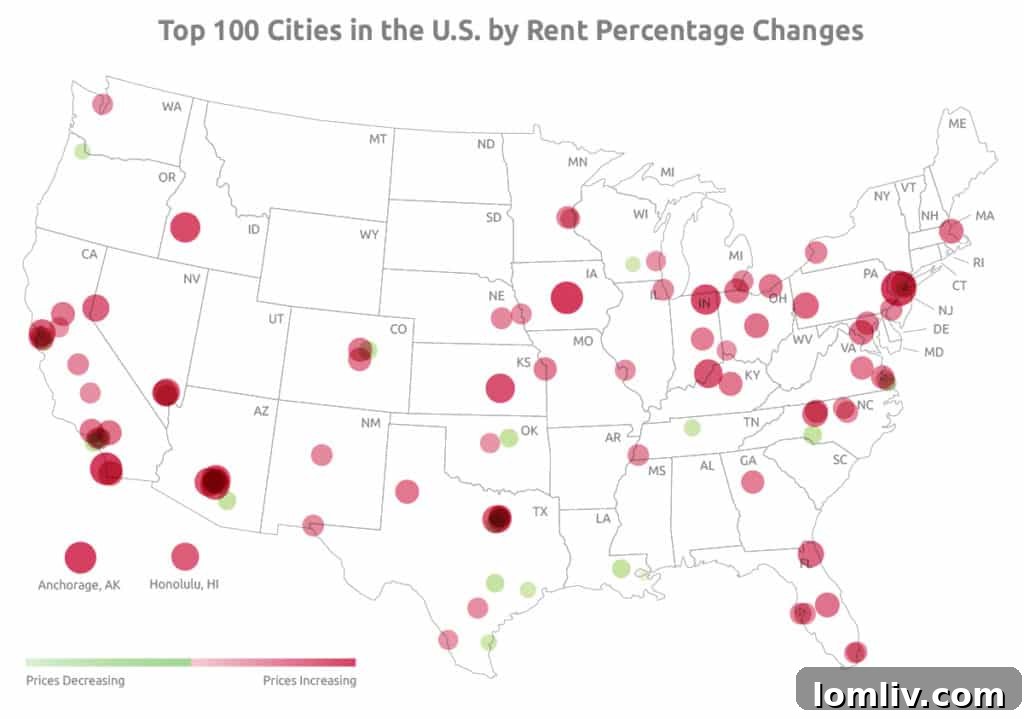
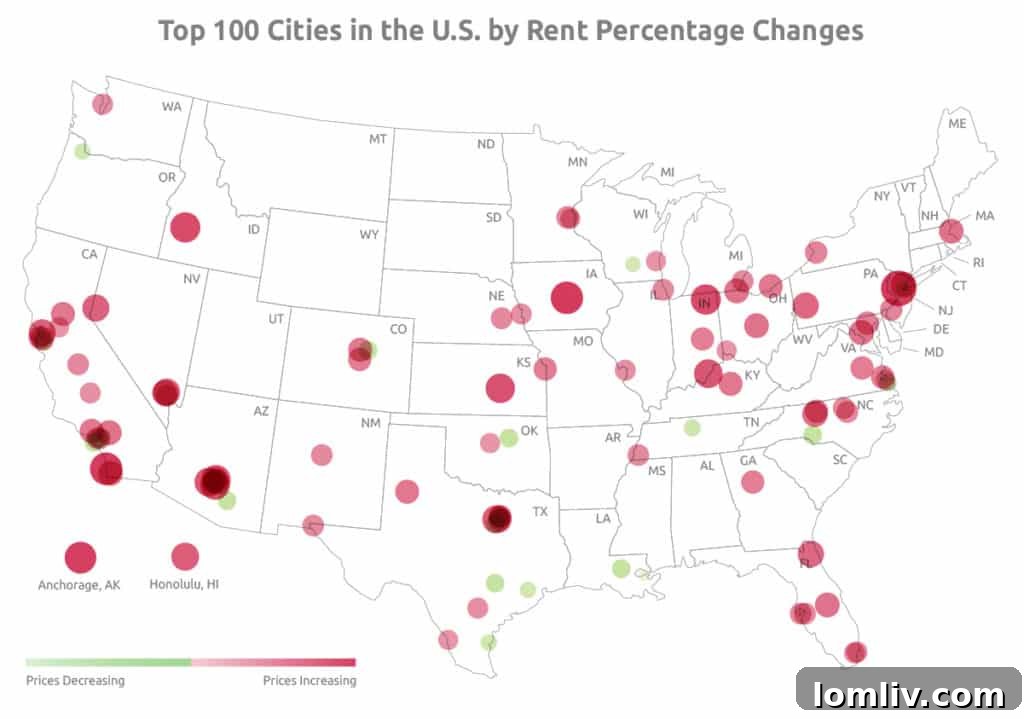
 The rental market in the Dallas-Fort Worth metroplex is experiencing significant and sometimes surprising fluctuations, with Arlington taking center stage for its unprecedented rent increases. According to Rent.com’s 2019 Rent Price Analysis, Arlington recorded the highest increase of any city across all regions and categories in the nation, with a staggering 40.6 percent year-over-year surge in average studio apartment rents. This dramatic leap highlights intense demand and potentially constrained supply for smaller living spaces in this dynamic city.
This extraordinary increase in Arlington’s studio rents points to several potential underlying factors. It could be driven by a rapid influx of young professionals or students seeking affordable, compact living options close to employment centers or educational institutions. Alternatively, a lack of new studio apartment construction, combined with rising population density, could be fueling this competitive market. The pronounced hike specifically in studio apartments suggests a distinct market segment is under considerable pressure, making affordability a growing concern for single renters in Arlington.
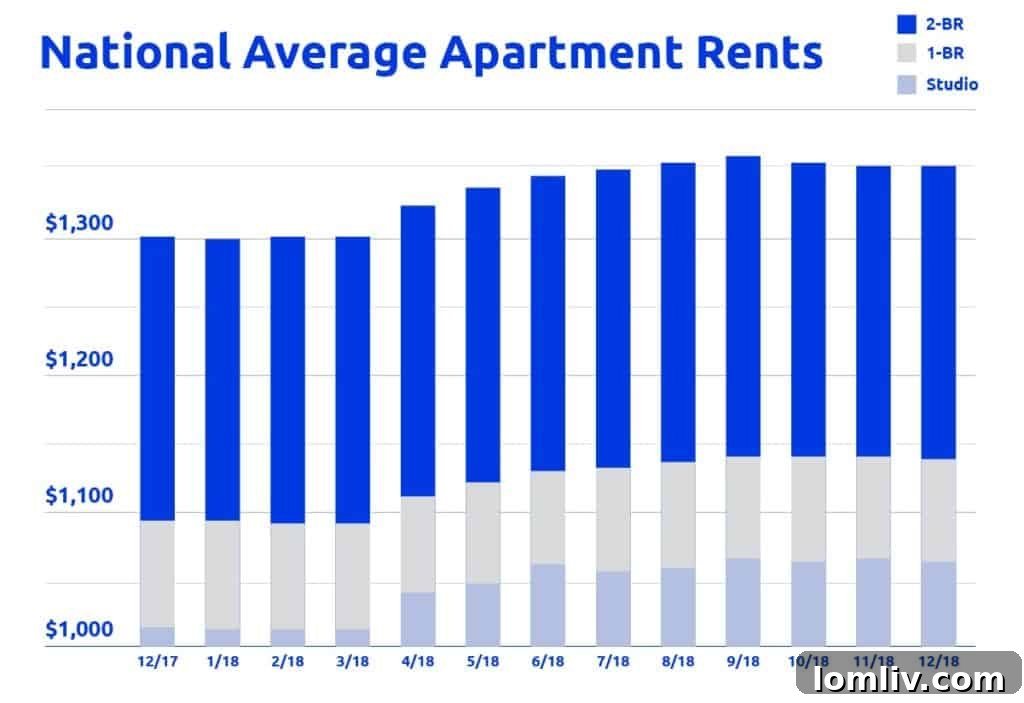
Interestingly, the analysis also uncovered a unique trend within the broader DFW area: in some cities, including Fort Worth, one and two-bedroom apartments were found to be more affordable than studio apartments. In Fort Worth, for instance, a one-bedroom apartment averaged $157 less per month than a studio, and a two-bedroom unit was only $75 more expensive than a studio. While studio rent rates in Fort Worth still increased by 24 percent year-over-year, rental rates for one and two-bedroom apartments actually fell. This counter-intuitive pricing structure could indicate differing supply and demand dynamics across unit sizes. It might suggest that while larger units are experiencing an increase in inventory or a slight moderation in demand, smaller, entry-level units remain highly sought after, possibly due to a consistent flow of new residents on tighter budgets. This discrepancy offers an intriguing opportunity for renters in Fort Worth to secure more space for less money compared to their studio counterparts.
Further south in the DFW region, Plano also demonstrated significant rental market shifts. The analysis highlighted Plano as having the highest increase for two-bedroom apartments in the entire South region, with a 25.3 percent jump. This surge in Plano’s two-bedroom market likely reflects the city’s appeal to families and professionals seeking larger accommodations in a highly desirable suburban environment, known for its excellent schools, corporate headquarters, and quality of life. The varied rental trends across Arlington, Fort Worth, and Plano underscore the complex and localized nature of the DFW real estate market, where distinct sub-markets respond differently to economic pressures and population shifts. These regional disparities necessitate a detailed understanding for anyone navigating the dynamic rental landscape of North Texas.
Source: Rent.com
Dallas-Fort Worth Poised for Significant Job Growth and Real Estate Expansion
The economic outlook for the Dallas-Fort Worth (DFW) metroplex remains exceptionally strong, with analysts predicting substantial job creation and continued real estate expansion throughout the year. Researchers at Marcus & Millichap forecast that DFW is expected to add a remarkable 105,000 new jobs, solidifying its position as one of the nation’s leading economic engines. This anticipated growth is a testament to the region’s robust and diverse economy, which continues to attract major corporations and foster a vibrant business environment.
The metro’s economic diversity is a key factor in its sustained growth, as highlighted by recently announced employment expansions from industry giants like Allstate and Texas Instruments. These significant investments, expected to materialize over the next several years, underscore DFW’s appeal across various sectors, from insurance and financial services to high-tech manufacturing and innovation. Analysts note that such expansions demonstrate the region’s capability to support and foster diverse industries, making it resilient to fluctuations in any single sector. This diversification not only creates a broad spectrum of employment opportunities but also strengthens the overall economic foundation of the metroplex.
Beyond job creation, the Marcus & Millichap forecast also provides an optimistic outlook for DFW’s commercial real estate market. The company projects that approximately 3.1 million square feet of new retail construction will be completed by the end of the year. This significant addition to retail inventory reflects strong consumer confidence and a growing population base, driving demand for new shopping and entertainment destinations. Furthermore, analysts anticipate a notable improvement in market efficiency, with retail vacancies expected to drop by 30 basis points. This reduction in vacancy rates suggests increased occupancy and a healthier retail landscape, indicating that new and existing businesses are thriving within the region.
Accompanying these positive trends, retail rents are projected to increase by 4.8 percent, signaling robust demand and a favorable environment for landlords and commercial property owners. This rent growth is a direct consequence of reduced vacancies and the overall economic buoyancy of the DFW area. The continuous influx of new residents and job opportunities translates directly into higher consumer spending power, making DFW an attractive market for retailers looking to expand or establish a presence. The combination of sustained job growth, diversified economic activity, and a thriving commercial real estate sector positions Dallas-Fort Worth as a leading metropolitan area with immense potential for future development and prosperity.
Source: Marcus & Millichap
In conclusion, the latest economic and real estate reports paint a comprehensive picture of Texas as a state of immense opportunity and dynamic change. While Texas maintains a strong standing in national job markets, particularly excelling in starting salaries, it also faces challenges in areas like work-life balance. Within the bustling DFW metroplex, localized trends like Arlington’s unprecedented studio rent increases and Fort Worth’s unique rental market dynamics highlight the diverse forces at play. However, with robust job creation forecasts for Dallas-Fort Worth, driven by economic diversity and major corporate expansions, the region is poised for continued growth across residential, commercial, and retail sectors. These insights collectively underscore the importance of understanding the granular details of Texas’s economy, as it continues to evolve as a leading economic power in the United States.