

Purchasing a home is one of the most significant investments you’ll ever make, and conducting a thorough home inspection is a critical step in the process. While many believe spring or fall are ideal times for inspections, buying a home during the summer offers unique advantages. The warmth and extended daylight hours allow inspectors and prospective homeowners to observe the property under conditions that highlight specific seasonal stressors and functionalities. This guide, informed by insights from experienced home inspectors, delves into the crucial aspects home buyers should pay particular attention to during a summer inspection. We’ll explore common summer-related issues, how they manifest, and what to look for to ensure you’re making a well-informed decision.
While the performance of the air conditioning system is an obvious and crucial element during a summer inspection – and one we won’t dwell on here, as its importance is a given – there are numerous other areas that often get overlooked. From the very ground your future home rests upon to its highest points, summer conditions can reveal hidden problems and maintenance needs that might be obscured in other seasons. Understanding these specific vulnerabilities can empower you as a buyer, helping you to identify potential issues before they become costly repairs.
Understanding Your Foundation: Why Soil Health Matters in Summer
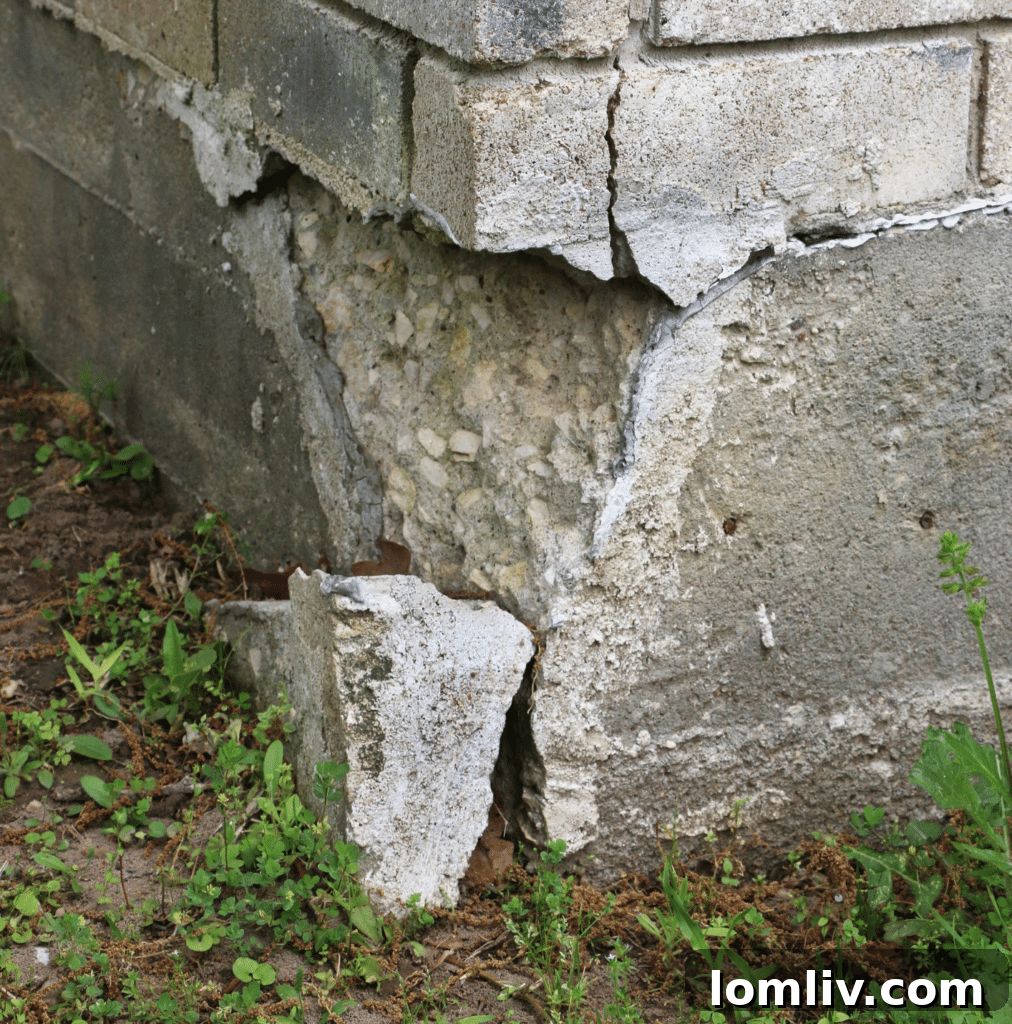
One of the most frequently encountered issues during summer home inspections, especially in regions prone to hot, dry climates like Texas, is a low soil line around the foundation. This seemingly minor detail can signal significant problems for the structural integrity of your home. Dry soil, particularly clay-rich varieties, poses a dual threat to foundations. First, as the soil loses moisture due to relentless summer heat, it contracts and pulls away from the foundation. This creates a gap, exposing more of the foundation than is healthy and making it more susceptible to movement caused by shifting ground or moisture fluctuations.
Secondly, prolonged dryness causes the soil to become excessively hard and rigid. When it finally receives moisture, either from rain or irrigation, it can expand rapidly. This cycle of extreme contraction and expansion exerts immense pressure on the foundation, known as hydrostatic pressure. Over time, this constant push and pull can lead to significant foundation damage, manifesting as cracks in interior walls, uneven floors, sticking doors and windows, or visible cracks in the exterior brickwork or slab. These are all red flags that a home inspector will diligently search for, but buyers can also keep an eye out for these subtle indicators during their walk-throughs.
The recommended remedy for a low soil line is to add appropriate fill soil around the foundation. In many areas, including Texas, it’s advised that no more than three inches of the foundation should be exposed. Experts often recommend using clay select fill soil for this purpose. Clay is highly effective because it helps to keep the soil firmly in place and, crucially, retains moisture much better than sandy or loam soils. This moisture retention helps to stabilize the soil’s volume, reducing the drastic expansion and contraction cycles that stress foundations.
Beyond adding fill, regular watering of the foundation is paramount during the peak summer months. The frequency of watering depends on several factors: the specific type of soil, its inherent water retention capabilities, and recent rainfall. The goal is to maintain consistently damp, but not saturated, soil around the foundation. Over-watering can be just as detrimental as under-watering, leading to erosion or even contributing to excessive hydrostatic pressure. A properly maintained soil moisture level ensures the foundation remains stable, preventing costly structural repairs down the line. Homebuyers should inquire about the current homeowner’s foundation watering practices and inspect the condition of the soil and visible foundation for any signs of neglect.
Attic Adventures: Uncovering Hidden Issues in the Summer Heat
The attic is arguably one of the most critical, yet often neglected, areas of a home, especially during summer. As the video above illustrates, even experienced inspectors can find a multitude of deficiencies lurking in this hot, often cramped space. Summer provides a unique opportunity to assess the attic’s performance because the extreme heat will amplify any underlying problems, making them more evident to a diligent inspector. Buyers should understand that a well-functioning attic is central to a home’s energy efficiency and overall comfort.
One primary concern is insulation. Summer is the perfect time to determine the effectiveness and adequacy of a home’s insulation. Inspectors can physically check the depth and type of insulation in the attic. Additionally, modern inspection techniques, such as thermal imaging, can be employed on interior walls to detect areas where insulation is sparse, missing, or improperly installed. Gaps in insulation, often around electrical boxes, plumbing vents, or framing, create thermal bridges that allow heat to penetrate the living spaces, leading to higher cooling costs and inconsistent indoor temperatures. Adequate insulation not only keeps heat out in summer but also retains heat in winter, making it a year-round energy saver.
Another common and energy-wasting issue highlighted is disconnected or damaged ductwork. In the video, a disconnected duct clearly demonstrates a significant energy leak. When air ducts, which carry conditioned air from your HVAC system, are disconnected, blocked, or have sharp, inefficient turns, they dramatically reduce the system’s efficiency. In summer, this means your expensive, cooled air is literally being dumped into the hot attic space instead of reaching your living areas. This forces your AC unit to work harder and longer, leading to exorbitant utility bills and reduced equipment lifespan. Home inspectors frequently find these issues, which are often hidden beneath insulation or in inaccessible corners of the attic.
Beyond insulation and ductwork, other attic issues become more apparent in summer. Excessive heat buildup in the attic due to poor ventilation can lead to premature aging of the roof structure and shingles, as well as moisture problems that encourage mold growth. Inspectors also look for signs of past or present pest activity (rodents, insects) that often seek shelter in attics, as well as any evidence of water leaks from the roof, which might be dried up in summer but leave tell-tale stains. Electrical wiring, exhaust fan ventilation, and general structural integrity are also key components of an attic inspection.
However, it’s important to acknowledge one disadvantage of summer home inspections: the extreme heat can sometimes prevent inspectors from operating the heating system. Most HVAC manufacturers recommend against running heating units when outdoor temperatures exceed 98 degrees Fahrenheit, as this can damage the equipment. So, while you’ll get a clear picture of the AC’s performance, the heating system’s functionality might require a follow-up inspection during cooler weather if this limitation applies.
Finally, the video alludes to the discovery of evidence of a previous fire, specifically charred trusses and roof decking. Such findings are incredibly significant. While the visible charring might simply be superficial discoloration, it could also indicate structural compromise. The depth of the damage to the wood is crucial. Superficial charring might be benign, but deep charring can weaken structural components, posing a serious safety risk. In such cases, a home inspector will strongly recommend a structural engineer’s evaluation. This expert can assess the integrity of the affected wood and determine if remediation or reinforcement is necessary, providing essential peace of mind for potential buyers.
Uninvited Guests: Termites and Other Wood-Destroying Insects in Summer
Summer in many warm climates, particularly Texas, is synonymous with increased pest activity, and none are more dreaded by homeowners than termites. While you might associate summer with visible termite swarms – those clouds of winged insects emerging from cracks in foundations or wood – the absence of a swarm does not guarantee the absence of active termites. In fact, many termite infestations go unnoticed for years, quietly causing significant structural damage from within.
The video above showcases an inspector, Brian, identifying obvious termite activity and prime examples of termite tubing within a home, specifically in a water heater closet. This is a classic scenario because termites, much like all living organisms, are relentlessly searching for moisture, especially during the dry, hot summer months. Areas around plumbing fixtures, leaky pipes, or spaces with high humidity (like utility closets, bathrooms, or basements/crawlspaces) become irresistible targets for these wood-destroying insects.
Termites build distinctive “mud tubes” – tunnels made of soil and wood particles – to protect themselves from predators and dry air as they travel between their underground colony and their food source (your home’s wooden structure). These tubes are often found on foundation walls, piers, subflooring, or even inside wall cavities. Other subtle signs of termite activity include discarded wings near windowsills or light sources (after a swarm), small holes in wood, or areas of wood that sound hollow when tapped. A professional termite inspection, often separate from a general home inspection but highly recommended, is crucial for detecting these hidden invaders.
Beyond termites, summer can also bring increased activity from other wood-destroying insects (WDIs) such as carpenter ants and powderpost beetles. Carpenter ants excavate tunnels in wood to create nests, leaving behind sawdust-like material called frass. Powderpost beetles, on the other hand, lay eggs in wood pores, and their larvae tunnel through the wood, creating tiny exit holes and powdery frass. All these pests can cause significant damage to the structural integrity of a home if left unchecked. A summer inspection is ideal for spotting their activity, as the warmth often encourages them to be more active and visible.
Preventative measures are key. Homeowners can reduce the risk of WDI infestations by ensuring proper drainage around the foundation, repairing any leaks promptly, keeping wood-to-soil contact to a minimum, and storing firewood away from the house. During a summer home inspection, the inspector will be meticulously looking for any signs of these destructive pests, providing peace of mind or alerting you to potential issues that require professional pest control intervention.
Additional Summer-Specific Inspection Points
While foundation stability, attic integrity, and pest detection are paramount, a comprehensive summer home inspection extends to several other critical areas:
- Landscaping and Drainage: Beyond foundation watering, the overall landscaping and grading around the home are vital. Poor grading can direct rainwater toward the foundation, leading to moisture intrusion, erosion, or even basement/crawlspace flooding during heavy summer storms. Inspectors will check for proper slope away from the house, functioning gutters and downspouts that discharge water away from the foundation, and healthy vegetation that doesn’t hold excessive moisture against the house.
- Exterior Elements: The summer sun can be harsh on exterior components. Inspectors will examine siding, paint, and trim for signs of sun damage, peeling, cracking, or deterioration. Decks and patios will be checked for loose boards, rot, or structural issues, as these outdoor living spaces see heavy use in summer and are exposed to the elements.
- Roof Condition: While roof leaks might be more obvious during rain, summer’s intense UV rays can accelerate the degradation of roofing materials. Inspectors look for curled, cracked, or missing shingles, deteriorated flashing around chimneys and vents, and proper ventilation that prevents heat buildup and moisture accumulation in the attic, extending the roof’s lifespan.
- Plumbing and Irrigation Systems: Outdoor faucets, sprinkler systems, and drip irrigation are heavily used in summer. Inspectors will check for proper operation, leaks, and adequate water pressure. A malfunctioning irrigation system can waste water, fail to properly hydrate landscaping, or even contribute to foundation problems if misdirected.
- Windows and Doors: The integrity of windows and doors becomes more apparent in summer. Drafts, failing seals (evidenced by fogging between panes of glass), or ill-fitting frames can lead to significant energy loss and discomfort. Inspectors will check for proper sealing and operation, which are critical for maintaining indoor climate control.
In conclusion, buying a home during the summer offers an invaluable opportunity to observe the property under conditions that reveal specific seasonal stresses and performance characteristics. From ensuring the stability of the foundation and the efficiency of your attic insulation to guarding against insidious wood-destroying insects, a diligent summer home inspection provides a detailed snapshot of a home’s health. By paying close attention to areas such as the AC (even if “given”), sprinklers, foundation, attic, and signs of pest activity, prospective buyers can gain crucial insights into potential issues and future maintenance needs. Armed with this knowledge, you can approach your home purchase with confidence, ensuring that your dream home is not only beautiful but also sound and sustainable. If you have any questions or require a comprehensive evaluation, do not hesitate to ask a professional home inspector; their expertise is your greatest asset in this significant journey.