The Preston Center Skybridge Debate: Connecting Progress with Community Concerns in Dallas
Preston Center, a venerable retail and office hub in Dallas, finds itself at the heart of a spirited debate concerning its future. A proposed skybridge, intended to link a parking garage to a key retail building, has ignited passionate discussions among developers, city officials, and local residents. This pivotal project, spearheaded by developer Crow Holdings, aims to breathe new life into the area, promising enhanced pedestrian safety and the arrival of a significant new grocer. However, the plan faces considerable resistance, particularly from a task force tasked with the area’s development, raising questions about urban planning, traffic management, and community vision.
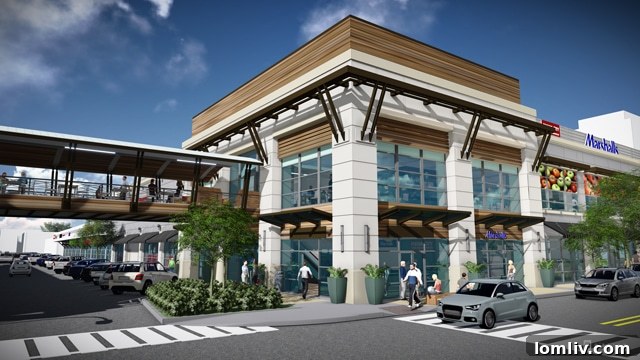
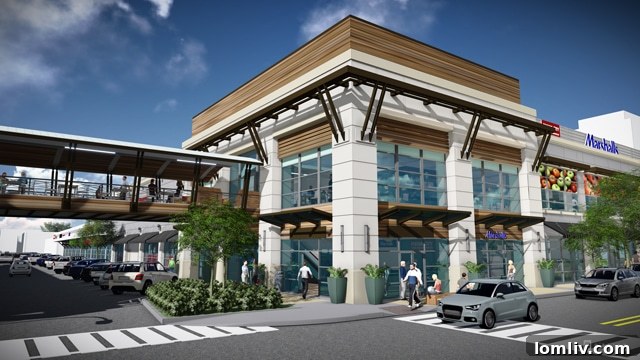
At the core of the controversy is the desire to revitalize Preston Center, specifically the area west of Preston Road, which some feel has been allowed to languish. Crow Holdings envisions a modern, accessible shopping experience, anchored by a major grocery store – rumored to be a 50,000-square-foot Tom Thumb, comparable to the one located across from NorthPark Center. To facilitate this, a skybridge is proposed to provide a seamless and safe pedestrian connection from an existing parking garage to the former Sanger Harris/Foley’s building, eliminating the need for shoppers to traverse a busy street.
Understanding the Skybridge Proposal: A Catalyst for Revitalization
The developer’s rationale for the skybridge is compelling from an economic development perspective. By offering direct and protected access from parking to retail, Crow Holdings believes it can attract a marquee grocery tenant, a critical component for driving foot traffic and ensuring the long-term viability of the shopping center. This move is seen as a strategic investment, with the bridge itself representing a cost of approximately $750,000 – an amount considered a reasonable investment for a developer of Crow Holdings’ stature in the context of a large-scale retail revitalization project.
Supporters of the skybridge, including the Dallas City Plan Commission and city staff, emphasize its practical benefits. They argue that it will create “a safe and efficient means of allowing patrons who utilize the upper level of the parking garage to traverse across the street in a safe and efficient manner.” Furthermore, they assert that the bridge will prevent vehicular movements from being negatively impacted by increased pedestrian traffic, thereby maintaining smooth vehicle flow on the already busy streets surrounding Preston Center. This perspective highlights the skybridge as a pragmatic solution to enhance pedestrian connectivity and safety within a congested urban environment, aligning with modern urban planning principles that prioritize walkability.
Moreover, proponents point to the prevalence of skybridges throughout Dallas as evidence of their utility and acceptance. These structures often provide convenient shortcuts, protect pedestrians from inclement weather, and contribute to a more interconnected urban fabric. The argument is made that this particular skybridge, designed to be aesthetically pleasing, aligns with the city’s evolving infrastructure while serving a crucial functional purpose. Crucially, the skybridge is presented as a non-permanent structure, capable of being removed if future development plans or community needs evolve, offering flexibility that some see as a significant advantage.
The Counter-Arguments: Traffic, Character, and Long-Term Vision
Despite the development’s promises, the skybridge faces significant opposition. A vocal group, including the “Northwest Highway and Preston Road Area Stakeholder Task Force” – humorously dubbed the “TSK TSK Just Say No Anything and Everything Force” by some observers – has expressed strong reservations. Their opposition stems from a broader concern that the skybridge is a piecemeal solution that fails to address the fundamental challenges facing Preston Center.
Former Dallas Mayor Laura Miller has emerged as a prominent voice against the bridge, collaborating with previous adversaries to fight the proposal. Her primary concern revolves around the potential for increased traffic and congestion in an area she describes as “already overburdened.” Critics like Miller argue that adding a major grocery store, even with improved pedestrian access, will inevitably draw more vehicles, exacerbating existing traffic woes at the intersection of Northwest Highway and Preston Road. They contend that a skybridge doesn’t solve the underlying issues of urban design and traffic flow, but merely shifts or intensifies them.
The debate extends beyond mere traffic, touching upon the very character and long-term vision for Preston Center. Opponents fear that the skybridge could permanently alter the aesthetic and functional dynamics of the area without a comprehensive, holistic plan. While developers assure its temporary nature, there’s skepticism about whether a costly structure, once built, would truly be removed, likening it to other ostensibly temporary urban features that have become permanent fixtures. This sentiment reflects a desire for thoughtful, integrated planning that considers the entire ecosystem of Preston Center, rather than addressing individual components in isolation.
For many residents and stakeholders, the current state of Preston Center is not one of being “overburdened” but rather “not well planned.” This perspective suggests that ad-hoc solutions, however well-intentioned, might fail to resolve systemic issues related to parking, pedestrian flow, and the overall functionality of the retail complex. The task force’s reluctance to embrace the skybridge can be interpreted as a demand for more profound, long-term solutions that genuinely address these foundational planning deficiencies, rather than opting for what they might perceive as a quick fix.
The Role of Community Engagement and Decision-Making
The skybridge saga underscores the complexities of urban development, particularly in established neighborhoods with strong community ties. The Dallas City Plan Commission’s approval of a specific-use permit for the bridge highlights the city staff’s technical assessment of its benefits. However, the voices of local Homeowners Associations (HOAs) and community leaders, as evidenced by numerous letters to the City Plan Commission, reveal a different layer of concerns.
These community letters, many of which can be found in the public record, articulate fears ranging from increased noise and pollution to a diminished quality of life for nearby residents. They represent a collective plea for careful consideration of how new developments impact the existing fabric of their neighborhoods. The tension lies in balancing the economic imperative of attracting new businesses and modernizing infrastructure with the desire to preserve community character and manage potential negative externalities. The question is not just whether the skybridge is technically feasible or economically beneficial, but whether it aligns with the broader aspirations and concerns of those who live and work in the Preston Center area.
The notion of the skybridge as a “temporary” measure also faces scrutiny. While it might technically be removable, the investment in its construction and the establishment of new pedestrian patterns could make its eventual removal politically and economically challenging. The argument that it can “come down when City Hall says the word” often rings hollow for residents who have witnessed urban projects become entrenched over time. This highlights a fundamental distrust that can arise between developers and communities, emphasizing the need for robust communication and transparent, enforceable commitments.
Looking Ahead: Towards a Unified Vision for Preston Center
The Preston Center skybridge debate is more than just a dispute over a piece of infrastructure; it’s a microcosm of the challenges facing urban centers across the country. How do we revitalize aging commercial districts while respecting community concerns? How do we balance economic growth with sustainable urban planning? And how do we ensure that development projects contribute to, rather than detract from, the overall quality of life?
Ultimately, the success of any project like the Preston Center skybridge will depend not just on its immediate economic benefits, but on its ability to integrate seamlessly into the existing urban landscape and garner community acceptance. If Crow Holdings can secure a top-tier tenant and demonstrate the bridge’s positive impact on pedestrian safety and retail vitality, it might eventually win over some of its skeptics. Perhaps, as some suggest, the bridge could serve its purpose, help establish a thriving retail environment, and then, if a truly comprehensive parking and improvement plan emerges for the entire Preston Center, its future could be re-evaluated.
For now, the discussion continues, highlighting the delicate balance required to foster progress while addressing deeply held community values. The future of Preston Center, and indeed the spirit of urban development in Dallas, hinges on finding common ground and forging a unified vision that benefits all stakeholders.
Below are some of the documents and letters that have contributed to this ongoing public discourse:
Letter to Jennifer Gates From Taskforce 3-11-15
Inwood-Northwest HOA Letter 3-5-15
Preston Hollow South HOA Letter to CPC 3-5-15
Preston Hollow East HOA Letter to CPC 3-5-15(1)
Letter to CPC From PC Property Owners 3-5-15
Preston Center Skybridge Opposition Map
Leland Burk Letter to CPC 5-5-15