The spirit of do-it-yourself (DIY) home improvement is undeniably appealing. There’s a certain satisfaction that comes from transforming your living space with your own hands, saving money, and learning new skills along the way. Whether it’s a minor repair or a major renovation, many homeowners envision themselves as master builders, ready to tackle any challenge. However, this admirable ambition can sometimes morph into an overzealous pursuit, leading to projects that are far more complex, dangerous, or specialized than initially perceived. We all have moments of grandeur, believing we can conquer tasks that eventually prove to be a bit beyond our skill set, or require tools and materials we simply don’t have access to.
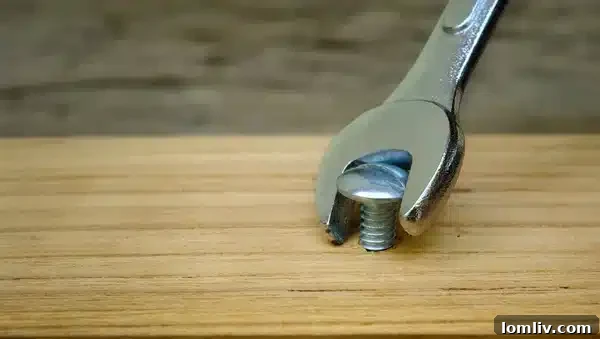
While the DIY ethos encourages resourcefulness, there’s a critical distinction between smart problem-solving and making do with entirely inappropriate substitutes. As the old adage wisely puts it, “Effort + Wrong Tool = No Results.” When it comes to your home, “no results” can often be the most fortunate outcome. More often, using the wrong tools or methods can lead to structural damage, safety hazards, increased costs down the line, or simply an aesthetic disaster that detracts from your home’s value and curb appeal. The temptation to cut corners or improvise with whatever is at hand can be strong, but the consequences can be far-reaching and costly, turning a dream project into a regrettable nightmare.
This article, inspired by real-life “Upon Closer Inspection” scenarios often shared by home inspectors, is dedicated to all the enthusiastic Ms. and Mr. Fix-Its out there who, perhaps with the best intentions, decided to “fix it” without the right tools, proper knowledge, or even a basic understanding of the task at hand. We’ll explore some common pitfalls, highlight the dangers of misguided DIY efforts, and offer practical advice on how to approach home improvement projects responsibly, ensuring safety, quality, and lasting results for your most valuable asset.
When Ingenuity Goes Astray: The Shingle Sidewalk Saga
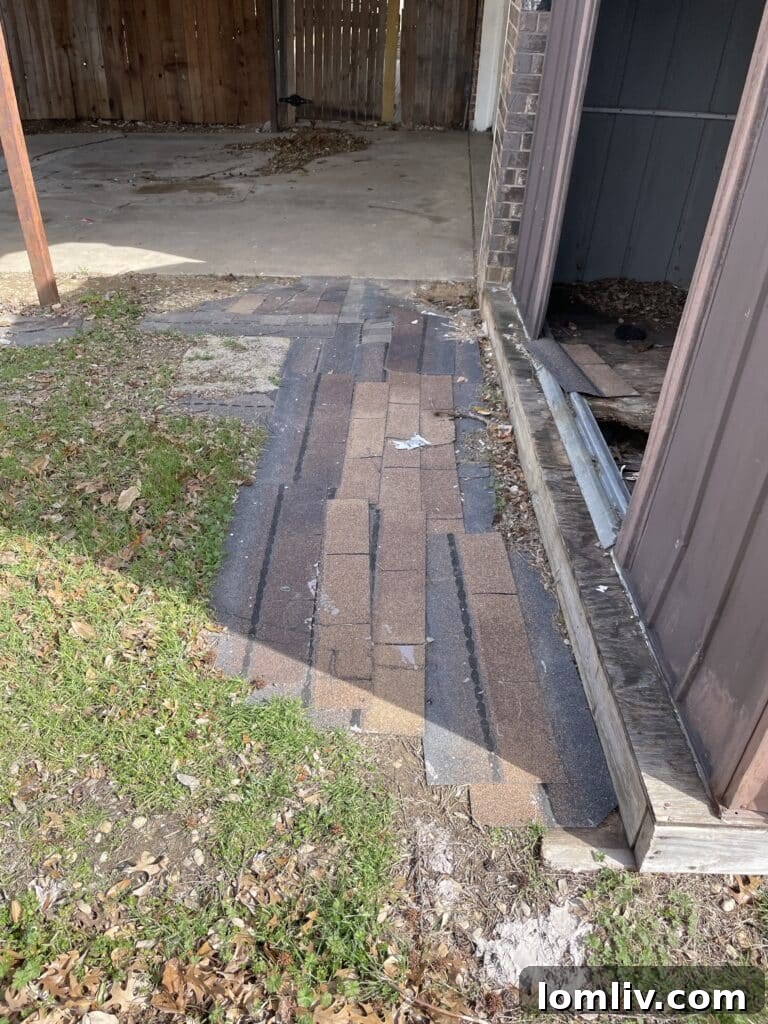
Imagine strolling through your garden only to find your walkway paved with… roof shingles. While the thought of repurposing leftover building materials might initially seem clever and economical, its application is crucial. In the case of using roofing shingles for a sidewalk, the phrase “wouldn’t want to let those extra shingles go to waste” takes on a whole new, often problematic, meaning. This particular DIY endeavor quickly illustrates the importance of using materials for their intended purpose. Roof shingles are designed to shed water on a sloped surface and protect a roof from the elements, not withstand heavy foot traffic, concentrated weight, or ground-level moisture and abrasion. They are inherently prone to cracking, curling, and becoming incredibly slippery when wet, posing a significant tripping hazard, especially for children or the elderly.
Beyond the immediate safety concerns, a shingle sidewalk presents numerous other drawbacks. Its aesthetic appeal is questionable at best, diminishing curb appeal rather than enhancing it. Durability will be extremely poor; shingles are not built to endure direct abrasion from shoes, bikes, garden equipment, or fluctuating temperatures and UV exposure at ground level. Over time, they will degrade rapidly, break apart, and necessitate a complete redo, often costing more than if appropriate materials were used from the start. Proper drainage will also be compromised, potentially leading to water pooling around your foundation, which can cause even more severe and expensive problems for your home’s structural integrity.
If your home improvement project involves creating a durable and attractive walkway and you’re working with a budget, there are far more suitable and equally affordable alternatives available. Consider durable options like gravel, which provides excellent drainage, a natural aesthetic, and is relatively easy to install. Paving stones, bricks, or concrete slabs offer a more structured, robust, and long-lasting solution, enhancing both functionality and visual appeal. For those on a tight budget, resources like Facebook Marketplace, local “Buy Nothing” groups (Buy Nothing Project), or even salvage yards are excellent places to find free or inexpensive used paving stones, bricks, or bulk gravel. People are frequently giving these materials away during their own renovations, providing a cost-effective and aesthetically pleasing solution that won’t compromise safety or longevity. Always prioritize materials that are designed for the specific stresses and environmental conditions of their intended application.
The Illusion of Security: When a Butter Knife Becomes a Lock
@greenscenehome Points for creativity? #homeinspectionfinds #askahomeinspector #diyfail #thereifixedit #diy #homeinspector #realestatehumor #badrealestatephotos #realestate #dallashomeinspection #austinrealtor
♬ original sound – Green Scene Home Inspections – Green Scene Home Inspections
Home security is paramount, a fundamental aspect of creating a safe and peaceful living environment. It’s the assurance that your home and loved ones are protected from intruders, giving you peace of mind whether you’re at home or away. Which makes the sight of a butter knife haphazardly wedged into a door frame, serving as a “creative security measure,” truly baffling. While points might be given for sheer, misguided creativity, this is an undeniable and dangerous DIY fail. The concept that a flimsy utensil from your kitchen drawer could provide any meaningful resistance against an attempted forced entry is not just wishful thinking; it’s a critical lapse in judgment that compromises the safety of the entire household and potentially invalidates insurance claims in the event of a break-in.
Security is not an area where one should ever compromise or attempt to cut corners. The minimal cost of installing a proper lock pales in comparison to the potential emotional and financial toll of a break-in, theft, or property damage. A butter knife offers zero protection; it can be easily removed, broken, or simply pushed through the door frame, providing nothing more than a false sense of security. Such a “solution” also sends a clear message to potential intruders about the home’s vulnerability, essentially inviting trouble and making your home an easier target.
Instead of improvised, ineffective measures, invest in robust and reliable security hardware designed for the purpose. Standard deadbolts, chain locks, barrel bolts, or even modern smart locks offer varying degrees of enhanced protection and peace of mind. These devices are specifically engineered and tested to withstand significant force, tampering, and picking attempts, unlike a butter knife. For increased security, consider reinforcing door frames with heavy-duty strike plates and longer screws, and ensure all exterior doors are solid core and properly fitted. For homeowners, understanding and implementing effective home security measures is not just about protecting possessions, but about safeguarding the well-being and sense of safety of everyone living within the home. So, please, buy. 👏 A. 👏 Lock. 👏 Your safety and peace of mind are absolutely worth the small investment.
The Abandoned Art Project: A Mosaic Wanna-Be Floor
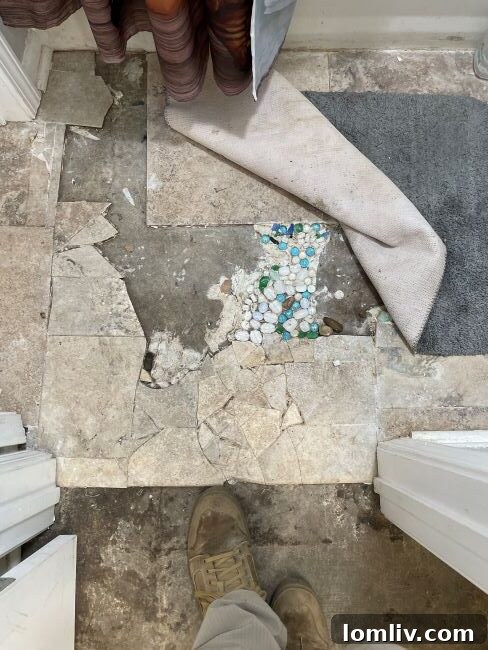
Every DIY enthusiast has faced a moment where a project goes awry. The key is how one responds to these setbacks. In the tale of the “mosaic wanna-be” floor, we witness a valiant, albeit misguided, series of attempts to fix a broken tile floor that ultimately leads to abandonment and frustration. It starts with a simple break, perhaps a dropped heavy object, a structural shift, or improper installation. The initial response—collecting all the shattered pieces and meticulously gluing them back together like a jigsaw puzzle—shows commendable effort. However, this often results in a weak, uneven, visibly patched, and aesthetically jarring repair that quickly fails again under normal use, making the floor look even worse than before.
Then, it seems, something worse happened, perhaps a larger section broke, or the initial repair proved futile and unsightly. Faced with the daunting task of replacing the entire floor, or at least a significant portion, and perhaps lacking the funds, the right tools, or the necessary expertise, a new vision emerged: “I’ll make a beautiful mosaic with these pretty pebbles!” While mosaic art can be stunning when executed by a skilled artisan using appropriate materials and techniques, simply scattering random pebbles over a damaged floor, without proper adhesive, leveling compounds, or grout, creates a disastrous and impractical surface. Such an improvised “mosaic” would be incredibly uncomfortable to walk on, difficult to clean as dirt and debris would get trapped, and would quickly dislodge, creating a new set of problems and potentially tripping hazards. The predictable final act? Giving up and covering the entire uneven, pebble-strewn mess with a large rug, relegating the problem to a hidden secret rather than a resolved issue, and perpetually reminding the homeowner of a failed project.
This saga underscores several common DIY pitfalls that homeowners frequently encounter. Firstly, proper preparation and honest assessment are crucial. If a tile floor is damaged, assess the extent of the damage. Can a few tiles be replaced with exact matching ones? If not, consider a larger area replacement or professional intervention. Secondly, “making do” with entirely different, incompatible materials (like pebbles instead of proper tile) for a repair often creates a bigger problem than it solves, both functionally and aesthetically. A patchy, mismatched, or uneven floor significantly detracts from a home’s interior appeal, can be a safety hazard, and can even lower its market value when it comes time to sell. When faced with extensive damage or a lack of matching materials, it’s often more cost-effective in the long run to invest in a proper repair or replacement, even if it means saving up or tackling it in planned phases. Professional tiling services ensure a durable, level, and visually cohesive finish that will stand the test of time, preventing the need for future, frustrating cover-ups and preserving your home’s value.
When the Renovator Becomes the Tool: The Case of the Buried Vent
Few things highlight the critical importance of understanding building codes and proper installation techniques more starkly than a perfectly functional bathroom exhaust vent that has been, quite literally, plastered over. In many regions, including Texas, residential bathrooms are legally required to have a mechanical exhaust vent unless they possess a window that meets specific ventilation criteria. This isn’t just about alleviating unpleasant odors; it’s a fundamental aspect of maintaining a healthy and structurally sound home environment. Bathroom vents play a crucial role in preventing moisture buildup, which is a silent but potent enemy to your home’s integrity and your family’s health.
When you shower or bathe, hot water creates significant humidity that quickly saturates the air. Without adequate ventilation, this moisture becomes trapped, leading to a cascade of costly problems. Mold and mildew thrive in damp, enclosed spaces, not only presenting unsightly stains on walls and ceilings but also posing serious health risks, especially for individuals with allergies, asthma, or other respiratory issues. Beyond mold, persistent moisture can cause paint to peel and crack, wallpaper to bubble, drywall to soften and deteriorate, and even structural wood components (like ceiling joists and wall studs) to rot, leading to potentially catastrophic structural failure over time. Over time, this can lead to expensive repairs, compromised indoor air quality, and a general feeling of dampness and staleness in the bathroom, impacting comfort and livability.
The video clip from inspector Alex reveals a classic renovation blunder: during a ceiling replacement, someone inadvertently (or perhaps ignorantly) sheetrocked right over the existing bathroom exhaust vent. While Alex’s clever temporary tip of poking holes might offer a minuscule, fleeting improvement by allowing a tiny bit of air movement, it’s far from a permanent or adequate solution. The vent’s entire purpose is to powerfully draw moist air out of the room and exhaust it outdoors through dedicated ductwork. A few small holes won’t achieve this necessary air exchange, leaving the core problem of trapped humidity unresolved and allowing damage to continue unabated. The only proper fix involves carefully removing the section of the ceiling where the vent is obscured, identifying the vent unit, ensuring it’s properly connected to ductwork that leads safely and efficiently outside, and then repairing the ceiling around it, allowing the vent to function as intended by code and design.
This incident vividly demonstrates the difference between a professional and an amateur approach. If a qualified, licensed contractor performed the ceiling renovation, they would be obligated to rectify such a significant oversight at no additional cost to the homeowner, as it represents a failure to meet code and industry standards. However, as the common wisdom goes, “a pro probably didn’t do that job.” This often means the homeowner is left to bear the financial burden and inconvenience of correcting a DIY mistake or an unqualified contractor’s error, which can be considerably more expensive than the original renovation. Always verify the credentials, licenses, and insurance of any contractor you hire, and for complex projects involving electrical, plumbing, or structural elements, consulting with or hiring certified professionals is not just advisable—it’s essential for your home’s integrity, your family’s safety, and your long-term financial well-being.
Mastering the DIY Mindset: Rules for Responsible Home Improvement
The moral of these stories is clear: while the allure of DIY home improvement is strong, responsible execution is paramount. Before embarking on any project, big or small, it’s crucial to approach it with thorough planning, realistic self-assessment, and an unwavering commitment to safety and quality. Cutting corners or improvising with inadequate tools and materials almost always leads to greater problems, increased expenses, and diminished property value down the line. To ensure your home improvement projects enhance your home rather than create new headaches, remember these fundamental rules of responsible DIY:
- Plan Extensively and Don’t Improvise (Except in True Emergencies): Every successful project begins with meticulous planning. Research the task thoroughly, understand the required steps, and create a comprehensive list of all necessary materials, specialized tools, and safety equipment. Develop a clear, step-by-step plan and an approximate budget, accounting for potential unforeseen issues and a contingency fund. Stick to your plan diligently. Improvisation should be reserved strictly for genuine emergencies where immediate, temporary action is required to prevent significant damage or injury (e.g., stopping a major leak). Even then, such improvisation should be considered a temporary patch, not a permanent fix.
- Temporary Fixes Demand Permanent Solutions ASAP: If you find yourself in an emergency situation that necessitates an improvised, temporary fix – whether it’s a leaky pipe temporarily patched with tape, a makeshift board over a broken window, or a sheetrock hole covered to prevent an immediate draft – understand that “temporary” means exactly that. Do not delay in seeking or implementing a permanent, code-compliant solution. Temporary fixes are inherently unstable, often unsafe, and can fail at any moment, leading to more extensive damage, renewed hazards, or further inconvenience. Prioritize replacing or properly repairing any component that received a temporary fix as soon as possible to prevent future complications and ensure long-term safety and functionality.
- Know Your Limits: When to Call a Professional (Especially for Electrical, Plumbing, and Structural Work): This is perhaps the most critical rule for any DIY enthusiast. While painting, minor landscaping, or furniture assembly might be well within your capabilities, certain home improvement tasks carry significant risks if not executed by a licensed, experienced, and insured professional. Attempting these projects without the proper expertise can lead to serious injury, property damage, code violations, and costly repairs that far outweigh any perceived initial savings. High-risk areas include:
- Electrical Work: Improper electrical wiring can lead to dangerous fires, electrocution, severe damage to your home’s entire electrical system, and can void your home insurance. Always defer to licensed electricians for any wiring, circuit breaker installation, or outlet replacement beyond simple light fixture swaps.
- Plumbing Work: Incorrect plumbing can result in extensive water leaks, significant structural water damage, mold growth, and compromised water quality, posing health risks. Major pipe repairs, water heater installation, or extensive fixture replacements are best left to licensed plumbers who understand complex systems and local codes.
- Structural Work: Any alteration to load-bearing walls, foundations, roofing systems, or other integral structural components requires expert knowledge of engineering and building codes. Mistakes here can compromise the entire structural integrity of your home, leading to catastrophic failure and immense costs. Always consult with structural engineers and licensed contractors.
- HVAC Systems: Repairing or installing heating, ventilation, and air conditioning systems improperly can lead to inefficient operation, dangerous carbon monoxide poisoning, system failure, or excessive energy consumption. Certified HVAC technicians are crucial for these specialized systems.
For these complex and potentially dangerous projects, the cost of hiring a professional is not an expense; it’s an essential investment in your home’s safety, longevity, value, and your family’s well-being. They possess the specialized tools, in-depth knowledge, and certifications to ensure the job is done correctly, safely, and up to code, ultimately saving you money, stress, and potential hazards in the long run.
By embracing a thoughtful, well-researched, and safety-conscious approach to home improvement, you can transform your living space effectively, enjoy the immense satisfaction of a job well done, and avoid becoming another cautionary tale in the annals of DIY fails. Your home deserves the best, whether that’s from your own skilled hands for appropriate tasks or the undeniable expertise of a trusted professional.