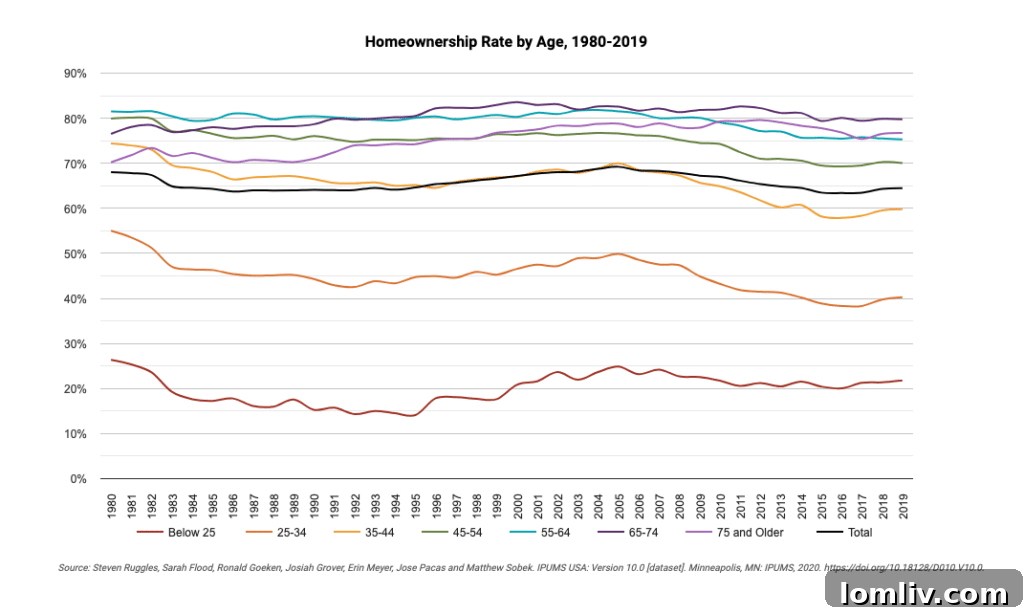
The landscape of the U.S. housing market is undergoing significant transformations, driven by evolving demographic trends, economic conditions, and shifts in consumer preferences. This article delves into several critical real estate developments, focusing on the burgeoning influence of Millennials in homeownership and rental markets, as well as the increasing importance of global collaboration within the real estate industry. From the dynamic housing markets of Texas, particularly Dallas-Fort Worth, which have emerged as beacons for Millennial homebuyers, to the often-overlooked demand for family-friendly rental properties, we explore the forces shaping the future of real estate. Furthermore, we highlight the strategic international partnerships that are fostering innovation and knowledge exchange across borders, exemplified by the MetroTex Association of Realtors’ new role as a global ambassador.
Dallas Leads the Charge: Why Millennials Are Flocking to Texas Housing Markets
In a compelling testament to its economic vitality and attractive lifestyle, the Dallas-Fort Worth-Arlington metropolitan area has been recognized by the National Association of Realtors (NAR) as one of the premier housing markets for Millennials embarking on their homeownership journey. This accolade, especially notable during the recent challenging economic climate, positions D-FW alongside other Texan powerhouses like the Austin-Round Rock MSA and Houston-The Woodlands, all of which featured prominently in NAR’s exclusive list of 10 favorable metro areas for younger buyers.
The primary allure for these dynamic markets, as highlighted by NAR’s Chief Economist Lawrence Yun, stems from a potent combination of factors. “Record-low mortgage rates have significantly improved housing affordability, drawing more first-time and millennial buyers into the market,” Yun observed. This unprecedented affordability has ignited fierce competition, making multiple offers for starter homes an increasingly common scenario in these vibrant metro areas. Beyond favorable lending conditions, these regions boast relatively robust employment environments, even amidst broader economic uncertainties, providing the financial stability essential for aspiring homeowners. The strong presence of Millennials, a demographic cohort now forming the largest segment of homebuyers nationally, further underscores the urgent need for new home construction to adequately meet the surging demand as the economy continues its reopening trajectory.

NAR’s comprehensive analysis to identify these top metro areas for Millennial homebuyers was meticulously designed, considering several crucial indicators. The evaluation criteria included current housing affordability, a critical metric for younger buyers often grappling with student debt or nascent careers. Local job market conditions during the pandemic played a pivotal role, emphasizing areas that demonstrated resilience and continued growth. Furthermore, the share of Millennials within the local population and the availability of housing inventory were key determinants, ensuring that the chosen markets not only attracted but could also accommodate this significant demographic wave. This rigorous methodology, applied across the largest 100 metropolitan statistical areas nationwide, provides a data-driven perspective on where Millennials are finding the best opportunities to establish roots.
“Nationally, Millennials now constitute the largest share of homebuyers, and these specific metropolitan areas offer exceptional opportunities for them to achieve the significant milestone of homeownership,” affirmed NAR President Vince Malta, a seasoned broker at Malta & Co., Inc., in San Francisco, CA. He further emphasized the profound impact this generation will have on the broader economy: “As states and cities progressively reopen, Millennials are poised to play an indispensable role in catalyzing the housing market’s recovery and sustained growth.” The long-term implications of this demographic shift are substantial, pointing to a future where housing policies, urban planning, and real estate development strategies must increasingly cater to the evolving needs and preferences of this influential generation.
For an in-depth look at the complete list and detailed statistics underpinning these findings, interested readers can consult the full report provided by NAR, offering valuable insights into the dynamics shaping Millennial homeownership.
MetroTex Association of Realtors Forges International Ties with The Netherlands
In a significant move that underscores the growing globalization of the real estate sector, the MetroTex Association of Realtors has proudly announced its official confirmation as the National Association of Realtors (NAR) Ambassador Association to the Netherlands. This prestigious appointment marks a pivotal moment for MetroTex, establishing a direct, organization-to-organization conduit with the Dutch Association of Real Estate Brokers and Real Estate Experts (NVM). This strategic partnership is designed to foster a rich exchange of knowledge, best practices, and innovative solutions to common challenges faced by real estate professionals across continents.
The collaborative framework will facilitate a multitude of benefits, including the sharing of cutting-edge industry ideas, ethical standards, technological advancements in property management and marketing, and effective strategies for navigating diverse real estate markets. Both MetroTex and NVM will have the opportunity to delve into their respective market dynamics, understanding nuances in regulatory frameworks, property valuation methodologies, and client service excellence. Beyond intellectual exchange, the ambassadorship also opens doors for participation in reciprocal trade missions, allowing members from both organizations to experience different market environments firsthand, explore international investment opportunities, and build invaluable professional networks. These missions are instrumental in broadening global perspectives and uncovering new avenues for business development and collaboration.

According to Terry Tremaine, the MetroTex President in 2020, this ambassadorship represents “a tremendous opportunity for real estate professionals from both NVM and MetroTex to significantly broaden their industry expertise.” The direct engagement with an international counterpart provides a unique educational experience, exposing members to different cultural approaches to business, market trends, and technological innovations that may not be prevalent in their home markets. Such exposure is crucial for developing a more holistic understanding of the global real estate landscape and preparing professionals for future international transactions.
Tremaine further elaborated on the profound benefits of fostering these worldwide connections: “Anytime you can enhance global member connections to diverse real estate resources and share association best practices with your peers from around the world, it cultivates a level of professional development that these professionals would be hard-pressed to experience anywhere else.” This sentiment highlights the unparalleled value of cross-cultural learning and collaboration, which can lead to the adoption of new business models, improved operational efficiencies, and a higher standard of service within the industry. By engaging with NVM, MetroTex members gain a competitive edge, accessing a global network of expertise that strengthens their capacity to serve a diverse clientele and navigate an increasingly interconnected world.
The Millennial Dilemma: The Scarcity of Family-Friendly Rental Properties in a Changing Housing Market
The Millennial generation currently stands at a crucial demographic and economic crossroads, with a growing number establishing households and starting families, yet many are postponing the traditional milestone of homeownership. This evolving trend casts a stark light on a critical and escalating issue within the housing sector: the significant and growing dearth of family-oriented rental units, as revealed by a comprehensive new study from RCLC and ULI (Urban Land Institute).
Families represent a substantial segment of the U.S. renter pool, constituting a full one-third of all renters and encompassing more than 13.5 million households nationwide. To put this figure into perspective, this number is over three times larger than the population of single Millennial renters across the country. Furthermore, this aggregate family renter population surpasses the combined populations of two of America’s largest cities, New York City and Los Angeles, underscoring the immense scale of this demographic. Despite this staggering demand, the market for rental properties designed to accommodate families – typically featuring multiple bedrooms, access to good schools, and community amenities – remains largely underdeveloped and underserviced.
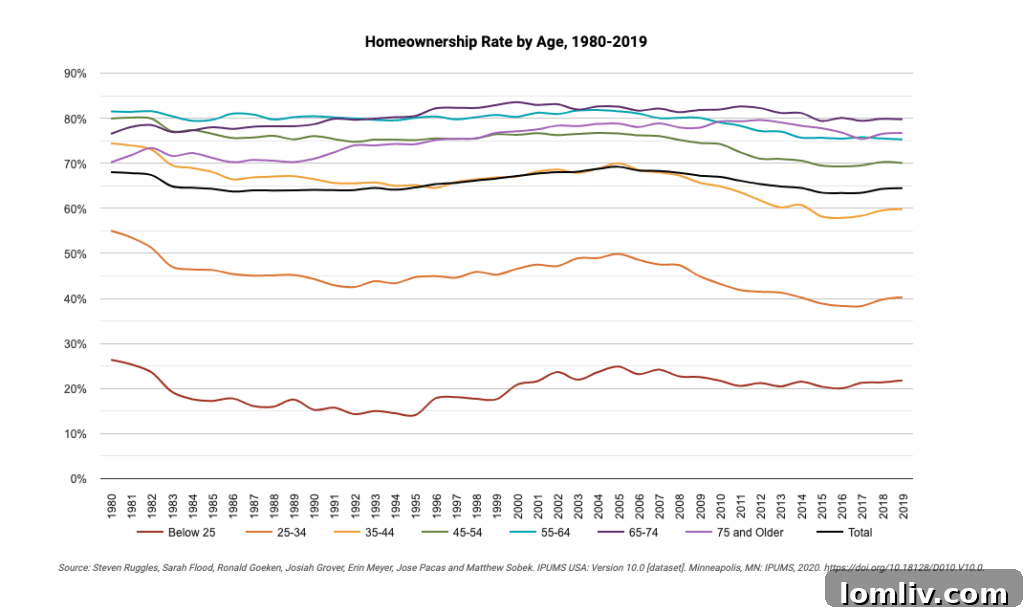
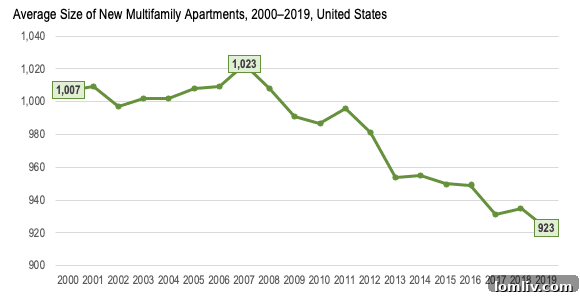
This overlooked market segment is poised for dramatic expansion over the coming decade. Projections from the U.S. Census Bureau indicate that the number of individuals aged between 30 and 50 – broadly considered the prime years for starting and raising families – is anticipated to grow far more significantly than it did in the previous decade. This demographic surge will inevitably translate into an increased demand for housing options that cater specifically to families, whether they choose to rent or eventually buy.
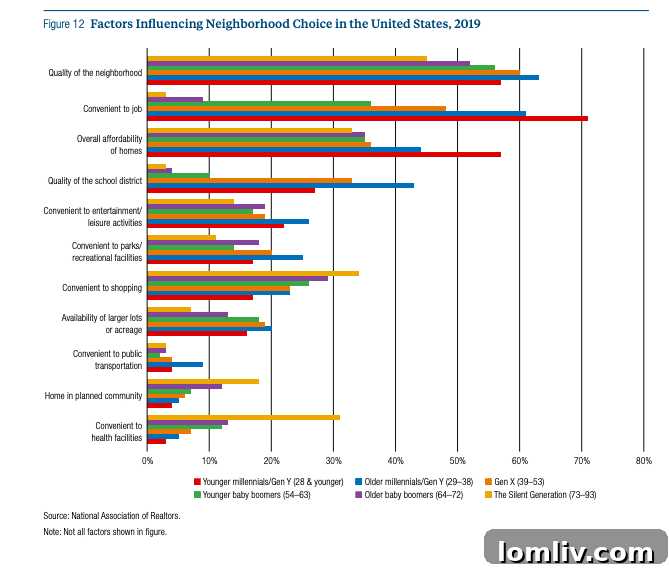
While the number of these family-oriented households experienced an increase of approximately one million between 2010 and 2020, the forthcoming decade, from 2020 to 2030, is projected to witness an exponential growth of roughly eight million such households. This stark difference highlights a looming challenge and a significant opportunity. As a consequence, families are expected to exert an even more substantial influence on the national housing market in the years ahead, shaping demand for specific property types, amenities, and community infrastructures. Developers, urban planners, and policymakers must recognize and respond to this demographic imperative, creating more diversified housing stock that reflects the changing needs of a generation that is increasingly choosing to rent for longer, even as they build their families. Addressing this shortage will require innovative approaches to design, development, and investment in rental housing that truly supports family life.
To gain a more profound understanding of the complex economic factors driving this trend and its potential ramifications for the housing market, a detailed analysis is available in the full report on family renter housing.
In conclusion, the current real estate landscape is dynamic and multifaceted, shaped by the powerful influence of the Millennial generation. Whether they are first-time homebuyers flocking to economically robust cities like Dallas or families seeking suitable rental accommodations, their choices are driving significant shifts. Simultaneously, the industry’s embrace of international partnerships, such as the MetroTex-NVM collaboration, underscores a global approach to learning and growth. These intertwined trends highlight a transformative era for real estate, demanding adaptive strategies and forward-thinking solutions to meet the evolving demands of a connected world and a pivotal generation.