

Unveiling the Unseen: Why Detailed Home Inspections Matter Beyond the Big Five
Navigating the complexities of real estate can be daunting for any home buyer. While most focus on the major components like the foundation, plumbing, electrical systems, HVAC, and the roof, it’s often the subtle, overlooked details that can reveal the true condition and potential future headaches of a property. At Green Scene Home Inspections, our commitment is to provide Daltxrealestate.com readers with an in-depth education on what truly matters in a home inspection. Welcome to “Upon Closer Inspection,” where we peel back the layers to expose the unique quirks and hidden deficiencies that might otherwise go unnoticed.
Every prospective home buyer enters the market with a checklist, often prioritizing the “big five” – the critical structural and mechanical systems that are essential for a habitable dwelling. These elements rightfully demand significant attention, as failures in these areas can lead to extensive repair costs, safety concerns, and substantial disruption to daily life. However, a truly comprehensive home inspection goes far beyond the obvious. It delves into the peculiar installations, the questionable DIY projects, and the seemingly minor details that, upon closer examination, can signal deeper issues about a home’s overall health and the quality of its maintenance over time. These “little things” aren’t merely aesthetic anomalies; they can be critical indicators of potential problems, code violations, or even safety hazards that could severely impact your comfort, wallet, and peace of mind. Let’s explore some of these fascinating finds that highlight why a meticulous, detail-oriented professional home inspection is an invaluable investment for any property buyer.
What’s Wrong With This Picture? An Uncomfortable Bathtub Revelation
Imagine unwinding after a long day, eager for a relaxing soak, only to discover your bathtub is installed in a way that defies common sense, functionality, and comfort. It might take you a moment to pinpoint the exact issue in the accompanying image, but once you see it, it’s undeniably clear and quite perplexing: the faucet and drain are positioned at the wrong end! This isn’t just an oddity; it’s a significant ergonomic flaw that speaks volumes about the care — or shocking lack thereof — in the home’s construction or renovation, creating a distinctly uncomfortable bathing experience.
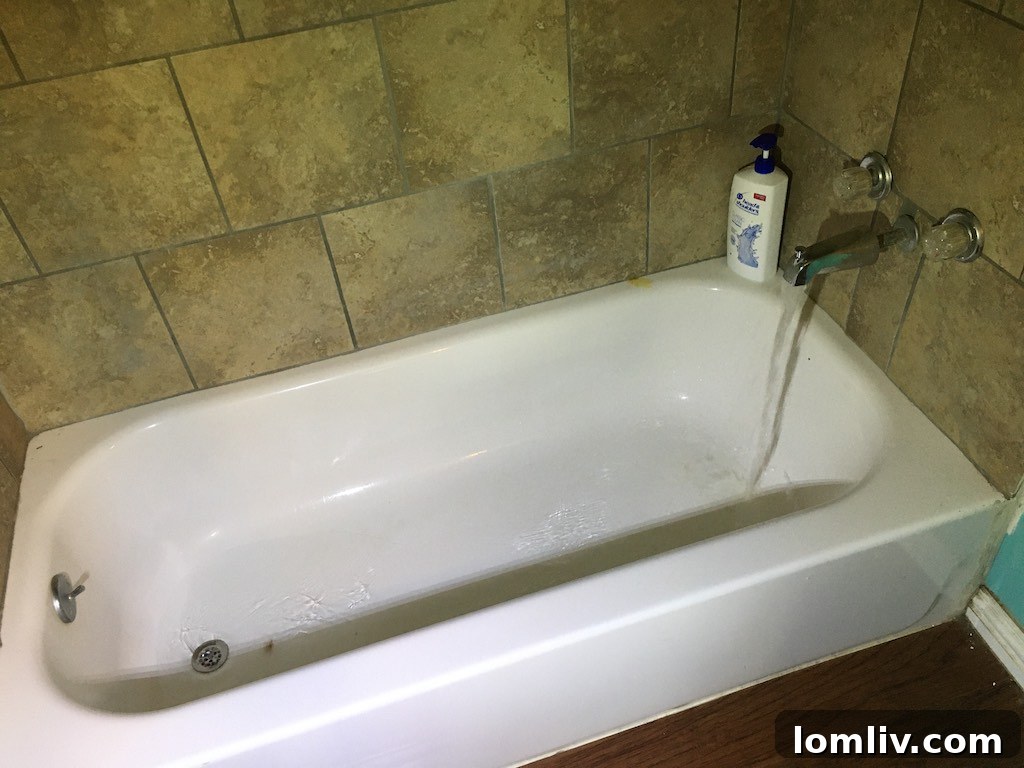
You guessed it — it’s installed backward! This seemingly minor detail creates a cascade of inconveniences and potential long-term problems. From a practical standpoint, the occupant must lie with their head against the drain, a profoundly uncomfortable and unhygienic position. The faucet, typically placed at the head of the tub for easy access, comfort, and safety (to avoid bumping into it), would instead be at the feet. This makes it awkward and difficult to adjust water temperature or operate the shower diverter, impacting both usability and relaxation. Furthermore, this orientation can lead to increased splashing over the tub’s edge if the person sits at the conventional end, potentially causing unsightly and damaging water infiltration to the surrounding floor or wall over time, which can foster mold growth. It also complicates routine cleaning and maintenance and can significantly detract from the aesthetic appeal, potentially impacting the home’s resale value and appeal to future buyers.
For a professional home inspector, such an installation is far more than a quirky design choice; it immediately flags a potential lack of attention to detail, poor craftsmanship, or even professional oversight during the original installation process. This prompts further, deeper investigation into other plumbing fixtures, tiling work, and overall finishing quality within the entire property. It serves as a classic, tangible example that while a fixture might technically appear functional, its improper installation can severely compromise its intended use, comfort, safety, and longevity. Such discoveries underscore the critical importance of a thorough plumbing inspection to identify seemingly minor errors that can have major implications for a homeowner’s daily life and future repair budgets.
Just Because You Can Doesn’t Mean You Should: The Dishwasher-Laundry Connection Dilemma
Innovation and a desire for convenience often blur the lines of conventional wisdom, sometimes leading to creative—and ultimately questionable—solutions in home appliance installations. A common query we encounter from curious homeowners and prospective buyers involves the possibility of connecting a dishwasher to existing laundry connections. Technically, the answer might indeed be “yes,” given the right adapters and plumbing configurations. However, the implications of such a setup extend far beyond simple connectivity, venturing into critical areas of hygiene, functionality, potential health hazards, and costly repairs. This particular “little thing” highlights a significant and often dangerous difference between what’s physically possible and what’s functionally advisable, code-compliant, and ultimately safe in residential plumbing systems.
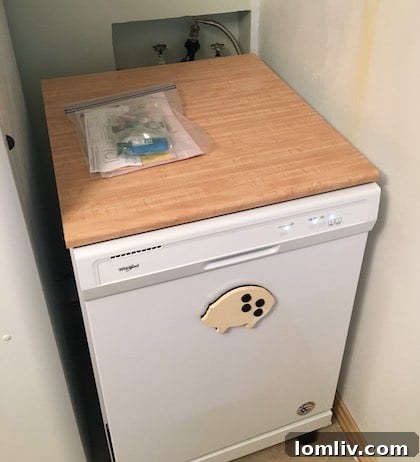
While a dishwasher can be technically connected to laundry hookups, it is almost universally discouraged by plumbing professionals and prohibited by most building codes for several critical reasons. Dishwashers are specifically designed to handle food particles, grease, and detergents that are uniquely formulated for kitchen waste. Laundry drains, conversely, are engineered to cope with lint, fabric softeners, various soap scum, and different types of chemicals associated with washing clothes. Mixing these distinct waste streams without proper dedicated traps, vents, and appropriately sized drainage can lead to a host of severe problems, including chronic clogs, persistent foul odors emanating from both appliances, and potential cross-contamination between kitchen and laundry wastewater. Imagine your freshly washed dishes carrying the faint, undesirable scent of laundry detergent or, worse, being exposed to contaminated wastewater from your washing machine – a significant health and hygiene risk.
Furthermore, the type of drain required for a dishwasher is often fundamentally different from a laundry standpipe, necessitating a dedicated P-trap to prevent noxious sewer gases from entering the home. If a shared drainage line is not correctly sized, adequately vented, or properly trapped, debris from one appliance can easily back up into the other, creating unhygienic conditions, damaging appliances, and requiring expensive professional plumbing services to diagnose and resolve. For a professional home inspector, identifying such an unconventional and potentially hazardous hookup is a major red flag. It immediately prompts a thorough investigation into the entire home’s plumbing system to ensure safety, sanitation, proper functionality, and strict adherence to local building and plumbing codes. This example serves as a perfect illustration of how attempting to cut corners or implement DIY plumbing solutions without proper knowledge can lead to long-term headaches, health risks, and significant financial burdens for homeowners.
Unique Installation: The Case of the Recessed Water Heater – A Hidden Hazard
Space optimization is a perennial goal in home design, particularly in smaller properties or in areas where every square foot counts. However, some attempts at conserving space can inadvertently create new, unforeseen problems, especially when it comes to the installation of vital mechanical systems like water heaters. A water heater “recessed” into a wall cavity is one such unique and often problematic installation that frequently catches the trained eye of experienced home inspectors. While it might initially seem like a clever and efficient way to tuck away a bulky appliance, this unconventional setup introduces a host of potential concerns regarding safety, accessibility for maintenance, and the operational efficiency of the unit itself.
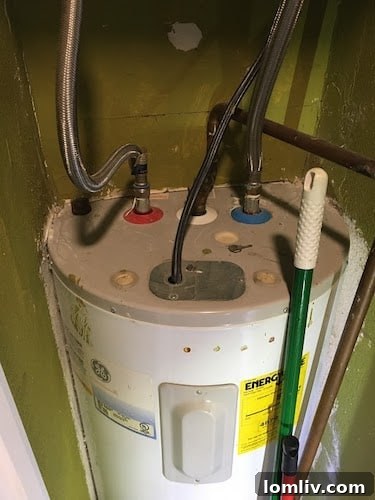
Indeed, we’ve certainly never seen a water heater “recessed” into the wall quite like the one pictured before. While some utility closets are specifically designed and adequately sized to house water heaters, a true “recessed” installation—where the unit is partially or fully enclosed within a wall cavity—is highly unconventional and, more often than not, problematic and non-compliant with safety codes. The primary concerns revolve around crucial required clearances, adequate ventilation, and essential maintenance access. Water heaters, particularly gas-fired models, generate significant heat and require specific minimum clearances from combustible materials for fire safety. Recessing them into a wall without proper fire-rated enclosures, sufficient ventilation, and unrestricted access to combustion air can create a substantial fire hazard, as heat can build up excessively, and the appliance may not function efficiently or safely due to restricted airflow. Electric water heaters also require proper clearance for heat dissipation and access.
Furthermore, access for routine maintenance – such as flushing the tank to remove sediment, checking or replacing the anode rod (which prevents corrosion), or replacing critical components like the thermostat or heating elements – becomes incredibly difficult, if not entirely impossible, in such a confined space. This lack of accessibility can significantly shorten the lifespan of the unit, lead to premature failures, reduce energy efficiency, and make any necessary repairs prohibitively costly and complicated due to the need for demolition and reconstruction. In the unfortunate event of a leak, water damage could be extensive and insidious within the wall cavity before it’s even noticed, fostering dangerous mold growth and compromising the structural integrity of the surrounding building materials. A professional home inspector examining such an installation would immediately question its adherence to current safety codes, its impact on the appliance’s longevity and performance, and the long-term implications for the homeowner’s safety and budget. It’s a stark reminder that attempts at space-saving convenience should never compromise the safety, maintainability, or efficiency of essential home systems.
Getting The Finger: When Framing Fails and Why Phase Inspections are Crucial for New Home Builds
The structural integrity of a home is the foundational element upon which everything else rests. House framing, particularly the strategic use of advanced joint techniques like finger joints, plays an absolutely critical role in establishing this structural backbone. Finger joints are ingeniously designed to connect shorter pieces of wood, creating longer, stronger, and more stable units that are essential for the robust construction of walls, floors, and roofs. When executed correctly and under strict quality control, these joints are incredibly robust, providing a seamless and durable connection that can withstand significant loads and stresses over the lifespan of the structure. However, even the strongest and most sophisticated designs are only as good as their execution and the quality of the materials used. A broken finger joint, as illustrated by our next example, can signal serious underlying structural vulnerabilities that demand immediate attention and can have far-reaching consequences for the entire property.
As seen in the compelling video example, a broken finger joint is not a minor cosmetic flaw but a significant structural defect. While finger joints are meticulously designed for exceptional strength, their integrity is severely compromised if they are manufactured incorrectly, damaged during transport or installation (e.g., from improper handling or being dropped), or subsequently exposed to excessive or unforeseen stress. A break in such a critical load-bearing component can have cascading negative effects throughout the entire frame of a house, compromising the overall structural stability and safety. This can lead to undesirable consequences such as sagging floors, bowing walls, distorted door and window frames, or even roof deflection over time. These issues aren’t merely cosmetic nuisances; they can fundamentally undermine the safety of the occupants and necessitate extremely costly, invasive, and disruptive repairs, especially once interior finishes like drywall, flooring, and paint are already in place.
What makes this particular “little thing” so insidiously dangerous is its often-hidden nature. Once drywall and other interior finishes are installed, a broken finger joint becomes virtually impossible to detect without resorting to destructive investigation, which is clearly not feasible for a standard pre-purchase inspection. This is precisely why a Phase Inspection is an absolutely essential and wise investment if you’re building a new home from the ground up. Unlike a standard pre-purchase inspection which occurs only after construction is complete, a phase inspection involves a professional and highly experienced inspector examining the property at various critical stages of construction – including foundation pouring, framing completion, and before drywall installation. During the crucial framing phase, inspectors can meticulously examine every joint, beam, stud, and structural component while it’s still fully exposed. Detecting a broken finger joint or any other framing anomaly at this early stage allows for immediate, relatively inexpensive correction before it’s permanently covered up. Missing these critical checks means potentially living in a structurally compromised home for years, blissfully unaware of a ticking structural time bomb until significant damage or severe safety hazards manifest. Green Scene Home Inspections specializes in these vital multi-phase inspections, ensuring that your new home is built to the highest standards of safety, durability, and code compliance from the very beginning. Investing in a phase inspection isn’t just about catching defects; it’s about securing ultimate peace of mind that your most significant investment is structurally sound and safe for generations to come.
Beyond the Obvious: Why Every Detail Matters in a Comprehensive Home Inspection
As we’ve explored through these vivid and sometimes startling examples, a home’s true condition is often revealed not just by its major systems but by the myriad of smaller, less obvious details that populate its every corner. From an ill-placed bathtub faucet creating an ergonomic nightmare, to a questionable appliance hookup posing hygiene and safety risks, or a critical structural flaw hidden within the framing, these “little things” can collectively tell a much larger and more profound story about a property’s history, the overall quality of its construction, and the diligence (or neglect) of its maintenance over time. They represent potential comfort compromises, significant safety hazards, code violations, and future financial drains that a hurried or inexperienced eye might easily overlook, leading to buyer’s remorse and unexpected expenses.
The indispensable role of a professional home inspector extends far beyond simply identifying readily apparent problems. It involves a systematic, knowledgeable, and intensely inquisitive approach to uncover the subtle indicators that reveal deeper, underlying issues. A seasoned and certified inspector, like those at Green Scene Home Inspections, possesses the specialized expertise, experience, and keen eye to understand the true implications of these unique installations and defects. They don’t merely point out a backward bathtub; they analyze what that implies about the overall quality of plumbing work, attention to detail, and adherence to best practices throughout the entire house. They don’t just note an odd water heater setup; they meticulously assess the potential fire safety risks, maintenance challenges, and code compliance issues it presents. And crucially, they identify critical structural flaws like a broken finger joint during a new construction phase inspection, thereby preventing future catastrophic failures and ensuring the long-term stability of your investment.
For home buyers, this meticulous attention to every detail translates into invaluable peace of mind. Knowing that every corner, every connection, and every structural element has been thoroughly vetted and documented by an impartial, expert professional empowers you to make truly informed decisions. It provides solid grounds to negotiate for necessary repairs, adjust your offer price to reflect actual costs, or, if the risks are too great, even walk away from a deal that harbors too many hidden risks and potential future liabilities. In the competitive and fast-paced real estate market, having a clear, unbiased, and comprehensive understanding of a property’s true condition is your strongest asset. Don’t let the superficial charm or attractive price of a new home distract you from the paramount importance of its underlying integrity and safety.
Investing in a comprehensive home inspection with Green Scene Home Inspections means far more than just fulfilling a contractual obligation; it means actively safeguarding your most significant investment and ensuring the safety, comfort, and long-term value of your future home. Whether you’re purchasing an existing property with years of history or building your dream home from the ground up, our expert team is here to provide the detailed, actionable insights you need to proceed with unwavering confidence. Don’t just inspect the big five; let us help you uncover the crucial “little things” that truly matter. For a thorough, reliable, and peace-of-mind-inducing property assessment, trust the dedicated experts who consistently see beyond the surface.