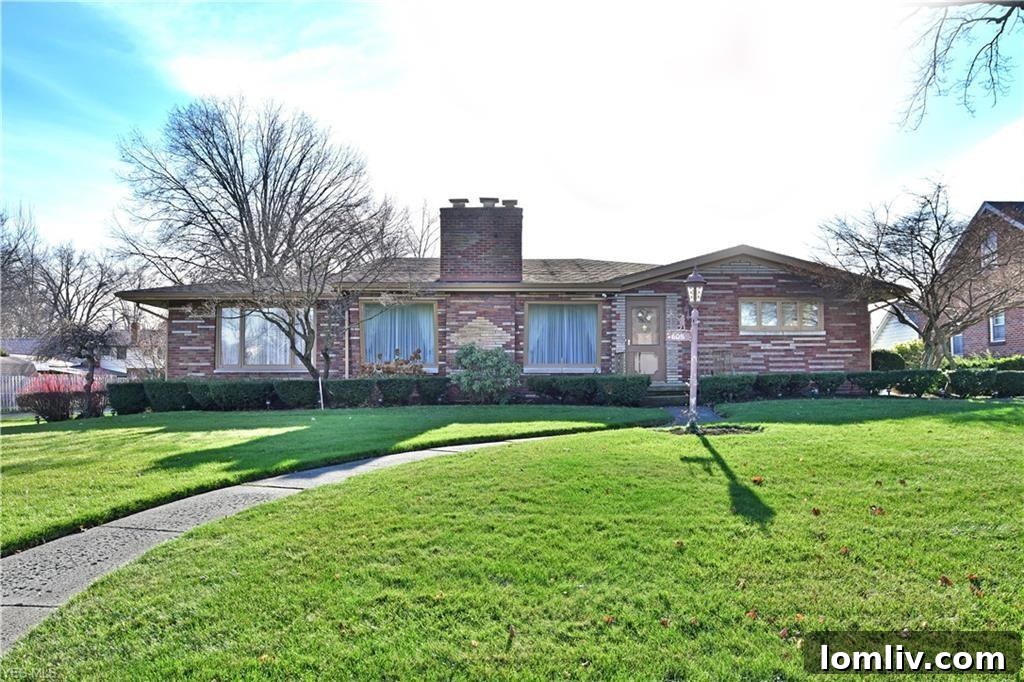
From a first glance, this residence might appear to be nothing more than a typical Midcentury Ranch home, perhaps in need of a few contemporary updates. Its unassuming facade suggests a quiet suburban existence, blending seamlessly into its surroundings. One might walk by, completely oblivious to the layers of history and intrigue hidden within its walls. However, as is often the case with truly captivating properties, what meets the eye is rarely the full story. This is not just an ordinary house; it possesses a past that is anything but mundane, a past that weaves a fascinating narrative of organized crime, secret dealings, and a notorious figure from the annals of American true crime history.
Indeed, this seemingly ordinary dwelling holds secrets that would surprise most. It’s a property that transcends typical real estate listings, offering not just a place to live, but a direct connection to a compelling chapter of the past. When this intriguing property recently entered the market, it quickly captured attention, testament to the enduring allure of homes with a distinctive heritage. Before we could even fully delve into its unique story and encourage potential buyers to consider making an “offer they can’t refuse,” the house was already under pending offer, underscoring its undeniable mystique and desirability.
Welcome to the former residence of the late Joey Naples, nestled in the heart of Youngstown, Ohio. For those unfamiliar with the name, Joey Naples was far from an ordinary citizen. According to the meticulously compiled records of Mafia Wiki, Naples was a significant figure within the Pittsburgh crime family, serving as the powerful capo of its Youngstown, Ohio faction. His influence stretched across the region, making him a key player in the illicit underworld. As a prominent capo, he was responsible for overseeing various criminal enterprises, most notably a lucrative gambling operation that served as a significant revenue stream for the Pittsburgh family.
Naples’ notoriety extended beyond mere operations; he was also implicated in a major political scandal that rocked Ohio. He was recognized as one of the Pittsburgh Associates involved in the bribery of former athlete James Traficant during his campaign for county sheriff. The intention was clear: to secure a compliant official who would turn a blind eye to organized crime activities should he be elected. This incident not only highlighted Naples’ reach but also underscored the deep entrenchment of organized crime within the political landscape of the era. His name, “Joey Naples,” resonates with a certain weight, embodying an era where figures like him wielded considerable, albeit unlawful, power.
Youngstown, Ohio, during the mid to late 20th century, was a city grappling with significant economic shifts and, concurrently, a strong presence of organized crime. Once a thriving industrial hub known for its steel production, Youngstown faced immense challenges as the steel industry declined. This economic vulnerability created fertile ground for illicit activities to flourish, with figures like Joey Naples stepping into the power vacuum. Naples’ operations were not merely an isolated phenomenon but were part of a broader network of crime that influenced local politics, businesses, and even the daily lives of some residents. The presence of a formidable capo like Naples meant that the city, while appearing ordinary on the surface, harbored a complex, shadowy ecosystem of clandestine dealings and power struggles.
The story of Joey Naples concluded tragically and violently. In 1991, his life was cut short when he was gunned down by a sniper just outside the new home he was constructing. This brutal assassination marked the end of an era for the Pittsburgh crime family’s Youngstown faction and sent shockwaves through the local underworld. Following his death, his former residence, the very home we are exploring, entered a new chapter. It was sold in 1992, then again in 1995, and most recently, reappeared on the market this year, prompting renewed interest in its storied past and the life of its infamous former occupant.
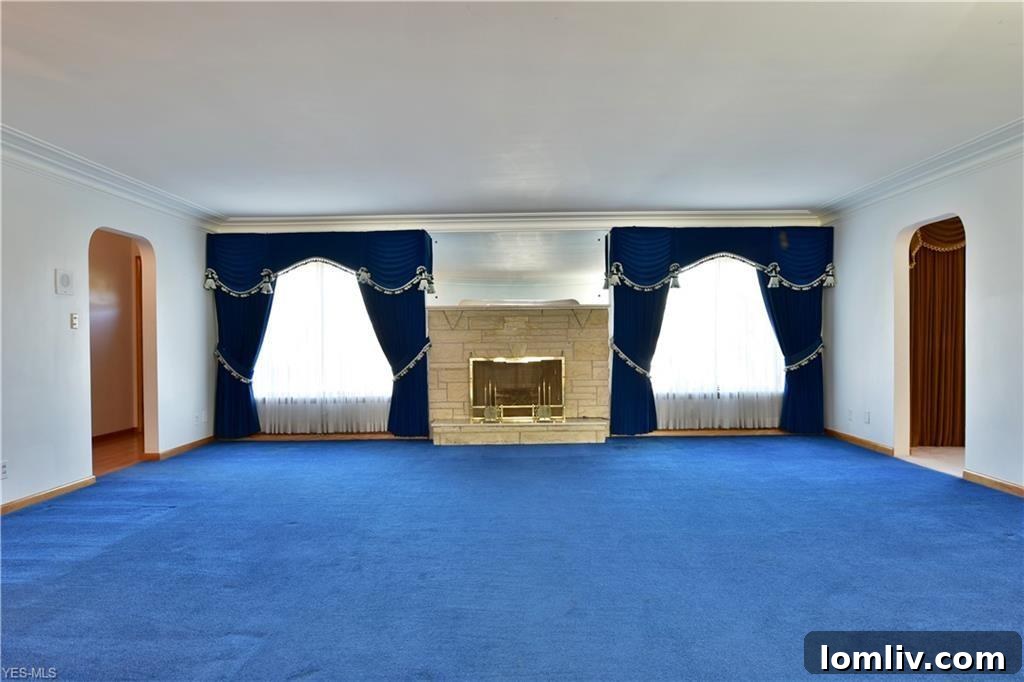
One might naturally wonder what the interior of a mob boss’s house would look like. Would it be opulent and extravagant, or discreet and unassuming? While we cannot definitively ascertain how many modifications were made to the property after its sale following Naples’ death, the available photographs and historical context provide a fascinating glimpse into the layout and potential ambiance of such a residence. The home itself is a classic Midcentury Ranch, an architectural style characterized by its single-story layout, open-plan interiors, and a seamless connection to outdoor living spaces. This design choice, popular in the post-war era, typically prioritizes comfort, functionality, and a sense of understated elegance.
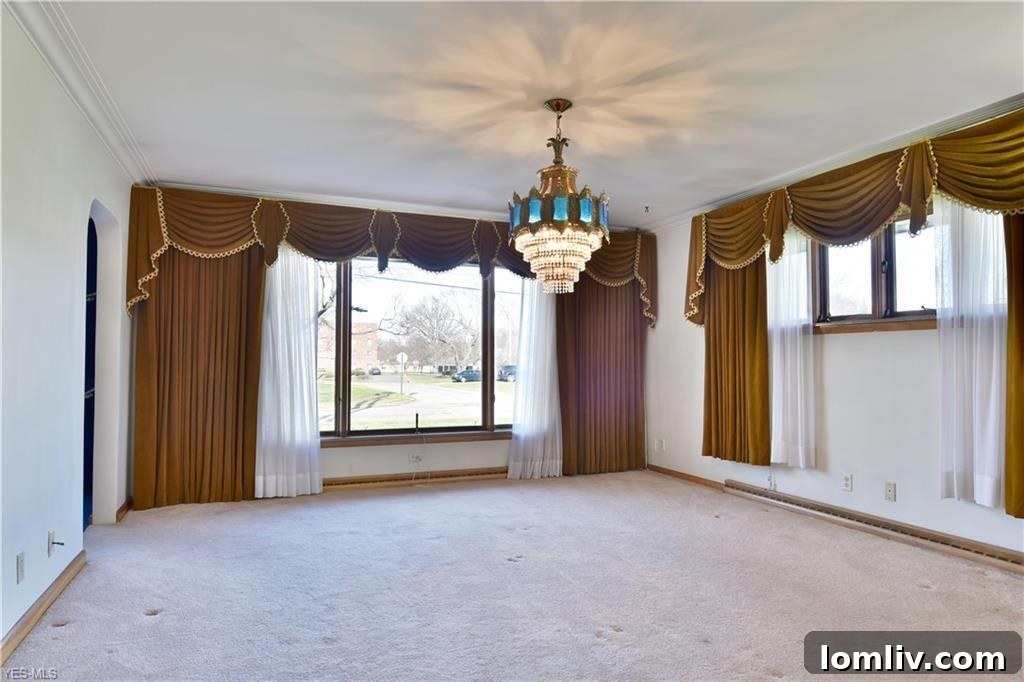
For a figure like Joey Naples, a Midcentury Ranch would have offered the perfect blend of suburban normalcy and practical living. Its sprawling layout could provide ample space for both family life and, potentially, discreet business dealings. The style’s emphasis on privacy, with often large backyards and well-defined living zones, could have been particularly appealing. Imagine the conversations held within these walls, the plans hatched, and the decisions made that impacted the lives of many in Youngstown and beyond. Even if the current decor reflects modern tastes, the bones of the house whisper tales of its remarkable past, offering a unique opportunity to own a piece of true crime history.
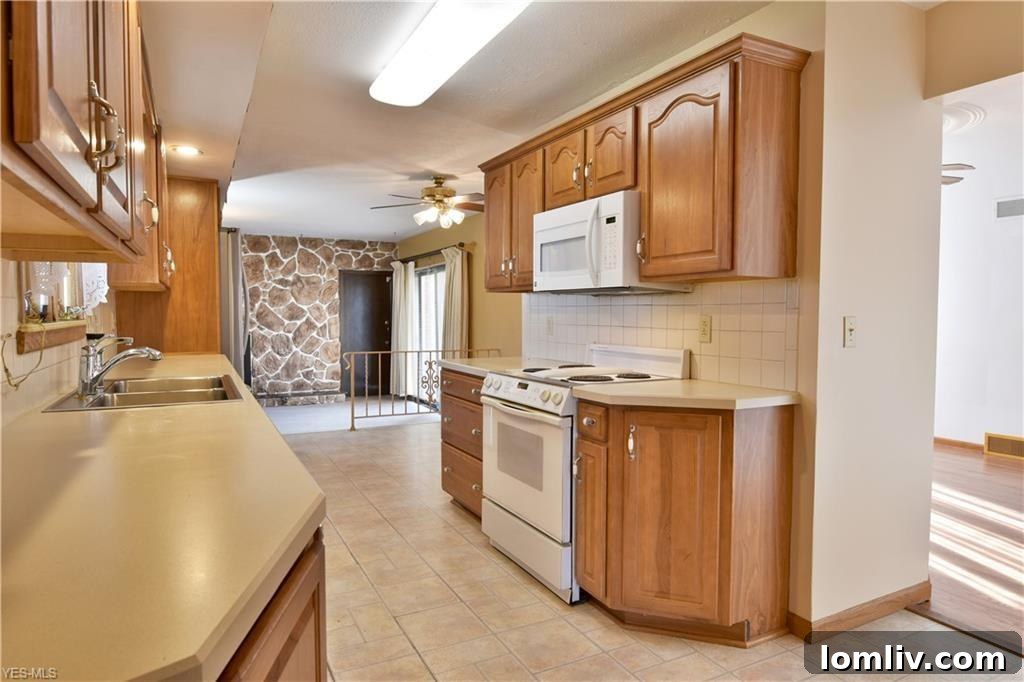
However, the most intriguing detail about this specific property, and perhaps the one that truly sets it apart, lies not in its visible living areas but beneath the surface – in its basement. It seems that with figures like Naples, the most compelling secrets are often hidden away, out of sight. At one point, a search warrant was executed on the Naples home. Police had received information from an informant, a crucial piece of intelligence suggesting the existence of a clandestine space within the residence: “a secret room in the cellar of this residence.” The very notion of a hidden room immediately conjures images of intrigue, secret meetings, and stored contraband, fitting perfectly with the narrative of a prominent mob figure.
The discovery of this secret room is a captivating tale in itself, meticulously documented in court records. As a court document read, “Detective Krohn continued the search by hitting the panelled wall, when all of a sudden a door popped open, exposing a room and its contents.” This dramatic reveal must have been a pivotal moment in the investigation, confirming the informant’s tip and shedding light on Naples’ hidden world. The contents of this concealed space were as telling as the room itself, painting a vivid picture of the capo’s operations and lifestyle.
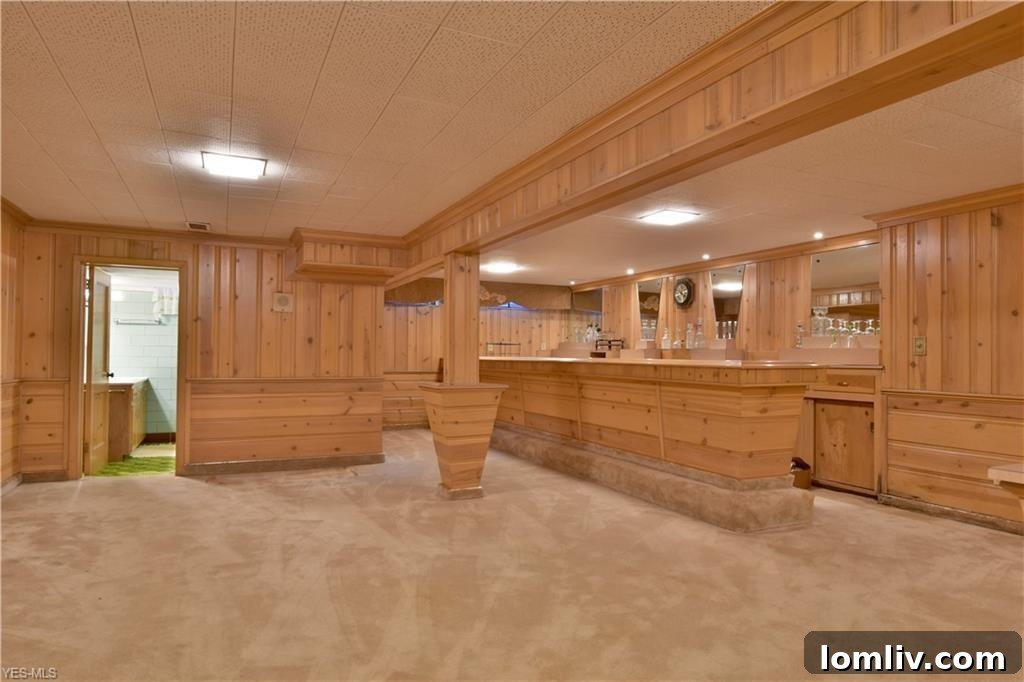
Inside, investigators found “a quantity of guns of various kinds, gun silencers, ammunition, a Bolex camera, a mink coat, lottery slips, and lottery records.” Each item tells a story. The array of firearms and silencers speaks to the dangerous realities of his profession and the need for discreet, sometimes violent, enforcement. The Bolex camera, a high-quality film camera, could have been used for surveillance, documenting illegal activities, or even for personal leisure, adding a layer of sophisticated mystery. The mink coat, a symbol of luxury and status, points to the lavish rewards of his illicit enterprises, contrasting sharply with the hidden nature of the room itself. Finally, the lottery slips and records directly link the room to his primary gambling operation, providing undeniable evidence of his criminal undertakings.
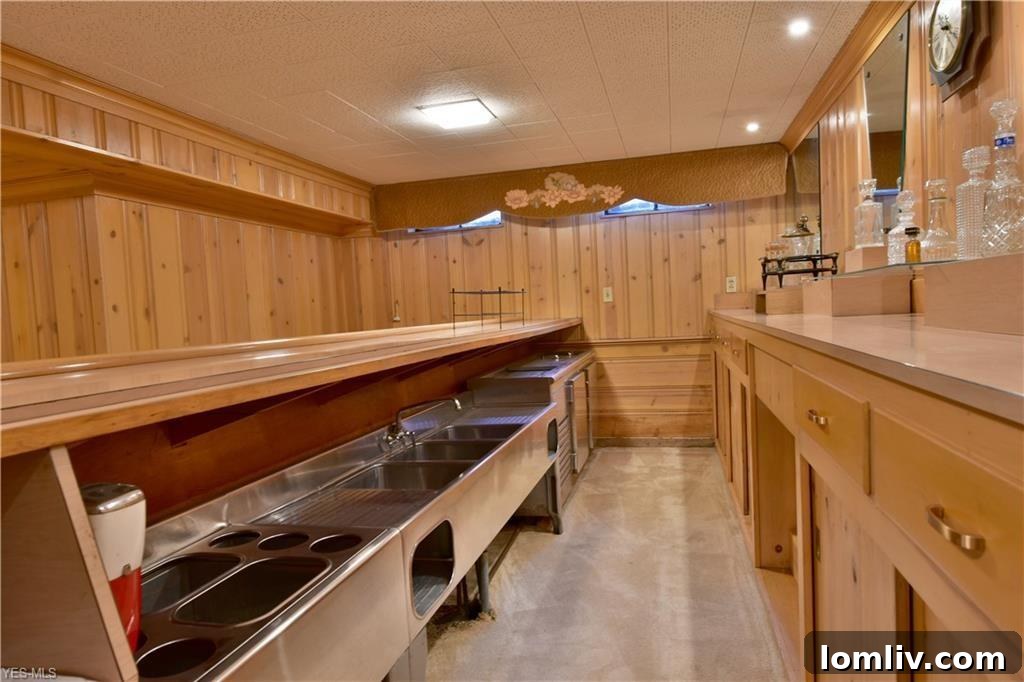
The allure of properties with such a rich, albeit dark, history is undeniable. For many, owning a home like Joey Naples’ former residence offers more than just shelter; it provides a direct link to a captivating period of history and a notorious character. While the house has changed hands multiple times since Naples’ death, and the likelihood of the secret room retaining its original contents or even its secret status is uncertain, the legend of it undoubtedly adds immense value and intrigue. The mere potential that such a feature might still exist, or that traces of its past life could be discovered, fuels the imagination and enhances the home’s unique appeal.
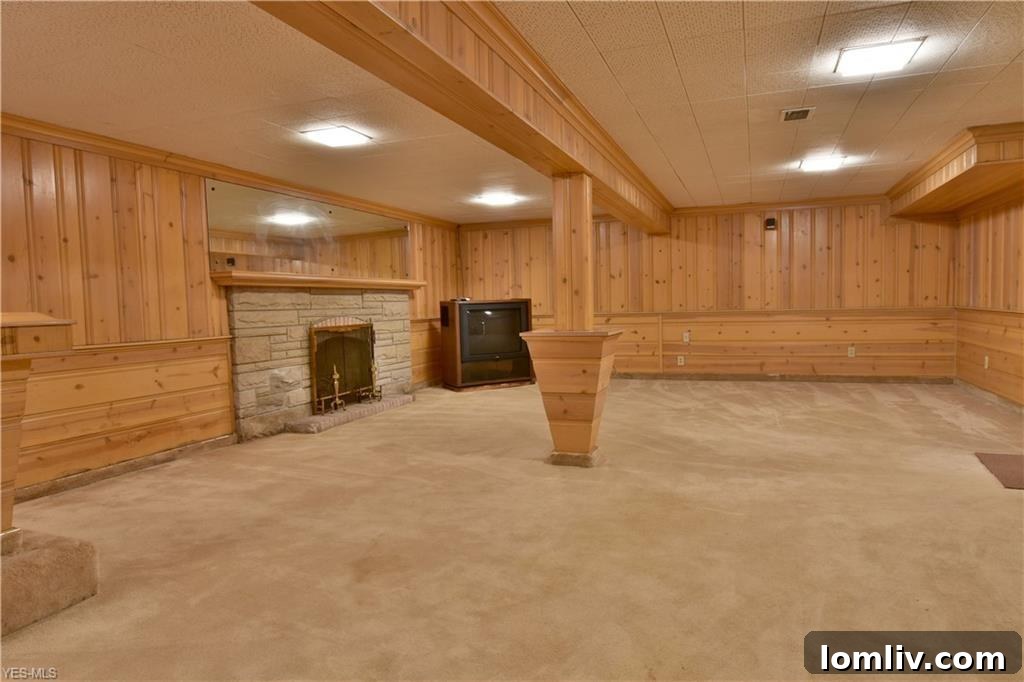
This Youngstown, Ohio home stands as a unique testament to a bygone era, where suburban tranquility could mask a hidden world of crime and intrigue. It’s a property that continues to spark curiosity, inviting new owners to become part of its ongoing narrative. The legacy of Joey Naples and the dramatic discovery of his secret room imbue this Midcentury Ranch with a character that few other homes can claim. It’s not just a house; it’s a historical artifact, a conversation starter, and a tangible piece of true crime lore.
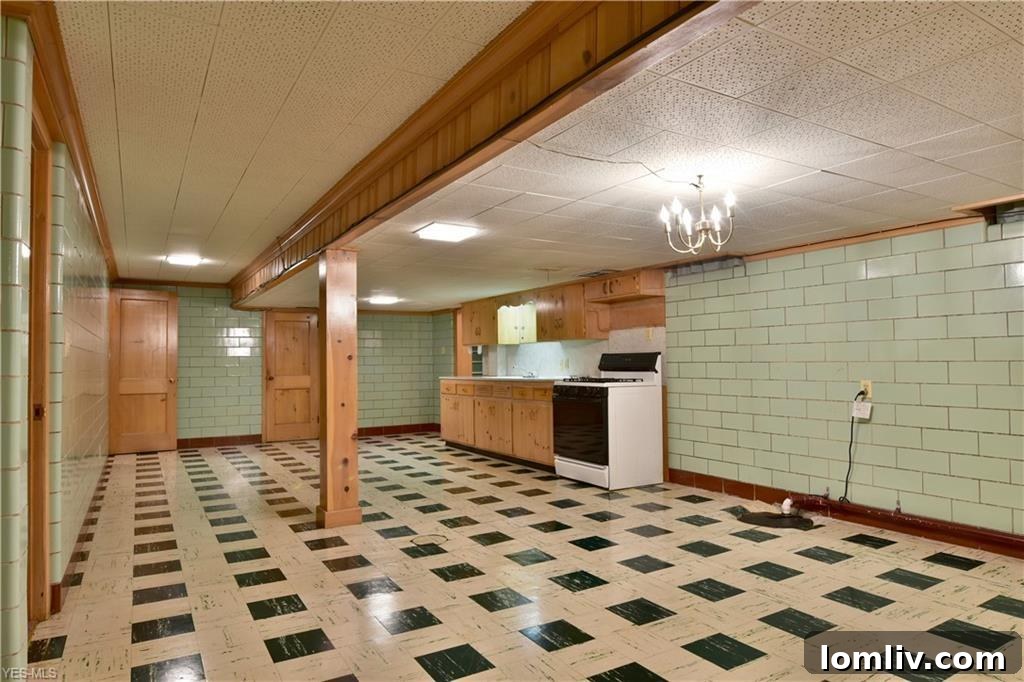
While the house recently had a pending offer, its story remains evergreen. For those who relish the thought of owning a property with a deeply fascinating, potentially illicit past – a former mob house complete with the tantalizing possibility of a secret room in the basement – and who are prepared for the unique conversation it will undoubtedly inspire, this Youngstown, Ohio residence offered a rare opportunity. Keep an eye on the market for similar unique properties, or for any changes in the status of this particular listing. Should you be interested in exploring the details of this specific property, and if your budget exceeds $129,000, you can review its past listing details and location via resources like Realtor.com. The world of real estate is full of surprises, and some homes truly do tell the most extraordinary stories.
Intrigued by more unusual properties and their compelling histories? Dive into other fascinating stories and peculiar listings by clicking here for more captivating “Wednesday WTF” features: Explore More Wednesday WTF.