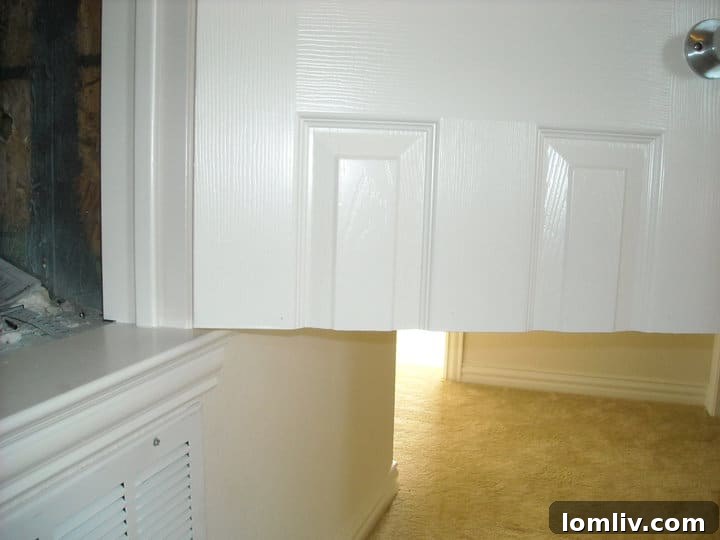
Mastering the Art of Cutting a Door: A Comprehensive Guide to Precision and Perfection
The satisfaction derived from a perfectly executed home improvement project is truly unparalleled. In the realm of renovations and upgrades, door modifications often emerge as a crucial task, particularly when it involves cutting a door to achieve that ideal fit, integrate new design elements, or perform necessary repairs. The common query that frequently arises among both enthusiastic DIYers and seasoned professionals is: ‘Can this intricate task be accomplished with precision and effectiveness?’ The unequivocal and resounding answer, time and again, is a confident **’Yes, they did.’** This in-depth article is designed to meticulously explore the multifaceted process of cutting a door, delving into the essential ‘how-to’ techniques, the underlying ‘why’ behind such modifications, and the critical considerations that are absolutely paramount for ensuring a successful, seamless, and aesthetically pleasing outcome. Whether you’re adjusting for new flooring, adding a pet door, or simply aiming for a bespoke aesthetic, understanding the nuances of door cutting is the first step towards achieving professional results.
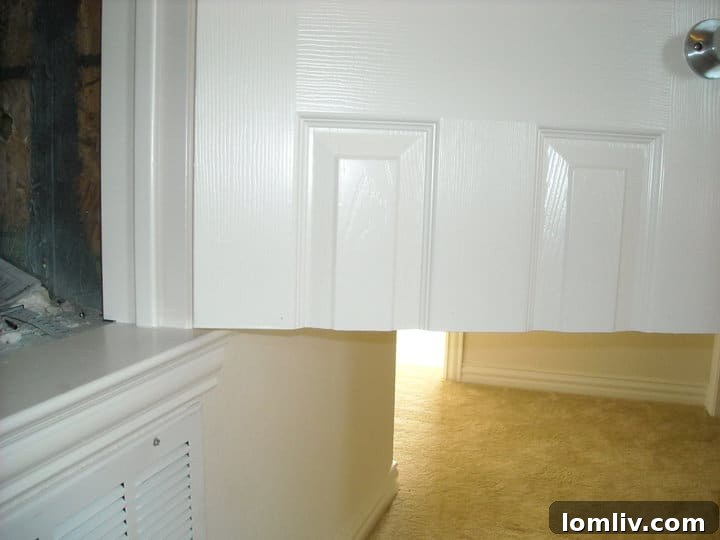
Why Would You Need to Cut a Door? Understanding the Common Scenarios
Before diving into the mechanics of door cutting, it’s essential to understand the various circumstances that necessitate such an alteration. The reasons are diverse and often driven by practical needs or aesthetic enhancements:
- New Flooring Installation: One of the most common reasons. When new carpet, hardwood, or tile flooring is installed, the existing door may drag, preventing it from opening and closing smoothly. Trimming the bottom edge provides the necessary clearance.
- Out-of-Square Door Frames: Older homes, in particular, often have door frames that are not perfectly square. A new door might need to be trimmed at an angle or along one side to fit snugly within an uneven frame.
- Adding Custom Features: This includes cutting openings for pet doors, mail slots, decorative glass inserts, or even ventilation grilles. These modifications add functionality and personalized touches to a door.
- Repairing Damaged Edges: If the bottom or side edge of a door is damaged due to water, rot, or impact, trimming off the compromised section can be a viable repair solution, followed by appropriate sealing.
- Architectural Design Changes: Sometimes, a door needs to be reshaped for a specific architectural design, such as creating an arch top or a unique panel shape, though these are more complex alterations.
- Standardization and Fit: In some cases, pre-hung doors might be slightly off standard dimensions, requiring minor adjustments to fit a specific rough opening or to ensure consistency across multiple doorways.
Decoding Door Types: How Different Materials Affect the Cutting Process
Not all doors are created equal, and understanding their construction is paramount before initiating any cuts. The type of door dictates the appropriate tools, techniques, and potential challenges:
Hollow Core Doors: Lightweight and Manageable
Hollow core doors are the most common interior doors, characterized by an outer skin of plywood or MDF (medium-density fiberboard) covering a honeycomb cardboard or minimal wood frame interior. They are lightweight and relatively inexpensive.
- Cutting Considerations: They are easier to cut, but care must be taken to avoid splintering the thin outer skin. The interior void means you can only remove a limited amount from the edges (typically 1 to 2 inches) before exposing the hollow core.
- Tools: A sharp circular saw with a fine-tooth blade or a track saw is ideal.
- Post-Cut Treatment: After cutting, it’s crucial to re-insert a small piece of wood into the hollow edge to provide structural integrity and a solid surface for hinges or latch plates, especially if significant material was removed.
Solid Core Doors: Durable and Demanding
Solid core doors feature a particleboard or engineered wood core, making them heavier, more durable, and offering better sound insulation than hollow core doors. They resemble solid wood doors in feel but are generally more stable and less prone to warping.
- Cutting Considerations: These doors are denser and require more effort to cut. They are less prone to splintering but demand a powerful saw and a sharp, high-quality blade. You have more flexibility in how much material can be removed from their edges.
- Tools: A powerful circular saw, track saw, or even a table saw is recommended. A sharp, carbide-tipped blade is essential for a clean cut.
- Post-Cut Treatment: Their solid nature means less concern about exposed voids, but edges should still be sanded smooth and sealed for protection.
Solid Wood Doors: Traditional and Robust
Composed entirely of solid timber, these doors are the heaviest, most durable, and often the most expensive. They offer excellent soundproofing and thermal insulation.
- Cutting Considerations: Solid wood doors can be challenging to cut due to their density and the potential for tear-out, especially with cross-grain cuts. The type of wood (hardwood vs. softwood) will also influence the difficulty.
- Tools: A high-quality circular saw with a sharp, fine-tooth blade, or a table saw, is best. A track saw is highly recommended for straight, clean cuts.
- Post-Cut Treatment: Edges must be sanded meticulously and sealed or finished to prevent moisture absorption and maintain the door’s integrity and appearance.
Essential Tools for Precision Door Cutting
Having the right tools is half the battle when aiming for a professional finish. Here’s a list of indispensable equipment:
- Measuring Tape and Pencil: For accurate measurements and marking cut lines.
- Straightedge or Level: Crucial for drawing perfectly straight cut lines. A long, sturdy ruler or a carpenter’s level works well.
- Clamps: To secure the door and your straightedge/guide for safe and stable cutting.
- Circular Saw or Track Saw: The primary cutting tool. A track saw is superior for long, straight cuts as it guides the saw precisely. A good quality circular saw with a sharp, fine-tooth blade (60-80 teeth) can also yield excellent results when paired with a reliable straightedge.
- Jigsaw (Optional): Useful for cutting curves or interior openings, such as for pet doors, after drilling pilot holes.
- Router (Optional): Excellent for creating clean, uniform rebates or rounding over edges, especially for hinge mortises or custom profiles.
- Utility Knife or Scoring Tool: To score the cut line, particularly on veneered or laminated doors, preventing splintering.
- Sanding Blocks or Electric Sander: For smoothing rough edges after cutting. Various grits of sandpaper will be needed (e.g., 80-grit for initial shaping, 120-180 grit for finishing).
- Safety Gear: Safety glasses, hearing protection, and dust mask are non-negotiable.
- Workhorses or Stable Surface: To support the door securely during the cutting process.
Step-by-Step Guide to Precisely Cutting a Door
Follow these steps carefully to ensure a clean, accurate cut and a professional finish:
- Remove the Door: Carefully take the door off its hinges. If cutting a new, uninstalled door, support it securely on sawhorses.
- Measure Accurately:
- For bottom clearance: Place the door back in its frame (without hinges) or prop it up. Measure the gap between the bottom of the door and the finished floor. Account for any new flooring thickness. The standard gap for interior doors is typically 1/2 inch to 3/4 inch. Mark the desired cut line clearly with a pencil.
- For side/top cuts: If the door needs to be narrowed or shortened from the top, measure the exact dimension needed, taking into account the frame’s dimensions and any existing hinge or latch recesses.
- Mark the Cut Line: Use a long, straightedge or level and a sharp pencil to draw a precise, continuous line across the entire width or length of the door where the cut is needed. Double-check all measurements.
- Score the Cut Line (Crucial for Veneered Doors): To prevent splintering, especially on hollow core and veneered solid core doors, use a utility knife or scoring tool to make a shallow cut along your marked line. Apply firm, steady pressure. This creates a clean break point for the saw blade.
- Prepare for Cutting:
- Lay the door securely on sawhorses or a stable workbench, ensuring the cut line is clear of obstructions and supported.
- Use clamps to firmly attach a straightedge or a track saw guide directly along your marked line, making sure it’s offset correctly for your saw’s base plate. The blade should just kiss the waste side of your scored line.
- For circular saws, consider placing painter’s tape along the cut line on the ‘good’ side of the door to further minimize tear-out.
- Make the Cut:
- Put on your safety glasses and hearing protection.
- Set your saw blade depth correctly (it should only be slightly deeper than the door’s thickness).
- Start the saw before it touches the door, and then slowly and steadily push it through the material. Maintain a consistent speed and pressure. Avoid rushing or forcing the saw, as this can lead to uneven cuts and tear-out.
- If using a circular saw, ensure the saw’s shoe remains flush against your clamped straightedge throughout the cut.
- Smooth the Edges: Once the cut is complete, remove any clamps and gently sand the freshly cut edge. Start with a coarser grit (e.g., 80 or 100) to remove any burrs or small imperfections, then move to finer grits (120 or 150) for a smooth finish. Ensure the edge is flat and free of splinters.
- Address Hollow Core Edges (If Applicable): If cutting a hollow core door and exposing the hollow interior, cut a small strip of wood (e.g., 1×2 or 1×1) to fit snugly into the void along the cut edge. Glue it in place with wood glue and clamp it until dry. This provides a solid edge for future hardware and prevents crushing.
- Refinish and Rehang: Seal or paint the newly cut edge to match the rest of the door. Once dry, rehang the door, testing its swing and ensuring proper clearance.
Safety First: Crucial Precautions for Door Cutting
Working with power tools demands respect and adherence to safety protocols. Neglecting safety can lead to serious injury:
- Wear Personal Protective Equipment (PPE): Always wear safety glasses or goggles to protect against flying debris. Hearing protection (earmuffs or earplugs) is essential, especially when using circular saws for extended periods. A dust mask is advisable to avoid inhaling sawdust.
- Secure the Workpiece: The door must be firmly clamped to sawhorses or a workbench. A moving door during a cut is extremely dangerous and will result in an inaccurate, potentially harmful situation.
- Use Sharp Blades: Dull blades don’t cut; they tear and bind, increasing the risk of kickback and splintering. Always use a sharp, clean blade appropriate for the material (fine-tooth for wood and veneer).
- Set Blade Depth Correctly: The saw blade should only extend slightly below the thickness of the door (about 1/4 inch). Excessive blade exposure increases kickback risk.
- Maintain a Clean Work Area: Keep your workspace free of clutter, loose cords, and anything that could trip you or interfere with the saw’s movement.
- Read Tool Manuals: Familiarize yourself with your specific power tool’s operation, safety features, and warnings.
- Never Force the Saw: Let the saw do the work. Forcing it can lead to kickback, poor cuts, and overheating the motor.
- Unplug When Not in Use: Always unplug your power tools when changing blades, making adjustments, or when you’re done using them.
Common Mistakes and How to Avoid Them
Even experienced DIYers can make mistakes. Being aware of these pitfalls can save you time, money, and frustration:
- Inaccurate Measurements: The most common error. “Measure twice, cut once” is a mantra for a reason. Always double-check your measurements from multiple points.
- Ignoring Splintering: Not scoring the cut line or using a dull blade can result in unsightly tear-out, especially on veneered doors. Always score and use a sharp, fine-tooth blade.
- Not Supporting the Cut-Off Piece: If the piece being cut off is not supported, it can break off prematurely, causing tear-out or binding the blade. Ensure good support on both sides of the cut.
- Rushing the Cut: A quick cut is often a poor cut. Maintain a steady, deliberate pace to allow the blade to work efficiently and cleanly.
- Improper Blade Selection: Using a rough-cutting blade (e.g., for framing) on a finished door will result in a messy, splintered edge. Always choose a fine-tooth blade.
- Forgetting to Seal Edges: Especially for exterior doors or those in high-moisture areas, unsealed edges are an invitation for moisture damage and rot. Always seal or paint cut edges.
- Cutting Too Much: It’s easier to remove more material than to add it back. If unsure, cut slightly less than you think you need, and then test the fit. You can always trim a little more.
DIY vs. Professional: When to Call an Expert
While cutting a door can be a rewarding DIY project, there are situations where calling a professional is the wiser choice:
- Expensive or Antique Doors: If you’re working with a high-value, custom, or irreplaceable antique door, the risk of irreparable damage outweighs the cost savings of DIY.
- Complex Cuts: Tasks like creating arched tops, intricate panel cut-outs, or extensive reshaping require specialized tools and skills that most DIYers may not possess.
- Lack of Proper Tools: If you don’t have access to the recommended power tools (like a circular saw with a track or a table saw) and aren’t comfortable renting or buying them, a professional can complete the job safely and efficiently.
- Time Constraints: If you’re on a tight schedule or simply don’t have the time to dedicate to careful measurement and cutting, a pro can get the job done quickly.
- Uncertainty: If you’re feeling hesitant, unsure about the door type, or overwhelmed by the process, it’s best to consult a carpenter or door specialist.
The Finishing Touches: Sealing and Painting for Longevity
Once your door is perfectly cut and smoothly sanded, the final steps are crucial for its longevity and aesthetic appeal. Neglecting proper finishing can lead to moisture damage, warping, or an unfinished look.
- Cleaning: Before applying any finish, wipe down the newly cut edge with a tack cloth or a slightly damp cloth to remove all sawdust and debris. Allow it to dry completely.
- Priming: Apply a good quality wood primer to the cut edge. Primer helps seal the wood, prevents moisture absorption, and provides a uniform base for paint, ensuring better adhesion and a smoother final coat. For exterior doors, use an exterior-grade primer.
- Painting or Sealing: Once the primer is dry, apply your chosen paint or clear sealant. If matching existing paint, ensure you use the same type and color. Apply thin, even coats, sanding lightly with fine-grit sandpaper (220-grit) between coats if necessary, especially for a very smooth finish. For natural wood doors, a clear polyurethane or varnish will protect the wood while highlighting its grain. Ensure all sides and edges are fully covered, as unfinished areas are vulnerable points.
- Reinstallation and Testing: Allow the finish to cure completely according to the manufacturer’s instructions before reinstalling the door. Once hung, operate the door several times to ensure it swings freely without rubbing and that all hardware (hinges, latch) functions correctly.
Conclusion: Achieving Door Cutting Excellence
The journey to successfully cutting a door, whether for functional adjustment or aesthetic enhancement, is one that demands precision, patience, and the right approach. From understanding the nuances of different door materials to selecting the appropriate tools, meticulously measuring, executing clean cuts, and prioritizing safety, each step plays a vital role. The initial question, “Can it be done effectively?” has been thoroughly addressed. With the comprehensive knowledge and detailed steps outlined in this guide, you are now equipped to confidently tackle the task of cutting a door. Indeed, with careful planning and execution, you too can achieve professional-grade results and affirm, **’Yes, I did.’** A perfectly fitted and finished door not only enhances the functionality of your space but also adds a touch of craftsmanship and enduring value to your home.