Navigating the Unprecedented Surge in Home Building Costs: A Crisis for Homebuyers and Builders Alike
The landscape of home construction has been dramatically reshaped by an unforeseen and relentless surge in building material costs. This phenomenon, frequently discussed and widely felt across the industry, marks a period where the expense of essential construction materials has reached historic highs. From the initial framing to the final finishes, every aspect of home building is now subject to cost pressures that challenge conventional budgeting and contractual agreements.
This economic reality casts a long shadow over the entire spectrum of residential real estate. Whether it’s an entry-level starter home or a high-end custom-built mansion, home builders across all price points are grappling with unprecedented financial strain. The critical question emerges: what happens when the actual cost of materials far exceeds the sales price initially agreed upon in a contract? How much responsibility falls on the builder, and what recourse do frustrated homebuyers have?
A poignant case illustrating this crisis recently emerged from North Texas. In a special investigative report, CBS 11 highlighted the story of Tim and Debbie Dickens, a couple building their dream home in Weatherford. Their experience with builder Kim Paschal took an unexpected turn when, with their home nearing completion, they were informed of a substantial additional sum due—a staggering $200,000 above their initial contract price.
“I believed we had signed a builder’s agreement to construct my dream home for the price stipulated in our contract,” expressed Tim Dickens, still reeling from the shock. “I never anticipated that unforeseen costs would surface at the last minute, inflating the price by an additional $200,000—never in my wildest dreams.” This sentiment echoes the frustration of countless homebuyers suddenly facing an uncertain future for their most significant investment.
The Soaring Cost of Lumber: A Major Culprit
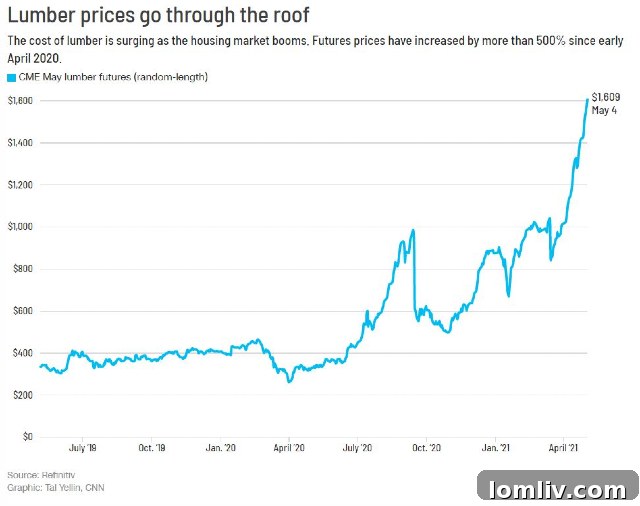
The primary driver behind these escalating costs has been the dramatic spike in lumber prices. According to Phil Crone of the Dallas Builders Association, lumber prices alone witnessed an astounding increase of over 180 percent since the preceding spring. This exponential rise translates directly into significant financial burdens for new construction. Crone estimates that this increase alone has added more than $24,000 to the price of an average new single-family home, fundamentally altering project economics for builders and affordability for buyers.
The reasons behind this surge are multifaceted, stemming from a perfect storm of factors. Global supply chain disruptions exacerbated by the pandemic, unexpected spikes in demand for home renovations and new construction as people sought larger living spaces, and labor shortages in mills and transportation sectors have all contributed to a strained market. Tariffs on imported lumber have also played a role, further limiting supply and driving up domestic prices. This confluence of events has made accurate cost forecasting virtually impossible for builders, forcing them into difficult positions.
The Builder’s Predicament and Contractual Realities
For builders like Kim Paschal, the financial implications of these rising costs are stark and often devastating to their profit margins. “This house I initially sold for $525,000 is now projected to cost me $750,000 to build,” Paschal explained to CBS 11. “What course of action can I take? The only viable option is to approach the customer and acknowledge the existence of a significant problem.” Building at such a substantial loss is simply unsustainable for any business, regardless of size or reputation.
In the Dickens’ case, Paschal reportedly offered to sell the home to them at cost, attempting to mitigate their loss. However, even this “at cost” price remained $200,000 higher than the original contractual figure, making it financially unfeasible for the Dickens family. Faced with this impasse, Paschal resorted to a measure that is becoming increasingly prevalent in the current volatile market: exercising a “no cause” clause within the builder’s contract. This contractual provision allowed Paschal to terminate the agreement and walk away from the project, leaving the homebuyers in a precarious situation.
“No Cause” Clauses: A Growing Trend and Legal Perspective
The utilization of “no cause” or similar cancellation clauses in builder contracts is not a new phenomenon; these provisions have long been a standard component of construction agreements. However, real estate attorney Rachel Khirallah notes that builders are now exercising these clauses with unprecedented frequency. This trend reflects the extreme volatility of material costs, which builders must account for to protect their businesses from crippling losses.
These clauses in builder contracts are not new. Builders are just exercising them more now than ever before. These provisions serve as a critical safeguard for builders against the unpredictable fluctuations in material prices. Moreover, in a rapidly appreciating housing market, these clauses inadvertently allow builders to capitalize on rising property values by re-listing homes at significantly higher prices.
Khirallah emphasizes, “They are employing these clauses because they recognize the potential to secure a more favorable deal in the current market.” This dynamic creates a challenging environment for homebuyers, who may find themselves outbid on a home they were already under contract to purchase.
The implications of such clauses extend beyond material costs. They often cover scenarios like labor shortages, permitting delays, or even a builder’s strategic decision to re-evaluate their project portfolio. While legally sound, the ethical considerations arise when a homeowner has invested emotionally and financially in the home’s progress, only to have their dream abruptly halted or repriced out of reach. It underscores the profound power imbalance that can exist between builders and individual homebuyers.
Protecting Your Investment: Essential Advice for Homebuyers
In this turbulent market, the onus is increasingly on homebuyers to exercise extreme vigilance and proactive measures to protect their interests. Rachel Khirallah strongly advises that all prospective new home buyers engage a qualified lawyer to meticulously review any builder contract *before* signing. This legal scrutiny is paramount, as many standard builder contracts are drafted heavily in favor of the builder.
However, Khirallah also acknowledges a challenging reality: given the current intense demand in the housing market, most builders are reluctant, if not outright unwilling, to enter into a contract without some form of cancellation or escalation clause. This situation leaves buyers with limited leverage but makes expert legal advice even more crucial.
Beyond legal review, homebuyers should consider several key strategies:
- Understand Contract Types: Differentiate between fixed-price contracts (where the builder assumes more risk for cost increases) and cost-plus contracts (where the buyer pays the actual cost of materials plus a builder’s fee, inherently carrying more risk). Buyers should push for as much of a fixed-price agreement as possible, with clearly defined allowances for finishes.
- Negotiate Escalation Clauses: If a cancellation or escalation clause is unavoidable, try to negotiate caps on price increases or specific conditions under which the clause can be invoked. For instance, can it only be triggered by a certain percentage increase in material costs, or does it require demonstrable attempts by the builder to mitigate these costs?
- Contingency Funds: Be prepared for potential increases by setting aside a contingency fund. While not ideal, it can provide a buffer against unexpected cost adjustments.
- Detailed Specifications: Ensure the contract includes highly detailed specifications for all materials, fixtures, and finishes. Vague language can lead to substitutions or upcharges later.
- Timeline and Milestones: A clear construction timeline with defined milestones can help buyers track progress and identify potential delays early.
- Independent Inspections: Schedule independent inspections at various stages of construction, not just at completion.
The Broader Impact on the Housing Market and Future Outlook
The current environment of volatile material costs and builder contract terminations has broader implications for the entire housing market. It can erode consumer confidence in new home construction, potentially driving more buyers towards existing homes, further intensifying demand in that segment. It also highlights a systemic issue where the construction industry struggles to absorb external economic shocks, passing much of the risk onto the end-user.
Industry associations, policymakers, and builders are undoubtedly exploring solutions to bring more stability to the market. This might include advocating for policies that address supply chain issues, encouraging innovative building materials, or fostering more transparent and balanced contractual agreements. However, the path to long-term stability is complex and requires concerted effort from all stakeholders.
Conclusion: Navigating Uncertainty in the Quest for Homeownership
The dream of homeownership remains a cornerstone of the American ethos, but the journey to building a new home has become fraught with unprecedented challenges. The story of Tim Dickens and Kim Paschal serves as a stark reminder of the financial and emotional toll exacted by soaring building material costs and increasingly common contractual cancellations. While builders must protect their businesses, homebuyers must, more than ever, become informed and assertive advocates for their own interests.
As the market continues to evolve, vigilance, legal counsel, and a thorough understanding of contractual nuances are no longer optional but essential. Navigating the modern home building process requires a strategic approach, ensuring that the aspiration of a dream home does not become a financial nightmare. By understanding the risks and preparing accordingly, future homeowners can better arm themselves against the unpredictable tides of the current real estate and construction landscape.