Beating the Texas Heat: Our HVAC Emergency and the Rise of R2-D2
There are certain homeownership nightmares that loom large, and for many, an HVAC system failure during a scorching summer is at the top of the list. But what could make such an ordeal even worse? Try adding a major holiday weekend into the mix. This, dear readers, was precisely the perfect storm that brewed in our household as we approached the Fourth of July, turning what should have been a relaxing celebration into a desperate scramble for coolness. Our trusty, albeit aging, 19-year-old heating, ventilation, and air-conditioning unit finally gave up the ghost, succumbing to the relentless, unforgiving Texas heat.
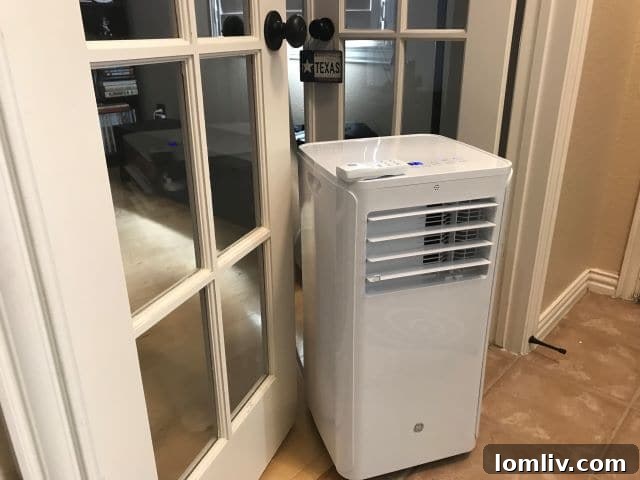
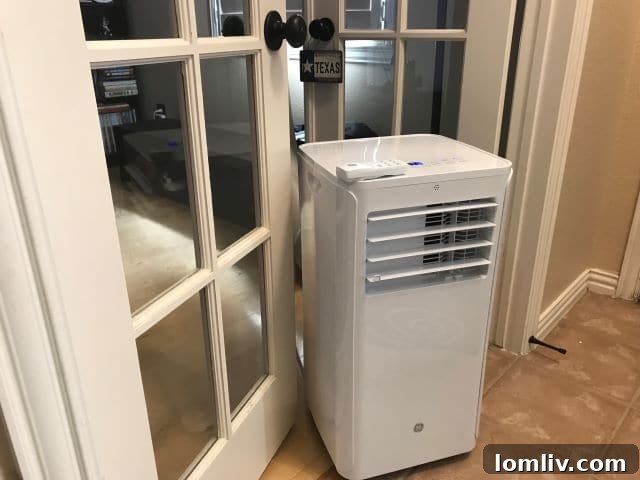
In the heart of summer, especially in a state known for its extreme temperatures, a functioning air conditioning unit isn’t just a luxury; it’s a necessity for comfort, health, and sanity. The sudden silence from our main system meant an immediate and drastic change in our living conditions. Without a moment to spare, we found ourselves strategizing for survival, confined to just a few rooms of our house, desperately seeking refuge. Our unlikely savior emerged in the form of a portable A/C unit, a compact marvel that, with its cylindrical design and whirring sounds, bore an uncanny resemblance to R2-D2, the beloved Star Wars droid. This plucky little machine, against all odds, truly came to our rescue, proving that sometimes, salvation comes in the most unexpected packages.
The Unfolding Crisis: A Summer Nightmare Begins
The first sign of trouble often creeps in subtly, a hint before the full-blown emergency. For us, it was a Thursday afternoon, and I was immersed in work in my home office when an unsettling odor began to permeate the air. It was a distinct smell of ozone, perhaps melting plastic – the kind of scent that immediately triggers an internal alarm. We meticulously checked every obvious culprit, from electrical outlets to kitchen appliances, but the acrid smell persisted, growing stronger and more pervasive. Soon after, a more palpable problem emerged: the air around us was noticeably warmer.
A quick glance at the thermostat confirmed our fears. The digital display stubbornly showed a temperature several degrees higher than its preset level, a damning indicator of an impending disaster. My wife, Brigitte, ever the pragmatist and the daughter of a seasoned builder, immediately suspected the core issue. She ventured into the attic, the often-overlooked sanctuary of our HVAC unit, hoping to find a simple explanation. From her perspective, everything appeared fine – no visible leaks, no overt signs of distress. Yet, the house continued its slow, inexorable climb towards sauna-like conditions. In a final attempt at a quick fix, she manually reset the circuit breaker, a common troubleshooting step for many electrical issues. We held our breath, but the hopeful click of the breaker provided no relief; the house continued to heat up, signaling that this was no minor hiccup.
The timing couldn’t have been worse. With a long holiday weekend just hours away, the prospect of a professional repair seemed increasingly dim. The Fourth of July, a time for barbecues, fireworks, and family gatherings, was quickly transforming into a sweltering ordeal. The knowledge that repair services would be overbooked, emergency call-out fees would skyrocket, and the sheer unavailability of technicians loomed large, adding layers of stress to an already dire situation. This wasn’t just an inconvenience; it was a crisis threatening to derail our entire holiday and plunge our home into uncomfortable, even dangerous, temperatures.
The Quest for a Solution: Navigating the HVAC Maze
With the Texas heat intensifying and the holiday weekend rapidly approaching, our primary concern shifted to finding a qualified professional. Our first instinct was to call our usual A/C guy, a technician we’d relied on for years. However, the response was curt and disheartening. He answered, but his tone immediately conveyed the overwhelming demand he was facing. His business, he explained, was so brisk that his phone’s voicemail box was overflowing with SOS messages, faster than he could possibly clear them. It became abundantly clear that securing his services, even for a long-standing customer, was simply not an option in this unprecedented rush. This moment underscored the brutal reality of a system breakdown during peak season – technicians are scarce, and emergencies are plentiful.
Undeterred, we turned to our network. A longtime friend, who had recently gone through a similar ordeal with her own 18-year-old system, proved invaluable. She enthusiastically recommended “New A/C Guy,” who, serendipitously, lived nearby. This referral proved to be our golden ticket. While New A/C Guy was also incredibly busy, the power of a personal recommendation still carries significant weight in the service industry, especially in the competitive HVAC game. It wasn’t long before he made his way to our sweltering home, a beacon of hope in a sea of rising temperatures.
Upon his arrival, New A/C Guy quickly got to work, meticulously inspecting our ailing unit. His diagnosis, initially delivered in a rapid-fire sequence of HVAC-specific jargon, was eventually translated into terms we could understand. He explained that our unit’s coil or condenser had finally given out. This crucial component, responsible for heat exchange, had failed, causing the entire system to “freeze up.” The subsequent melting ice led to excessive condensation, which unfortunately dripped directly onto the unit’s circuit board. This cascade of events resulted in a short circuit, creating the burnt plastic smell that had first alerted us to the problem. He then dropped another bombshell: replacing the faulty parts was an option, but it would necessitate the use of Freon, a refrigerant that is increasingly difficult, expensive, and environmentally problematic to procure. He advised us that a more forward-looking and efficient solution would be to replace the entire unit with a modern, 14-SEER (Seasonal Energy Efficiency Ratio) or above system, far more “juiced” and energy-efficient than the relic currently residing in our attic.
The writing was on the wall. While the news of a full replacement was daunting, we had, in truth, anticipated its demise for some time. We were now sweating profusely, both from the heat and the financial implications, as New A/C Guy quoted us approximately $8,300 for a brand-new unit. With few viable options and the mercury continuing its ascent, we gave him a clammy thumbs-up, accepting the inevitable. However, our relief was short-lived. He then delivered the crushing news: he couldn’t schedule the installation until Tuesday. “Tuesday!” we gasped, the word hanging heavy in the hot air. While it felt like an eternity, we knew if that was the best he could do, that was simply the reality we faced. Then, with genuine concern etched on his face, he asked softly, “What are y’all going to do? Where are you going to stay? Until Tuesday?” His question underscored the gravity of our situation, and we could only reply that we would “figure something out,” a vague promise we weren’t entirely sure how to keep.
Survival Strategies: Battling the Texas Heat
As the Texas sun continued to beat down relentlessly and our house transformed into an oven, my initial resolve to “figure something out” quickly morphed into sheer desperation. The heat wasn’t just uncomfortable; it was oppressive, making even simple tasks feel monumental. My mind raced through every possible scenario for temporary relief. I checked local hotels, only to find that five nights would cost upwards of $80 per night, a significant unplanned expense. Perhaps a window unit, I mused? The thought of our HOA’s strict rules momentarily crossed my mind, but at that point, I honestly didn’t care. Comfort, even temporary, trumped all aesthetic or bureaucratic concerns.
With a glimmer of hope, I headed to the local home improvement store – the one that conveniently rhymes with “crows.” As I navigated the aisles, a promising sight greeted me: a lineup of upright portable AC units. They rolled around effortlessly on casters, each equipped with a flexible hose designed to draw in outside air. It was a potential solution, a temporary reprieve, and a far more cost-effective one than a hotel stay. I focused on one model, noting its cooling power of 5800 British Thermal Units (BTUs). While the precise meaning of BTU ratings was somewhat abstract to me at the time, I instinctively knew that this unit, priced significantly lower than five nights in a hotel, represented our best chance for immediate relief.
I brought our new acquisition home, and Brigitte, ever the capable one, took on the task of assembly. A few choice words were muttered about typos and convoluted diagrams in the instruction manual, but soon enough, our little “R2-D2” was up and running. This compact, cylindrical hero was designed to cool approximately 250 square feet, a space perfectly suited for our home office. In our 2,366-square-foot suburban home, it meant we could create a pocket of comfort, a sanctuary from the pervasive heat. The transformation was immediate and profound. The whirring of the fan and the gentle blast of cool air provided an instant psychological and physical reprieve. We quickly adapted our living arrangements, congregating in the cooled office, a testament to the unit’s unexpected efficacy. The experience even sparked a fleeting, practical thought: To recoup some costs, should I sell this portable A/C once our new main HVAC system is installed? But the idea was quickly dismissed. Who, after all, could part with their R2-D2? Much like Obi-Wan Kenobi’s iconic words, this R2-D2 had indeed become our only hope.
Lessons Learned and Future Preparedness
This unexpected HVAC emergency served as a harsh but valuable lesson in homeownership. The breakdown of our 19-year-old unit underscored the critical importance of regular HVAC maintenance. While we had performed routine filter changes, a deeper, professional inspection might have identified the impending coil or condenser failure sooner, potentially allowing for a less stressful and costly repair, or at least giving us advanced notice to plan for a replacement. Preventative measures, such as annual check-ups, can significantly extend the lifespan of a system and often prevent catastrophic failures during the most inconvenient times.
Furthermore, this ordeal highlighted the necessity of having emergency plans for major home appliance failures. When essential systems like HVAC or plumbing give out, especially during holidays or peak seasons, resources can become scarce and expensive. Having a contingency fund, knowing reputable local service providers in advance, or even investing in a reliable portable cooling solution like our “R2-D2” can make a world of difference. It’s about preparedness, not just for the appliance itself, but for the immediate impact on your family’s comfort and safety.
The conversation with our New A/C Guy also offered insight into modern HVAC systems and their benefits. Understanding SEER ratings, for instance, became crucial. A higher SEER rating indicates greater energy efficiency, which translates directly to lower utility bills and a reduced environmental footprint. Upgrading from an older unit to a 14-SEER or higher model isn’t just about replacing a broken part; it’s an investment in long-term efficiency, comfort, and sustainability. The phase-out of certain refrigerants like Freon further emphasizes the need to stay informed about industry standards and environmental regulations.
Finally, the entire experience reinforced the immense value of a good, reliable HVAC technician – and the power of referrals. In a crisis, having someone you can trust, even if they are swamped, is invaluable. Our New A/C Guy’s professionalism, clear communication, and genuine concern transformed a stressful situation into a manageable one, even with the installation delay. Building relationships with reputable service providers before an emergency strikes is a proactive step every homeowner should consider.
Finding Comfort Amidst the Chaos
Our journey from a sweltering home on a holiday weekend to finding temporary comfort with our portable A/C unit was certainly an unexpected adventure. The breakdown of our long-serving HVAC system was a stark reminder of the challenges that come with homeownership, especially in a region defined by its intense summer heat. Yet, amidst the frustration and the frantic search for solutions, we found resilience and a surprising amount of relief in our little cylindrical hero, the portable unit we affectionately dubbed R2-D2.
As we await the installation of our shiny new, energy-efficient HVAC system, the lessons learned from this emergency will undoubtedly stay with us. It was a costly and inconvenient experience, but one that ultimately taught us about preparedness, the value of reliable service, and the sheer ingenuity of modern cooling technology. And as for our R2-D2, it has earned its permanent place in our household, a symbol of unexpected salvation and a reliable backup should we ever find ourselves battling the Texas heat again. Here’s to staying cool, come what may.