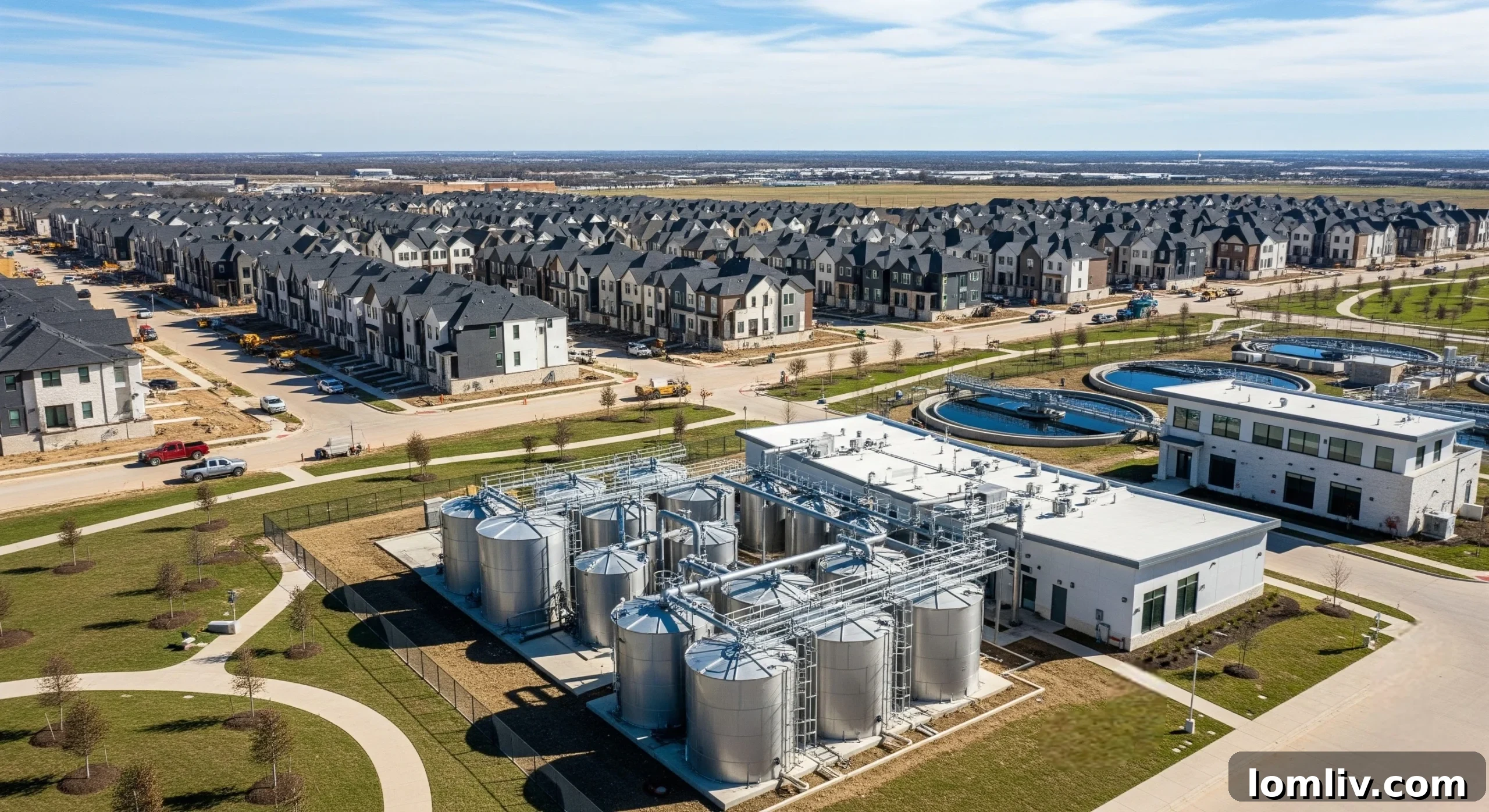
In the fiercely competitive landscape of modern real estate development, project timelines are constantly under pressure. A critical, yet frequently overlooked, factor that can derail even the most meticulously planned ventures is often related to utility infrastructure, particularly wastewater readiness. Across the nation, and especially in high-growth states like Texas, innovative solutions are emerging to address this bottleneck. New modular wastewater treatment systems, including advanced Membrane Bioreactor (MBR) based plants, are empowering developers to maintain project schedules, meet burgeoning demand, and uphold environmental stewardship by protecting local waterways and precious aquifers. This represents a smarter, cleaner, and more agile approach to sustaining the rapid pace of development.
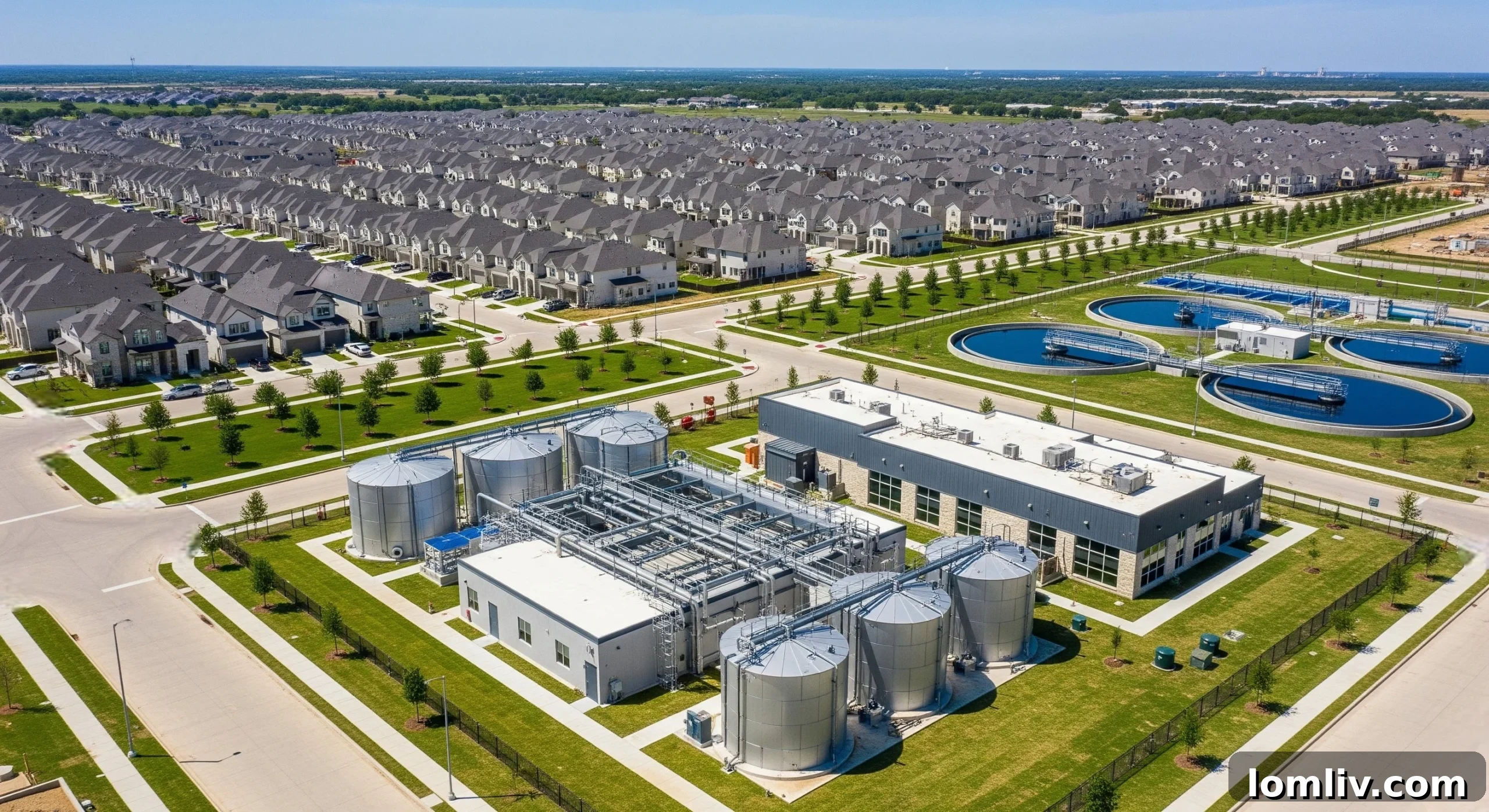
Texas stands as a beacon of economic expansion and population influx in the United States. Between 2022 and 2023 alone, the state witnessed the addition of an astonishing 12.6 million new housing units, with several of its cities and towns consistently ranking among the fastest-growing in the nation. Metropolitan areas, such as the expansive Dallas-Fort Worth (DFW) metroplex, continue to experience insatiable demand for both residential and commercial properties. Yet, beneath this veneer of prosperity lies a significant challenge for developers: the availability and capacity of essential municipal infrastructure. When existing water and wastewater systems reach their limits, or when connections are simply unavailable in new development zones, building permits can stall indefinitely. The most robust market demand in the world cannot overcome a fundamental lack of utility capacity, bringing even the most promising development projects to a grinding halt.
The Unprecedented Strain on Wastewater Infrastructure in Texas
The Dallas-Fort Worth region exemplifies this challenge perfectly. With an average of over 150,000 new residents annually, and a staggering 177,922 individuals moving in between 2023 and 2024, the sheer volume of growth puts immense strain on municipal utilities. These legacy systems, often decades old, were never designed to accommodate such rapid and sustained expansion. While this influx of population fuels economic opportunity and potential revenue for developers, it concurrently creates a critical bottleneck in infrastructure provisioning.
Developers often find themselves in a challenging predicament. Even after successfully navigating complex zoning and land-use approvals, they may discover that connecting to the existing municipal infrastructure is not feasible for years to come. Centralized wastewater treatment plant upgrades and expansions are colossal civil engineering undertakings. These projects demand extensive capital planning, multi-year permitting processes, and lengthy construction timelines. City planners and utility districts are undeniably working diligently to extend services to new developments. However, the inherent complexity and scale of centralized infrastructure improvements mean that for developers operating on tight schedules and under significant financial pressure, this bottleneck can lead to costly project delays, affect profitability, exacerbate housing shortages, and impede regional economic growth. The traditional model simply cannot keep pace with the modern growth velocity of Texas.
Modular Treatment: A Dynamic Solution for Accelerated Development
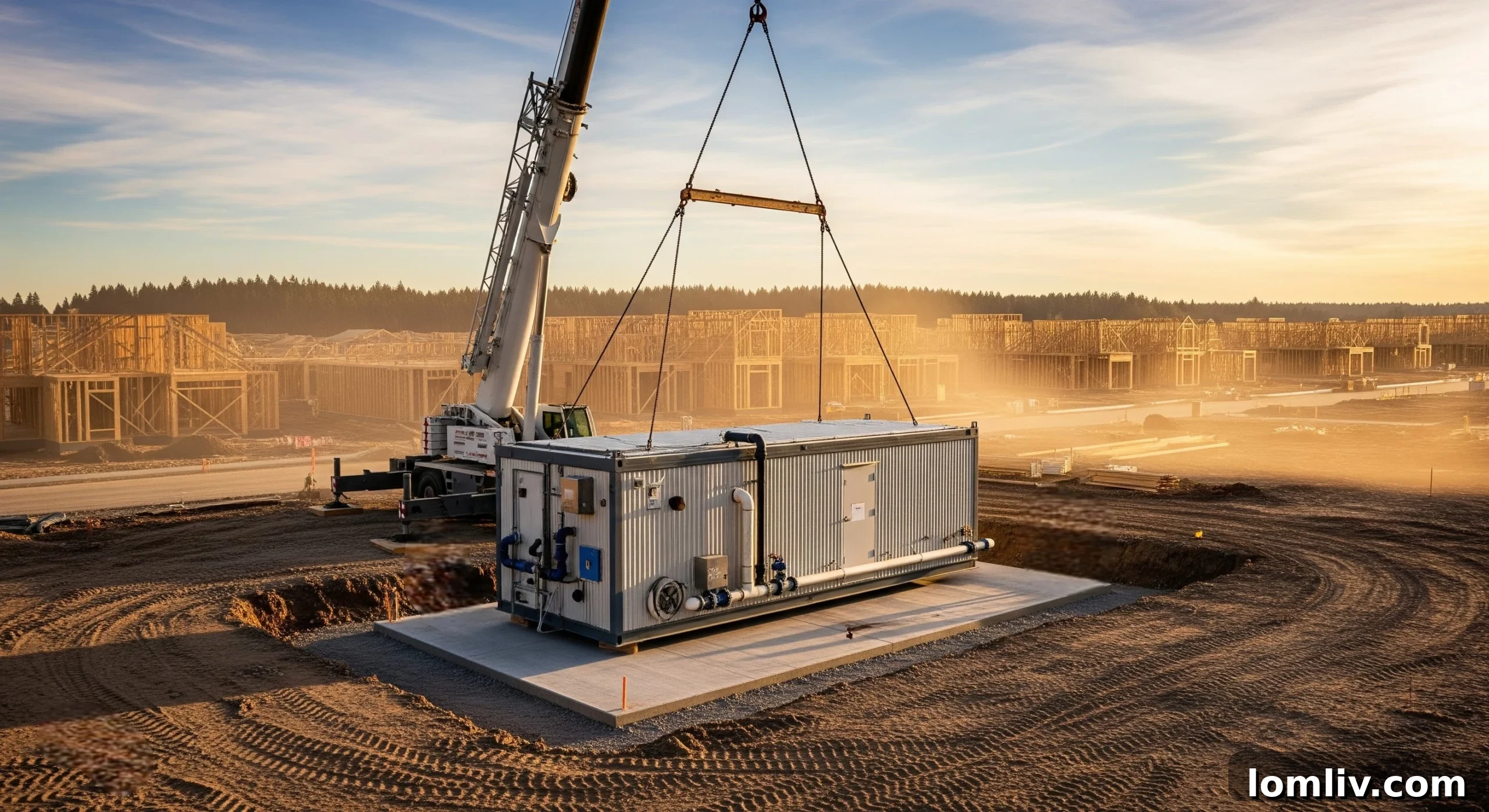
To circumvent these infrastructure hurdles and keep projects advancing, forward-thinking developers are increasingly adopting modular, decentralized water infrastructure installed directly on-site. These compact wastewater treatment systems represent a significant leap forward in utility provision. Characterized by their small physical footprint, these systems ingeniously integrate advanced technologies, such as Membrane Bioreactor (MBR) systems, to achieve optimal efficiency and produce exceptionally high-quality treated water. MBR technology, in particular, is renowned for producing effluent that not only meets but often surpasses the stringent standards set by the U.S. Environmental Protection Agency (EPA) and the Texas Commission on Environmental Quality (TCEQ).
Understanding the difference in effluent quality is crucial for developers concerned with environmental compliance, public health, and potential water reuse. While conventional activated sludge (CAS) systems have long been the industry standard, MBR technology significantly elevates treatment performance. Here’s a comparative overview of key effluent quality parameters:
- Turbidity (Clarity): Conventional systems typically produce effluent with turbidity ranging from 2.0 to 5.0 NTU (Nephelometric Units), often appearing visibly cloudy and requiring further filtration for higher-grade uses. In stark contrast, MBR systems consistently achieve ultra-low turbidity levels, often below 0.1 NTU. This exceptional clarity positions MBR effluent to meet rigorous reuse standards, such as California’s Title 22.
- Suspended Solids (TSS): With CAS, treated wastewater usually contains 10 to 20 mg/L of suspended solids, indicative of secondary effluent quality with visible particles. MBR systems, however, virtually eliminate suspended solids, reporting non-detectable levels, typically less than 1.0 mg/L. This superior removal is critical for reducing fouling in downstream equipment and enhancing water reuse potential.
- Bacteria Removal: Conventional treatment generally achieves a 1-2 log reduction (90-99%) in bacteria, necessitating high-dose disinfection for public health protection. MBR technology delivers a dramatically superior performance, achieving a 4-6 log reduction (99.99%+). This makes MBR an effective physical barrier against pathogens, significantly improving the safety of discharged or reused water.
- Biochemical Oxygen Demand (BOD): CAS systems typically reduce BOD to 10-15 mg/L, meeting standard NPDES (National Pollutant Discharge Elimination System) compliance requirements but generally not suitable for unrestricted reuse. MBR systems consistently lower BOD to less than 5.0 mg/L, demonstrating superior organic removal. This high-grade effluent is readily suitable for various unrestricted reuse applications, contributing to sustainable water management.
The inherent modularity of these systems also allows for seamless scalability. Developers can initiate a project with a smaller system designed to meet immediate wastewater treatment needs, confident in the flexibility to expand capacity by simply adding more modules as the development progresses and demand increases. This adaptability is particularly advantageous for phased developments, where infrastructure needs evolve over time. Given that these compact systems are pre-engineered and meticulously factory-built, their deployment is remarkably rapid, often taking mere months rather than the years associated with traditional centralized infrastructure. Furthermore, by situating these treatment facilities near the communities they serve, the need for extensive civil works, lengthy pipeline installations, and large land allocations is significantly reduced, yielding substantial savings in both time and capital.
For large-scale projects such as master-planned communities, burgeoning build-to-rent neighborhoods, dynamic mixed-use developments, and expansive industrial campuses, these modular, decentralized systems are not just an alternative; they are an essential enabler. They effectively unlock valuable land parcels that would otherwise remain dormant and undeveloped, waiting indefinitely for conventional utility connections to become available. This strategic advantage allows developers to capitalize on market demand without being constrained by municipal infrastructure timelines.
Why MBR Systems Are Ideally Suited for the North Texas Market
In rapidly expanding regions like North Texas, where water resources are precious and growth is relentless, MBR systems offer a multitude of strategic advantages for developers and the environment:
- Superior Effluent Quality and Water Reuse Potential: The ultra-clean output from MBR systems is of such high quality that it can be safely and effectively reused for non-potable purposes, such as irrigation of landscaping, common areas, and even agricultural applications. This not only conserves potable water supplies but also protects local groundwater resources and aids in achieving crucial sustainability goals, a growing imperative for communities and regulators.
- Compact Footprint: Land is a developer’s most valuable asset. MBR systems require significantly less space than conventional treatment facilities, freeing up precious acreage for revenue-generating uses like homes, commercial buildings, or green spaces, thereby maximizing the economic return on investment.
- Scalability for Phased Development: The modular nature of MBR plants perfectly aligns with the staged development models common in large-scale projects. Developers can precisely match treatment capacity to the absorption rates of their projects, optimizing capital expenditure and ensuring that infrastructure keeps pace with construction without over-investing upfront.
- Rapid Deployment and Expedited Project Timelines: The factory-built nature of MBR systems dramatically reduces on-site construction time and complexity. This enables quick installation, ensuring that wastewater infrastructure is ready when needed, keeping projects aligned with critical financing, construction, and sales schedules, thus minimizing costly delays.
- Environmental Stewardship and Regulatory Compliance: By producing exceptionally clean effluent, MBR systems help developers meet and exceed environmental regulations, fostering a reputation for responsible development and avoiding potential fines or public opposition associated with environmental non-compliance.
While modular, decentralized treatment plants initially gain traction as a practical workaround when municipal utility connections are delayed or unavailable, developers are increasingly recognizing these systems as robust, long-term infrastructure solutions. They are not merely temporary fixes but can be integrated seamlessly into the broader municipal network should those connections become available in the future. This dual functionality offers both immediate relief and future-proofed adaptability.
Maintaining Momentum While Safeguarding Texas’ Natural Resources
Ultimately, the sustained growth of North Texas and other high-demand regions must be supported by infrastructure that is as dynamic and responsive as the market itself. Modern, modular wastewater systems provide developers with the agility to maintain crucial momentum during periods of intense demand, while simultaneously affording municipalities the essential breathing room required for long-term strategic planning and traditional infrastructure expansion. This collaborative approach ensures that growth is both rapid and sustainable.
In today’s competitive real estate market, proactive and innovative planning is everything. By strategically integrating scalable wastewater solutions like MBR technology into the early stages of a development strategy, developers can confidently check off the box for utility readiness. This not only mitigates significant project risks but also contributes to the creation of resilient, environmentally responsible communities that thrive well into the future. Embracing modular wastewater solutions is not just about overcoming current challenges; it’s about building a sustainable foundation for tomorrow’s growth in Texas and beyond.