Preston Center Development: Navigating Growth, Zoning, and Community Outcry in Dallas
The urban landscape of Dallas is in constant flux, a dynamic canvas where the aspirations of growth often clash with the preservation of community character. Recently, the city has witnessed a surge in contentious development proposals, sparking significant debate and drawing the attention of both long-time residents and influential figures. From the proposed Sams Wholesale Club near Cityplace, which has ignited fierce opposition from over a thousand residents, to the hotly contested Highland House project in Preston Center, development disputes are shaping the dialogue around Dallas’s future.
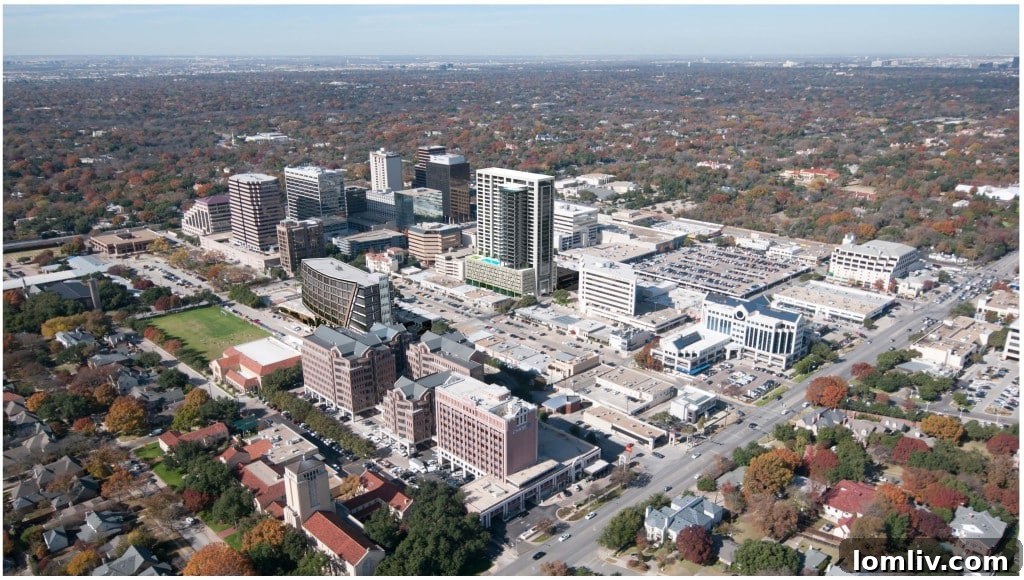
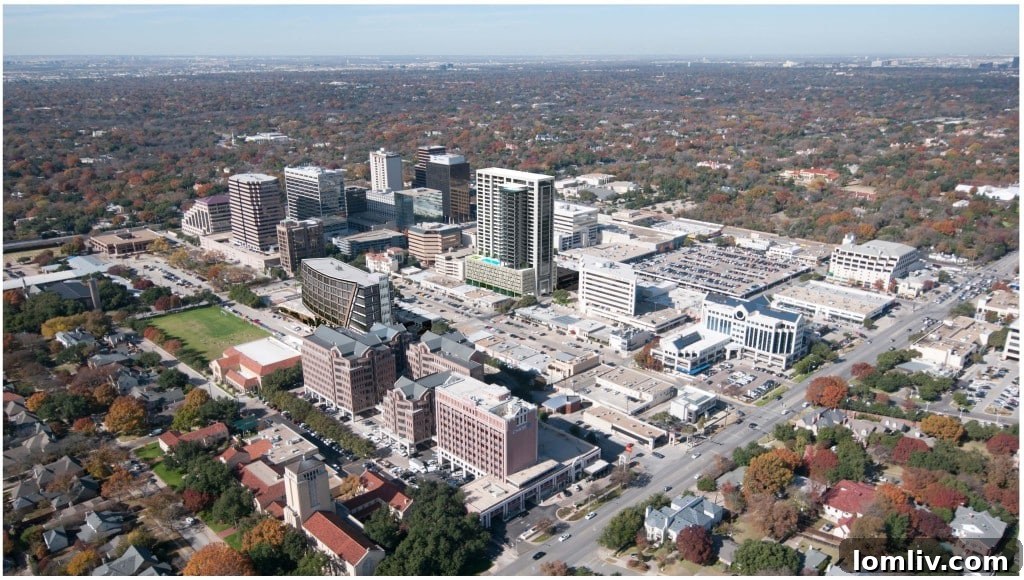
At the heart of many of these discussions lies Preston Center, a bustling commercial hub that has evolved from a modest retail corner into a pivotal economic district. Its strategic location makes it a prime target for developers, yet its proximity to established residential neighborhoods, particularly University Park and Preston Hollow, ensures that every new proposal is met with intense scrutiny. This delicate balance between fostering economic growth and safeguarding residential tranquility is currently epitomized by the Highland House controversy, a saga that has not only captivated local media but also drawn prominent political voices, including former Dallas mayor Laura Miller and her husband, Steve Wolens, alongside former District 13 councilman Mitchell Rasansky.
The Highland House Project: A Flashpoint for Dallas Zoning Debates
The Highland House project, a proposed luxury residential high-rise, has become a central point of contention in Preston Center. Developers seek to construct a 23-story, 200-unit complex on Westchester Drive, intending to replace a 55-year-old, three-story medical building currently occupying the site. While developers tout the project as a modern enhancement to the area, many residents, especially those in the affluent Preston Hollow neighborhood, view it with apprehension, fearing its potential impact on traffic, infrastructure, and the overall character of their community.
The controversy intensified when former Mayor Laura Miller and Steve Wolens, who reside in the vicinity, publicly challenged the developer’s adherence to zoning notification requirements. Appearing before the City Plan Commission (CPC), Miller argued passionately that The Crosland Group, the developer behind Highland House, had failed to properly display the mandatory zoning signs designed to inform the public of the impending zoning case. According to Miller, this lapse left many Preston Hollow neighbors “in the dark” about what would be the first high-rise residential building constructed in that district since the 1980s, thereby violating a critical city ordinance.
Her direct statement to the commissioners — “The sign has not been posted, and it’s a violation of the ordinance” — underscored the gravity of the alleged oversight. Miller and Wolens urged the CPC to either delay or deny the rezoning application, emphasizing the commission’s obligation to uphold established city regulations and ensure transparent public engagement in development processes. Their presence and articulate arguments, drawing on years of civic experience, undeniably lent significant weight to the community’s concerns.
Developer’s Response and the CPC’s Decision
Rick Williamson, executive vice president of The Crosland Group, dismissed the sign issue as “silly,” asserting that the signs had been posted over a year prior and regularly checked by the development team. This stark contrast in perspectives highlighted a common disconnect between developers, who often focus on procedural compliance, and residents, who prioritize meaningful notification and community input. Despite the developer’s stance, the City Plan Commission, swayed by Miller’s compelling testimony and the evidence presented, acknowledged the validity of the procedural concerns. Consequently, the CPC was compelled to postpone the hearing until June 19, demonstrating the critical role of public accountability in urban planning. This delay offered a temporary victory for the opposing residents and underscored the importance of diligent adherence to all regulatory requirements.
Laura Miller’s Resurgence: A Former Mayor’s Influence on Urban Planning
Laura Miller’s re-emergence into the public discourse surrounding Preston Center’s development is particularly noteworthy. As a former mayor of Dallas, her understanding of city ordinances, zoning procedures, and the political landscape is unparalleled. Her willingness to personally sign affidavits and speak before the City Plan Commission underscores the depth of her concern for the character of her neighborhood and the integrity of the city’s development processes. Her involvement transforms a local zoning dispute into a broader discussion about governance and public trust. Her presence, alongside husband Steve Wolens, a respected legal figure, and Mitchell Rasansky, a former city councilman, formed a formidable front against what they perceived as a procedural bypass by the developer. This coalition of experienced civic leaders amplified the community’s voice, ensuring that the commission took the notification concerns seriously.
Comparing Approaches: Highland House vs. Transwestern
In contrast to the contentious Highland House situation, Miller offered positive feedback for another potential Preston Hollow development by Transwestern. She commended Transwestern for their proactive and transparent approach, noting that they had correctly handled their notification process. This included gathering neighbors, providing detailed project descriptions, and fostering an environment of open communication. This distinction is crucial, as it illustrates that community opposition is not inherently against all development but rather against development perceived as poorly managed or disrespectful of established protocols.
The differing contexts of these two projects further illuminate the nuances of urban development. The Highland House project is situated almost centrally within the Preston Center commercial district, an area primarily composed of businesses and commercial entities. Its “required area” for notification, as defined by city ordinances, predominantly covers commercial properties, making it seemingly less impactful on direct residential neighbors compared to a project nestled deeply within a residential neighborhood. However, even commercial developments can have significant ripple effects on nearby homes, particularly concerning traffic congestion, visual impact, and strain on public services.
The Transwestern project, by Miller’s account, is more directly “nestled in a residential neighborhood.” This difference in location fundamentally alters the community engagement expectations and the perceived impact on residents. Developers in such areas are often expected to go above and beyond minimal notification requirements, engaging in extensive outreach and dialogue to mitigate concerns and build consensus. While The Crosland Group did hold several town hall meetings for Highland House, the controversy around the formal zoning signs suggests that the communication efforts, for some, were insufficient or improperly executed, especially regarding official procedural steps.
The Core Debate: Neighborhood Influence Over Commercial Centers
The Preston Center disputes raise a fundamental question that resonates in urban centers across the globe: How much influence should residential neighborhoods exert over local commercial centers? If you live within a mile or two of a commercial area like Preston Center, which for many residents functions as an extended “corner shopping center” that has simply grown over time, what rights do you possess to control its evolution? This query delves into complex issues of property rights, urban planning philosophy, economic development, and community identity.
On one hand, residents argue for the right to preserve their neighborhood’s character, prevent increased traffic, maintain property values, and ensure a high quality of life. They contend that unchecked commercial expansion can degrade the very qualities that make a residential area desirable. This perspective often highlights the symbiotic relationship between residential and commercial zones, where one’s decline can negatively impact the other. They advocate for a planning process that prioritizes community input and seeks a balanced, harmonious integration of new developments.
On the other hand, developers and proponents of urban growth emphasize the need for economic vitality, increased housing density, and the efficient use of urban land. They argue that commercial centers are inherently dynamic and must evolve to meet the changing needs of a growing city. Restricting development too heavily, they contend, can stifle economic progress, drive up housing costs, and limit opportunities for urban renewal. From this viewpoint, commercial districts, by their nature, attract higher density and activity, and residents choosing to live nearby must accept a certain level of urban dynamism.
The case of Preston Center, which grew organically from a “little corner retail” into a significant commercial hub, perfectly encapsulates this tension. The boundaries between residential tranquility and commercial vibrancy become increasingly blurred, necessitating careful consideration of how far neighborhood control should extend. This is not merely about a single building; it’s about defining the future identity of a key Dallas district and setting precedents for how future development dialogues will unfold across the city.
The Role of City Planning and Zoning Commissions
The decisions made by bodies like the City Plan Commission are crucial in mediating these often-polarized interests. Their role is to interpret zoning ordinances, evaluate development proposals against the city’s comprehensive plan, and consider public input. The CPC’s decision to postpone the Highland House hearing, based on procedural grounds raised by community members, underscores its commitment to due process and highlights the power of informed civic engagement. Such actions reinforce public trust in city governance and ensure that developers adhere strictly to all regulatory requirements.
The Future of Dallas Development: Balancing Progress and Preservation
As Dallas continues its rapid expansion, the debates surrounding projects like Highland House and Transwestern will undoubtedly persist. These discussions are more than just about individual buildings; they represent a continuous negotiation between progress and preservation, economic opportunity and community character. The ongoing dialogue around Preston Center serves as a vital case study, illustrating the complexities of urban development in a thriving metropolitan area. It highlights the indispensable role of active citizenship, transparent governance, and thoughtful planning in shaping a city that can accommodate growth while honoring the fabric of its diverse communities. The outcome of the Highland House hearing, and indeed the broader conversation it ignited, will have lasting implications for how Dallas navigates its future development challenges and ensures that its growth benefits all its residents.