Navigating Urban Life: From Road Repairs to Landscaping Mishaps at Preston/Royal
The rhythm of urban life is a constant symphony of construction, maintenance, and the subtle dance of daily routines. Few places exemplify this more vividly than the bustling intersection of Preston Road and Royal Lane, a central artery and vibrant hub in one of Dallas’s most esteemed neighborhoods. For months, residents and commuters alike navigated a landscape of orange cones, heavy machinery, and narrowed lanes, patiently enduring the necessary inconvenience of vital road repairs. The collective sigh of relief was almost palpable when, seemingly overnight, the barricades vanished, and the newly paved asphalt gleamed under the Texas sun. The restoration of smooth traffic flow brought a renewed sense of order and efficiency to our daily lives, signaling a welcome return to normalcy.
However, the narrative of urban upkeep is often one of continuous evolution, where one challenge gives way to another, sometimes in unexpected forms. Just as the community began to fully recuperate from the prolonged roadwork, a new, albeit smaller, disruption emerged, drawing attention to the meticulous details of property development and the collective responsibility required to maintain our shared spaces. This time, the scene unfolded just around the corner, where the promise of a gleaming new home brought with it a momentary lapse in care, illustrating that even the smallest acts can have an impact on the public realm.
The End of an Era: Road Rehabilitation at Preston/Royal
The intersection of Preston Road and Royal Lane is more than just a crossing point; it’s a vital nexus connecting residential enclaves with commercial centers, schools, and essential services. For months, this significant corridor was under the knife, undergoing extensive road rehabilitation that tested the patience of thousands. Drivers became accustomed to the sight of construction crews diligently working, often battling the relentless Texas heat, to improve the very foundation of our daily commutes. The project involved everything from utility upgrades beneath the surface to the laying of fresh asphalt, a comprehensive undertaking designed to enhance safety, durability, and traffic flow for years to come. While these improvements are undeniably crucial for maintaining the infrastructure of a growing city like Dallas, the process itself brought considerable challenges.
Traffic congestion became a daily reality. Lanes were perpetually blocked or re-routed, transforming once-swift journeys into tedious crawls. Local businesses, heavily reliant on easy accessibility, felt the pinch of reduced customer footfall. Residents experienced increased noise levels and dust, a constant reminder of the ongoing work just outside their doors. The community, however, largely understood the necessity of these improvements, demonstrating a collective resilience. We adapted, found alternative routes, and mentally factored extra time into our schedules, all with the anticipation of a smoother, safer road ahead. The day the construction equipment finally rolled away, leaving behind pristine lanes and functional signals, was met with widespread relief. It felt like emerging from a long, arduous tunnel into the clear light of day, a testament to the community’s patience and the hard work of the crews involved. The sense of restored order and the ease of unimpeded travel were genuine causes for celebration among those who navigate this area daily.
The Daily Commute Transformed: A Test of Patience and Planning
For individuals like myself, whose routines are anchored around the Preston/Royal area, the roadwork was a constant presence, dictating not just routes but even mood. Returning home from a trip, expecting the usual navigation hurdles, and finding the construction site miraculously cleared was a moment of genuine, albeit minor, triumph. The transformation was swift and complete; the once-fragmented lanes now seamlessly flowed, inviting a sense of ease that had been absent for too long. It was a stark reminder of how deeply infrastructure impacts our daily quality of life, often unnoticed until it’s either broken or undergoing repair. The newfound fluidity of traffic represented more than just efficient driving; it symbolized the diligent investment in community resources, promising smoother rides and reduced commute times for everyone traversing this critical part of Dallas.
New Beginnings and New Challenges: Construction Boom in Dallas Neighborhoods
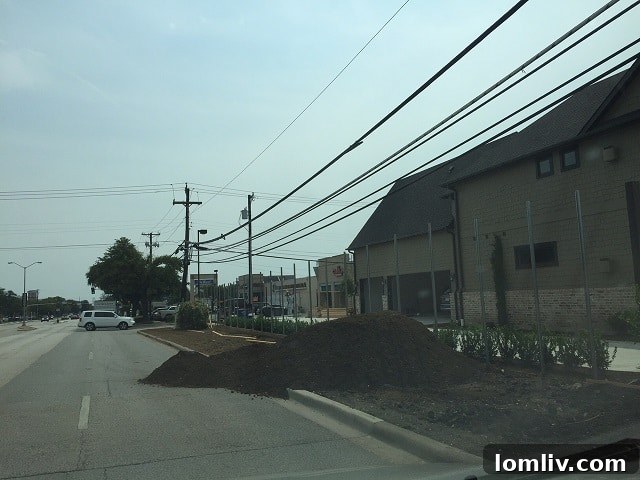
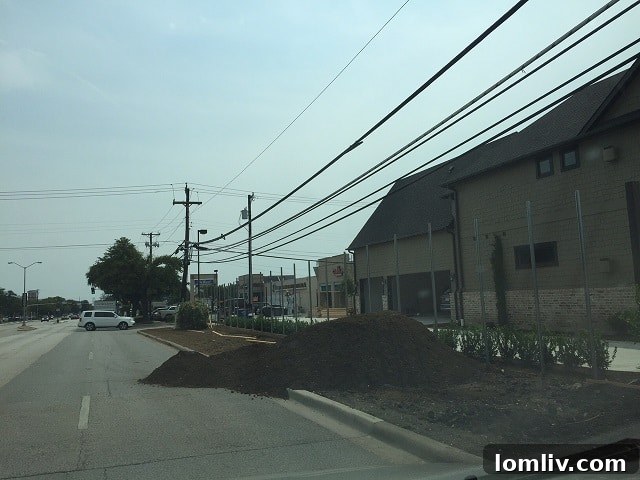
No sooner had the dust settled from the major roadwork than the dynamic cycle of urban development presented another scene. Property development in the Preston/Royal area, like much of Dallas, is a continuous process, characterized by both revitalization and new construction. On a prominent corner, I believe it was Preston and Burgundy, a new home was taking shape. The property was a testament to the ongoing demand for high-quality residential spaces in the area, signaling growth and investment. Every construction site is a flurry of activity, from framing to roofing, plumbing to electrical, each phase bringing it closer to becoming a cherished home. One of the final, yet crucial, stages involves landscaping – transforming the raw earth around a structure into a verdant, welcoming environment. This process typically involves bringing in various materials: sod, plants, and, most importantly, nutrient-rich topsoil to create the ideal foundation for a vibrant garden.
The Crucial Role of Landscaping and the Importance of Site Management
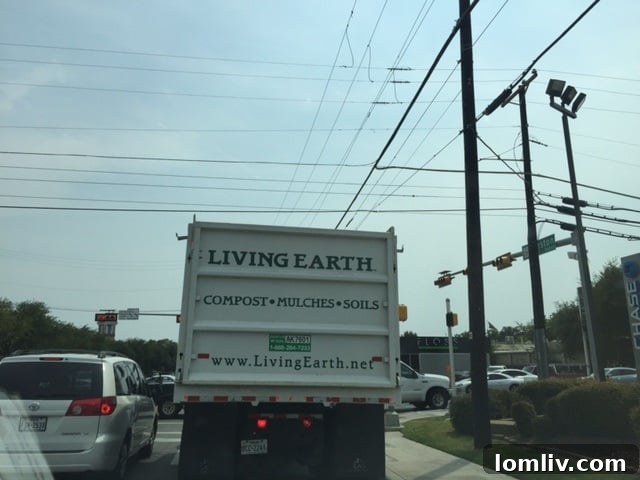
Landscaping is not merely an aesthetic endeavor; it’s an integral part of property development that contributes to environmental health, erosion control, and overall curb appeal. The delivery of materials like topsoil is a routine aspect of this process. It requires careful planning, skilled handling, and a commitment to site management, especially when the work abuts public pathways or roads. On this particular day, a truck laden with dark, rich topsoil arrived at the construction site. These deliveries are a common sight, as builders strive to enhance the beauty and functionality of their properties. However, what happened next was a vivid illustration that even routine operations can go awry without proper oversight, leading to minor but noticeable disruptions to the public space that the community cherishes.
An Unforeseen Obstacle: The Topsoil Tangle on Preston Street
The incident itself was swift and somewhat startling. As I drove down Preston Road, navigating the now-familiar lanes post-construction, I found myself directly behind a landscaping truck, presumably en route to or from the aforementioned construction site. Without warning, and seemingly due to a lack of secure containment or an overly zealous dump, a significant quantity of rich, dark topsoil began to spill from the truck. It wasn’t a mere handful of dirt; it was a substantial amount, easily a quarter of the truck’s load, cascading onto the clean, freshly paved street. The scene unfolded rapidly, leaving a long, brown streak against the grey asphalt. The contrast was immediate and stark: the clean street, just recently restored to its pristine condition, was now marred by an unexpected deposit of earth.
My immediate reaction was one of surprise, followed by a fleeting frustration. Here was a street that had just undergone months of painstaking repair, finally free of debris and obstruction, only to be instantly soiled by an act that felt preventable. The topsoil, while innocuous in itself, became a symbol of careless execution. It lay there, spread across a section of the lane, creating a visual blight and, more importantly, a potential minor hazard. While it certainly wasn’t a major obstruction like the roadwork itself, it represented a lapse in the meticulous care that defines well-managed urban environments. This seemingly small incident served as a potent reminder that the upkeep of our shared spaces relies not only on large-scale infrastructure projects but also on the conscientious actions of individuals and contractors within the community.
Beyond the Immediate Mess: Environmental and Safety Considerations
While a pile of dirt might seem trivial, its presence on a public road carries several implications. Environmentally, loose topsoil can become airborne, contributing to dust pollution, or be washed into storm drains during rain, potentially clogging systems or impacting local water quality. Safety-wise, a sudden deposit of loose material on a roadway, especially during less-than-ideal weather conditions, could create a slippery surface for motorcyclists or cyclists, or even cause minor loss of traction for vehicles. At the very least, it creates an unnecessary mess that requires public resources to clean up. This incident underscores the importance of proper load securing and site management protocols for all construction and landscaping companies operating in public areas. A simple tarp or more careful loading could have easily prevented this minor but noticeable disruption, preserving the cleanliness and safety of the newly improved thoroughfare.
A Community’s Vigilance: Observing and Advocating for Our Streets
Witnessing the incident firsthand, directly behind the truck, I felt a familiar pang of helplessness. My hands were on the steering wheel, navigating traffic, making it impossible to quickly grab my phone to document the scene. This common modern dilemma – the fleeting nature of minor incidents before they can be recorded – highlights the role of individual observation in urban environments. Most people, myself included, simply want to see our community thrive, to enjoy clean, well-maintained streets and public spaces. When small acts of carelessness disrupt this ideal, it elicits a shared sense of mild annoyance. It’s not about seeking retribution, but about a collective desire for respect for our shared environment. The ability to quickly capture and report such incidents, even minor ones, can be a powerful tool for community accountability, encouraging better practices and preventing future occurrences.
Fostering a Culture of Care: Collective Responsibility for Urban Upkeep
This event, though minor in the grand scheme of things, serves as a poignant reminder that the beauty and functionality of our urban landscapes are a shared responsibility. While city departments manage major infrastructure, it is the cumulative effect of individual and corporate actions that truly shapes the daily experience of living in a neighborhood. From construction crews ensuring their loads are secure to residents properly disposing of waste, every action contributes to the overall cleanliness and appeal of the community. Fostering a culture of care means being mindful of the impact of our work on public spaces, understanding that our activities, no matter how small, resonate beyond the boundaries of a private property line. It’s about recognizing that a clean street is not just an aesthetic luxury but a sign of a well-functioning, respectful community.
Conclusion: The Continuous Evolution of Our Shared Spaces
The journey from enduring months of extensive road repairs at Preston/Royal to witnessing a small, yet significant, topsoil spill on the freshly paved street encapsulates the ongoing dynamic of urban living. It’s a testament to the continuous evolution of our shared spaces, where periods of significant infrastructure investment are followed by the daily minutiae of property development and maintenance. The rapid completion of the roadwork was a victory for efficiency and community patience, a clear indicator of progress. Yet, the subsequent incident with the spilled topsoil quickly shifted focus to the importance of attention to detail and civic responsibility at a more granular level. Both scenarios, in their own ways, underscore the delicate balance between progress and preservation, development and daily upkeep.
Ultimately, a thriving urban environment like the one around Preston/Royal isn’t merely built by grand projects; it’s nurtured by a collective commitment to cleanliness, safety, and respect for public spaces. Each resident, each contractor, and each city department plays a crucial role in maintaining the integrity and appeal of our streets. As we move forward, the hope remains that the lessons from both the extensive repairs and the minor mishaps will contribute to an even more conscious and harmonious approach to shaping the vibrant tapestry of our beloved Dallas neighborhoods.