In a pivotal decision for the future of Dallas public education, the Dallas Independent School District (ISD) board of trustees unanimously voted 9-0 to approve an amended bridge plan. This critical initiative is set to inject much-needed financial resources into revitalizing several long-neglected schools and significantly expand access to Pre-K classrooms across the district. While this approval marks a significant step forward, it simultaneously underscores the monumental challenges that Dallas ISD continues to face in addressing systemic issues of infrastructure decay, overcrowding, and educational equity.
The bridge plan, though celebrated for its immediate positive impact, is widely acknowledged as merely a preliminary measure – a “drop in the bucket” compared to the extensive needs of the sprawling district. The rigorous discussions and compromises leading to its approval highlight the profound disparity between available funds and the urgent requirements of an aging school system. Out of a multitude of schools in dire need of upgrades, the selection of just twenty institutions for immediate improvements speaks volumes about the scale of the problem. This initial list included schools with critical safety hazards, such as one where students and teachers were at risk from carbon monoxide fumes, a stark reminder of the neglected conditions many facilities endure. The fact that impending danger became a benchmark for prioritization underscores the systemic underfunding and deferred maintenance issues plaguing the district. This reality understandably fueled concerns among trustees whose schools, equally deserving but not on the initial list, are still grappling with subpar learning environments and structural deficiencies. Their fervent pursuit of assurances for future improvements reflects a deep commitment to ensuring educational equity for all students within Dallas ISD.
Investing in Tomorrow: The Crucial Role of Early Childhood Education
A cornerstone of the newly approved bridge plan is the expansion of Pre-K classrooms, a testament to the district’s understanding of the transformative power of early childhood education. Research consistently demonstrates that high-quality Pre-K programs provide a robust foundation for academic success, significantly boosting literacy and numeracy skills, and fostering social-emotional development. These early interventions are not just about preparing children for kindergarten; they are about setting a trajectory for lifelong learning and well-being. However, the current capacity challenges within Dallas ISD highlight a pressing need for further investment. If every eligible student were to enroll in Pre-K today, the district would simply lack the physical space and resources to accommodate them all. This capacity gap is a critical barrier to achieving universal access to early education, a goal that is absolutely vital for the socio-economic future of Dallas.
Beyond academic gains, early education plays a crucial role in disrupting negative cycles that can impact a child’s life trajectory. As Trustee Eric Cowan passionately articulated during the board meeting, expanding access to quality Pre-K is imperative for “stopping the cycle of the school-to-prison pipeline.” This powerful statement underscores the deep connection between early educational disadvantage and later societal challenges. By providing a strong start, Pre-K can mitigate the effects of poverty, reduce achievement gaps, and ultimately contribute to a more just and equitable society. Investing in early childhood education is not just an educational policy; it is a profound social justice initiative that yields immense long-term benefits for individuals, families, and the entire community. It creates a ripple effect, improving public health outcomes, increasing earning potential, and fostering greater civic engagement.
A Collective Responsibility: The Path to Sustainable School Improvement
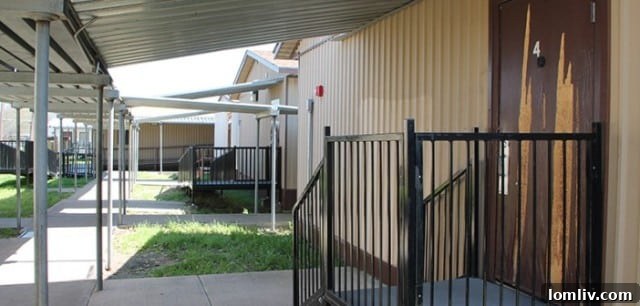
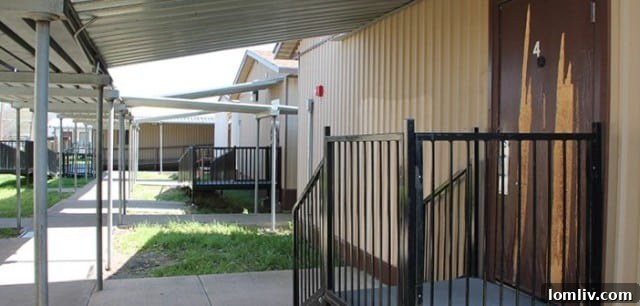
The journey towards truly transformative change in Dallas ISD demands more than just a bridge plan; it requires sustained community commitment and a long-term vision. Trustee Eric Cowan’s passionate plea to the large gathering at the board meeting was a direct call to action: “Remember his vote when it comes time to pass a new bond.” This sentiment encapsulates the essence of a “leap of faith” – an understanding that the current improvements, while impactful, are merely a down payment on a larger promise. It is an appeal to the community to remember the myriad schools not yet on the improvement list, where children continue to learn in portable buildings and outdated facilities. These schools, equally deserving, depend on future collective action.
The upcoming bond package, likely to be presented to voters in the next two to three years, will be instrumental in addressing the deeper, systemic needs of the district. It will provide the necessary capital for comprehensive renovations, new constructions, and technological upgrades that cannot be covered by the more limited bridge fund. For parents whose children are now benefiting from the initial improvements, this forthcoming bond vote presents a crucial opportunity to “pay it forward.” Supporting the bond is not just an act of civic duty; it is an investment in the entire educational ecosystem of Dallas, ensuring that every child, regardless of their zip code, has access to a safe, modern, and inspiring learning environment. The success of a school district hinges on the active participation and financial support of its community, transforming good intentions into tangible improvements that benefit generations.
The Interconnectedness of Our Public Schools: A Unified Body
The health of Dallas public schools is intrinsically linked to the overall vitality of the city itself. It’s an ecosystem, a unified body where the well-being of one part profoundly affects the whole. We often become so focused on the specific school our own children attend that we overlook the broader interconnectedness. However, decay and delayed improvements, whether physical infrastructure or educational quality, in one school inevitably ripple outwards. Neglect in one campus can diminish the appeal of an entire feeder pattern, affecting enrollment and property values in surrounding neighborhoods. This degradation can then impact the district’s overall reputation, making it less attractive for new families considering moving into Dallas and sending their children to neighborhood schools. Ultimately, the educational health of the district directly influences the economic and social health of the city.
Consider the example of Dunbar Elementary. The improvements, or lack thereof, at Dunbar do not solely affect the students and staff within its walls. They influence the entire feeder pattern that Dunbar belongs to. If Dunbar thrives, its positive momentum can elevate the perception and performance of middle and high schools receiving its students. Conversely, if Dunbar struggles with dilapidated facilities or inadequate resources, it creates a drag on the entire pattern. This dynamic extends further: the health of that feeder pattern contributes to the overall health and perception of the Dallas ISD. A strong, vibrant school district is a powerful magnet for talent and investment, fostering a thriving urban environment. Conversely, a struggling district can deter economic growth and contribute to urban decline. Therefore, investing in every school, from the smallest elementary to the largest high school, is an investment in the collective future of Dallas. It’s about recognizing that our shared future depends on the strength of our public education system.
Beyond the Bridge: A Vision for Long-Term Transformation
The approved bridge plan, while a commendable first step, is precisely that—a bridge. It is designed to span a gap, addressing immediate and critical needs stemming from a complex history of neglect, underfunding, and demographic shifts that have led to overcrowding and outdated facilities. This plan should not, and cannot, be viewed as an end in itself or, worse, a “bridge to nowhere.” Its true value lies in its potential to ignite a broader, sustained commitment to educational excellence and equity across Dallas ISD.
Moving forward, the district must leverage this initial momentum to develop and execute comprehensive, long-term strategies for facilities management, student enrollment growth, and sustained academic improvement. This will require ongoing community dialogue, transparent allocation of resources, and a steadfast focus on innovative educational practices. The historical issues that led to the current state of neglect are multifaceted, ranging from fluctuating economic conditions to evolving urban planning policies. Addressing these root causes requires strategic foresight and a collective resolve to build a robust, resilient public school system that can serve all Dallas families effectively and equitably for generations to come. The bridge plan has laid a crucial foundation; it is now up to the entire Dallas community to ensure that this path leads to a future where every child has access to a world-class education.