At Green Scene Home Inspections, we believe that an informed homeowner is a empowered homeowner. That’s why, every week, our team of detail-oriented experts brings Daltxrealestate.com readers an invaluable education in home inspection and maintenance through our popular series, “Upon Closer Inspection.” Our mission is simple: to help you truly understand your home and how to care for it effectively.
When you ask any of our seasoned inspectors what truly excites them about their work, you’ll hear a consistent theme: it’s the satisfaction of guiding individuals through the complexities of home care. We don’t just point out issues; we explain them, ensuring you have the knowledge to protect your most significant investment. This philosophy became even more crucial during the initial stages of COVID-19, when many found themselves spending unprecedented amounts of time at home, leading to a surge in interest in proactive home maintenance and improvement projects.
As the official start of winter ushers in colder temperatures and harsher conditions, the importance of diligent home maintenance cannot be overstated. Preparing your home for the winter months is not merely about comfort; it’s about safeguarding your property from potential damage, ensuring its efficiency, and maintaining its long-term value. This comprehensive guide will walk you through essential winter home maintenance tips, designed to keep your home operating smoothly and safely throughout the season, transforming potential worries into peace of mind.
Protect Your Plumbing: Winterize Outdoor Faucets and Sprinkler Systems
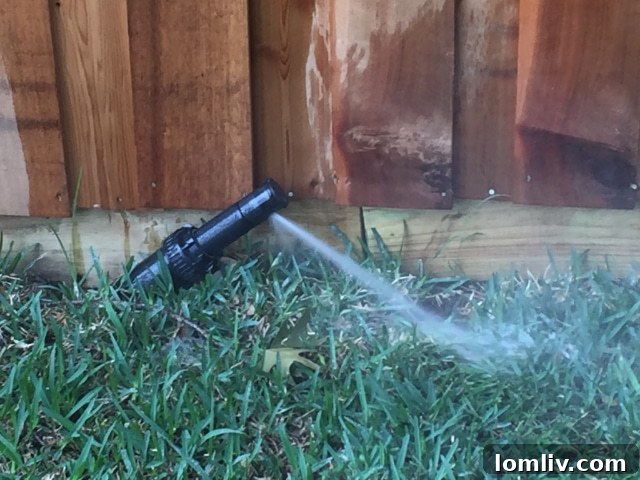
Despite a warm day here and there, especially in regions like Texas where temperatures can fluctuate dramatically, the threat of an overnight freeze is ever-present. Ignoring the winterization of your outdoor plumbing can lead to catastrophic and costly damage. The fundamental principle of “winterizing” is to remove all water from your exterior pipes, faucets, and irrigation lines. Water expands when it freezes, and this expansion inside pipes creates immense pressure, inevitably leading to ruptures and burst pipes.
To effectively winterize your outdoor faucets, start by locating the main shut-off valve for your outdoor water supply, usually found in your basement, crawl space, or utility room. Turn this valve off, then open your outdoor faucets to drain any remaining water from the lines. For an added layer of protection, consider installing insulating covers over your hose bibs. Remember to disconnect all garden hoses and store them away to prevent them from freezing and cracking. For your sprinkler system, the process is slightly more involved. Most modern systems have a drain valve that allows you to clear the lines manually. Alternatively, for complex systems or if you’re unsure, consider hiring a professional to blow out the lines with an air compressor. This ensures every last drop of water is removed, safeguarding your system from the perils of freezing temperatures. While performing this vital task, take a moment to test each sprinkler head. Confirm they are functional, free of clogs, and directing water efficiently, preparing them for optimal use when spring arrives.
Ensure Fireplace Safety: Have Your Chimney Professionally Cleaned
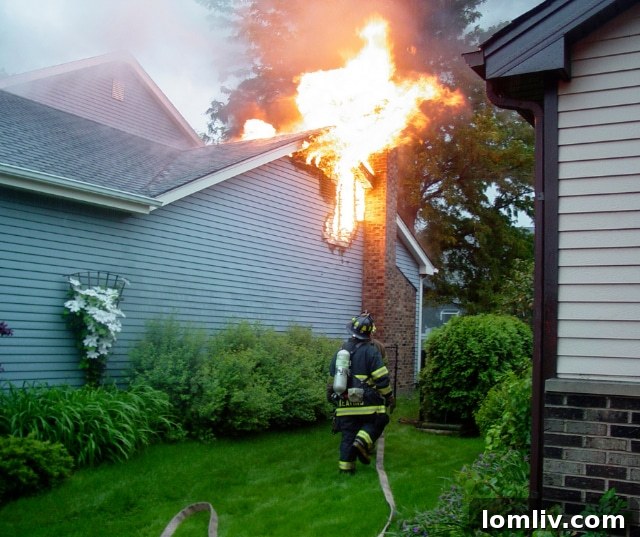
For many homeowners, the thought of a crackling fire is synonymous with winter comfort. However, an unmaintained chimney can quickly turn this cozy scene into a serious hazard. Annual chimney cleaning is not merely a recommendation; it’s a critical safety measure that far too many people overlook. The primary reason for this annual service is to prevent the buildup of creosote – a highly flammable residue left behind by burning wood. Over time, creosote accumulates in the flue, narrowing the passageway and becoming an increasingly dangerous fuel source.
Beyond creosote, professional chimney sweeps also remove soot, debris, and inspect for animal nests, all of which can cause dangerous blockages. When a fire burns, the intense heat can ignite the built-up creosote, leading to a devastating chimney fire. These fires burn at extremely high temperatures, capable of cracking masonry, damaging the flue liner, and potentially spreading to your roof and the rest of your home. A professional cleaning ensures that your chimney is clear, structurally sound, and operating safely. Furthermore, they can identify other potential issues such as damaged chimney caps, cracks in the flue, or worn-out mortar, addressing them before they escalate into costly repairs or present a safety risk. Investing in annual chimney maintenance protects your home, your family, and your peace of mind throughout the colder months.
Boost Energy Efficiency: Inspect All Caulking, Inside and Outside
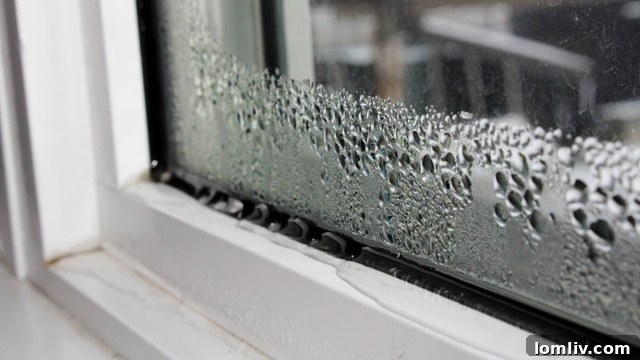
Caulking might seem like a minor detail in home maintenance, but its role in energy efficiency and moisture prevention is paramount. Over time, caulk around windows, doors, bathtubs, sinks, and toilets deteriorates due to age, temperature fluctuations, and exposure to the elements. When caulk cracks, shrinks, or pulls away, it creates gaps that allow drafts to enter and exit your home, leading to significant energy loss and higher utility bills. More critically, these openings become pathways for moisture intrusion, which can result in water damage, wood rot, and the insidious growth of mold and mildew, compromising both your home’s structure and indoor air quality.
A thorough inspection involves visually checking and physically touching all caulked areas. Look for cracks, peeling, discoloration, or areas where the caulk has pulled away from the surface. Pay particular attention to high-exposure areas like exterior window frames, door surrounds, and any penetrations in your home’s exterior envelope. Indoors, examine the perimeter of tubs, showers, sinks, and toilet bases for signs of wear. The accompanying photo vividly illustrates a common problem: deteriorated caulk around a window allowing rain to seep directly into the house, a clear sign that replacement is urgently needed. Re-caulking is a relatively inexpensive DIY project that offers substantial returns in terms of energy savings and protection against water damage. By sealing these vulnerable points, you create a tighter building envelope, keeping warm air in during winter and cool air in during summer, thus significantly enhancing your home’s overall efficiency and structural integrity.
Optimize Comfort and Air Quality: Service Your HVAC System
Your heating, ventilation, and air conditioning (HVAC) system is the heart of your home’s comfort, especially during winter. Before the peak heating season begins, it’s highly recommended to schedule a professional HVAC tune-up. A technician will inspect, clean, and test all components, ensuring your furnace or heat pump is operating at peak efficiency. This preventative maintenance not only extends the lifespan of your unit but also helps identify potential problems before they lead to costly breakdowns in the middle of a cold snap. Crucially, don’t forget to regularly change your furnace filters. A clogged filter restricts airflow, forcing your system to work harder, consuming more energy, and reducing indoor air quality by trapping dust, allergens, and other particulates. Aim to replace filters every 1 to 3 months, depending on usage and household conditions. Properly maintained, your HVAC system will provide consistent warmth, reduce energy consumption, and contribute to a healthier indoor environment.
Prevent Water Damage: Inspect and Clear Gutters and Downspouts
Winter weather, particularly if accompanied by precipitation, places significant stress on your roof and drainage system. Clogged gutters and downspouts are a common cause of serious winter damage. Leaves, twigs, and other debris accumulate throughout the fall, preventing melted snow and rain from draining properly. When water has nowhere to go, it can back up, freeze, and expand, leading to the formation of ice dams along the edge of your roof. Ice dams can force water under your shingles, causing leaks into your attic, walls, and ceiling, resulting in extensive water damage, mold growth, and compromised insulation.
Before winter truly sets in, perform a thorough cleaning of all gutters and downspouts. Ensure they are free of debris and that water can flow freely. While you’re at it, inspect your roof for any damaged, missing, or curling shingles, as these can also create weak points for water intrusion. Trimming overhanging branches can also reduce debris accumulation and prevent ice buildup. Proactive gutter maintenance is a simple yet vital step in preventing costly repairs and protecting your home’s structural integrity from the harsh realities of winter.
Improve Insulation and Seal Air Leaks
Adequate insulation is key to maintaining a comfortable indoor temperature and maximizing energy efficiency. Take the time to assess the insulation levels in your attic, walls, and crawl spaces. If insulation is insufficient or damaged, cold air will easily penetrate your home, forcing your heating system to work overtime. Adding insulation, particularly in the attic, is one of the most cost-effective ways to reduce heating costs. Beyond insulation, identify and seal any other air leaks that might be compromising your home’s warmth. Check around electrical outlets, light fixtures, plumbing penetrations, and where dissimilar materials meet. Use weatherstripping for doors and windows, and caulk for smaller gaps. Even seemingly minor leaks can collectively account for a significant amount of heat loss. A well-sealed and insulated home will not only be warmer but also more energy-efficient and quieter, providing a sanctuary against the winter chill.
Prioritize Safety: Test Smoke and Carbon Monoxide Detectors
Amidst all the structural and efficiency checks, never overlook the fundamental safety of your home. Winter often means more reliance on heating systems, fireplaces, and potentially portable heaters, which increases the risk of fires and carbon monoxide poisoning. Make it a routine to test all your smoke detectors and carbon monoxide detectors at the beginning of winter, and then monthly thereafter. Replace batteries annually, or immediately if the low-battery warning sounds. Ensure you have detectors strategically placed on every level of your home, especially near sleeping areas and where fuel-burning appliances are located. These devices are your first line of defense, providing crucial early warnings that can save lives. A safe home is a warm home, and these simple checks are non-negotiable for your family’s well-being.
Beyond the Basics: Preparing for Winter Emergencies
While preventative maintenance helps mitigate risks, it’s always wise to prepare for unexpected winter emergencies, such as power outages or severe storms. Assemble an emergency kit stocked with essentials like bottled water, non-perishable food, flashlights with extra batteries, a battery-powered or hand-crank radio, first-aid supplies, and warm blankets. Ensure your vehicle’s gas tank is at least half full and that you have an emergency kit in your car as well. Consider having a backup heat source, like a wood stove or a generator, if feasible and safe to operate. Familiarize yourself with how to safely shut off utilities (water, gas, electricity) in case of an emergency. Thinking ahead and having these provisions in place can make a significant difference in maintaining safety and comfort during unforeseen winter events, offering an additional layer of preparedness for whatever the season may bring.
Proactive home maintenance, especially as winter approaches, is an investment that pays dividends in safety, comfort, and financial savings. These diligent efforts help protect your home from costly repairs, keep it running efficiently, and diligently maintain its overall value. At Green Scene Home Inspections, our core mission is to equip you with the knowledge and tools to effectively care for your home. By taking these steps, you’re not just preparing for winter; you’re actively ensuring the longevity and health of your property. For even more detailed guidance and a printable checklist, you can find a comprehensive Winter Home Maintenance checklist available on our website. Trust Green Scene Home Inspections to be your partner in understanding and maintaining your home, ensuring it remains a safe and comfortable haven for years to come.