

The strategic art of home flipping has captivated real estate investors for decades, offering a dynamic path to substantial returns. While rigorous budgeting and careful financial planning are foundational for any successful real estate venture, the ultimate goal of a home flip extends beyond mere numbers. It’s about envisioning and creating a dream living space, a property so appealing that prospective buyers are compelled to make an offer above the asking price. This delicate balance of financial prudence and creative transformation is what truly defines a profitable flip.
However, the landscape for home flipping is constantly evolving. In many highly sought-after metropolitan areas, soaring land values and escalating material costs have made profitable flipping increasingly challenging. These markets often demand significant upfront capital and meticulous project management to yield even modest returns. This shifting dynamic is driving many savvy investors to explore more budget-friendly regions—neighborhoods where the potential for acquiring a substantial property at a more accessible price point remains strong. These emerging hotspots offer the opportunity for higher profit margins, making them exceptionally attractive to both seasoned and new real estate investors looking to maximize their return on investment.
In the vibrant and expansive Dallas metropolitan area, one particular region stands out as a prime destination for real estate investors: the 75216 Zip code. This extensive area encompasses a significant portion of South Dallas, strategically positioned between the major arteries of Interstate 35 East and Interstate 45, just north of Loop 12. Within its boundaries lie a diverse collection of established neighborhoods, including the notable community of Cedar Crest. This area has long held potential, but recent data confirms its rising prominence as a flipping hotbed.
Despite its growing appeal to investors, the local market inventory in 75216 remains relatively tight. According to recent insights from Realtor.com, there were only 84 single-family homes available on the market, with a total of 152 listings across all property types. This limited supply in a high-demand area indicates a competitive environment for buyers and potentially robust conditions for sellers. While this paints a picture of a vibrant and active market, it’s also crucial to consider broader national trends. Interestingly, despite the local intensity in 75216, the overall pace of home flipping nationwide has shown signs of deceleration, a trend meticulously tracked and reported by leading real estate data provider, ATTOM Data Solutions.
ATTOM Data Solutions, widely recognized as the preeminent “curator of the nation’s largest fused property database,” provides invaluable insights into the intricacies of the U.S. real estate market. Their latest comprehensive report reveals a notable shift in the national home flipping landscape. The number of homes flipped across the United States has experienced a decline from its six-year peak observed in the preceding quarter. Specifically, the national flipping rate has softened from 5.6 percent to 5.1 percent, translating to a reduction from 53,892 flipped homes to 49,305. This downward trend suggests a broader market recalibration or a more cautious approach from investors nationwide.
A significant indicator within this trend is the changing profile of buyers. Cash purchases by flippers, often a hallmark of aggressive investment strategies and robust market confidence, have also seen a decrease. These transactions accounted for 67.9 percent of flips, a slight dip from 68.2 percent in the previous quarter and a more pronounced drop from 69.0 percent in Q3 2015. This current figure represents the lowest level for cash-backed flipping since Q3 2008, marking an eight-year low. Such a decline could signify a variety of factors, including tighter lending standards, a shift towards more traditional financing methods, or simply a reduction in immediate cash availability among investors.
For clarity, ATTOM defines a “flip” as a property sold for the second time within a 12-month period, a widely accepted standard that captures genuine investment activities. The company’s extensive data collection spans more than 950 counties across the U.S., effectively covering approximately 80 percent of the American population. This robust methodology ensures that their analyses offer a comprehensive and reliable snapshot of the nation’s real estate flipping market.
Now, let’s turn our attention back to the specific dynamics within the Dallas 75216 Zip code, examining how these broader national trends contrast with or are reflected in local market activity. The data for 75216 reveals a compelling story of localized strength and burgeoning investor interest.
Delving into ATTOM’s localized data, the 75216 Zip code exhibited remarkable activity during the third quarter of 2016. A total of 20 home flips were recorded, representing an impressive 25.3 percent of all sales within the area during that period. This figure dramatically outperforms national averages and underscores the intense investor focus on this particular Dallas market. Furthermore, the growth trajectory in 75216 is truly exceptional: quarter over quarter, the number of flips surged by an astounding 64 percent, and year over year, this figure jumped by an even more remarkable 131 percent. These percentages highlight not just consistent growth, but an accelerating trend of investor confidence and activity in this specific region.
The financial metrics associated with these flips further illustrate the robust profit potential. The median purchase price for the 20 flipped homes in 75216 stood at a very accessible $44,610. Post-renovation and strategic marketing, these properties commanded a median sales price of $92,103. This translates into a substantial gross profit of $47,493 per home. These margins are particularly noteworthy when considering the typical quality and cost of materials often employed in these types of renovations, which tend to focus on value-adding improvements rather than luxury overhauls. This robust profitability explains the increasing allure of 75216 to investors seeking significant returns in an affordable market.
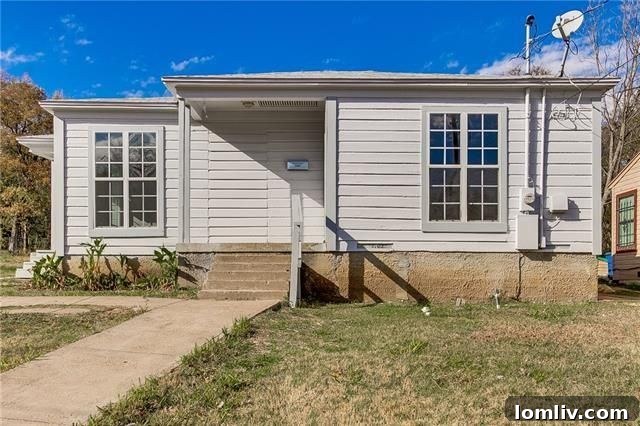
To provide a tangible example of these flipping dynamics, let’s consider a specific property: 1435 Renner Dr. in Cedar Crest. This home, built in 1944, offers a comfortable 1,595 square feet with three bedrooms and two bathrooms, situated on a generous quarter-acre lot. It was listed on Monday, December 5th, for $125,000. For context, the Dallas County Appraisal District (DCAD) assessed its value at $34,130. As Dallas operates as a non-disclosure state, the actual purchase price of the home remains confidential, a common practice that can add a layer of complexity for market analysis.
Despite the confidentiality surrounding the initial purchase price, the listing agent, Isabel Villatoro of Keller Williams Dallas Premiere, provided a comprehensive list of the upgrades. The home underwent significant revitalization, featuring new paint both inside and out, durable laminate flooring throughout, and modern granite countertops in the kitchen. Essential structural and system improvements include a brand-new roof, a new hot water heater, and a complete overhaul of the electrical wiring. Furthermore, a new air conditioning unit was slated for installation upon closing, ensuring the home is move-in ready and comfortable for its new owners. These strategic renovations are typical for properties in this price range, focusing on maximizing appeal and functionality while controlling costs.
Given Dallas’s status as a non-disclosure state, determining the exact initial acquisition cost for a property like 1435 Renner Dr. can be challenging. However, it’s common for Dallas County Appraisal District (DCAD) appraisals to fall short of a property’s actual market value, especially for homes that require significant updates. For the sake of analysis, if we conservatively assume the home was purchased for around $55,000 and required approximately $20,000 in comprehensive renovation work, the gross profit upon a $125,000 sale would still be a remarkable $50,000. This impressive potential profit margin clearly illustrates why areas like 75216 have become magnets for real estate investors. It underscores the profound impact strategic, value-driven renovations can have in an accessible market.
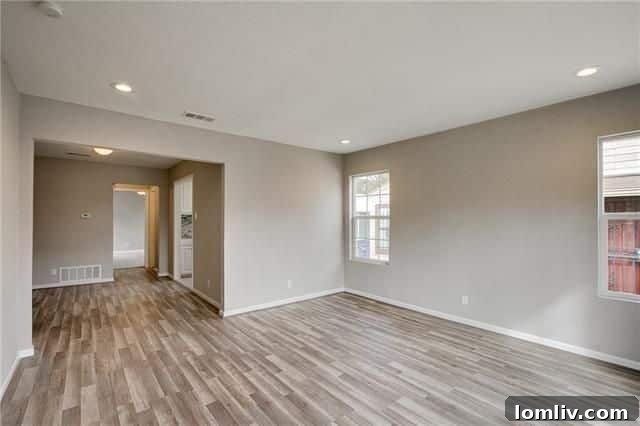
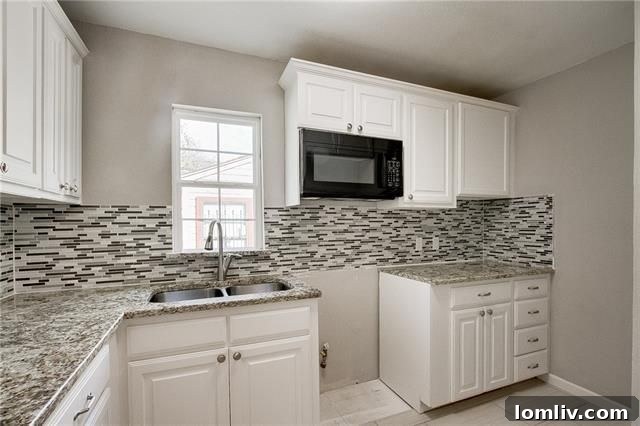
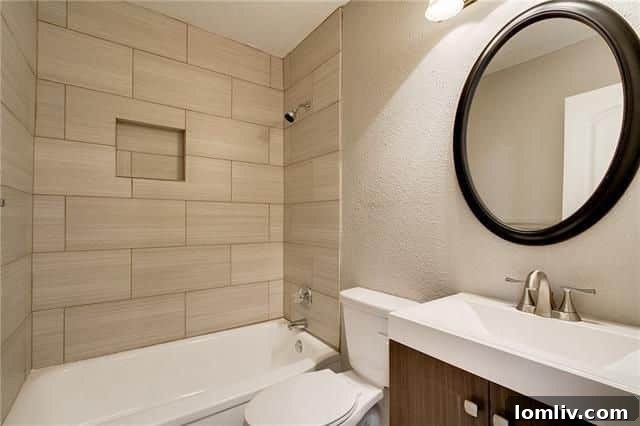
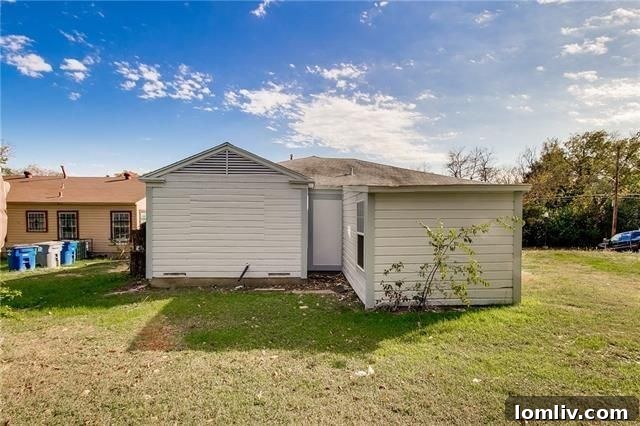
While the profit potential in 75216 is undeniable, the example of 1435 Renner Dr. also highlights the nuances and compromises inherent in many flipping projects. Not every flip aims for the luxurious finishes found in a high-end Northwest Dallas cottage adorned with marble. Many, especially in more budget-conscious markets, prioritize function, affordability, and a clean, updated aesthetic. The observation regarding the siding on 1435 Renner Dr.—where it appeared to be a “cut corner”—speaks to the constant tension between maximizing profit and ensuring impeccable quality. For investors targeting first-time homebuyers or those seeking affordable housing, sometimes a “good enough” renovation that significantly improves the home’s condition and marketability, without excessive cost, is the most profitable strategy. It’s a pragmatic approach to meet market demand where basic, solid improvements drive value.
Beyond specific examples, ATTOM Data Solutions provides crucial national takeaways that offer broader context for the home flipping market:
- Time to Flip: In Q3 2016, homes took an average of 180 days to complete a flip transaction. This figure shows a slight decrease from the 10-year high of 185 days recorded in the previous quarter, indicating a marginal improvement in market efficiency or renovation timelines. However, it still represents an increase from the average of 176 days observed a year prior, suggesting that while things are picking up slightly, the overall process is still taking longer than it did in some past periods. This highlights the importance of managing carrying costs and project timelines effectively.
- Price Segmentation of Flipped Homes: An analysis of sales prices reveals the core segments of the flipping market. More than half (53 percent) of all homes flipped in Q3 2016 were sold by the flipper for $200,000 or less, underscoring the dominance of the entry-level and mid-range housing markets for profitable flipping. An additional 33 percent of flipped homes were sold in the $200,000 to $400,000 range. In stark contrast, homes flipped for $500,000 or more constituted less than 9 percent of all flips during the quarter, with luxury properties priced at $1 million or more accounting for less than 2 percent. This data firmly establishes that the highest volume of flipping activity occurs within more affordable price brackets.
- Return on Investment (ROI) by Price Range: The ROI data provides a critical insight for investors. Flipped homes sold in the $50,000 to $200,000 range yielded an average gross flipping ROI of 58 percent, making it the highest among all price ranges in the third quarter. This phenomenon is often attributed to the ability to make significant, value-adding improvements on a relatively low base cost. Conversely, homes flipped for between $2 million and $5 million generated an average gross flipping ROI of 26 percent, marking the lowest among all price ranges for the quarter. While higher-end flips might result in larger absolute profits, the percentage return on investment tends to be lower due to the higher capital outlay and often more marginal improvements relative to the property’s initial value. This reinforces the strategic advantage of focusing on budget-friendly markets like Dallas’s 75216.
The Dallas 75216 Zip code stands out as a compelling anomaly within a nationally decelerating flipping market. Its unique combination of affordable entry points, strong local demand, and robust profit margins makes it an attractive hub for real estate investors. While national trends suggest a period of adjustment for home flipping, localized hotspots like 75216 demonstrate that opportunity continues to thrive for those who understand specific market dynamics and apply a strategic approach to property revitalization. Navigating the art and science of home flipping demands continuous market research, astute financial planning, and a keen eye for value, ensuring that even in a changing landscape, profitable ventures remain within reach.