The Great Debate: Is it Better to Rent or Buy a Home in Today’s Market?
The decision to rent or buy a home is one of the most significant financial choices many individuals and families will ever make. It’s a question that transcends mere housing and delves deep into personal finance, long-term wealth building, and lifestyle preferences. In an ever-evolving real estate landscape, the answer to this age-old dilemma is rarely straightforward and often depends heavily on a confluence of personal circumstances and prevailing market conditions.
In recent times, particularly with fluctuating interest rates, soaring home prices in many regions, and an unpredictable economic outlook, the scales have seemed to tip for many. According to CNBC’s Dana Olick, in certain periods, it has been suggested that renting offers more financial advantages than buying. But is this broad statement universally applicable, and what underlying factors truly determine the optimal path for you?
This comprehensive guide aims to unpack the complexities of the rent vs. buy debate, offering insights into the financial implications, market dynamics, and personal considerations that should shape your decision. We’ll explore various angles to help you navigate this critical choice and prepare you to make an informed decision for your financial future.
Understanding the Financial Landscape: Renting vs. Buying
To truly understand whether renting or buying makes more sense, it’s crucial to dissect the financial commitments and benefits associated with each option. Both paths have distinct budgetary requirements and potential long-term returns.
The Financial Realities of Homeownership
Buying a home is often seen as a cornerstone of the American Dream and a primary vehicle for building long-term wealth. However, the costs extend far beyond the advertised sale price.
- Down Payment: This initial lump sum can range from 3% to 20% or more of the home’s purchase price and is often the biggest hurdle for prospective buyers.
- Mortgage Payments: Your monthly mortgage payment typically includes principal, interest, property taxes (escrow), and homeowner’s insurance (escrow), often referred to as PITI. Interest rates significantly impact the affordability of these payments.
- Closing Costs: These are fees paid at the close of a real estate transaction, including appraisal fees, loan origination fees, title insurance, attorney fees, and more. They can typically range from 2% to 5% of the loan amount.
- Property Taxes: These are recurring annual taxes assessed by local government entities based on the property’s value, which can increase over time.
- Homeowner’s Insurance: Required by lenders, this insurance protects against damage to the home and personal liability.
- Maintenance and Repairs: Homeowners are responsible for all upkeep, from routine lawn care to unexpected emergencies like a leaky roof or a broken HVAC system. Experts often recommend budgeting 1-4% of the home’s value annually for maintenance.
- Homeowner’s Association (HOA) Fees: If you buy a condo or a home in a planned community, you may pay monthly HOA fees for common area maintenance and amenities.
Despite these significant costs, homeownership offers several financial benefits, including potential property appreciation, building equity over time, and tax deductions for mortgage interest and property taxes (though subject to limits). It provides a stable housing cost (excluding tax and insurance increases) and the freedom to customize your living space.
The Financial Realities of Renting
Renting, on the other hand, offers a different set of financial characteristics, often characterized by flexibility and fewer upfront burdens.
- Monthly Rent: This is the primary recurring cost, typically fixed for the duration of your lease agreement.
- Security Deposit: An upfront payment, usually equivalent to one or two months’ rent, which is refundable upon lease termination, provided the property is left in good condition.
- Renter’s Insurance: While often optional, this affordable insurance protects your personal belongings from theft or damage and provides liability coverage.
- Utilities: Renters are typically responsible for their own utility bills, such as electricity, gas, water, and internet.
- No Maintenance Costs: One of the biggest advantages of renting is that landlords are responsible for all major repairs and maintenance.
Renting provides greater flexibility, making it ideal for those who anticipate moving frequently for work or personal reasons. It requires less upfront capital, freeing up funds for other investments or savings. However, rent payments do not build equity, and landlords can increase rent upon lease renewal, leading to less predictable long-term housing costs.
Market Dynamics: When Renting Makes Sense (and When It Doesn’t)
The real estate market is dynamic, and what’s financially advantageous today might not be tomorrow. Factors such as interest rates, home prices, and rental demand play pivotal roles in the rent vs. buy equation.
High Home Prices and Interest Rates
When home prices are exceptionally high, and mortgage interest rates are elevated, the monthly cost of buying can significantly outweigh the cost of renting. This scenario can make homeownership prohibitively expensive for many, pushing them towards renting. The high cost of entry (down payment + closing costs) combined with larger monthly payments can make buying an unwise financial move, especially if you anticipate only staying in the home for a few years.
Short-Term Plans and Flexibility
If your career demands frequent relocation, or if you’re uncertain about your long-term residency in a particular area, renting offers unparalleled flexibility. Breaking a lease is typically less costly and complicated than selling a home, which involves significant transaction costs and market uncertainties.
Unstable Job Market or Economic Uncertainty
In times of economic uncertainty, maintaining liquidity and avoiding large, fixed financial commitments can be prudent. Renting allows individuals to adapt more quickly to changing financial circumstances without the burden of a mortgage or the complexities of selling a property during a downturn.
The Long-Term View: Why Buying Often Wins
Despite the short-term advantages renting might offer in certain market conditions, homeownership generally proves to be a more effective wealth-building strategy over the long run. Equity build-up, potential appreciation, and the stability of a fixed-rate mortgage provide a hedge against inflation and rising rental costs. A home can serve as a significant asset in your financial portfolio, capable of being leveraged for future investments or providing security in retirement.
Navigating Your Options with Expert Guidance
Given the intricate nature of the real estate market and the deeply personal aspects of this financial decision, seeking expert advice is not just recommended, but often essential. Professionals can help you cut through the noise, analyze your personal financial situation, and interpret market data to guide you toward the best choice.
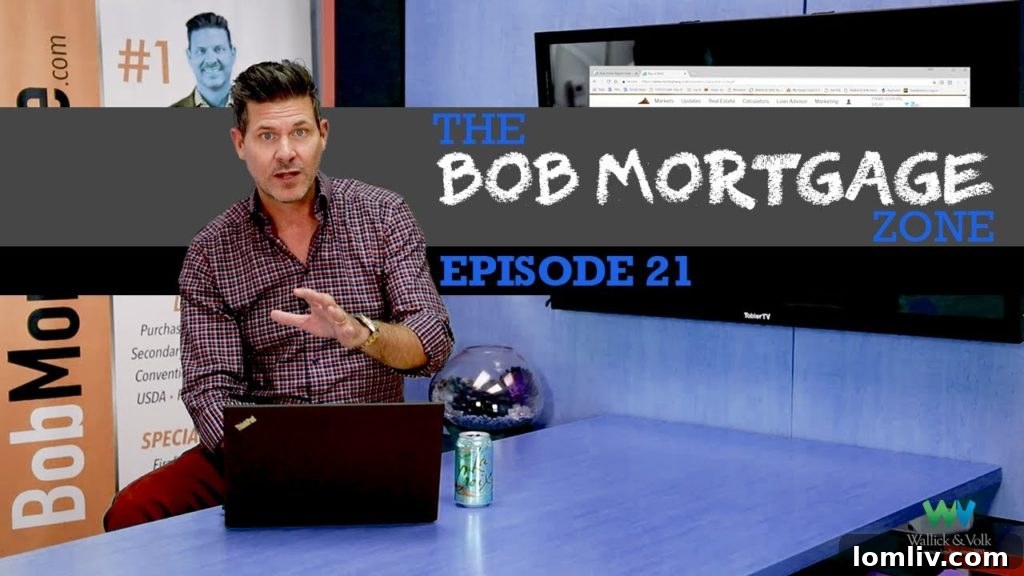
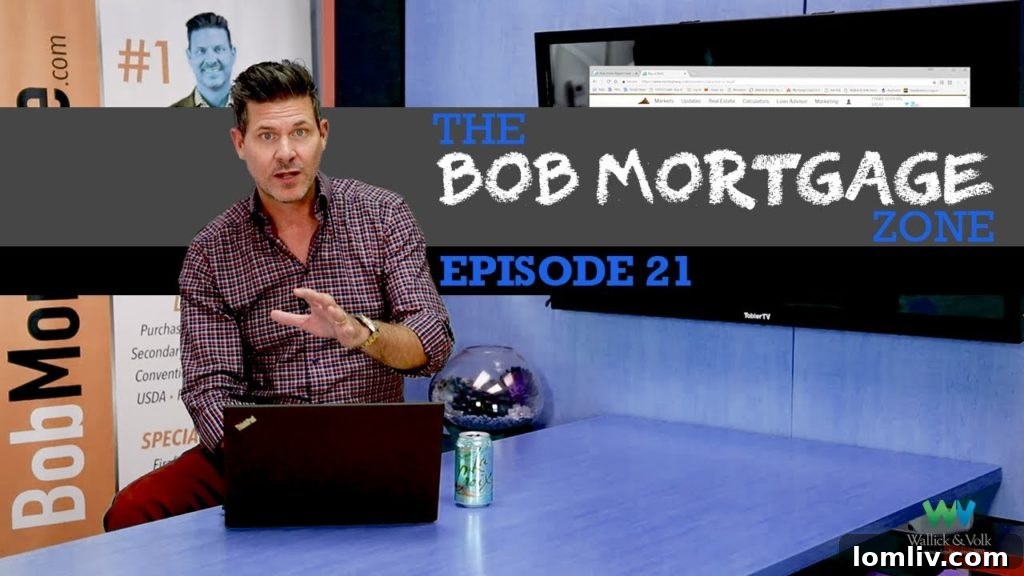
For those grappling with this critical decision, we invite you to gain invaluable perspectives from a seasoned expert. Take a look at the facts and figures discussed in a recent episode of BobMortgage Zone with Bob Johnson (AKA BobMortgage), the senior mortgage adviser at the nation’s oldest private lender,Wallick & Volk. Bob brings years of experience and a deep understanding of market trends to help demystify the rent vs. buy conundrum. His insights can provide clarity on whether the current market truly favors renting, buying, or if it’s a more nuanced situation requiring individual assessment. What do you think after hearing his perspective?
Understanding the interplay between your personal financial health, long-term goals, and the prevailing market conditions is paramount. Bob Johnson’s analysis can offer a practical, real-world lens through which to view these complex dynamics, helping you determine if the financial advantages of renting truly outweigh the long-term benefits of homeownership for your specific situation.
Don’t miss out on crucial advice that could shape your financial future. Watch the full discussion below:
Making an Informed Decision for Your Future
Ultimately, the choice between renting and buying is not a one-size-fits-all answer. It’s a highly personal decision influenced by a multitude of factors, including your current financial health, future plans, risk tolerance, and the specific real estate market you’re considering. While external reports may suggest that renting is better in “today’s market,” it’s vital to remember that “today’s market” can vary wildly from one region to another and even change rapidly within months. Furthermore, generic market advice may not align with your individual circumstances.
Consider your personal financial readiness: Do you have a stable income? A healthy credit score? Enough savings for a down payment and an emergency fund? How long do you plan to stay in one place? Are you comfortable with the responsibilities of home maintenance and the financial obligations that come with it? These questions, among others, form the bedrock of a sound decision.
Engaging with a trusted financial advisor or a mortgage expert like Bob Johnson is crucial. They can help you perform a detailed cost analysis, considering all the hidden fees and potential long-term gains or losses specific to your situation. They can also provide up-to-date information on local market trends and financing options that might make homeownership more accessible or, conversely, highlight when renting is indeed the more prudent choice.
Whether you decide to sign another lease or take the exciting step towards homeownership, ensure your decision is rooted in thorough research, careful financial planning, and personalized expert advice. This approach will empower you to make a choice that aligns with your financial goals and lifestyle aspirations, setting a strong foundation for your future.