Spring Sprinkler System Tune-Up: Your Comprehensive Guide to a Healthy Lawn
Welcome to “Upon Closer Inspection,” a weekly series brought to you by the meticulous experts at Green Scene Home Inspections, dedicated to educating Daltxrealestate.com readers on crucial home maintenance. We believe that a well-maintained home starts with understanding its vital systems.
As winter’s chill recedes and the vibrant hues of spring begin to emerge, homeowners eagerly anticipate the return of lush green lawns and flourishing gardens. This season marks the opportune moment to reactivate your home’s sprinkler or irrigation system. However, a simple flick of a switch isn’t enough. Proactive and thorough inspection is paramount, especially after facing the extreme and often unpredictable temperatures of the past winter. Freezing conditions can wreak havoc on underground pipes, delicate sprinkler heads, and intricate valve mechanisms, potentially leading to costly repairs and significant water waste if left unchecked. A well-maintained sprinkler system is not just about aesthetics; it’s a strategic investment in water conservation, property protection, and the long-term health and vitality of your landscape.
Why a Spring Sprinkler Check is Essential for Homeowners
The transition from winter dormancy to spring activation can expose numerous vulnerabilities in your irrigation system. Freezing and thawing cycles cause soil to heave and settle, stressing buried pipes and connections. Any residual water left in lines can freeze and expand, cracking pipes or severely damaging sprinkler heads and their internal components. Furthermore, months of inactivity can lead to seized components, clogged nozzles, or even pest infestations within the system’s control boxes and piping. A comprehensive spring check-up ensures that your system operates at peak efficiency, preventing excessive water loss, structural damage to your home’s foundation or exterior, and the unwelcome sight of an unevenly watered, unhealthy lawn. This detailed guide will walk you through essential steps to inspect, troubleshoot, and optimize your sprinkler system, ensuring it’s ready to deliver consistent and efficient hydration for the entire season ahead.
Step 1: The Initial Visual Assessment – A Thorough Yard Walk-Through
Begin your annual sprinkler system evaluation with a meticulous, slow walk-through of your entire yard. This initial visual assessment is critical as it can often reveal the most common and, thankfully, the easiest-to-fix issues that might have occurred over the winter or during daily wear and tear.
Identifying Broken or Damaged Sprinkler Heads
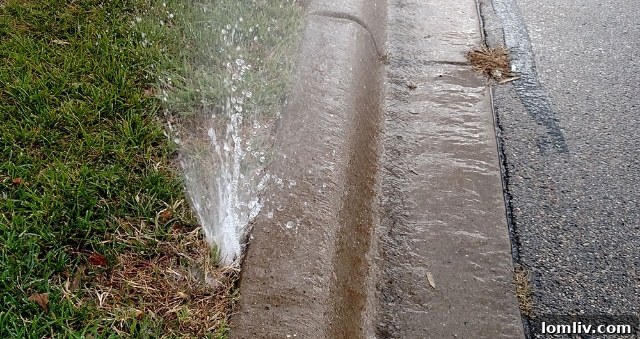
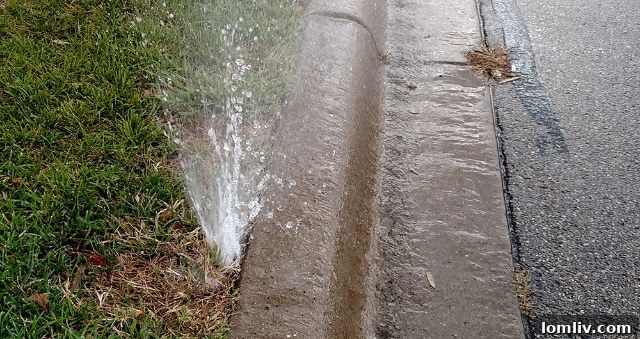
One of the most frequent problems homeowners encounter is broken, cracked, or misaligned sprinkler heads. These components are vulnerable and can be damaged by various factors: an unfortunate encounter with a lawnmower, heavy foot traffic, playful pets, or the harsh impacts of winter’s frost heaving. As you walk, inspect each sprinkler head carefully for any visible cracks, missing nozzles, signs of impact damage, or significant misalignment. A broken head significantly compromises water pressure for its zone, sprays water inefficiently in unintended directions, and can lead to substantial water waste. The positive news is that replacing a standard sprinkler head is typically a straightforward DIY task, requiring minimal tools and easily sourced parts from your local hardware store. Many online tutorials can provide clear, step-by-step guidance.
Inspecting Control Valve Covers for Water Accumulation
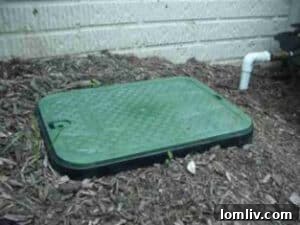
Next, locate and carefully inspect the covers of your control valves. These are usually found buried in distinctive green or purple plastic boxes within various sections of your yard. Lift each cover and peer inside. Is there standing water accumulating at the bottom of the valve box? Water accumulation is a critical red flag, often indicating a leak from the valve itself, a faulty seal around the connections, or a broken pipe connection within the box. While a minimal amount of moisture might simply be condensation from temperature changes, persistent standing water demands immediate and thorough investigation. Addressing this issue early can prevent more extensive water damage, reduce waste, and avert potential costly repairs later in the season.
Step 2: Activating and Observing Each Zone for Optimal Performance
Once your initial visual checks are complete and any obvious surface damage has been noted, it’s time to bring your system to life. Turn on your main water supply valve to the irrigation system, typically located near your home’s main water line or backflow preventer. Then, proceed to manually activate and run each individual zone for a minimum of two minutes. This duration is crucial; it allows all pop-up heads to fully extend, for water to thoroughly reach the end of the lines, and for any potential issues, subtle or overt, to become clearly apparent.
Assessing Spray Patterns, Coverage, and Efficiency
As each zone runs, carefully observe the spray pattern and functionality of every single sprinkler head within that zone. Your goal is to ensure each head is operating correctly and providing adequate, even coverage across its designated area. Look for:
- Consistent Water Pressure: Is the water spraying with uniform force and volume from all heads in the active zone? Inconsistent pressure can indicate blockages or deeper issues.
- Full Rotation and Arc: For rotary sprinkler heads, verify that they are completing their full arc of rotation smoothly and consistently after months of dormancy. Any sticking or incomplete rotation reduces coverage.
- Proper Alignment and Target Area: Are the sprinkler heads aiming solely at your lawn, garden beds, or designated vegetation? One of the most common inefficiencies in sprinkler systems is overspray. Water hitting your house’s siding, fence, driveway, or sidewalk is not only a significant waste of a valuable resource but can also cause substantial damage over time. Constant moisture can lead to unsightly hard water stains, accelerate wood rot on fences and siding, degrade concrete, and even promote the growth of mold and mildew on exterior walls. Adjust any misaligned heads immediately using the proper adjustment tool to conserve water and diligently protect your property from moisture-related issues.
Step 3: Advanced Leak Detection – Uncovering Hidden Underground Problems
While your system is running, extend your vigilance to look for any signs of leaks, particularly those that may be hidden beneath the surface. Underground leaks are notorious for silently wasting vast amounts of water, leading to inflated water bills and potentially significant damage to your landscape and even your home’s foundation.
- Uncovered Dry Areas: Look for any dry patches or areas of your lawn that are not receiving adequate water, despite being squarely within an active zone. This anomaly could indicate a major blockage in the supply line or a break in the lateral line feeding those specific sprinkler heads.
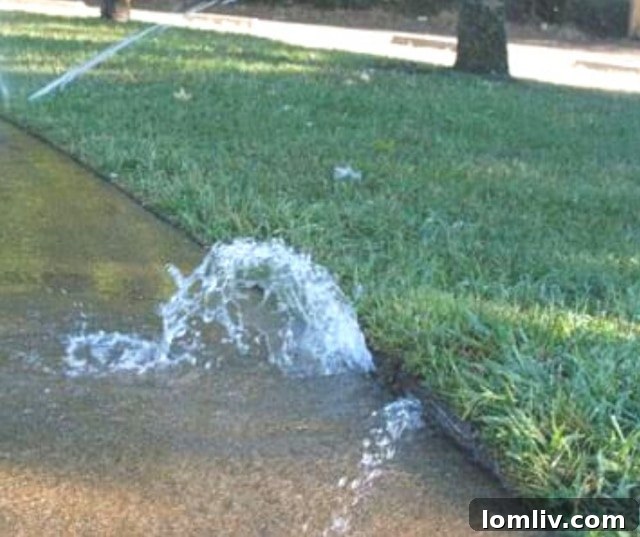
- Bubbling Water or Persistent Puddles: A definitive tell-tale sign of an underground line break is water bubbling up from the ground or the formation of persistent puddles on your lawn, sidewalks, or driveways, especially when the system is running or shortly after it has been turned off. The intense pressure from a broken line can force water to the surface, often creating noticeable soft, muddy spots that never seem to dry out.
- Unusually Lush Spots: Conversely, an area of your lawn that appears significantly greener, taller, and more vibrant than its surroundings might also signal a continuous, undetected leak. This constant flow of water provides excessive nourishment to that specific patch of grass, acting as an indicator of an underlying issue.
Checking Underground Soaker or Drip Lines
Many modern and efficient irrigation systems incorporate underground soaker or drip lines, specifically designed for precise, deep watering of garden beds, shrubs, and trees. Running your system for at least two minutes is especially critical for these low-pressure lines. As they operate, observe the surface directly above these lines. Are you seeing consistent moisture along their entire length, or are some areas visibly drier or, conversely, excessively wet and pooling? Uneven saturation can clearly indicate a clog within the emitter, a break in the soaker line, or a separation in the connection, all of which compromise its effectiveness and can lead to either over-watering or under-watering different sections of your precious landscape.
Step 4: Assessing Water Pressure and Individual Head Performance
A truly functional and efficient sprinkler system relies heavily on consistent and adequate water pressure distributed evenly across all zones. Irregular pressure can severely impact system performance and lead to uneven water distribution, leaving parts of your lawn parched while others are overwatered.
- Identifying Low Water Pressure: If multiple heads in a specific zone are only trickling water, struggling to pop up, or have a significantly diminished spray radius, it could point to a broader issue. Potential causes include a partially closed main valve, a significant leak elsewhere in the zone’s main line, a clogged filter in the main irrigation line, or even too many sprinkler heads installed on a single zone for the available water pressure.
- Detecting Pressure Discrepancies Between Heads: Observe carefully if one sprinkler head is spraying forcefully and quickly, covering its intended area, while an adjacent one in the same zone is merely trickling or barely popping up. This noticeable disparity often indicates a localized problem, such as a clog within the struggling head’s nozzle or filter, a damaged internal component, or even an issue with the lateral line feeding that specific head.
- Verifying Rotating Head Functionality: For pop-up rotating heads, it is imperative to verify that they are indeed rotating smoothly and consistently through their programmed arc. After being dormant for several months, debris (like sand, silt, or mineral deposits) can settle in the intricate mechanism, or internal gears can seize. A gentle cleaning of the nozzle and filter, or a minor adjustment, might be all that’s needed to restore proper function and ensure complete coverage.
Step 5: Post-System Run Checks – Searching for Hidden Landscape Damage
After you’ve run all your zones, thoroughly observed their performance, and subsequently turned off the entire system, perform one final, detailed sweep of your yard. The residual effects of any persistent leaks or breaks might now be more apparent, as water has had time to permeate the soil.
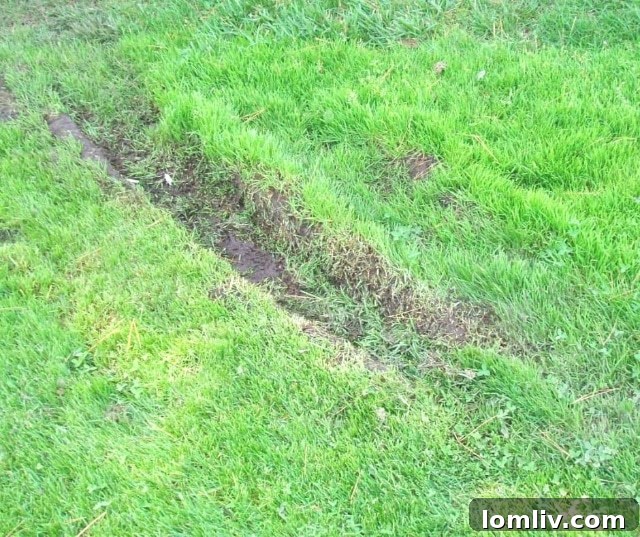
- Spotting Soil Erosion or Sinkholes: Inspect the ground carefully for any signs of soil erosion, particularly around sprinkler heads or valve boxes, or the ominous formation of small sinkholes. A persistent underground leak can gradually wash away the soil around the compromised pipe, creating voids beneath the surface. These can range from subtle depressions in the lawn to noticeable and potentially dangerous sinkholes, posing a trip hazard and unequivocally indicating a significant water leak that demands immediate attention.
- Identifying Persistent Wet Spots: Even hours after the irrigation system has been completely turned off, check for areas that remain unusually soggy, muddy, or appear waterlogged. This often confirms a slow, continuous leak in an underground pipe or a faulty valve that might not have been obvious when the system was actively spraying, as the constant water flow would have masked the issue. These spots are prime indicators of underlying problems that need to be addressed.
Addressing Common Sprinkler System Problems: DIY vs. Professional Help
Discovering issues during your annual spring inspection can initially feel daunting, but many common sprinkler problems are surprisingly simple to resolve with a little guidance and effort. Tasks such as replacing a broken sprinkler head, cleaning a clogged nozzle, or precisely adjusting spray patterns are often straightforward DIY endeavors. Resources like YouTube offer a wealth of instructional videos and step-by-step guides, and the knowledgeable staff at your local hardware store can provide expert advice and help you source the necessary parts. For many homeowners, the biggest hurdle to DIY repair is the physical effort of digging down to access buried lines or components, which can be both time-consuming and labor-intensive.
When to Call a Professional Sprinkler Company
While DIY is empowering and cost-effective for minor issues, some problems warrant the specialized expertise of a professional sprinkler irrigation company. Consider calling in the pros if you encounter any of the following:
- Major Underground Line Breaks: Especially if they are deep, extensive, or located in areas with complex landscaping, tree roots, or significant infrastructure.
- Persistent Low Pressure Across Multiple Zones: This widespread issue could indicate a problem with your main irrigation line, a faulty backflow preventer, or a complex issue with your main irrigation valve that requires specialized diagnostic tools.
- Control Panel Malfunctions: Issues with the electrical wiring, complex programming, or the irrigation controller itself can be intricate and best handled by someone with specific training.
- Consistent Valve Box Flooding: If you’re repeatedly finding flooded valve boxes even after addressing minor leaks, it might be a symptom of a larger, internal valve issue that requires specialized tools and knowledge to diagnose and fix properly.
- Lack of Time, Expertise, or Specialized Tools: If you’re uncomfortable with the repair process, lack the necessary tools for deeper repairs, or simply don’t have the time to dedicate to troubleshooting and fixing, a professional can offer peace of mind and efficient, reliable service.
Professional irrigation technicians bring specialized tools, extensive experience, and often offer warranties on their work, ensuring your system is optimally repaired and finely tuned for the season, saving you headaches and potential future expenses.
Smart Watering Practices and Local Water Conservation Guidelines
Beyond repairs and maintenance, optimizing your sprinkler system involves adopting smart watering practices. This approach not only conserves a precious natural resource but also promotes a healthier, more resilient lawn and can significantly reduce your monthly utility bills. Always consult your city’s official website (e.g., under sections like “water conservation,” “drought restrictions,” or “irrigation guidelines”) for local ordinances, watering schedules, and specific directives. Adhering to these guidelines is crucial for compliance, environmental responsibility, and efficient water use.
- Water Deeply and Infrequently: Encourage deep root growth, which makes your lawn more drought-resistant, by watering for longer durations but less often. Shallow, frequent watering encourages weak, surface-level roots.
- Water in the Early Morning: The ideal time for irrigation is between 4 AM and 8 AM. This minimizes water loss due to evaporation from heat and wind, allows the water to penetrate effectively into the soil, and gives foliage ample time to dry, which helps prevent the proliferation of fungal diseases that thrive in damp conditions overnight.
- Utilize Rain Sensors or Smart Controllers: Install a rain sensor that automatically shuts off your irrigation system when it rains, preventing unnecessary watering. Even better, consider upgrading to a smart controller that adjusts watering schedules based on local weather forecasts, soil type, and plant needs.
- Adjust for Seasonal Changes: As temperatures rise and fall throughout the spring and summer, adjust your watering schedule and duration accordingly. Your lawn needs less water in cooler, cloudier periods and more during hot, dry spells.
- Consider Drip Irrigation for Specific Areas: For garden beds, shrubs, trees, and ornamental plants, drip irrigation delivers water directly to the root zone, significantly reducing waste compared to traditional overhead sprinklers and promoting healthier plant growth.
By diligently following this comprehensive guide, you can ensure your sprinkler system is fully prepared, highly efficient, and performing optimally for spring and summer. This proactive approach provides efficient irrigation, conserves water, and maintains the vibrant beauty and robust health of your outdoor living space. A little upfront inspection and maintenance go a very long way in preventing major headaches and costly repairs down the line, ensuring your lawn remains a source of pride and enjoyment.