By Thomas Buck
Special Contributor
In the evolving landscape of urban development, where information often gets diluted amidst a myriad of voices, a significant community struggle is unfolding in the heart of East Dallas. What began as a local rezoning application has blossomed into a seven-month “Fight The Height” movement, uniting residents of Lochwood and surrounding neighborhoods against a proposed development that many believe threatens the very fabric of their community.
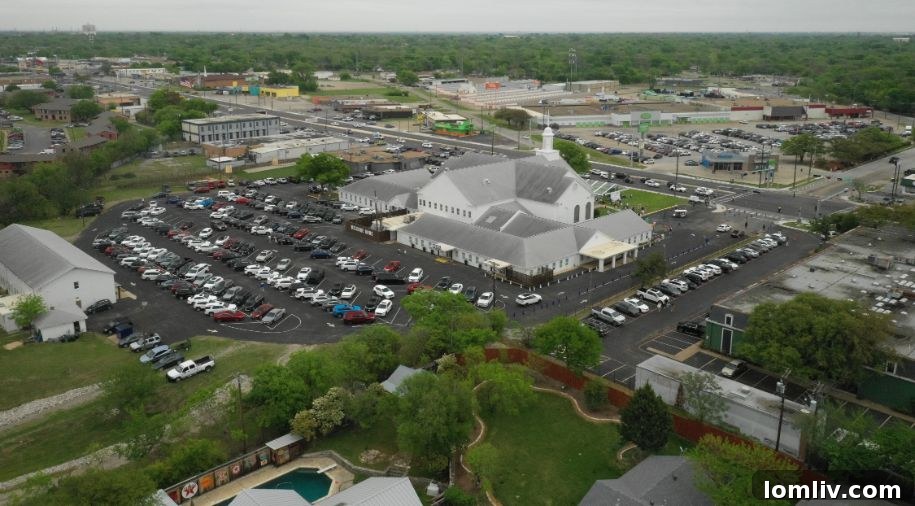
At the critical junction of Garland and Centerville Roads, a developer, Ojala Holdings, has put forth an application to rezone a parcel of land currently home to Shoreline City Church. The proposal seeks to transform this residential (R-7.5A) designated area into a Planned Development District (PDD) for high-density multifamily (MF-2A) use. Should the City of Dallas approve this pivotal zoning change, the developer intends to acquire the Shoreline property, an transaction whose financial details remain undisclosed to the public. This contentious rezoning battle highlights broader challenges in urban planning, community preservation, and the pursuit of balanced growth within Dallas neighborhoods.
The Shoreline Development: A Detailed Backstory and Proposed Plan
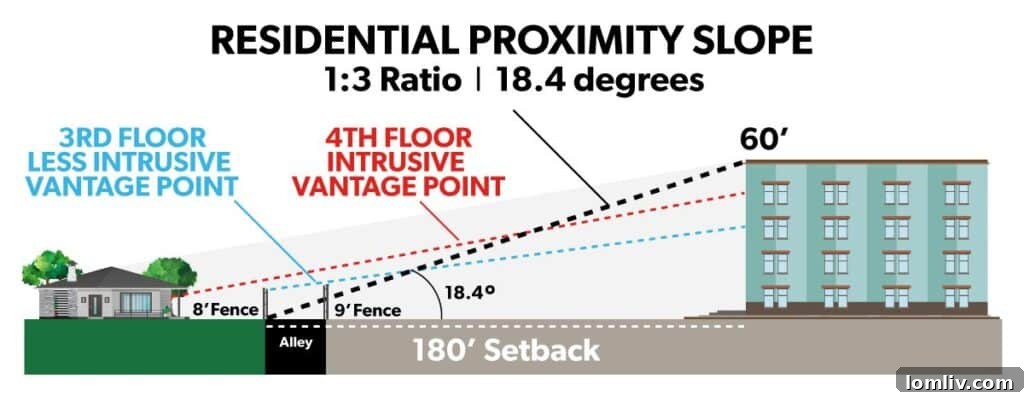
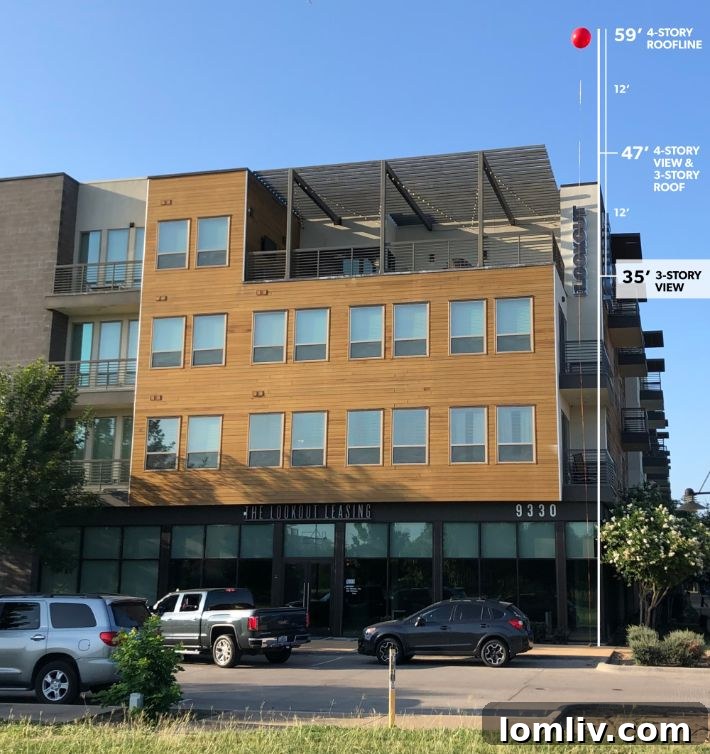
The developer’s application for a zoning change is not merely a formality; it outlines a substantial development project with far-reaching implications for the Lochwood community. The proposal includes the construction of 18 two-story townhomes alongside a formidable 288-unit, four-story multifamily complex. A key point of contention is the proximity of this complex to existing residential properties, with the main building situated a mere 180 feet – roughly 60 steps – from homes in the Lochwood neighborhood. Adding to these concerns, the main building’s height, particularly at its rear closest to the neighborhood, would soar to an imposing 59 feet. This scale starkly contrasts with the predominant character of Lochwood, a neighborhood largely defined by one-story homes and a single existing two-story apartment complex.
The rezoning of this site from its current residential status to a “planned development” would mark a significant precedent. It would be the first such development to directly adjoin the established Lochwood neighborhood, introducing a level of density and building height previously unseen in this specific residential area. The application was initially filed in November 2021, and by March 2022, it received a crucial endorsement: approval for tax-supported tax abatements from the City of Dallas Public Facility Corporation (PFC), a non-profit entity. This early approval from the PFC, prior to the city’s definitive decision on the zoning change itself, has raised questions regarding transparency and the sequence of approvals in major urban development projects.
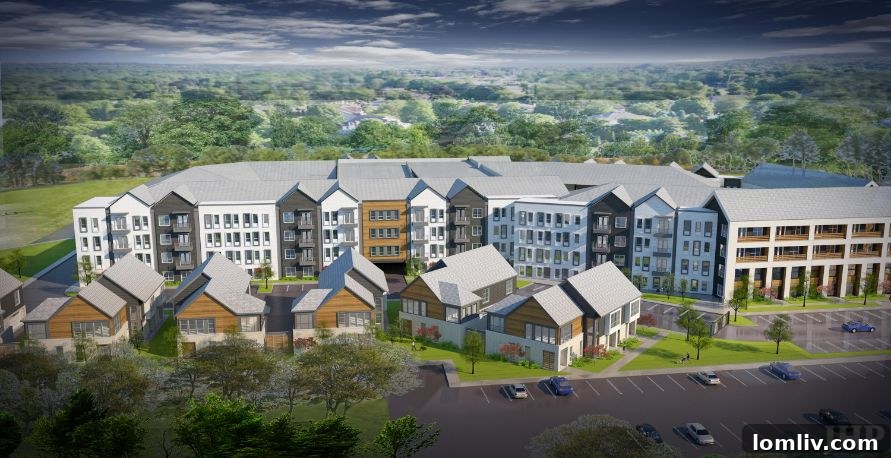
The formation of the City of Dallas Public Facility Corporation in 2020 was made possible by amended state legislation in 2015. This corporation plays a vital role in Dallas’s development strategy, empowered to award significant tax abatements to successful developer applicants, such as Ojala Holdings. These abatements, designed to incentivize development, effectively reduce the tax burden on developers for a substantial period, a cost ultimately borne by taxpayers. The Lochwood neighborhood became aware of this rezoning proposal in March 2022, prompting the Lochwood Neighborhood Association (LNA) to organize a community meeting in April to address growing concerns.
It’s important to clarify the atmosphere of that initial community gathering. While a small number of attendees expressed negative sentiments that did not align with the LNA’s carefully considered position and core concerns, the overwhelming majority of participants raised legitimate, respectful, and highly valid questions. Unfortunately, some media commentaries at the time disproportionately focused on the isolated instances of negativity, inadvertently overshadowing the serious and fundamental issues articulated by the LNA and concerned residents. The community’s primary objective was, and remains, to engage in constructive dialogue about the proposed development’s impact on local infrastructure, quality of life, and adherence to established urban planning guidelines.
Lochwood Neighborhood’s Core Concerns: Balancing Growth with Community Integrity
The Lochwood Neighborhood, through its association, is not inherently opposed to growth or increased density in Dallas. In fact, the LNA acknowledges and supports the city’s need for densification and the provision of more affordable housing options. However, this support is conditional upon careful, thoughtful planning that ensures an orderly and respectful transition to greater density. The LNA’s official position on zoning change application Z212-190 reflects a nuanced approach, advocating for sustainable urban development that enhances rather than detracts from existing community values.
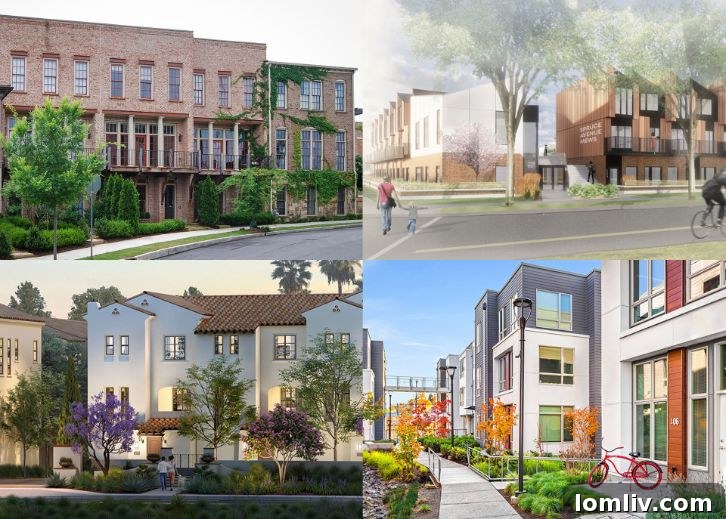
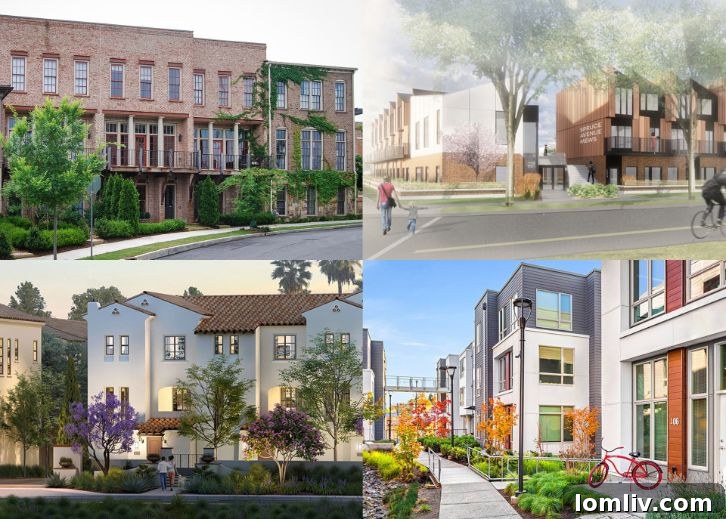
The LNA champions the construction of mixed-income, affordable housing initiatives, endorsing “gentle” densification and responsible multifamily development. Crucially, all new construction must demonstrate profound respect for the reasonable expectations and established character of contiguous neighborhoods. For examples of harmonious development, the LNA points to the principles of Missing Middle Housing.
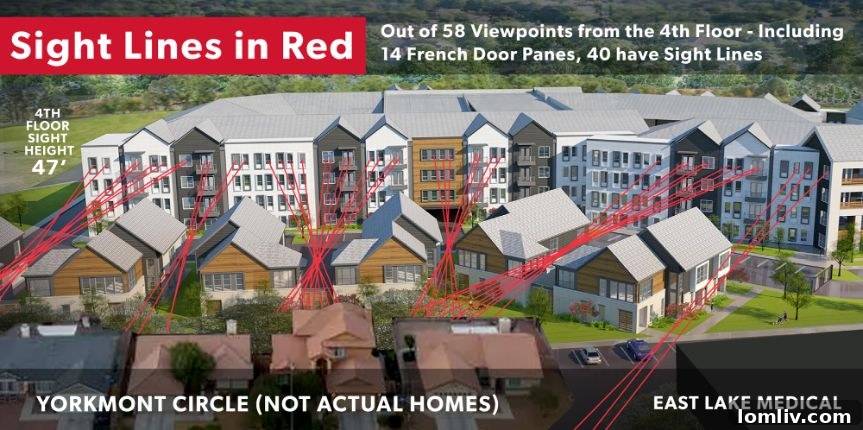
In the specific case of the proposed Shoreline project, the LNA vehemently opposes the towering building height of 59 feet. This excessive height raises significant privacy concerns, as top-floor residents of the new complex would possess direct sightlines into the private properties and homes of Lochwood neighbors. While the plan includes two-story townhomes and the strategic use of existing and newly planted trees as buffers, these measures are deemed insufficient to permanently prevent this visual intrusion. The issue becomes particularly acute during winter months when deciduous trees lose their leaves, allowing unobstructed views from the fourth floor into existing homes. This fundamental lack of privacy directly undermines the “reasonable expectations” of existing residents regarding their homes and private spaces.
Furthermore, the proposed planned development district appears to be in direct contravention of key provisions outlined in the city-adopted Garland Road Vision Study. Most notably, the development’s projected height significantly exceeds the 36-foot height limit stipulated in this comprehensive urban planning document. The Garland Road Vision Study was crafted to guide sustainable development along this vital corridor, and deviating from its core tenets without compelling justification raises serious questions about the city’s commitment to its own long-term planning goals. The LNA argues that this disregard for established planning guidelines sets a dangerous precedent for future developments across Dallas.
Beyond visual and planning concerns, the issue of traffic density is paramount. Garland Road and its arterial tributaries were simply not designed to accommodate the substantial increase in traffic volume that would inevitably result from an additional 300 proposed residential units. The existing infrastructure already struggles with peak-hour congestion, and adding hundreds of new vehicles without significant, pre-emptive infrastructure upgrades would exacerbate traffic bottlenecks, increase commute times, and diminish the quality of life for all residents who rely on these routes daily. The LNA stresses that a comprehensive traffic impact study, truly reflecting the long-term effects, is essential before any rezoning approval.
Decoding the Public Facility Corporation (PFC): Purpose, Practice, and Public Accountability
The City of Dallas Public Facility Corporation (PFC), authorized by state legislation in 2015, was established with a clear and laudable purpose: to foster the development of mixed-income multifamily projects. Its mandate is to serve as a crucial tool for urban redevelopment, aiming to deconcentrate poverty and broaden fair housing choices across the diverse neighborhoods of Dallas. The intention behind the PFC is to facilitate housing solutions that might otherwise be economically unfeasible, thereby contributing to a more equitable and inclusive city. However, the application of this mechanism in the Shoreline case has ignited a debate about its transparency and accountability.
The PFC Board, being relatively new, is still navigating its operational framework. In a controversial move, the Board decided to grant public tax abatements through a PFC partnership to the proposed Shoreline project. This decision came even before the application had received the requisite zoning approval from the City of Dallas. This sequence of events raises profound questions about due process and public trust. Critics argue that awarding significant taxpayer-funded incentives prior to a definitive land-use decision creates an undue financial pressure point, potentially influencing the city council’s rezoning deliberations by presenting it as a “fait accompli” or a project too economically advanced to halt.
The developer, Ojala Holdings, asserts that a four-story development is the minimum height required to ensure a viable return on investment, making the project economically worthwhile. While city councils typically refrain from factoring a project’s financing into their land-use rezoning decisions, the involvement of the PFC and the provision of long-term tax abatements transform this into an atypical scenario. This situation intertwines public subsidy with private development, creating a complex web of financial and community interests.
Crucially, when public tax dollars are committed to providing up to 75 years of tax abatements for a private developer, the taxpayers deserve nothing less than a completely transparent process. This includes ample opportunities to weigh in on the project’s details and to exert more significant influence on how such a major complex is ultimately designed and integrated into their community. The LNA emphasizes that such long-term financial commitments warrant a level of public engagement and accountability far beyond what has been observed in this case. The current process, they contend, undermines the democratic principle of local control and the right of residents to shape their urban environment.
Shaping Dallas’s Future: The Imperative for Thoughtful Development and Missing Middle Housing
The outcome of the Shoreline rezoning application carries implications far beyond the immediate vicinity of Lochwood. While the approval of this specific planned development may not establish a direct legal precedent, it undoubtedly represents a significant “foot in the door” for similar four-story, multifamily mid-rise complexes. These types of developments, if allowed to proliferate directly adjacent to established residential neighborhoods across Dallas, could fundamentally alter the character and livability of numerous communities. The potential for a cascade effect, where one approval paves the way for many more, is a primary concern for the LNA and other neighborhood advocacy groups.
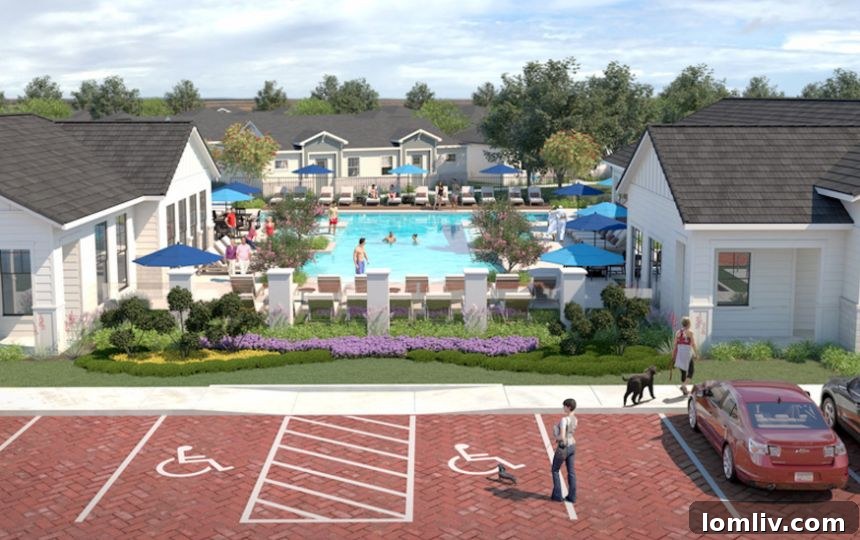
The LNA, while supporting responsible growth, firmly believes that more compatible and sustainable alternatives exist. A two- or three-story “missing middle housing” development, or even a thoughtfully designed built-to-rent single-family development, would offer a superior solution. Such alternatives could effectively provide much-needed workforce housing, gently increase density in a manner consistent with existing neighborhood scales, and, critically, respect the long-standing character and property values of adjacent communities. Either of these approaches would represent a genuine “win-win” scenario, benefiting developers with viable projects, providing essential housing for the workforce, and preserving the quality of life for current residents. Missing Middle Housing, by design, offers diverse housing types that are compatible in scale with single-family homes but provide more housing units, bridging the gap between detached single-family houses and large apartment buildings.
The battle at the Shoreline site is not an isolated incident; similar “storms” are brewing across Dallas. As urban centers grow, land becomes a premium commodity. Churches, facing dwindling congregations, diminishing resources, or, conversely, growing congregations requiring relocation to larger facilities, are increasingly becoming attractive targets for developers seeking valuable land parcels. Jim Schutze, a respected columnist, noted that the Dallas City Council decided to “crater residential zoning that had been in place for decades” at the old Parkland Hospital campus on Maple Avenue back in April. Similarly, Mockingbird Community Church is “now under contract with a closing contingent upon a successful rezone,” as reported by Sam Gillespie in the Advocate. These instances underscore a pervasive trend where existing zoning protections are being challenged, often without sufficient consideration for community impact.
In this context, the concept of “missing middle housing”—which offers a range of house-scale buildings with multiple units, compatible in scale and form with single-family neighborhoods—remains conspicuously absent from many new Dallas developments. The Shoreline and other recent cases serve as potent examples of why this critical housing typology is still missing from the city’s growth strategy. Developers often opt for the maximum allowable height and density, driven by financial models that prioritize return on investment over community integration and existing neighborhood compatibility.
Take a Stand: Empowering Community Voice in Dallas’s Urban Planning
The Lochwood Neighborhood Association’s official position on zoning change application Z212-190 is not a simple rejection; it’s a comprehensive framework designed to offer a balanced solution that benefits all stakeholders: the developer, the workforce needing housing, and the long-term residents of established neighborhoods. The LNA advocates for genuine missing middle housing across Dallas, ensuring that growth is both inclusive and respectful of existing communities. Conversely, it unequivocally opposes Z212-190 in its current form due to its significant detrimental impacts.
This critical case, at the earliest, is slated for review by the Dallas City Council on Wednesday, November 9th. This date represents a pivotal moment for the future of Lochwood and potentially many other Dallas neighborhoods. The question stands: Will you stand with the Lochwood Neighborhood Association in advocating for responsible, community-centered development? Your voice is crucial in shaping the urban landscape of Dallas for generations to come.
We urge all concerned citizens to contact their Dallas City Council Member, and specifically District 9 Council Member Paula Blackmon via [email protected], to express their opinions and concerns regarding this vital issue. Your direct communication with elected officials can make a significant difference in the decision-making process.
For those who wish to digitally register their opposition to Z212-190, the LNA has established an online petition. Signing this petition is a quick and effective way to demonstrate broad community sentiment against the proposed development.
To delve deeper into the specifics of this issue and understand the LNA’s detailed arguments and proposed alternatives, please visit the dedicated Lochwood web page opposing Z212-190. This resource provides comprehensive information and updates on the ongoing “Fight The Height” campaign.

Thomas Buck is a self-employed graphic artist and brand developer through Thomas Buck Studio. He actively serves as the communication chair for the Lochwood Neighborhood Association, playing a pivotal role in community advocacy. He is married to Kassandra Ramirez-Buck, Ph.D., an esteemed educator. Together, they are integral members of the Dallas workforce community, deeply invested in the city’s growth and the well-being of its neighborhoods.