By Bob Hoebeke
President, Hoebeke Builders
Embarking on a custom home building or major renovation project is a significant undertaking, one that often represents a lifetime investment and a deeply personal endeavor. Given the inherent complexity, substantial financial commitment, and emotional stakes involved, wouldn’t you want to ensure your project rests on the most stable foundation possible? Consider the simple analogy of a stool: A three-legged stool offers a certain degree of stability, but a four-legged stool provides an undeniable sense of security and perfect balance. A two-legged or one-legged stool? Utterly impractical, if not impossible, to sit upon without risking a tumble. This fundamental principle of stability is profoundly relevant to successful home construction.
In the intricate world of custom home building and high-end renovations, your project’s stability and ultimate success hinge on assembling the right team from the very beginning. This “four-legged stool” of essential expertise should ideally comprise an architect, a builder, an interior designer, and a landscape architect. Neglecting any one of these crucial disciplines from the outset is akin to intentionally removing a leg from your stool—it immediately introduces instability, invites unforeseen challenges, and dramatically increases the risk of costly missteps, budget overruns, and timeline delays. It’s a nearsighted approach that can compromise both your financial investment and your cherished vision for your dream home.
The profound synergy created by these diverse professionals working together early in the project is rooted in what Webster’s defines as “complementary skills”: abilities that combine in such a way as to enhance or emphasize the qualities of each other. In more accessible terms, where one expert’s specialized knowledge might end, another’s begins, creating a comprehensive and robust framework for your entire project. This integrated approach ensures that every angle is covered, every potential pitfall is considered proactively, and every opportunity for efficiency, innovation, and aesthetic coherence is seized before issues can even arise. It’s about collective intelligence elevating individual brilliance.
Building Your Dream Home: The Essential “Full Table” Team for Success
If your true objective is to optimize your project’s budget, accelerate the construction timeline, and achieve a truly harmonious, functional, and aesthetically superior living space, then inviting all four major disciplines to the planning table from day one is not just advisable—it’s absolutely imperative. Allowing their diverse skills and unique perspectives to “complement” each other fosters an intensely collaborative environment where potential problems are identified and resolved proactively, rather than reactively through expensive change orders later in the process. This early integration of expertise is the cornerstone of a smooth, efficient, and ultimately more satisfying home building experience, leading to a superior final product that truly reflects your aspirations.
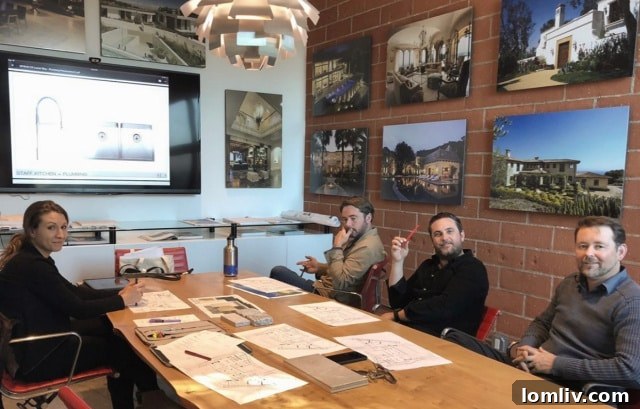
But who exactly are these invaluable professionals, and what specific expertise do they bring to your complex home building project? Let’s delve deeper into their core responsibilities and uncover precisely why each role is absolutely essential for transforming your abstract vision into a successful, tangible reality. By understanding their distinct contributions, you’ll grasp how they collaboratively create a home that is not only aesthetically breathtaking but also perfectly functional, highly durable, and harmoniously integrated with its surrounding environment.
- Architects: The Visionaries, Structural Custodians, and Master Planners
Architects are, in essence, the ultimate custodians of the entire design and building process, responsible for translating your abstract dreams, functional requirements, and lifestyle needs into a tangible, buildable structure. They possess specialized and extensive training in the fundamental principles of design, meticulously adhering to time-tested theorems of size, shape, proportion, light, and spatial relationships. From initial conceptual sketches to highly detailed blueprints and construction documents, they painstakingly plan the “bones” of your home, ensuring not only structural integrity and compliance with local building codes but also an overarching aesthetic vision and a coherent flow throughout the property. Indeed, if a home ends up aesthetically displeasing or functionally awkward, the blame often traces back to a lack of proper architectural guidance or insufficient communication within the project team. While the truly exceptional architects possess an exquisite taste, an innate sense of balance, and a keen eye for proportion, even the most talented can sometimes create designs that miss the mark if client input is unclear or if they are not part of an integrated team that provides comprehensive feedback from various angles—especially regarding budget and interior functionality. Their role extends far beyond mere aesthetics; they meticulously consider circulation patterns, natural light harvesting, passive ventilation strategies, energy efficiency, and how the entire structure will flawlessly interact with its specific site, microclimate, and surrounding environment. Their early and continuous involvement is absolutely critical for setting the right foundation, both literally and figuratively, for a successful and enduring home.
- Builders: The Master Orchestrators of Construction, Logistics, and Budget Control
Builders are the gigantic puzzle “put-togetherers,” the logistical masterminds who transform intricate architectural drawings and designs into a physical, habitable reality. They live and breathe the practicalities of construction, constantly evaluating materials—their availability, long-term durability, optimal assembly methods, and, critically, their precise cost implications. Every single day, they navigate a complex world of shifting budgets, strict timelines, skilled labor management, and intricate supply chains. This intimate, hands-on understanding of construction costs, methodologies, and market realities makes builders uniquely positioned to guide the other disciplines in keeping your project firmly on budget without ever sacrificing quality or structural integrity. They are the frontline managers, expertly coordinating a diverse array of subcontractors, meticulously overseeing site safety protocols, rigorously ensuring quality control at every stage, and precisely managing the project schedule to meet agreed-upon deadlines. Their practical expertise is invaluable from the earliest design phases, as they can provide immediate, real-world feedback on the constructability and true cost implications of various design choices, thereby preventing expensive rework, frustrating delays, or extensive value engineering efforts later in the process. A truly great builder brings unparalleled efficiency, rigorous accountability, and expert practical problem-solving capabilities to the team table, ensuring that the grand vision created by the architect is realized efficiently, economically, and to the highest standards of craftsmanship.
- Interior Designers: The Curators of Comfort, Functionality, and Personal Aesthetics
While the architect designs the structural “bones” and envelope of your home, the interior designer “dresses” those bones, meticulously transforming a mere house into a deeply personalized home that perfectly reflects your unique lifestyle, taste, and emotional needs. They are the true experts in making your daily life beautiful, highly functional, and supremely comfortable within those meticulously designed walls. Unlike architects or builders, interior designers possess specialized training and extensive experience in the nuanced interplay of color palettes, pattern harmony, texture variety, fabric selections, strategic lighting design, and optimal spatial arrangement. Their early involvement in the project is absolutely paramount; waiting until later in the process means missing crucial opportunities for optimal furniture placement, thoughtful and efficient traffic flow, and seamlessly integrated storage solutions that might require minor architectural adjustments or custom millwork. For instance, a designer can identify early on if a particular room needs just a touch more space for a custom built-in entertainment unit, a wider entryway for improved accessibility, or a strategically placed electrical outlet for a specific lighting fixture. They expertly guide you through the overwhelming array of material selections for finishes, fixtures, and furnishings, ensuring not only aesthetic cohesion and long-term durability but also adherence to your budget. Beyond mere decoration, they deeply consider functionality, ergonomics, acoustic properties, and how the interior environment profoundly impacts mood and wellbeing, ultimately creating spaces that are not only stunningly beautiful but also truly liveable, remarkably efficient, and profoundly reflective of the homeowner’s unique personality and aspirations.
- Landscape Architects/Designers: Integrating Your Home with Nature and Site Dynamics
Landscape architects or designers play an incredibly pivotal role in seamlessly integrating your home’s design with its specific surrounding environment, effectively extending your living space beyond the confines of its walls. More importantly, their early involvement allows them to pay close and critical attention to crucial site considerations right from the project’s inception. This includes meticulously evaluating the finished floor height of your foundation relative to existing trees, analyzing the intricate site topography, and predicting crucial drainage patterns. Water, as any experienced builder or homeowner knows, is a project’s perennial enemy and MUST be effectively managed to flow safely away from your home’s foundation. Complex issues like the health and preservation of existing tree root systems, challenging sloped terrain, and managing a neighbor’s runoff all become significant concerns that a landscape architect is uniquely qualified to assess, plan for, and mitigate. Tragically, many valuable existing trees have been irreparably damaged or killed during construction by overzealous builders who inadvertently bang into them, sever critical roots during excavation, or bury their root flare with excessive dirt. Your landscape architect acts as the vital protector of existing natural features and the visionary planner of future outdoor amenities, ensuring such costly and irreversible mishaps don’t occur. With a keen eye towards the finished gardens, meticulously designed hardscaping (patios, walkways, driveways), and overall outdoor living spaces, a good land designer will identify optimal pathways, appropriate flower bed footings, necessary retaining walls, efficient irrigation needs, and strategic outdoor lighting at the team design table. This proactive and comprehensive planning ensures that vital provisions for these elements are made both in the initial budget and during the critical foundation pouring phase, saving you substantial time, money, and myriad headaches associated with costly post-construction modifications. They expertly craft outdoor environments that dramatically enhance curb appeal, provide functional and beautiful recreation spaces, contribute positively to the property’s overall value, and promote ecological health and sustainability.
To summarize the core challenge without a full, integrated team: a fundamental knowledge gap emerges. Architects excel at conceptual design but may not possess precise cost estimates for specific materials or detailed furniture placement knowledge; builders are masters of construction cost and execution but might lack an architect’s refined design sensibility or an interior designer’s nuanced flair for finishes; neither of these two disciplines typically has much of an idea about optimal furniture layout, the psychological impact of color palettes, or the intricacies of soft furnishings; and critically, none of the first three possess the specialized expertise required to effectively manage the complex dynamics of the yard, including drainage, mature tree preservation, and its seamless integration with the built structure. Each professional brings a unique, indispensable lens through which the entire project is viewed, refined, and ultimately brought to a successful, holistic conclusion.
The Hidden and Overt Costs of an Incomplete Building Team
The temptation for many homeowners is to attempt to economize by hiring only one, or perhaps two, of these crucial disciplines at the project’s inception. While this approach might seem logical on the surface, offering what appears to be upfront savings, it is almost invariably a false economy that leads to significant inefficiencies, substantial monetary waste, and considerable stress down the line. When critical knowledge gaps are allowed to persist within the project team, they inevitably lead to frustrating “do-overs,” expensive change orders, unforeseen delays, and regrettable compromises that could have been entirely avoided with comprehensive early-stage collaboration.

Consider these all-too-common scenarios: An architect might design a stunning, open-concept living space that, later, the interior designer discovers cannot comfortably accommodate standard furniture sizes, requiring either expensive custom pieces or structural modifications. Or perhaps the builder proceeds with a foundation pour and excavation, only for the landscape architect to realize too late that a critical drainage path has been obstructed or that a valuable mature tree’s roots have been compromised, leading to costly excavation, re-grading, or even tree removal. Maybe the interior designer specifies unique, high-end materials for finishes that the builder subsequently finds are either unavailable, have extremely long lead times, or are prohibitively expensive for the allocated budget, causing significant delays while suitable alternatives are sourced and integrated into the design, often resulting in aesthetic compromises.
These reactive problem-solving scenarios invariably escalate both direct costs and project timelines. Every “do-over” involves wasted materials, unproductive labor hours, and often, additional redesign fees from multiple professionals. Beyond the tangible financial costs, there’s the immeasurable emotional toll of prolonged project delays, increased stress levels for the homeowner, and the deep frustration of seeing your initial vision compromised due to preventable oversights. The ripple effect of a late-stage discovery can impact every subsequent phase of the project, leading to a domino effect of budget overruns, compromises in quality or functionality, and a less-than-ideal final outcome. It’s a classic case where an ounce of prevention—meaning the early investment in a full, integrated project team—is truly worth a pound of cure, saving you exponentially more in the long run.
Though it may initially seem counter-intuitive to invest in a full team before breaking ground, hiring all four disciplines—the architect, the builder, the interior designer, and the landscape architect—before you start any physical construction on your project is the most reliable, efficient, and cost-effective way to ensure that most, if not all, potential gaps in knowledge, planning, and execution are comprehensively covered. The unparalleled efficiency and seamless collaboration of having your four essential TEAM members working together at the same table from the very beginning not only adds incredible synergy, collective intelligence, and creative momentum to your project, but also dramatically speeds the entire process along while proactively minimizing costly mistakes, extensive rework, and unforeseen challenges. This truly integrated approach leads to a more cohesive design, a more accurate and controlled budget, a significantly smoother construction phase, and ultimately, a more beautiful, functional, valuable, and enduring home that stands the test of time, proudly supported by a truly stable, four-legged foundation of expert collaboration.
Next Time: We will delve deeper into the critical aspect of effectively managing your integrated project team. Our focus will be on how to clearly define your goals for the project, establish realistic parameters, and foster effective communication strategies to ensure your vision remains precisely on track and achieves its full potential. Stay tuned for invaluable insights on transforming your dream home into a tangible, stress-free success.
From developing a comprehensive “Lifestyle Inventory” to meticulously building and monitoring your Project Team, Hoebeke Builders Consulting Services provides all the essential tools necessary to dramatically increase your project’s efficiency while significantly decreasing its overall cost! Discover more at www.hoebekebuilders.com.