

Welcome to “Upon Closer Inspection,” a recurring series brought to you by the meticulous experts at Green Scene Home Inspections. Here, we provide Daltxrealestate.com readers with invaluable insights into maintaining their homes. Want to gain the perspective of a professional inspector? Stay tuned for practical advice that can save you time, money, and future headaches.
This post may contain affiliate links, which means we may earn a small commission if you make a purchase through our links, at no extra cost to you. We only recommend products and services we believe in.
With many of us spending more time within our homes, there has never been a more opportune moment to tackle that ever-growing list of home maintenance tasks. As seasoned home inspectors, we can confidently assert that most homeowners are likely behind on their routine upkeep. Neglecting these seemingly small jobs can lead to significant, costly repairs down the line, diminish your home’s efficiency, and even impact its overall market value.
This spring, transform your downtime into productive home improvement time. By proactively addressing these essential maintenance items, you can safeguard your property, ensure its systems operate smoothly, and preserve its long-term investment value. Let’s delve into the critical tasks you should be focusing on right now to protect your most valuable asset.
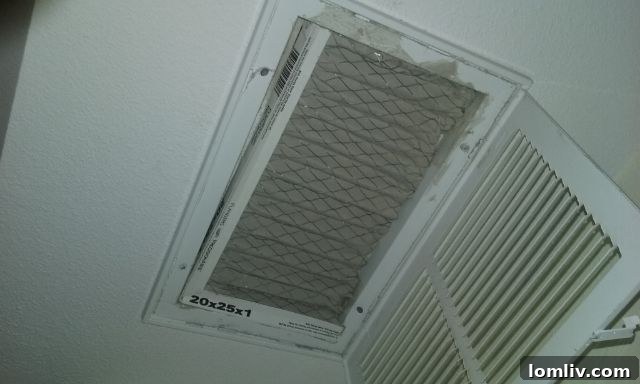
Optimize Your Indoor Air Quality: Inspect and Replace A/C Filters
One of the simplest yet most impactful home maintenance tasks is regularly checking and changing your HVAC (Heating, Ventilation, and Air Conditioning) filters. As we spend more time indoors, breathing clean air becomes paramount for our health and well-being. A dirty filter not only compromises air quality by allowing dust, allergens, and pollutants to circulate, but it also forces your A/C system to work harder, leading to higher energy bills and increased wear and tear on the unit.
Aim to inspect your filters monthly and replace them every 1 to 3 months, depending on factors like pet ownership, allergies, and local air quality. When replacing, note the MERV (Minimum Efficiency Reporting Value) rating; a higher MERV rating indicates better filtration but may restrict airflow if your system isn’t designed for it. While you’re at it, take a moment to clean and sanitize the inside and outside of the registers throughout your home. This helps prevent dust buildup and ensures optimal airflow. You can easily order filters to be delivered by your local grocery or on Amazon, making this crucial task incredibly straightforward. Prioritizing clean filters is a quick win for both your family’s health and your energy budget.
Ensure Home Safety: Test Critical Life-Saving Systems
Safety should always be a top priority for every homeowner. Now is the ideal time to systematically test all your home’s essential safety devices to ensure they are fully operational and ready to protect your family in an emergency. This proactive check can make all the difference in a critical situation.
- Smoke Alarms: Test all smoke alarms monthly by pressing the test button. Replace batteries annually, even if they haven’t chirped, and replace the entire unit every 10 years. Make sure you have both ionization (better at detecting flaming fires) and photoelectric (better at detecting smoldering fires) alarms, or dual-sensor units, placed strategically on every level of your home, especially near sleeping areas.
- Carbon Monoxide (CO) Detectors: Often called the “silent killer,” carbon monoxide is an odorless, colorless gas. Test your CO detectors monthly and replace batteries annually. These units should be installed on every level of your home, particularly outside sleeping areas and near attached garages. Like smoke alarms, CO detectors have a lifespan and should typically be replaced every 5-7 years.
- Water Heater Pan Alarms: This often-overlooked device can prevent significant water damage. Ensure your water heater has an approved water pan underneath it, and that a functional alarm is installed within the pan. This alarm will alert you at the first sign of a leak, providing precious time to address the issue before it turns into a devastating flood. Test these alarms regularly to confirm they are active.
- Fire Extinguishers: Keep at least one working fire extinguisher on each floor of your house, with a particular emphasis on the kitchen, garage, and workshop areas. Familiarize yourself with the “PASS” method for using an extinguisher (Pull, Aim, Squeeze, Sweep) and check the pressure gauge to ensure it’s in the green zone. Most household extinguishers are ABC-rated, suitable for common types of fires. If you don’t have these crucial safety devices in place, order them online today and ensure your home is fully equipped for safety.
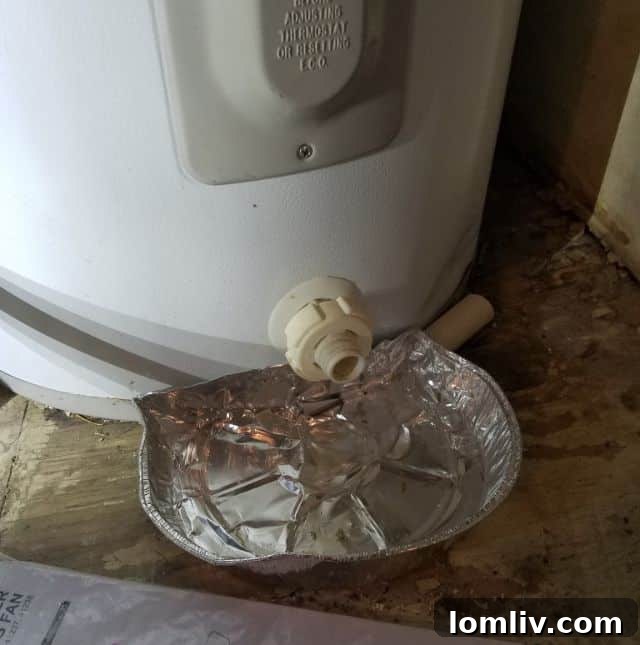
Pro Tip: The image above illustrates an unapproved water pan setup. It’s crucial to ensure your water heater is correctly situated within a properly installed water pan equipped with a functioning alarm. This crucial setup serves as your early warning system, detecting leaks and potentially saving you from extensive water damage and costly repairs, rather than confronting an unexpected flood.
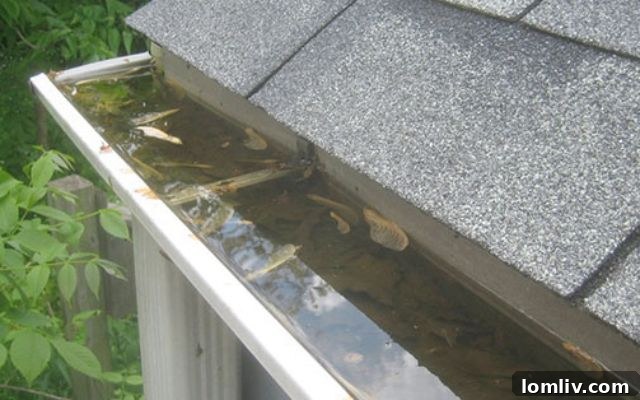
Protect Your Foundation: Thoroughly Inspect and Clean Your Gutters
As spring brings more frequent rainfall, your home’s gutter system becomes incredibly vital. Clogged or improperly functioning gutters are a leading cause of significant and expensive home damage, including foundation issues, basement flooding, rotten fascia boards, and eroded landscaping. Now is the perfect time to give your gutters the attention they deserve.
Start by safely cleaning out all your rain gutters. Remove accumulated leaves, twigs, dirt, and other debris that can impede water flow. A garden hose can help flush out any remaining grime. Once the gutters are clear, check all downspouts to ensure they are unclogged and pointed away from your house’s foundation, ideally extending at least 5 to 10 feet. Consider adding downspout extensions if they currently drain too close to the foundation. This simple step can prevent water from pooling around your home and seeping into your basement or crawl space.
While you’re up on a ladder (always ensure proper ladder safety and have a spotter), take a moment to visually inspect your roof from the edges. Look for any loose, cracked, or missing shingles, signs of moss or algae growth, or damaged flashing around chimneys and vents. Additionally, trim back any tree branches that are too close to or directly over your roof. Overhanging branches can scratch shingles, drop debris that clogs gutters, and provide easy access for pests. More importantly, during high winds or storms, they pose a significant risk of causing direct roof damage or even falling onto your home. Proactive gutter maintenance and branch trimming are fundamental steps in protecting your home’s exterior and structural integrity.
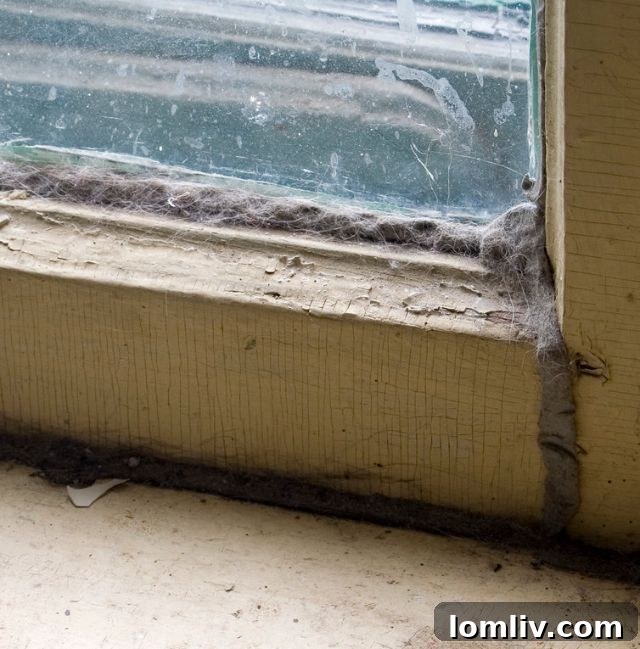
Boost Energy Efficiency: Ensure Your Home is Properly Sealed with Caulk
One of the most effective and affordable ways to improve your home’s energy efficiency and prevent moisture intrusion is by ensuring all exterior seams and penetrations are properly sealed. Over time, caulk can dry out, crack, and pull away, creating gaps that allow conditioned air to escape and unconditioned air, moisture, and pests to enter. This leads to higher energy bills and potential damage from water infiltration.
Conduct a thorough inspection of the caulking around all your windows, doors, and any exterior vents, pipes, or utility line penetrations. Pay close attention to areas where different materials meet, such as siding transitions or around your foundation. If you notice any cracks, gaps, or deteriorated caulk, it’s time to reapply. Properly sealed gaps will not only keep your home more comfortable by preventing drafts but also protect your interior from water damage and deter insect infestations.
You can easily purchase caulk online at Home Depot or Lowes or on Amazon. There are various types of caulk, each suited for different applications (e.g., acrylic latex for paintable interior/exterior use, silicone for moisture-prone areas). For detailed guidance on application, here’s a useful guide for caulking windows and doors. Don’t forget to also check the weatherstripping around your exterior doors and windows for any signs of wear and tear, replacing it as needed to maintain a tight seal.
Taking these steps to seal your home properly is a smart investment that pays dividends in energy savings, enhanced comfort, and long-term structural integrity. These preventative measures are crucial for maintaining your home’s value and preventing more significant issues down the road.
For even more detailed guidance and a comprehensive checklist, refer to Green Scene Home Inspections’ full spring home maintenance guide. By dedicating a little time to these essential tasks, you’re not just doing chores; you’re safeguarding your home and ensuring it remains a comfortable, efficient, and valuable sanctuary for years to come.