Navigating the Confusing Housing Market: Why Local Expertise Trumps National Hype
In today’s fast-paced world, it often feels like we’re constantly bombarded with conflicting information. From health advice and investment strategies to lifestyle choices, everyone seems to have a strong opinion, making it incredibly difficult to discern fact from fiction. Just consider the myriad discussions around topics like vaccine efficacy or the volatility of cryptocurrency markets. The sheer volume of diverse viewpoints can leave anyone feeling overwhelmed and uncertain, searching for clarity amidst the noise.
This widespread confusion is particularly prevalent when it comes to the real estate market. Many homeowners, potential buyers, and investors are finding themselves caught in a whirlwind of headlines, expert predictions, and anecdotal evidence. They frequently approach me, curious about my perspective on the current housing landscape, often sharing links to articles that paint wildly different pictures:
- “Housing Boom is Over as New Home Sales Fall to Pandemic Low”
- “How Risky is the Booming Housing Market”
- “Existing Home Sales Rise Modestly After Months of Declines”
- “New Home Sales Drop”
These examples perfectly illustrate the problem. One article declares the “boom is over,” another warns of risk in a “booming market,” while others report “modest rises” or “slips.” How can anyone make sense of such disparate reports? Reading through these and countless other national pieces can leave you with an impression ranging from an impending housing market collapse to an unstoppable economic anomaly that could continue indefinitely. It’s a genuine puzzle that underscores a critical flaw in how much of the media presents real estate news.
The Pitfalls of National Real Estate Narratives and Media Hype
The core issue lies in the broad-brush approach often taken by national news outlets. If the housing market were truly on the verge of an implosion or a perpetual surge, why would we see such conflicting national stories about booms ending and sales dropping simultaneously with reports of continued growth? This inconsistency isn’t accidental; it often serves a specific purpose for mainstream media.
Sensational headlines, particularly those that spark fear, uncertainty, or panic, tend to generate significantly more clicks and engagement than positive or nuanced reporting. It’s an unfortunate reality of the digital age: a headline proclaiming “THE HOUSING BUBBLE IS BURSTING!” will almost invariably attract more attention than one celebrating stable growth or detailed local market analysis. This profit-driven approach often sacrifices accuracy and local relevance for mass appeal, leaving consumers more confused than informed.
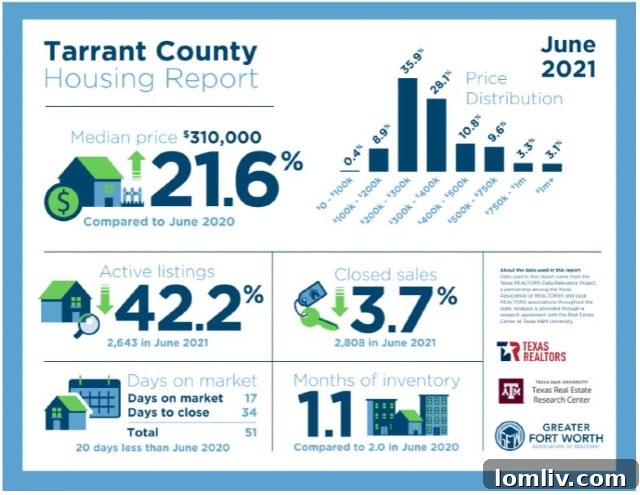
If you genuinely seek an unbiased, data-driven snapshot of what the housing market looks like in your specific area, you must consciously step away from national websites that thrive on clickbait headlines designed to raise your blood pressure. Instead, search for reliable local voices and news sources – like the insightful and award-winning content you’ll consistently find here on Daltxrealestate.com – which are dedicated to providing actual facts and hyper-local context.
Understanding Hyper-Local Dynamics: Why Location Truly Is Everything
It’s crucial to remember that the United States is a vast and diverse country, both geographically and economically. What happens in the real estate market of one state, or even one city, can be entirely different from another. For instance, Texas, with its robust economy, differs significantly from many other states. Factors such as favorable weather patterns, consistent economic growth, a remarkably stable job market, the absence of state income taxes, and business-friendly rules and regulations are all immense draws. These elements are key reasons why Texas continues to experience significant population influx, with people eager to live and work here. These unique characteristics create a distinct market environment that simply cannot be generalized by national trends.
Everything is Hyper-local: Beyond State Borders
The concept of “hyper-local” extends even further than state lines. Even within a specific metropolitan area or city, there are myriad different factors that can make one neighborhood substantially more valuable or competitive than another. Considerations like the quality of local schools, proximity to major employment centers, access to amenities (parks, shopping, dining), crime rates, infrastructure development, and even specific community demographics all play a significant role in shaping local market values and demand.
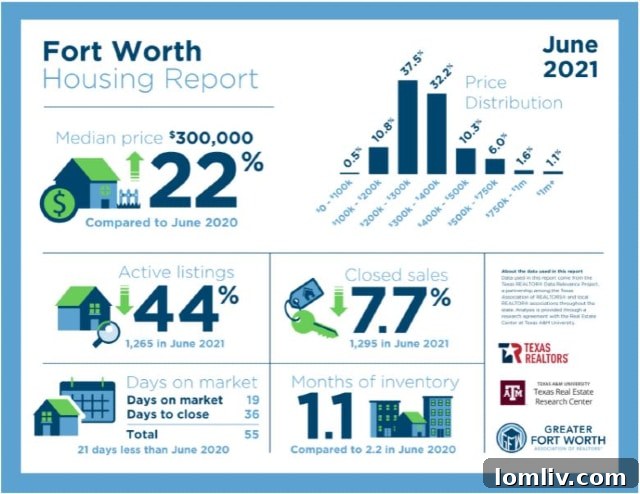
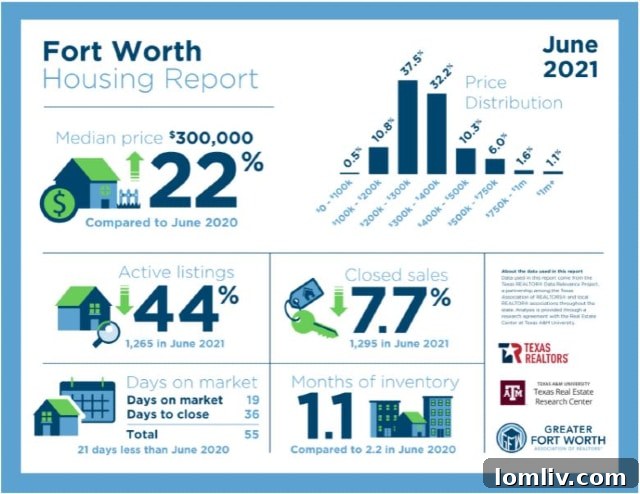
This is precisely why consulting your local Realtor is paramount. They possess an intimate understanding of these granular details. More importantly, they have access to actual, reliable data from the local association of Realtors. These associations typically produce monthly reports based on consistent criteria, providing a true and unfiltered representation of specific areas within a defined market. Unlike national news stories, these reports are not designed to garner clicks through sensationalism; they are meticulously crafted to offer accurate and actionable insights for local buyers, sellers, and real estate professionals. They focus on metrics like median home prices, average days on market, inventory levels, and sales volume – data points critical for making informed local decisions.
Therefore, it is imperative to steer clear of national sites that attempt to lump the entire U.S. housing market into a single, cohesive story. The market dynamics in Texas are distinct from those in Michigan, Oregon, or Vermont. Whatever fluctuations or trends occur in those distant states are not necessarily indicative of what is happening in the thriving and unique market of the Lone Star State.
Most of all, look at true, granular data.
Making informed decisions in real estate necessitates a deep dive into genuine, localized data. Understand the specific search criteria being used in any market report and how those parameters genuinely affect your home search or sale. Every neighborhood, every block, even every street, has its own unique characteristics and market micro-trends. Relying on articles specifically designed as clickbait, which often oversimplify or distort realities to create confusion, will never give you a true, accurate indicator of this challenging and often bizarre market. Instead, such articles will only contribute to the noise, making your real estate journey more stressful and less successful.
The Indispensable Role of Your Local Realtor
A local Realtor is much more than just someone who opens doors to homes. They are your trusted advisor, market analyst, and skilled negotiator, deeply embedded in the community you’re interested in. They understand the nuances of school districts, traffic patterns, future development plans, and the subtle shifts in neighborhood desirability that national algorithms simply cannot capture. They provide context to the data, helping you understand what rising interest rates mean for local affordability or how new zoning laws might impact property values in a specific area. By partnering with a local professional, you gain access to an unparalleled depth of knowledge that transforms raw data into actionable intelligence, guiding you confidently through the complexities of buying or selling a home.
Key Market Indicators to Watch (Locally)
When you’re working with your local Realtor, they’ll help you focus on the most relevant market indicators for your specific area:
- Inventory Levels: How many homes are available for sale? Low inventory often means a seller’s market, driving up prices and competition. High inventory suggests a buyer’s market.
- Days on Market (DOM): How long are homes typically staying on the market before selling? A low DOM indicates strong demand and fast sales, while a high DOM might suggest a slower market or overpricing.
- Median Home Price: This is a key metric for understanding affordability and market value. Tracking its trend (up, down, or stable) is crucial.
- Sales-to-List Price Ratio: Are homes selling above, at, or below their asking price? This indicates how competitive the market is and how much negotiating power buyers have.
- Interest Rates: While determined nationally, their impact is felt locally through buyer affordability and monthly mortgage payments. Your Realtor can help you understand current rates and their local implications.
Focusing on these hyper-local metrics, with the guidance of a seasoned professional, will empower you to make decisions based on concrete facts rather than speculative headlines. This approach fosters a sense of control and clarity, replacing market anxiety with informed confidence.
Conclusion: Empowering Your Real Estate Journey with Local Truths
In a world overflowing with information, the real estate market can feel particularly daunting. The cacophony of national headlines, often designed more for sensationalism than accuracy, only adds to the confusion. However, by understanding the critical distinction between broad national narratives and detailed hyper-local realities, you can cut through the noise.
The path to making smart, confident real estate decisions begins with a clear commitment: ignore the generalized fears and unrealistic hopes propagated by national media. Instead, center your focus on verifiable, localized data, and forge a partnership with a trusted local Realtor. Their expertise, access to specific market reports from local associations, and profound understanding of your community are invaluable resources. They will provide the clarity and guidance you need to navigate this dynamic market successfully, whether you are buying your dream home, selling an investment property, or simply seeking to understand the value of your most significant asset. Your local market is unique, and your strategy should be too.