By Michelle Lynne
President, ML Interiors Group
Designing for Serenity: Key Interior Trends Shaping Modern Living Spaces
After a year that profoundly reshaped our relationship with home, the focus for interior design in 2021 has undeniably shifted towards creating environments that not only serve our evolving lifestyles but also foster a deep sense of tranquility. The home has become a multi-functional sanctuary – an office, a school, a gym, and above all, a peaceful retreat. Clients are now more than ever seeking spaces that allow them to begin their day with calm, work productively within its walls, and unwind serenely at the end of it.
Embracing an Organic, Relaxed Vibe
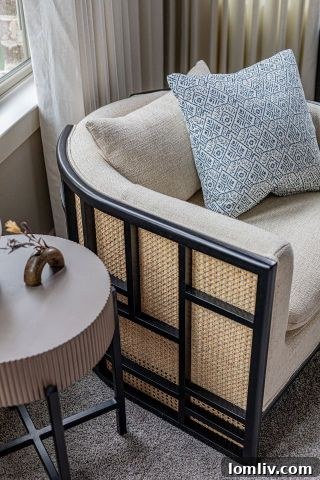
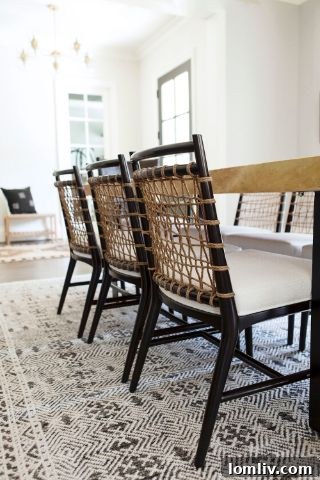
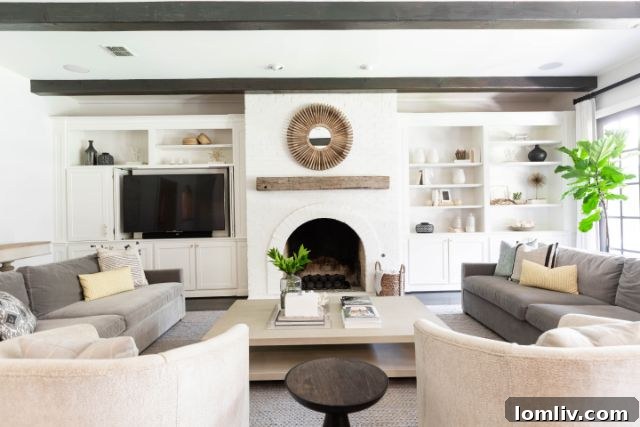
The pursuit of an organic, relaxed aesthetic stands out as a dominant trend, aiming to reconnect us with nature and soothe our senses. This style is characterized by the thoughtful incorporation of woven furniture and accessories, alongside textiles that drape gracefully across various pieces. Think rattan, jute, linen, and soft cotton – materials that add depth and visual interest without overwhelming the space. Texture becomes a silent storyteller, creating a tactile experience that enhances comfort and visual warmth.
Neutral colors continue to play a pivotal role in establishing a calming environment. Palettes featuring warm whites, soft greys, earthy browns, muted greens, and gentle blues allow these rich textures to take center stage. These serene hues create a harmonious backdrop, enabling elements like a chunky knit throw, a woven basket, or a textured rug to truly shine. This approach to design encourages a peaceful atmosphere, helping to reduce visual noise and promote a sense of well-being within the home. It’s about crafting spaces that feel lived-in and inviting, celebrating natural beauty in its most refined form, and fostering an overall sense of quiet luxury.
The Enduring Appeal and Return of Natural Wood
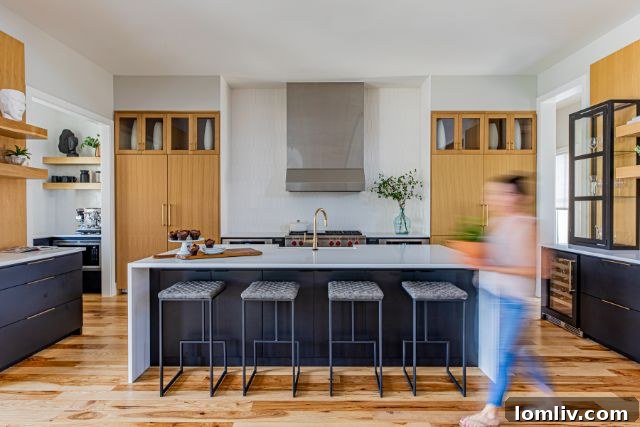
After a long period dominated by sleek, painted white cabinetry, natural wood is making a significant and welcome return to kitchens and other living spaces. This resurgence is driven by a desire for warmth, authenticity, and a connection to nature. Rather than the dark, heavy woods of previous decades, today’s trends favor lighter, more organic wood species and innovative applications.
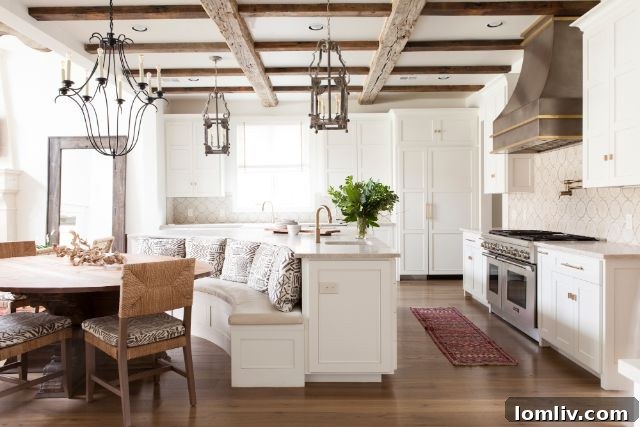
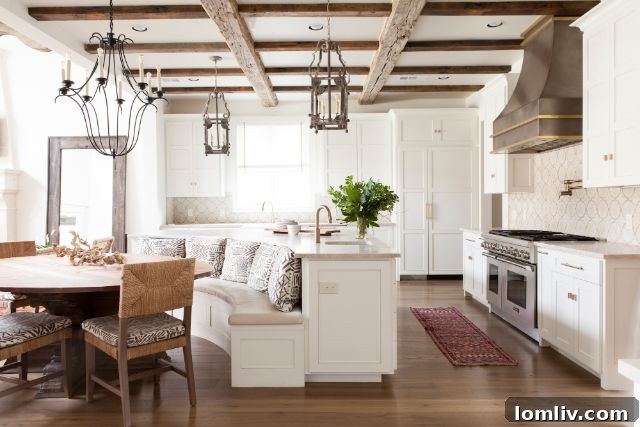
We are seeing beautiful rift-cut white oak gracing kitchen cabinets, celebrated for its subtle grain and contemporary feel. Rustic wooden beams are adding architectural character and a sense of history to ceilings, while open shelving crafted from natural wood provides both display space and a light, airy aesthetic. Beyond the kitchen, wood is being incorporated into furniture, wall paneling, and even flooring to create cohesive and inviting interiors. Newer, trendier wood species like ash and maple are also being explored, offering fresh alternatives while still honoring the timeless appeal of materials like walnut. This trend speaks to a deeper appreciation for craftsmanship and materials that age gracefully, bringing an undeniable sense of grounding and sophistication to any home.
Elevating Outdoor Living Spaces
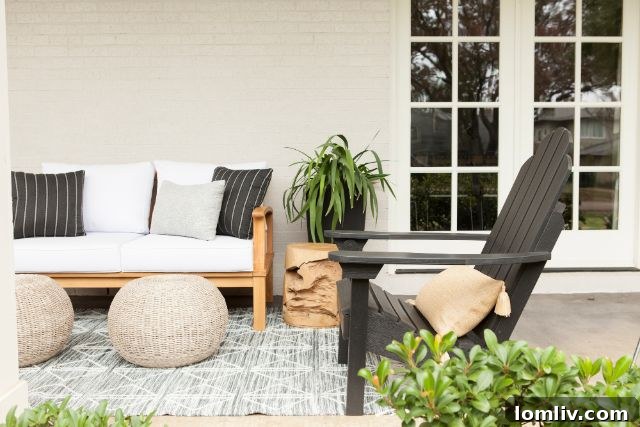
The past year has dramatically increased our appreciation for every square foot of our homes, leading to a significant resurgence of interest in outdoor living spaces. This is particularly true in regions with mild climates, like Texas, where outdoor areas can be enjoyed for much of the year, even extending through cooler winter months. These spaces have become invaluable extensions of our indoor living environments, providing families with additional room to relax, dine, entertain, and simply breathe.
Designing an effective outdoor living area involves much more than just placing a few chairs on a patio. It’s about creating fully functional “rooms” that seamlessly blend with nature. This includes comfortable, weather-resistant furniture for lounging and dining, perhaps a built-in outdoor kitchen or grill station, and ambient lighting to set the mood after sunset. Features like pergolas, gazebos, and even retractable awnings provide much-needed shade and protection from the elements, ensuring comfort regardless of the weather. Fire pits or outdoor fireplaces have become central gathering points, fostering connection and warmth. By thoughtfully designing these exterior zones, homeowners can effectively gain more usable living space, enriching their daily lives and offering a vital connection to the outdoors, which has proven benefits for mental and physical well-being.
Innovative Storage Solutions for Modern Life
With more families working, learning, and spending leisure time at home, the demand for unique and efficient storage solutions has surged. Clutter can quickly accumulate, leading to stress and reducing the tranquility of a space. Therefore, smart storage is no longer a luxury but a necessity, allowing homes to maintain a sense of order and peace while accommodating all the paraphernalia of modern life.
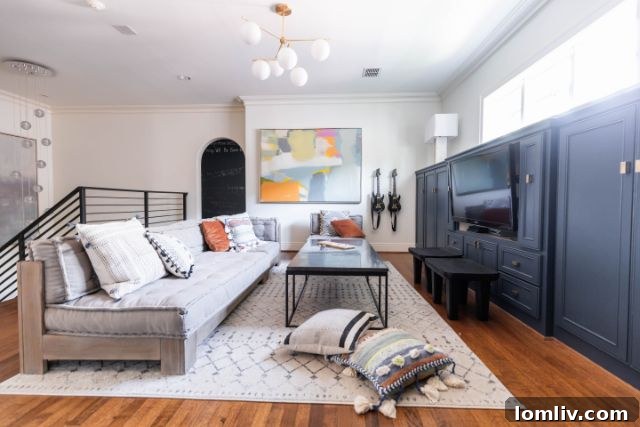
The trend focuses on integrated and thoughtful storage that keeps essentials accessible yet neatly out of sight. This includes custom built-in cabinetry that blends seamlessly with the architecture, maximizing vertical space and utilizing awkward corners. Multi-functional furniture, such as ottomans with hidden compartments, beds with built-in drawers, or console tables that double as filing cabinets, are becoming increasingly popular. For home offices, solutions like integrated desk units with shelving and drawers keep work materials organized, while clever systems for homeschool supplies ensure educational tools are tidy when not in use. Even toy storage is being reinvented with stylish bins, modular shelving units, and designated play zones that can be quickly tidied. The goal is to create a home where everything has its place, reducing visual chaos and enhancing the overall functionality and serenity of each room.
The Rise of Multi-Functional Spaces
The concept of multi-functional spaces has become one of the most significant design trends, reflecting a need for adaptability and efficiency in our homes. As the boundaries between work, education, and leisure blur, spaces must be flexible enough to transform throughout the day or week, serving diverse needs without compromising on style or comfort. This trend is about making every square foot count, ensuring that rooms can effortlessly transition between various activities.
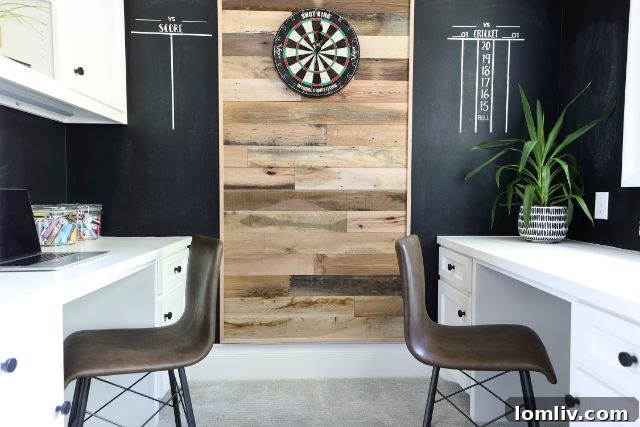
We’ve been implementing innovative designs for our clients, such as combining game rooms with study spaces, creating versatile zones that cater to both recreation and concentration. Writing desks are being cleverly integrated as nightstands in bedrooms or as elegant behind-the-sofa tables in living rooms, offering discrete workspaces that don’t dominate the aesthetic. Even utilitarian spaces are being optimized; for instance, a laundry room can now feature a dedicated workout area, complete with foldable equipment or resistance bands. Other popular examples include dining tables that convert into large work surfaces, living rooms that can be quickly reconfigured for movie nights or guest accommodation, and guest bedrooms that double as vibrant craft rooms. The key is to utilize flexible furniture, clever layouts, and thoughtful design elements to create dynamic environments that enhance productivity and relaxation, truly maximizing the potential of every area in the home.
A Little Privacy, Please! Redefining the Open Concept
While the open concept floorplan has enjoyed immense popularity for decades, the current shift towards more time spent at home has brought its limitations into sharp focus. Consequently, the trend is subtly moving away from purely open layouts, acknowledging a growing desire for defined spaces and, crucially, a little more privacy.
It’s unlikely that the open concept will ever disappear entirely, as its benefits for family interaction and spaciousness are undeniable. However, with multiple family members now working, studying, or attending virtual meetings from home simultaneously, the need for acoustic and visual separation has become a significant craving for many of our clients. The constant presence of noise and visual distractions in a completely open environment can be draining. This has led to a re-evaluation of how we design and utilize our interior spaces. Solutions now include incorporating sliding barn doors, elegant decorative screens, or even built-in partitions that can be opened or closed as needed. Strategic furniture placement can also help define ‘zones’ within a larger open area, providing visual cues for different activities. The emphasis is on striking a balance – maintaining the sense of connection that open plans offer, while also ensuring there are designated rooms or areas that provide the quiet, focus, and personal space that modern life increasingly demands. This allows individuals to retreat for work, contemplation, or simply to decompress without constant interruption.
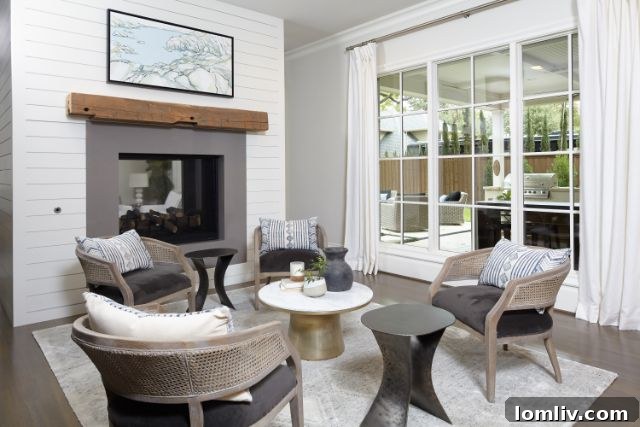
Overall, the interior design trends our ML Interiors Group clients are requesting all converge on a central theme: creating homes that are calm, peaceful, and profoundly functional. These trends are not just about aesthetics; they are about enhancing daily life by providing extra living spaces, fostering well-being, and ultimately soothing our often-overstimulated minds. From the embrace of natural materials to the clever integration of storage and the thoughtful evolution of spatial layouts, the aim is to craft living environments that truly support and enrich the lives of their inhabitants.

Michelle Lynne began her interior design career after spending more than a decade working in Corporate America. She has since built a successful design firm, ML Interiors Group, employing multiple talented designers and growing the services provided to include full-service residential, multi-family, and virtual design solutions for a diverse clientele.